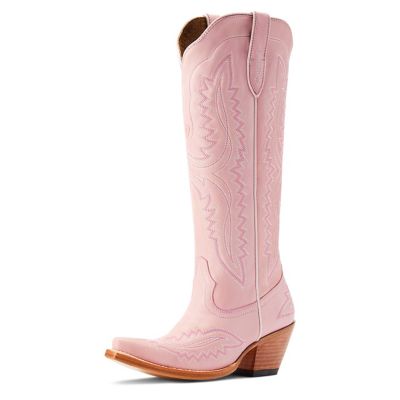
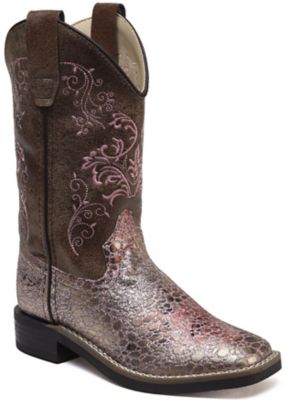
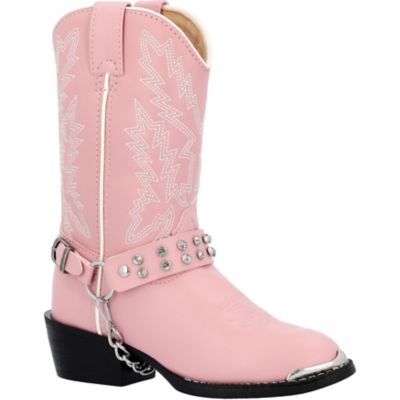
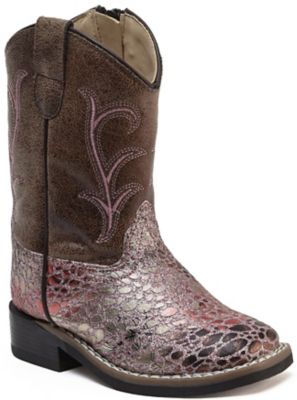
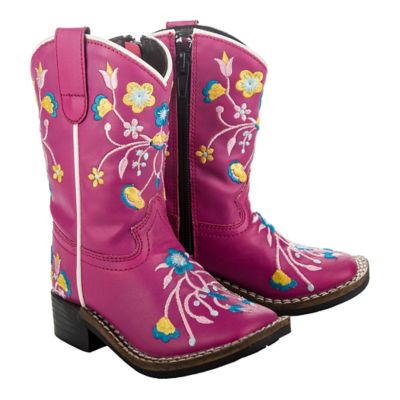
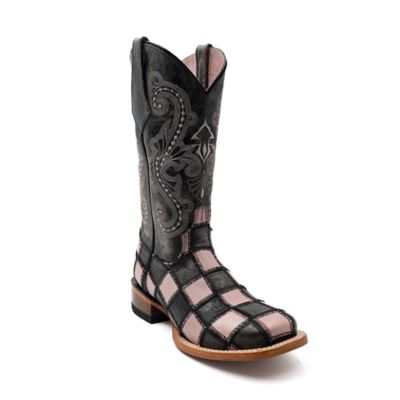
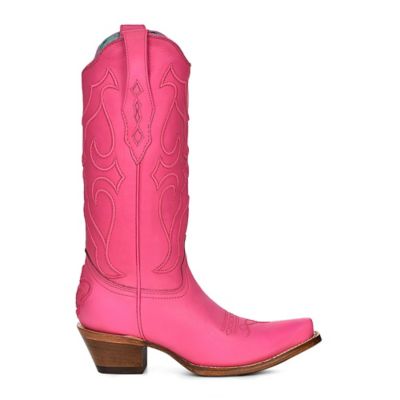
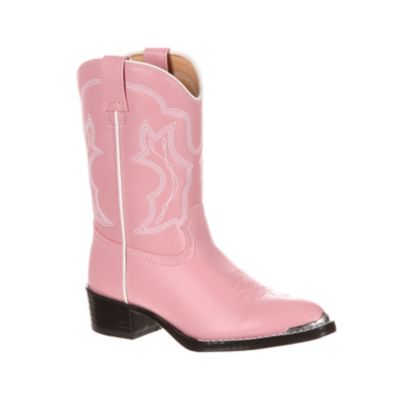
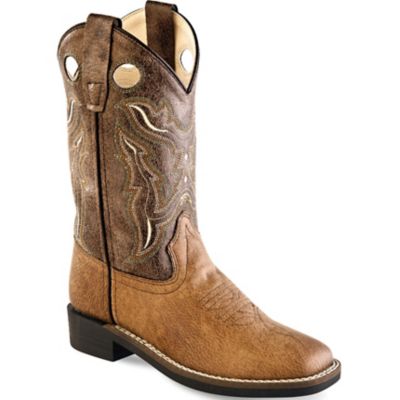
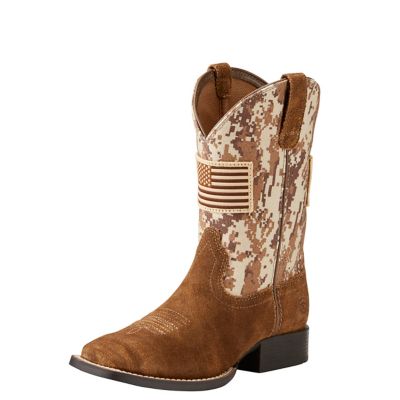
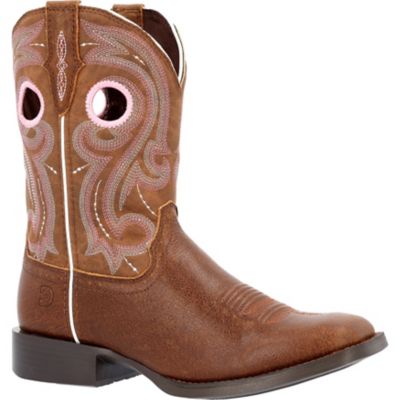
Pink cowgirl boots pair the familiar shape of Western footwear with a color that can be soft and understated or bright enough to stand out across a dance floor. Shades run from pale blush and dusty rose to rich berry pink and bold fuchsia, with finishes that may be smooth, brushed, glossy or accented with contrasting stitching. Beyond color, the biggest differences come down to materials, construction, shaft height, toe shape and heel design. Leather uppers can soften with wear and develop natural creasing, while synthetic uppers offer another option with care requirements that depend on the material and finish. Suede has a soft, textured surface that calls for different upkeep than smooth leather. A fabric lining, cushioned footbed or supportive insole can also affect how a boot feels through an afternoon at the county fair or an evening of two-stepping. Shorter shafts sit easily beneath many jean cuts, while taller shafts show more of their stitching when paired with a skirt or dress. Round, square and pointed toes each change the look, but the shape on the outside does not always tell the whole story about room inside. A broad square toe may offer a different feel from a tapered fashion toe, though fit still depends on the individual boot. Pink Western boots can lean toward everyday wear, dressier occasions or practical tasks, and those purposes are worth keeping separate. A pair chosen for a concert does not automatically have the support, traction or protective features needed around livestock or equipment. The right match comes from looking past the color to the details that suit the day ahead. For an easygoing outfit, pink boots work well with straight-leg denim and a simple shirt; with a denim dress or a flowing skirt, the same color becomes more of a focal point. Tonal stitching keeps the look quieter, while contrasting thread, overlays and shaped pull straps bring out the Western character.
Fit matters just as much as appearance, especially with pull-on cowgirl boots that do not have laces to adjust the instep. A comfortable fit generally holds the foot securely across the instep without pinching, leaves room for the toes to move and allows the ball of the foot to sit at the boot’s widest point. A small amount of heel movement can occur in a new pull-on boot, but excessive slipping, rubbing or the feeling that the foot is sliding forward deserves attention. Leather may relax somewhat with wear, but a boot should not require painful stretching to become wearable. The socks worn with the boots make a difference, too: a thicker boot sock takes up more space than a thin dress sock, so trying on footwear with the intended socks gives a more useful sense of fit. Width and shaft circumference are separate measurements. A wider foot may need more space across the forefoot, while a fuller calf may need a roomier shaft even when the foot width is standard. For taller boots, the shaft should feel comfortable when standing, sitting and bending the knee, without digging into the calf. Heel height also changes the experience. A lower heel can feel more manageable for walking between fairgrounds, bleachers and a parking lot, while a taller Western heel changes balance and puts the foot at a different angle. Cushioning can help with underfoot comfort, but it does not make up for the wrong size or a sole that does not suit the surface. Smooth soles and deeper rubber tread behave differently on arena footing, polished floors and barn aisles. For horseback riding, heel design and compatibility with the stirrups matter more than the shade of pink; riding footwear should suit the saddle setup and the rider’s needs. For chores or work, required toe protection, traction and other safety features take priority. Fashion-focused boots are better kept for the occasions their construction supports, whether that means a family gathering, a school event or a night of dancing.
Keeping pink cowgirl boots looking their best starts with care that matches the upper material rather than treating every finish the same. Smooth leather often benefits from having loose dirt brushed away and surface marks wiped gently with a soft cloth, followed by products approved for that leather when needed. Pale pink finishes can show scuffs and transferred color more readily than darker shades, so any cleaner or conditioner belongs on a small, hidden area first. Some treatments can deepen the color or change the sheen. Suede generally calls for a suede brush and a suitable cleaner rather than the routine applied to smooth leather, while synthetic materials should be cleaned according to their care directions. Saturating the boots or setting them beside a heater can damage certain materials, finishes and adhesives. Allowing them to dry naturally, away from direct heat, helps protect their shape, and boot supports can keep taller shafts from folding sharply in storage. After a long day of wear, giving the lining time to air out can make the next outing more comfortable. Construction deserves a look over time as well: loose stitching, worn heel edges and separating soles are signs that attention may be needed before another full day on foot. Depending on how a boot is built, a footwear repair shop may be able to replace a heel or sole. Those practical details also matter when pink boots are a gift. A favorite shade is a good starting point, but the recipient’s usual boot size, foot width, calf fit and intended use make the choice more personal. Someone who spends weekends dancing may want a different heel and sole than someone who mainly wears boots with jeans for town trips. For a child, enough toe room matters, but extra growing space should not leave the foot sliding around. Shoppers comparing colors can also explore
Blue Cowgirl Boots For Women for another take on colorful Western style. Whether the preference is quiet rose or bright pink, the most satisfying pair brings together the look, fit and practical features that belong in the wearer’s everyday life.