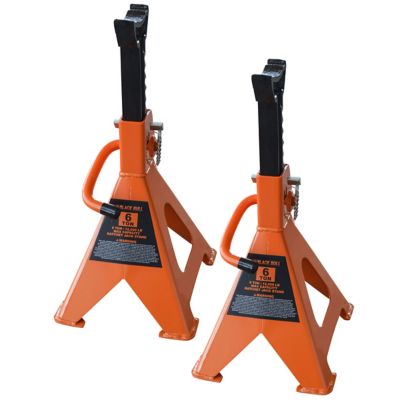
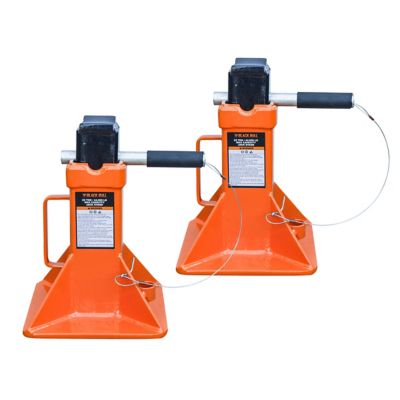
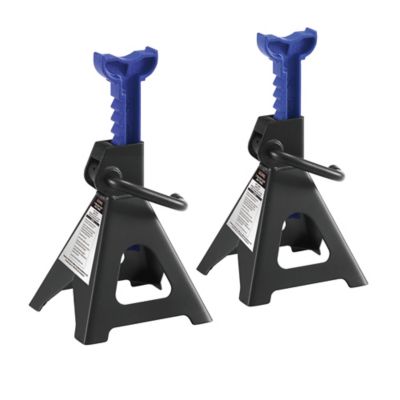
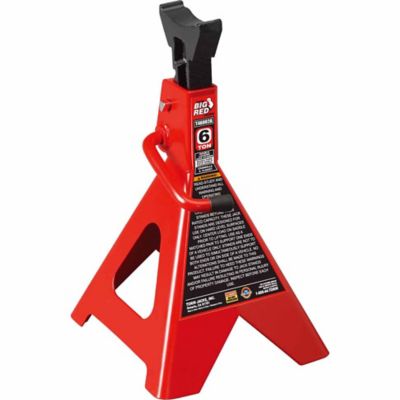
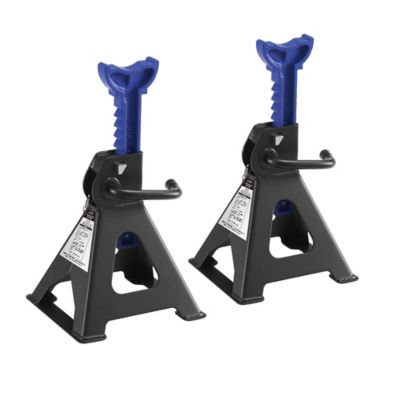
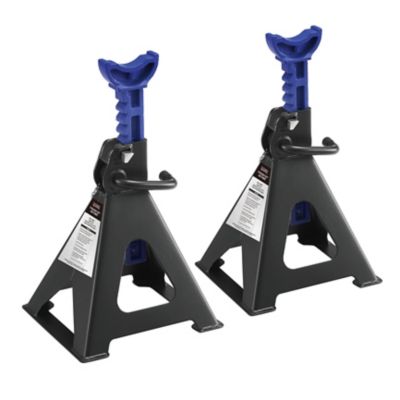
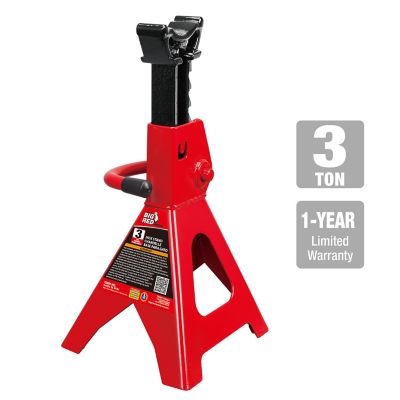
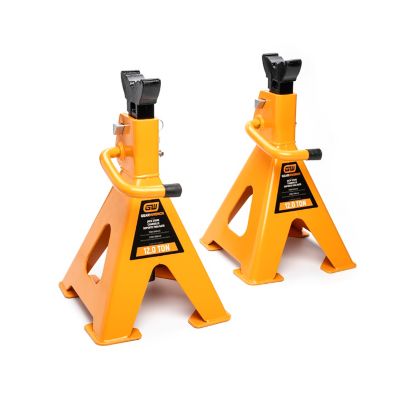
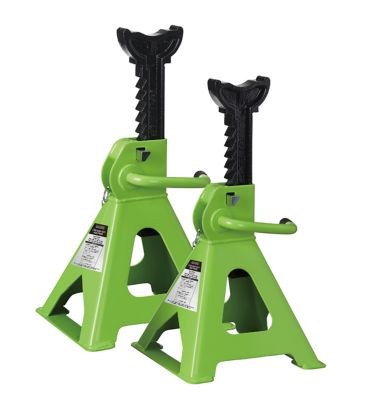
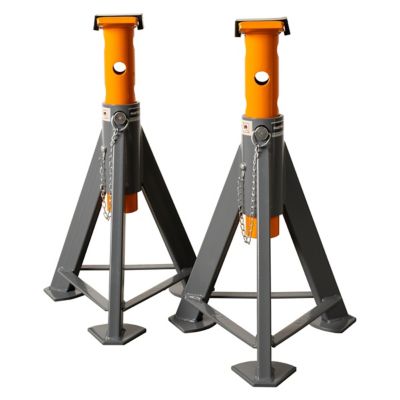
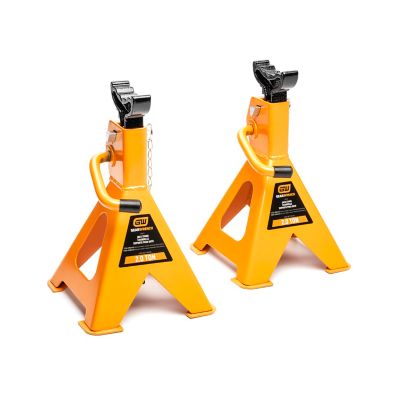
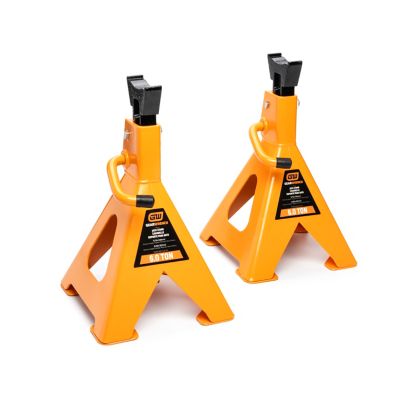
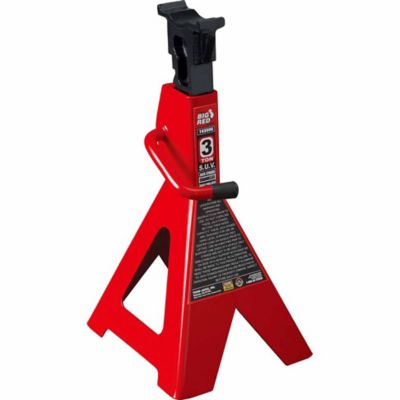
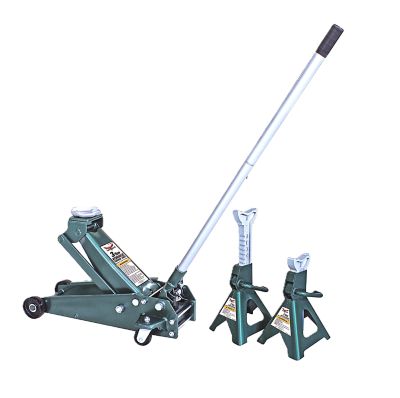
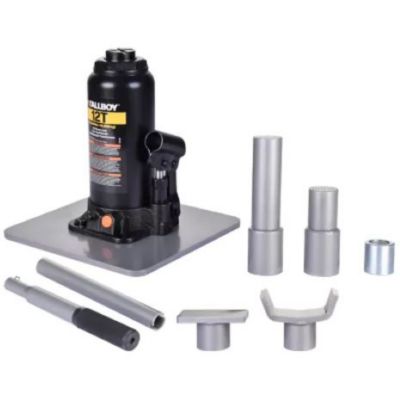
Jack stands for cars are support tools that hold a raised vehicle at a set height while maintenance or repairs take place. A floor jack raises the car; properly rated jack stands support it once it is positioned according to the vehicle and equipment manufacturers’ instructions. That distinction matters whether the job involves checking brake components, inspecting an exhaust system, or getting a closer look at a leak beneath the engine. A hydraulic jack alone is not a substitute for vehicle support stands, and no part of the body belongs beneath a vehicle supported only by a jack. For a home garage, a small repair shop, or a farm shop that also handles the family car, choosing stands starts with the vehicle’s weight, its designated support points, and the working clearance the job requires. Capacity ratings deserve a close look because a stated rating may apply to one stand or to a matched pair, depending on the manufacturer. The label and instructions should make that distinction clear. Vehicle weight is not distributed evenly across all four wheels, so simply dividing the car’s total weight by four does not establish the load each stand must carry. Engine location, drivetrain layout, and the portion of the vehicle being supported all affect that load. A small sedan and a larger passenger car can also have different support locations and clearance needs, even when both fit comfortably in the same garage bay. Stands should match the manufacturer’s requirements for the vehicle and the planned work, rather than just looking tall enough beside the rocker panel. For someone who handles routine upkeep between trips to a repair shop, that makes clear capacity markings, readable instructions, and a suitable height range important parts of the selection. The goal is stable support that fits the car and the work, with no guesswork about what the equipment is rated to hold.
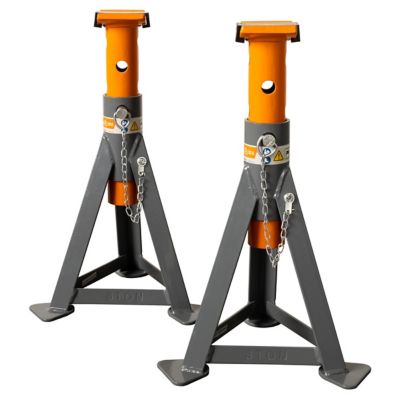
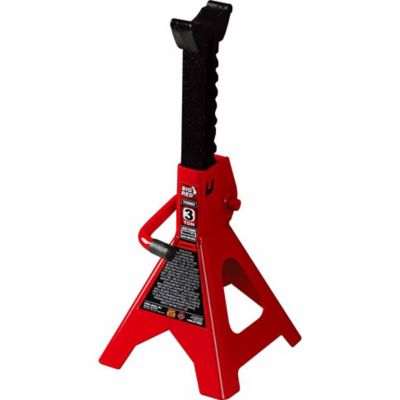
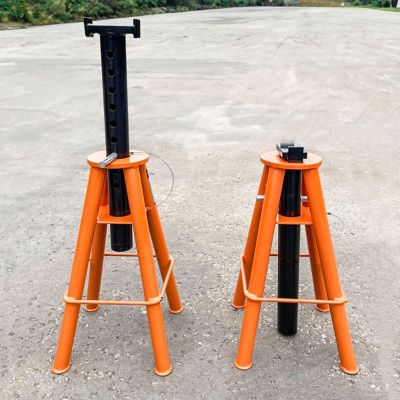
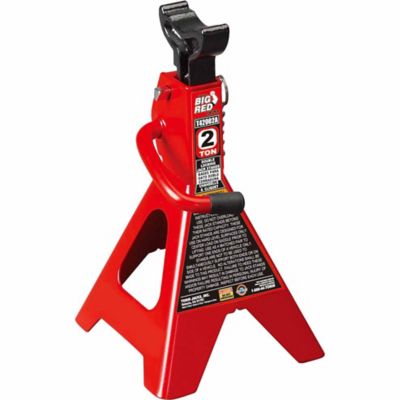
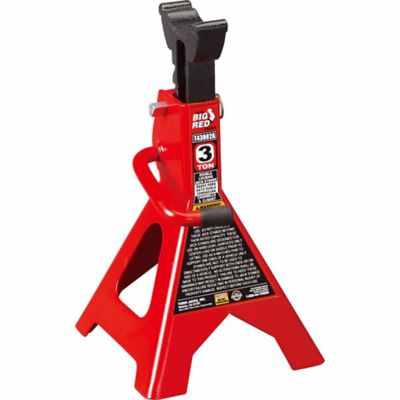
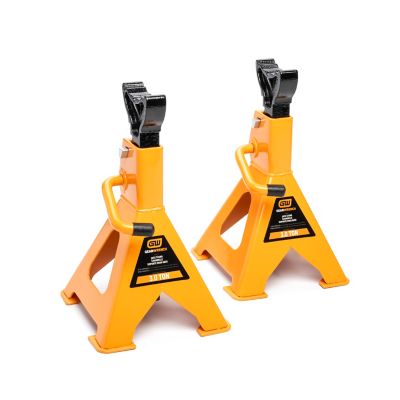
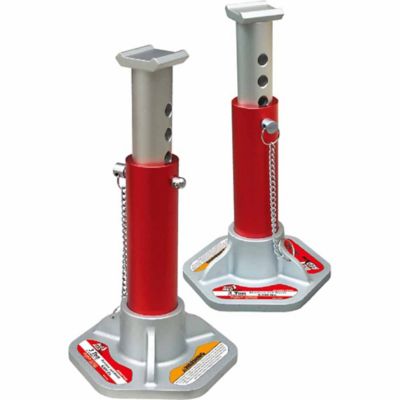
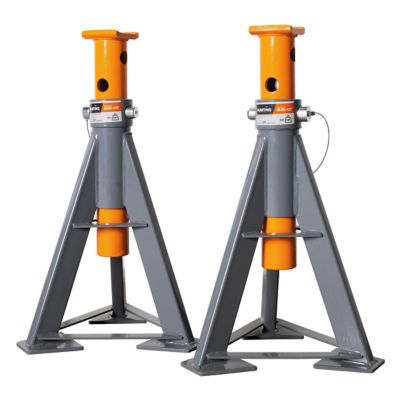
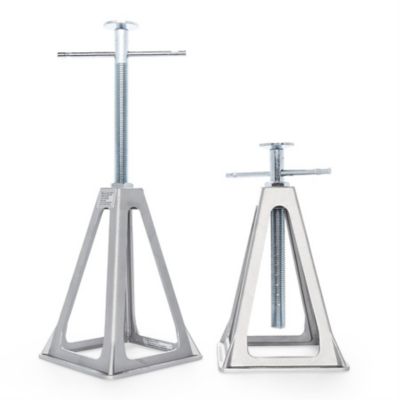
Steel construction is common in car jack stands, with formed or welded bases and adjustable center posts designed to carry substantial loads. Some designs incorporate aluminum components, which can make the stands easier to carry around the shop. Material alone does not establish capacity, though; the stand’s rating, construction, locking mechanism, and condition all matter. A broad base helps spread the load across an appropriate support surface, while sound welds, straight legs, and a securely seated center post are important to the stand’s structural condition. Ratcheting designs provide a series of height settings, while pin-style designs secure the support post through designated holes. Some stands include an additional locking feature. Whatever the design, the locking parts must engage completely as directed by the manufacturer, without makeshift pins or altered components. Height range is just as important as rated capacity. The minimum height must suit the car’s available clearance after lifting, and the selected working height must stay within the stand’s permitted adjustment range. Extra reach is not automatically a benefit for a low passenger car, especially when access to the designated support points is tight. At the top of the stand, the saddle needs to fit the approved support location without pressing against vulnerable sheet metal, lines, or other components. Cars with pinch-weld support points may call for a compatible adapter, but pads and adapters should be approved for the particular equipment and application. Loose wood blocks, stacked spacers, and improvised extensions are not substitutes for a proper fit. The work surface matters, too: jack stands require a hard, level surface capable of carrying the concentrated load, as specified in their instructions. A gravel driveway, bare ground, or soft asphalt is not an appropriate substitute. Even in a concrete-floored shop, cracks, uneven patches, and nearby floor drains can interfere with sound placement. A stand’s footprint needs enough unobstructed space to sit fully on the floor without leaning or straddling an irregularity.
For the person who spends a Saturday checking brakes or tracking down a rattle, the most useful stands are the ones that suit the car, the workspace, and the task without awkward workarounds. Working clearance should leave room for the planned repair while keeping the vehicle supported exactly as its manufacturer directs; raising a car farther than necessary does not make the job better. Wheel chocks and parking-brake practices also belong in the overall support setup according to the vehicle and equipment instructions. Stands are intended to support a stationary vehicle, not to serve as rolling supports, lifting devices, or anchor points for pulling a car sideways. Jobs that involve removing major assemblies or applying substantial force may change the load balance and call for additional precautions or different equipment. For households with both passenger cars and taller vehicles, the height and support requirements can differ considerably. Comparing car-focused stands with
Jack Stands for Lifted Trucks can help clarify those differences, but extra height never replaces checking capacity, saddle fit, and approved support locations. Care between jobs is straightforward and worth taking seriously. Clean stands are easier to inspect for bent parts, cracked welds, corrosion, damaged teeth, or worn locking components. Oil, grease, and dirt can conceal damage or make handling awkward, so cleaning and any lubrication should follow the manufacturer’s directions. Dry storage helps limit corrosion, and keeping matched stands together makes labels and instructions easier to check before the next job. Equipment with damage, missing parts, unreadable ratings, or uncertain condition should stay out of service until addressed according to the manufacturer’s guidance. Repainting over a problem or fitting a substitute pin does not restore a stand’s rating. For a household mechanic or a family member setting up a first garage, a properly matched set can be a practical gift when the vehicle requirements are known. Clear ratings, suitable adjustment, intact locking parts, and straightforward storage matter long after the toolbox lid closes.