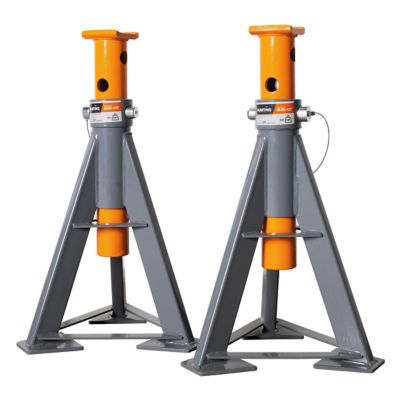
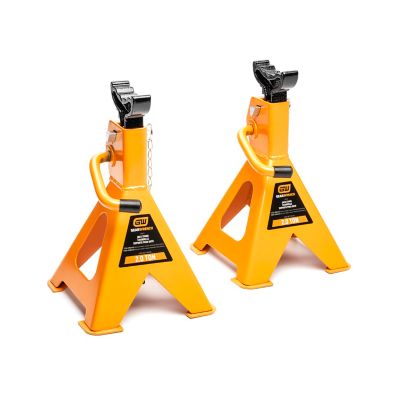
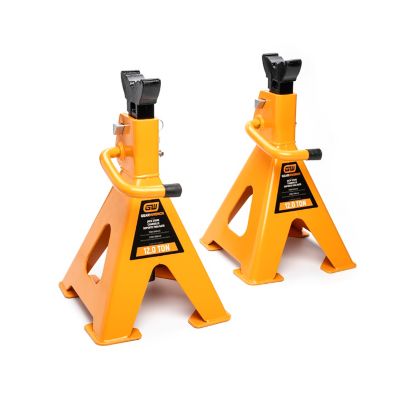
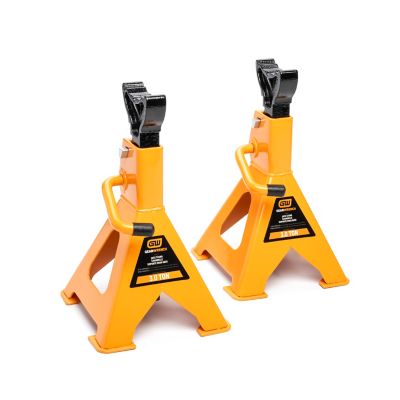
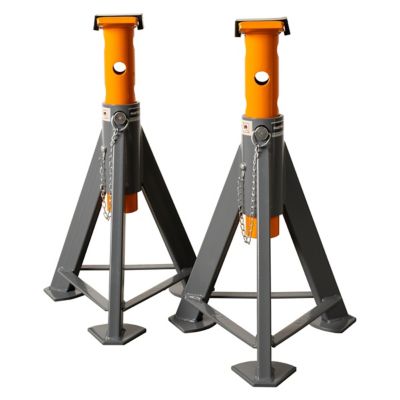
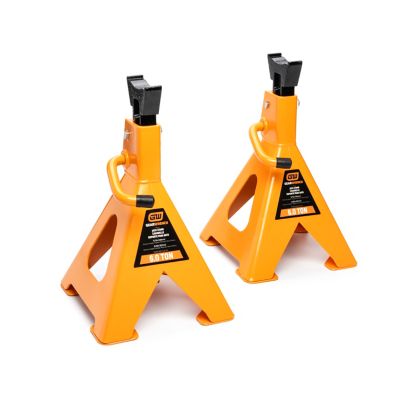
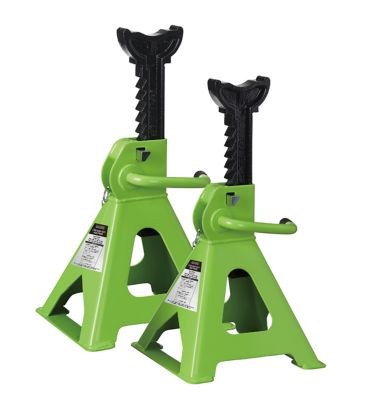
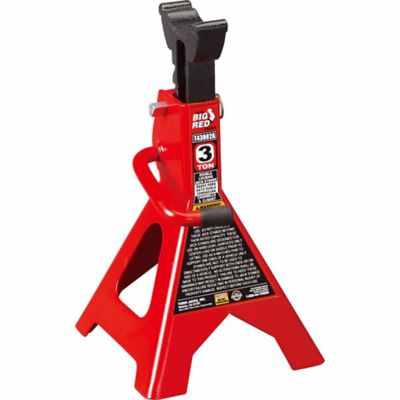
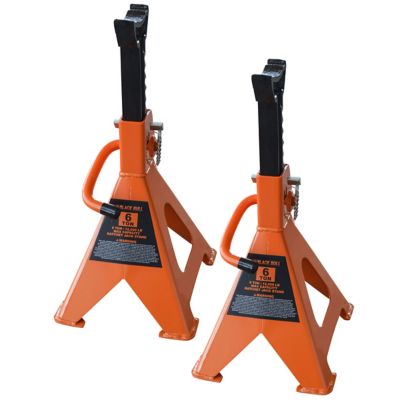
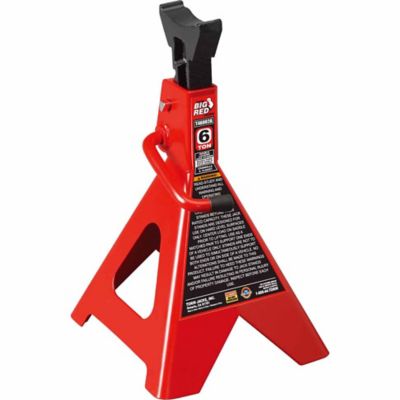
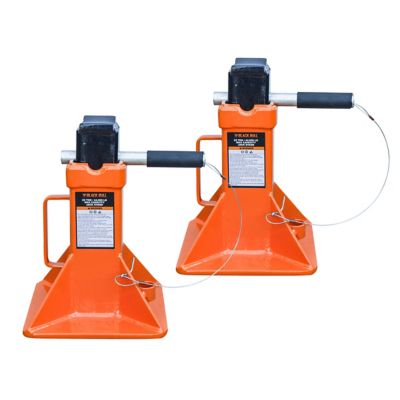
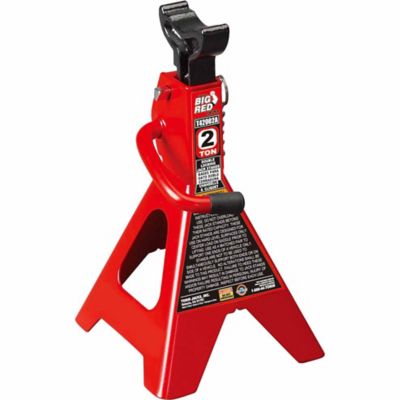
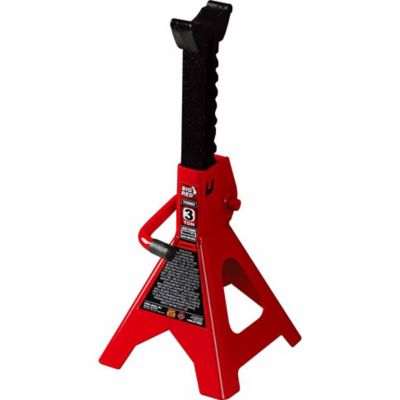
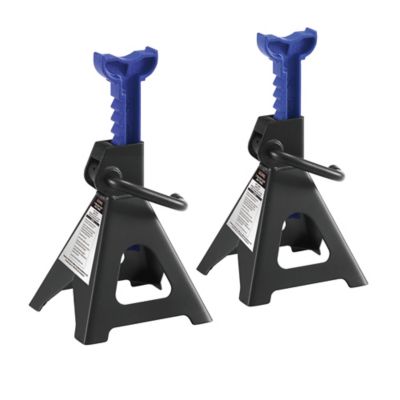
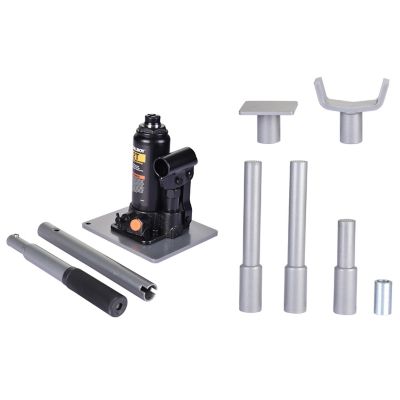
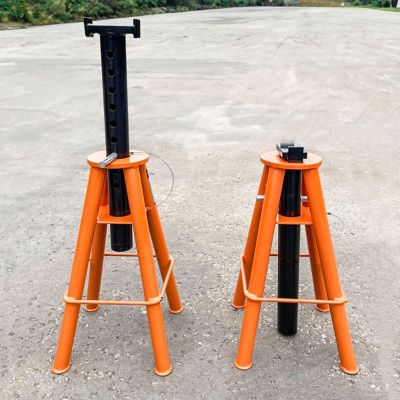
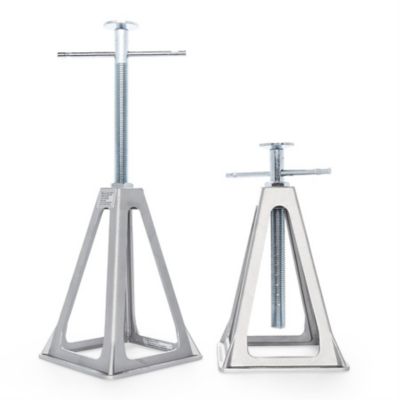
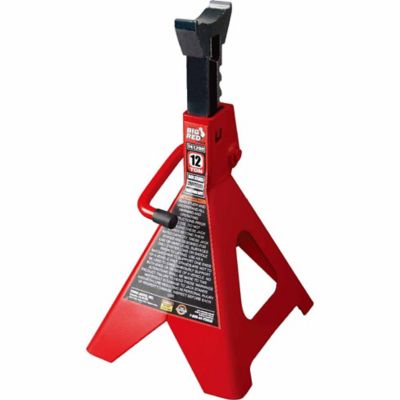
Jack stands for lifted trucks provide stationary support at the height a raised pickup needs for maintenance and repair. Extra ground clearance changes the fit between a truck and its shop equipment, especially when larger tires, suspension changes, or added equipment are part of the setup. The right stands need enough reach for the truck’s approved support points, enough rated capacity for the load, and a base that sits flat on the working surface. Height alone does not tell the whole story. A suspension lift can move the frame farther from the ground without raising a solid axle by the same amount, while taller tires raise both. That means the advertised lift size is not a direct measurement of the stand height required. The truck manufacturer’s service information determines the proper support locations, and the distance to those locations helps narrow the working-height range. Some taller jack stands reach into the 25- to 33-inch range or beyond, but those figures are not a requirement for every lifted truck. Minimum height matters, too: a stand must fit beneath the designated support point once the truck has been raised, then adjust to the needed position within its stated limits. Weight ratings deserve the same attention. A 6-ton or 12-ton label must be read alongside the manufacturer’s explanation of whether that rating applies to one stand or a matched pair. In U.S. weight ratings, one ton equals 2,000 pounds, but a truck’s weight cannot simply be divided by four to determine a suitable stand rating. Load distribution changes with the support locations and the work involved. Larger tires, steel bumpers, winches, toolboxes, and other equipment also affect the load. For a ranch pickup, a trail truck, or a full-size daily driver, matching the stand’s capacity and working range to the actual vehicle is more useful than choosing by truck size alone.
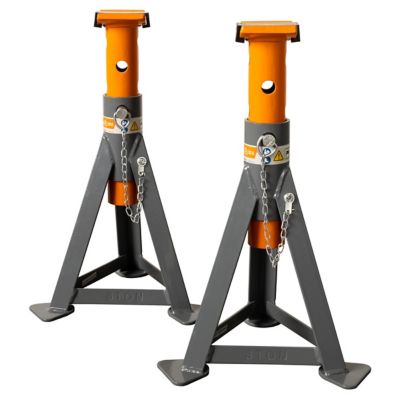
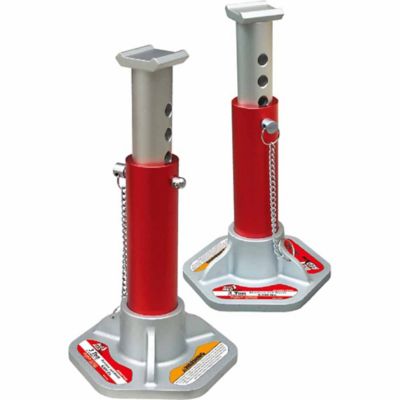
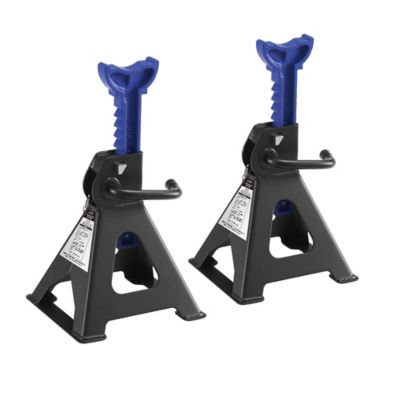
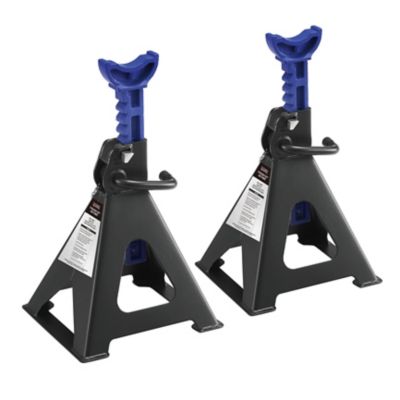
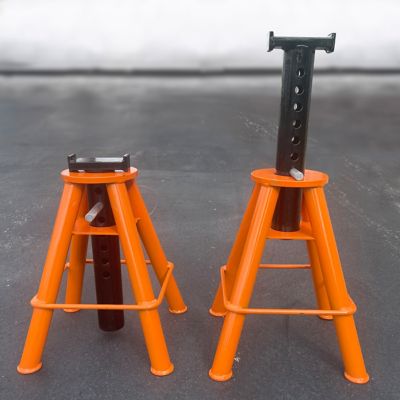
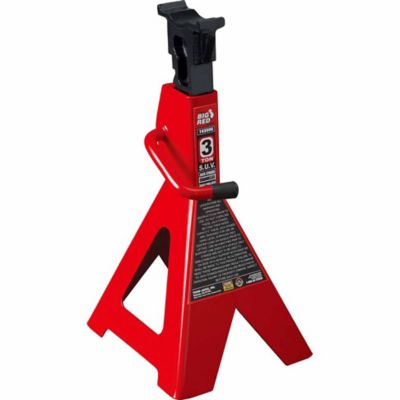
Construction and contact surfaces help distinguish jack stands for lifted trucks beyond the numbers on the label. Steel frames and support posts are common, with bracing, welds, and base geometry contributing to the stand’s ability to carry its rated load. A broad footprint gives the stand a wider stance, an important consideration as support height increases. It does not make dirt, gravel, sloped pavement, or soft asphalt a suitable working surface. Stands require the hard, level surface specified by their manufacturer, typically sound concrete, with every foot making full contact. Base dimensions also affect how the equipment fits around a floor jack, nearby tires, and other stands. In a smaller shop bay, a tall stand with widely spaced legs can take up more floor space than expected. At the top, the saddle needs to suit the vehicle’s designated support point without rocking, slipping, or pressing against a vulnerable component. Saddle shape, width, and any manufacturer-approved contact pads are worth comparing, particularly when one truck’s support points differ from another’s. Improvised adapters, stacked blocks, and extensions not approved for the stand can compromise that fit. Adjustment mechanisms vary as well. Ratcheting posts offer stepped height positions, while pin-style designs secure the post through designated holes; some stands include a secondary locking feature. The important distinction is how the mechanism fully engages and holds at an approved setting, not simply how quickly it adjusts. Clear capacity labels, readable height markings, and locking parts that are straightforward to inspect make routine checks easier. A coating can help limit surface corrosion, though it does not replace inspection or proper storage. For work that leaves a truck supported while wheels or other parts are off, a stable fit and fully engaged locking mechanism matter far more than appearance. Matching stands should remain within their stated operating limits, without leaning, makeshift height changes, or attempts to gain extra reach beyond the manufacturer’s maximum extension.
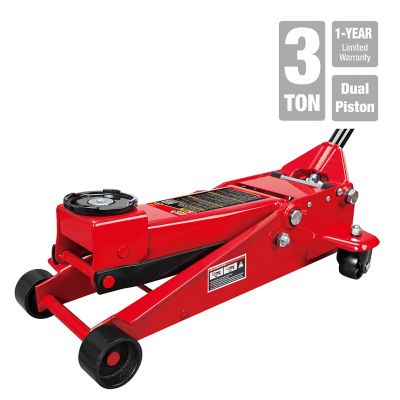
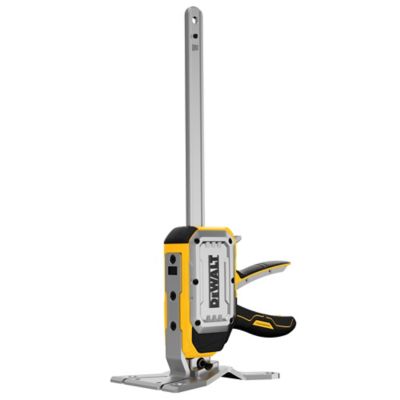
The intended job helps put those features in perspective. Tire rotations, brake service, axle work, and suspension repairs can call for different support arrangements, even on the same pickup. Supporting the frame may allow the suspension to hang, while supporting an approved axle location creates a different relationship between the chassis, axle, and floor. Those differences affect clearance, component access, and the forces acting on the supports, so the vehicle’s service procedure remains the reference for the setup. Jack stands hold a vehicle after lifting; they do not replace a floor jack, and a hydraulic jack alone is not protection for someone working underneath. The lifting equipment must also have the reach and capacity required to raise the truck safely to the intended support height. Likewise, tall under-hoist component supports are not interchangeable with vehicle-support stands unless their manufacturer expressly rates them for that application. For a household shop that also handles a sedan or another passenger vehicle,
Jack Stands for Cars provides a related category to compare, with each vehicle’s clearance and support requirements checked separately. Care matters between jobs, too. Dirt and grease can hide cracks, bent sections, damaged welds, or wear around locking parts, so clean surfaces make inspection easier. Follow the stand manufacturer’s directions for cleaning and any lubrication, keep labels readable, and store stands in a dry location where the posts and locking pieces will not get knocked around. Any stand showing damage, missing parts, or a locking mechanism that does not engage properly needs to come out of service. Replacement pins and other parts must meet the manufacturer’s specifications rather than come from a spare-bolt bucket. Whether the truck hauls fence supplies, pulls a trailer, or heads down a rough two-track, well-matched support equipment belongs in the shop alongside the tools that keep it running. Capacity, reach, saddle fit, and sound condition are the details that make these stands suited to the work.