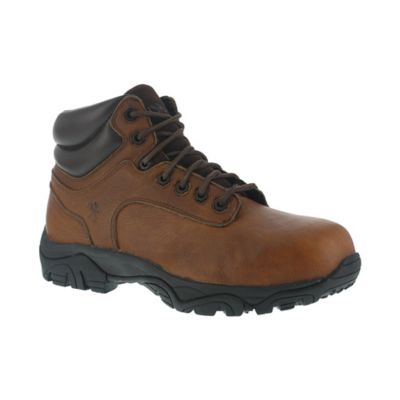
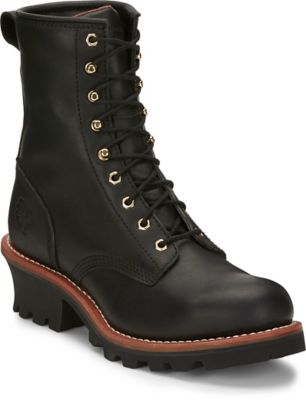
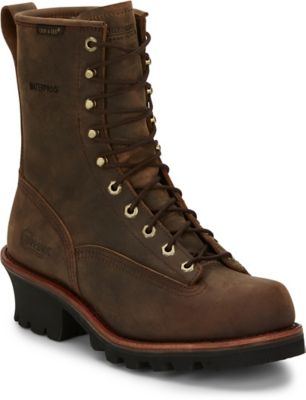
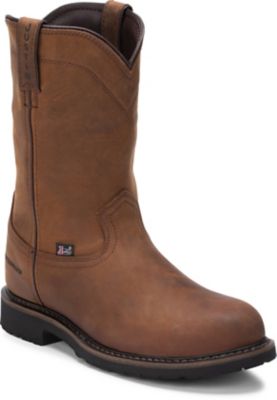
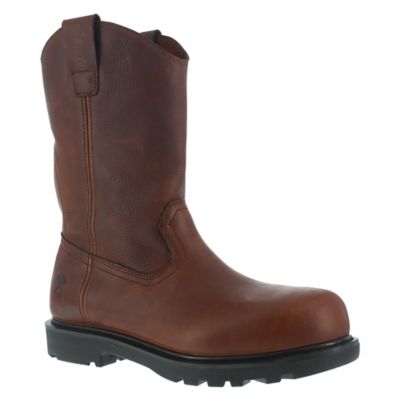
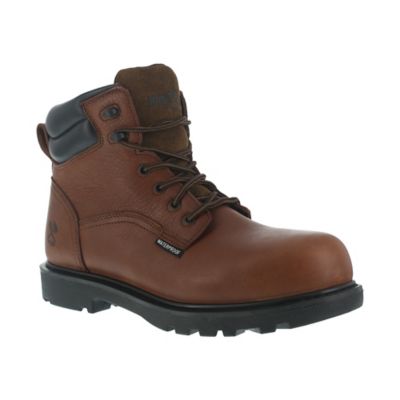
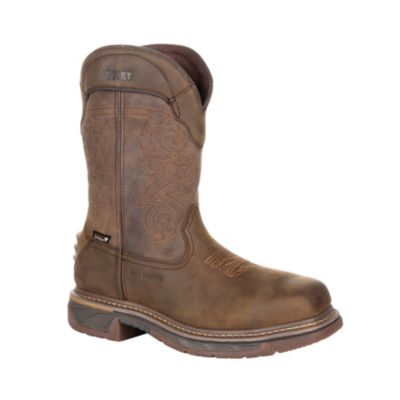
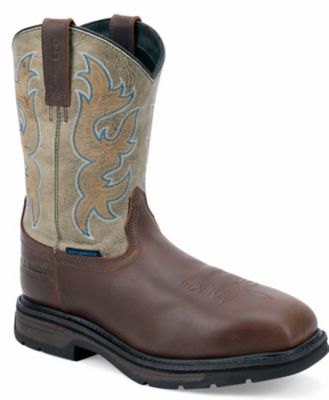
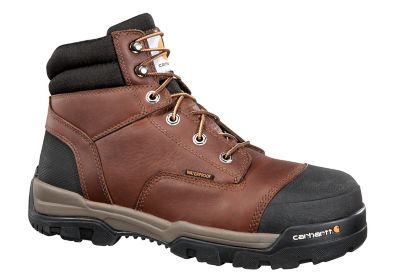
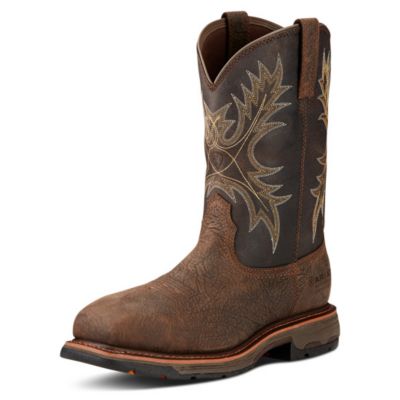
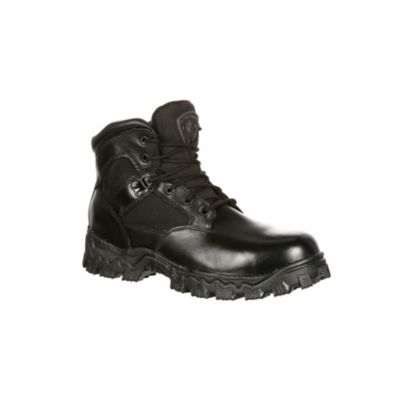
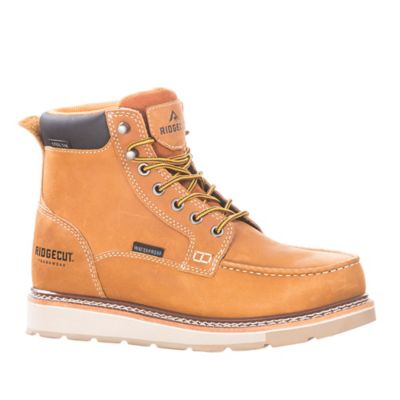
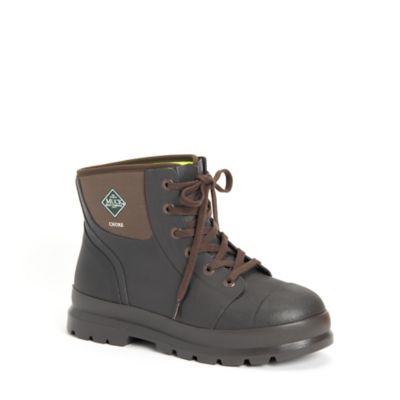
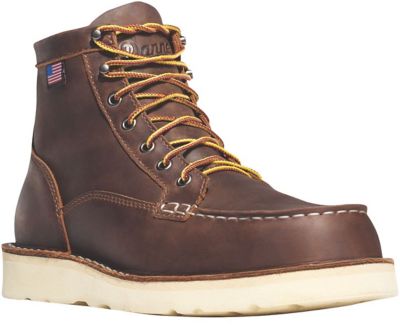
Ironworker boots are work boots shaped around the demands of steel erection, fabrication, and long hours on hard surfaces. A common style pairs a leather upper with a relatively flat wedge sole, often with a moc-toe front and lace-up shaft. That wedge shape spreads contact across much of the boot’s bottom instead of separating the heel from the forefoot with a deep gap. On a concrete slab or steel deck, the broad contact area can help distribute pressure underfoot, while the low-profile shape leaves less of a heel edge to catch on an obstruction. It does not make a boot slip-proof or replace required fall protection. Traction still depends on the outsole compound, tread condition, surface, and anything between the sole and the ground. Oil, loose grit, and metal shavings can change footing in a hurry. Softer wedge soles often feel forgiving during a shift spent standing and walking, although abrasive surfaces can wear them down. Deeper-lug soles serve different needs, particularly where loose ground calls for more bite, so the right sole depends on the work rather than looks alone. Full-grain leather is common in ironworker boots because it offers substantial coverage and can soften around the foot with wear. Moc-toe stitching gives the front of the boot its familiar outline, but that seam does not indicate whether a safety toe is inside. Smooth-toe designs belong in this category, too. Reinforced stitching, secure eyelets, and well-finished seams all matter when boots spend their days brushing against rough materials. Welt construction joins the upper and sole through a stitched strip and may allow resoling, depending on the boot’s design and condition. Cemented construction bonds the sole to the upper and can offer a flexible feel. Neither construction method tells the whole story; leather, sole material, fit, and the work underfoot all affect how a pair holds up.
Protection and fit carry just as much weight as the sole shape. Ironworkers handling structural members, rigging, or heavy materials may need safety-toe boots that meet their employer’s requirements. Steel, composite, and other nonmetallic safety toes can meet recognized impact and compression standards when properly tested and marked. Toe material alone does not establish the protection level. The ASTM F2413 marking identifies safety footwear that meets the listed requirements, while additional markings indicate particular protective features. A soft-toe boot does not provide the same rated toe protection, even when its leather feels thick and substantial. Electrical hazard ratings, puncture resistance, and metatarsal protection address separate concerns and should match the hazards identified for the job. An electrical hazard rating indicates secondary protection under specified conditions, not permission to work around energized equipment without the required precautions. Fit needs the same attention, especially for a shift that starts at the job trailer and ends after hours of walking decking or standing at a fabrication table. Toes need room to move without pressing against the front or sides of a safety cap, and the heel should stay reasonably seated as the foot rolls forward. A safety cap will not stretch during break-in. Trying boots with the work socks and any prescribed orthotics that will actually go inside gives a more useful sense of fit. Feet can swell over a long day, so a snug morning fit should not mean pinched toes by quitting time. Six-inch and eight-inch shafts offer different amounts of ankle coverage; shaft height alone does not guarantee support or prevent an injury. Lacing should hold the foot without creating pressure across the instep. Underfoot cushioning can ease the feel of repeated steps, while a supportive footbed helps keep the foot from feeling as though it is sinking into an overly soft sole. Boot weight matters, too, particularly when the day involves frequent climbing and walking.
Long service starts with boots that suit the task and continues with straightforward care. Leather benefits from having grit brushed away before it works into creases and stitching. After a dirty shift, cleaning according to the maker’s directions helps keep buildup from hiding worn seams or damage around the sole. Leather conditioner can help prevent drying and cracking, but the right treatment depends on the leather’s finish; too much conditioner can leave the upper overly soft or darken its appearance. Let damp boots air-dry away from direct heat, since a heater or hot surface can damage leather and adhesives. Removable footbeds can come out for airing when the care directions allow it. Outsoles deserve a look as well: packed-in debris, worn tread, separating edges, and uneven heel wear can all affect how a boot feels and grips. A sole worn smooth is not restored by cleaning, and damage to a safety toe calls for replacement rather than an attempt to straighten it out. Resoleable construction can extend a boot’s working life when the upper remains sound, though a repair professional needs to assess whether rebuilding makes sense. Those details matter to apprentices putting together their first work setup, experienced ironworkers who know exactly where their boots tend to rub, and welders or fabricators whose footwear requirements overlap with steel construction. For a gift, knowing the recipient’s size is only part of the picture; width, preferred shaft height, and jobsite safety requirements matter just as much. Comparing ironworker boots with other
Workwear Boots comes down to the surfaces underfoot, the protection required, and the feel that stays comfortable through a full shift. A broad wedge sole, well-fitting leather upper, and the right safety features make a practical combination when they match the job. The goal is footwear that lets the wearer concentrate on the next task instead of a slipping heel, crowded toes, or an aching pressure point.