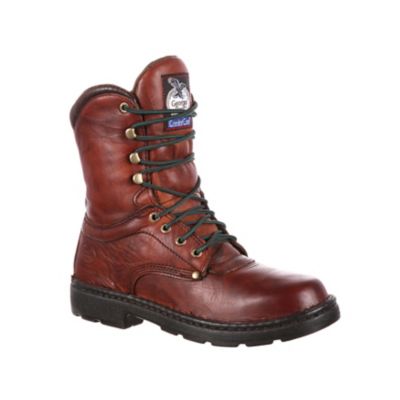
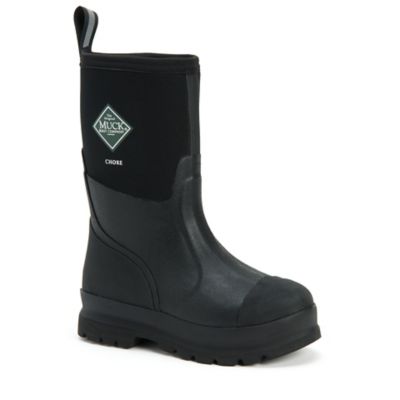
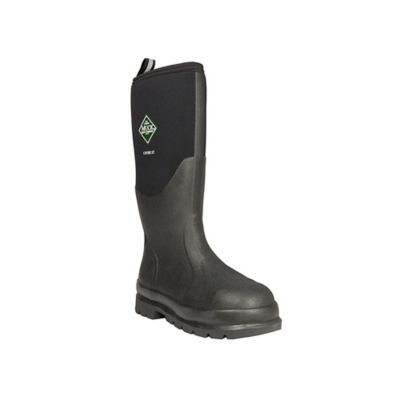
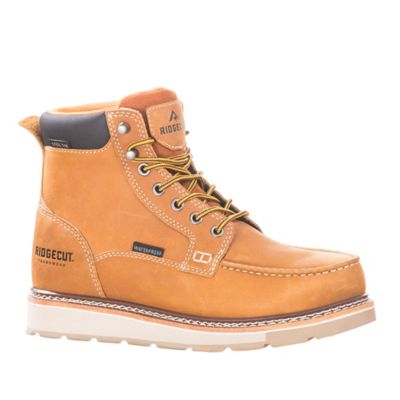
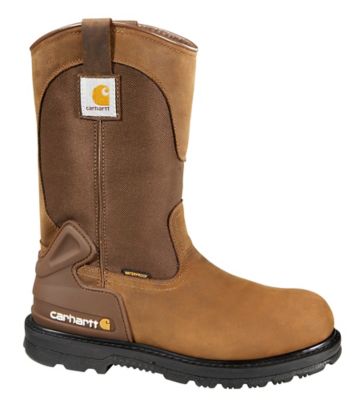
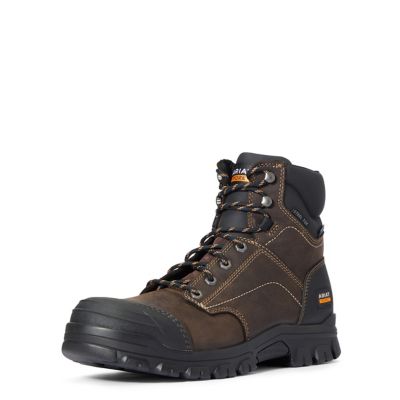
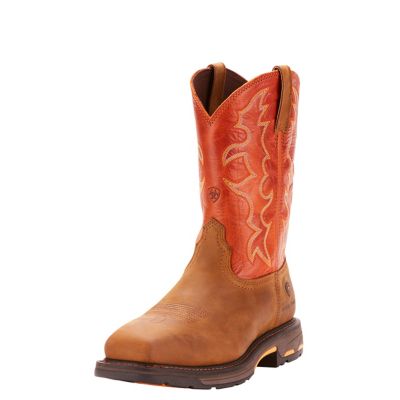
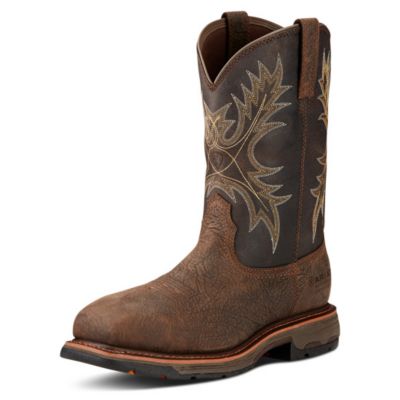
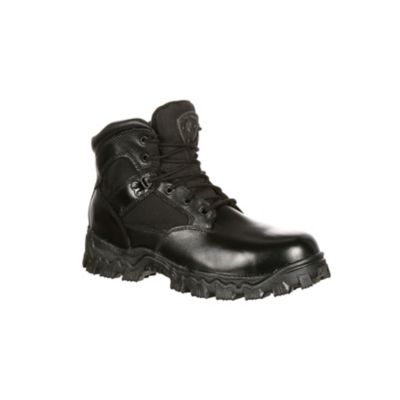
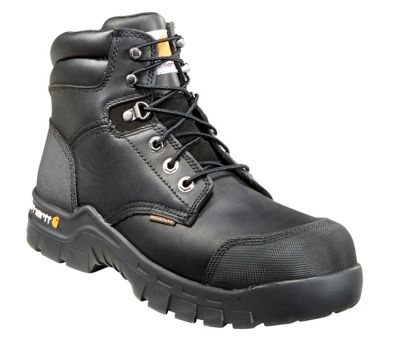
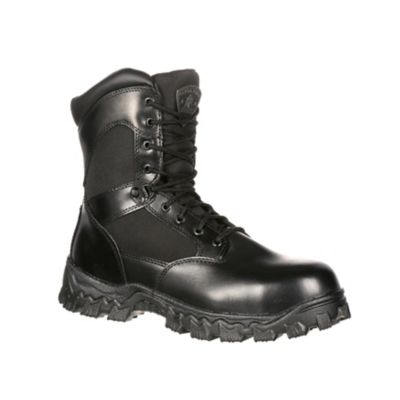
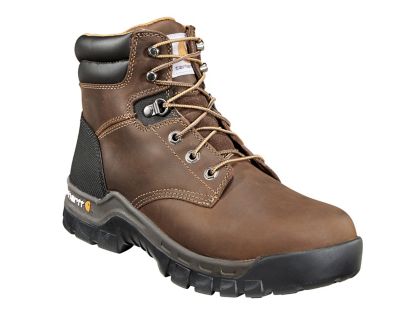
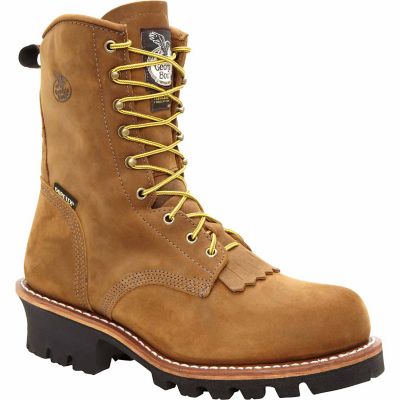
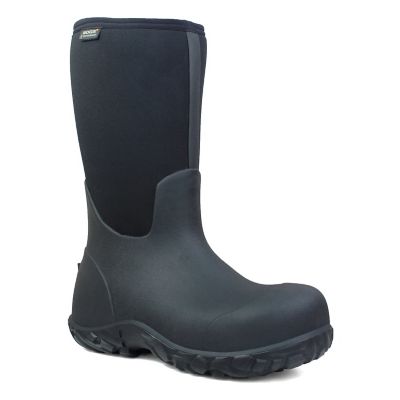
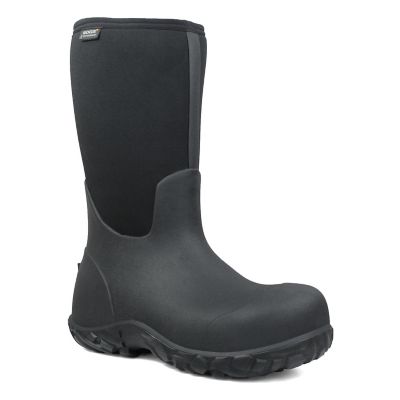
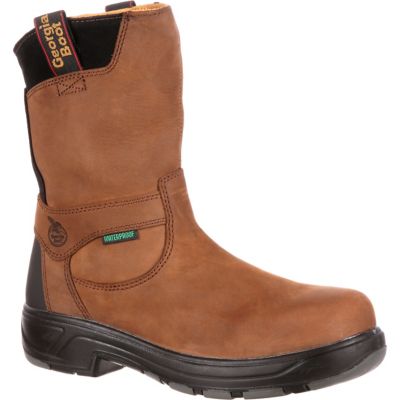
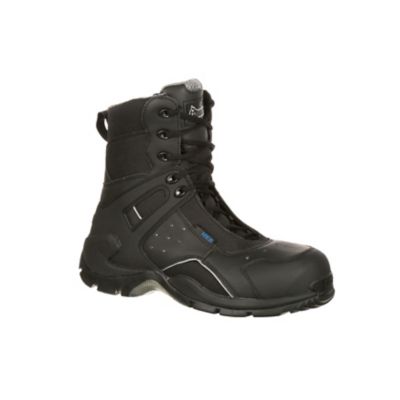
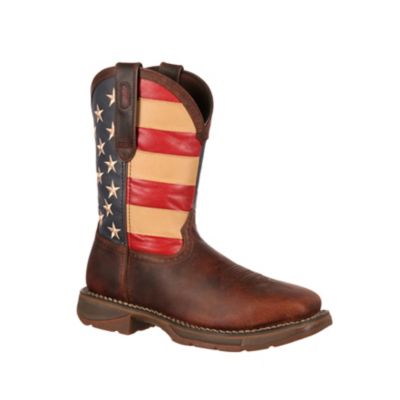
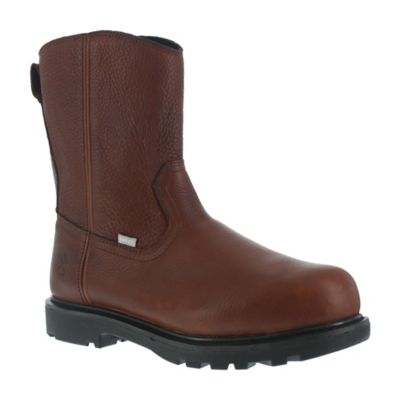
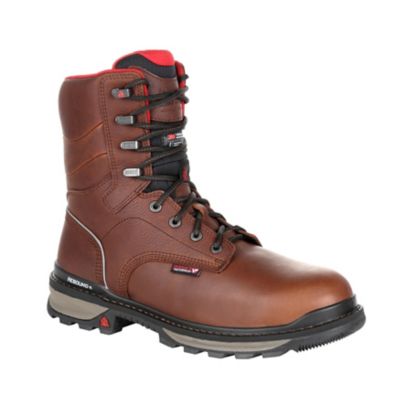
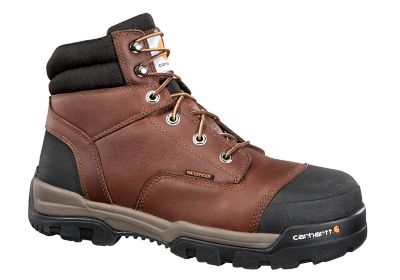
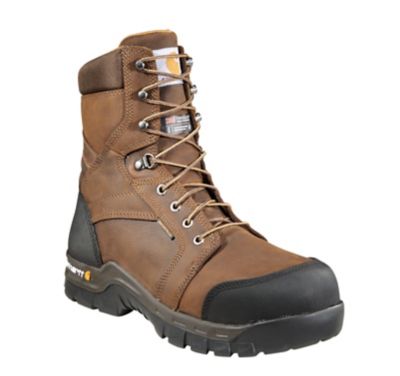
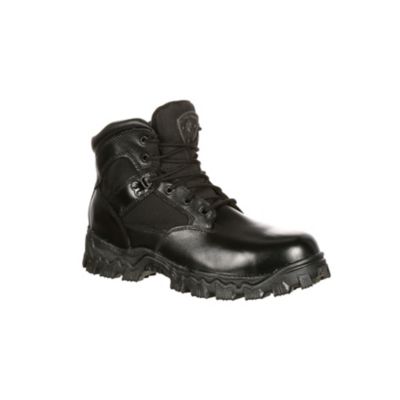
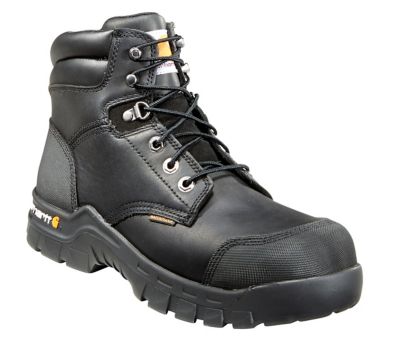
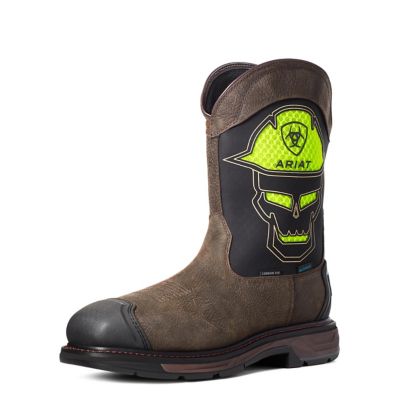
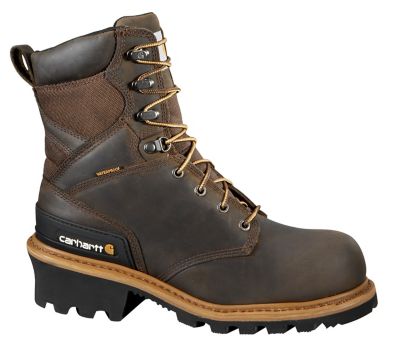
Impact resistant work boots are built for jobs where feet face more than mud, dust, and long hours on hard ground. These boots typically use a reinforced safety toe to help protect against heavy objects that may fall, roll, or get dropped on the front of the foot. Look for footwear marked as meeting ASTM F2413 standards for impact and compression protection, since that rating gives you a clear way to compare safety performance across different styles. Steel toe boots offer strong protection in a slim, familiar design and are a dependable choice for many construction, farm, warehouse, landscaping, and shop jobs. Composite toe boots use nonmetal materials such as carbon fiber, fiberglass, or other advanced composites, making them lighter and often more comfortable for walking long distances. They also do not conduct cold or electricity in the same way metal can, which may matter when working outdoors during cooler weather or around electrical equipment. Alloy toe boots can provide a roomy protective cap while keeping weight down compared with traditional steel. The best choice depends on your worksite rules, the hazards around your feet, and how much time you spend moving, standing, climbing, or operating equipment. A ranch hand checking fence lines, a mechanic working beneath machinery, a delivery driver crossing rough loading yards, and a contractor carrying materials through an unfinished building may all need impact-resistant protection, but they may prefer different boot shapes and features. When shopping, pay attention to the full safety marking rather than relying on the words “work boot” alone. If your job involves live circuits or electrical maintenance, an EH, or Electrical Hazard, rating may be important. That rating is intended to provide a secondary source of protection against contact with electrically energized parts under specific test conditions, but it does not replace safe work practices or required jobsite equipment. Some work settings also call for puncture-resistant plates, slip-resistant outsoles, or metatarsal guards that cover the top of the foot. Metatarsal protection can be especially useful around foundries, heavy fabrication areas, demolition sites, and places where tools, pipe, or materials could strike from above. Always check employer requirements before purchasing, since safety standards and required features can vary by task.
Comfort matters just as much as protection when boots are worn from the first cup of coffee until the last gate is latched. A boot that looks tough but rubs the heel, pinches the toes, or leaves your feet aching at the end of a shift will spend more time in the closet than on the job. Start with enough room for your toes to spread without allowing your heel to lift excessively. The safety toe should not press against the tops or sides of your toes, and you should be able to wiggle them while wearing the socks you normally use for work. Try boots on later in the day if possible, when feet have naturally expanded after walking and standing. Keep in mind that thick work socks can change the fit, especially during cooler months when insulated socks may be part of your routine. Lace-up styles allow you to fine-tune the fit around the ankle and instep, while pull-on designs are handy when you need to get ready quickly or prefer a simpler feel. Waterproof construction, sealed seams, and gusseted tongues can help keep feet dry when crossing wet grass, muddy lots, shallow puddles, or snow-dusted paths, though no boot can replace proper care or stay waterproof forever if the upper is badly worn. Insulation may help in cold conditions, but a very warm boot can feel uncomfortable indoors or during active work. Look for cushioning that supports your stride without making the boot feel unstable, along with a heel and ankle structure that helps keep you steady on uneven ground. Outsoles are another key consideration. Deep, durable tread can improve traction in loose soil, gravel, and mud, while slip-resistant compounds may be better suited to smooth concrete, wet floors, or oily shop surfaces. No outsole grips every surface equally, so match the tread to the places where you spend the most time. A flexible forefoot can make walking and climbing easier, but a boot that bends too freely may not provide the support needed for heavy loads or rough terrain. Weight, toe shape, shaft height, closure style, and break-in time all affect how a boot feels over a full shift. For more ways to compare dependable footwear for work, browse
Top Rated Work Boots and consider which features fit your daily routine instead of choosing by appearance alone.
Impact resistant work boots can make a practical gift for someone starting a trade, replacing worn-out footwear, preparing for a new outdoor job, or spending more time on a farm, acreage, or workshop. They are useful for people who spend the day around lumber, tools, livestock equipment, pallets, tractors, trailers, building materials, and other heavy objects that can shift without warning. They can also be a thoughtful choice for a family member who works on a crew, maintains roads or grounds, handles freight, or takes on weekend projects around the homestead. If you are buying boots for someone else, knowing their usual size, preferred toe style, worksite requirements, and fit preferences will make the gift much more useful. Some people want a roomy toe box for thick socks, while others prefer a close-fitting boot that feels secure when climbing ladders or walking across uneven pasture. Consider the conditions they face through the changing seasons, including wet leaves, damp soil, cold concrete, frost, and early-morning moisture. A waterproof pair with reliable traction may be especially welcome for outdoor work, while a lighter composite-toe style may suit someone who walks several miles across a large property. Keep boots clean by brushing off dried mud, wiping away salt or chemical residue, and letting them dry naturally away from direct heat, which can damage adhesives and leather. Remove insoles when needed to air out the interior, and follow the care instructions for the boot’s upper material. Replace footwear when the safety toe, outsole, stitching, waterproof barrier, or heel structure shows serious damage. A worn tread can reduce traction, and a compromised toe cap may no longer provide the intended protection. Impact resistant work boots are an important part of a broader safety routine, not a substitute for paying attention to footing, using proper lifting methods, wearing required protective gear, and following site rules. With the right safety rating, fit, weather protection, and sole design, a solid pair of work boots can help a long day feel more manageable from the first step across the yard to the last walk back to the truck.