Insulated Waterproof Work Boots For Chores
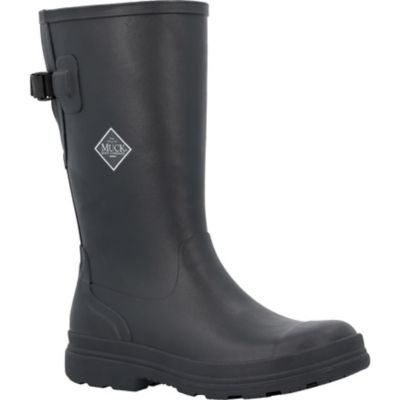
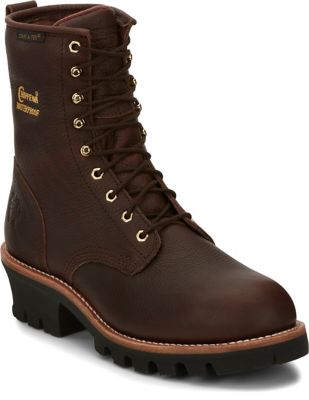
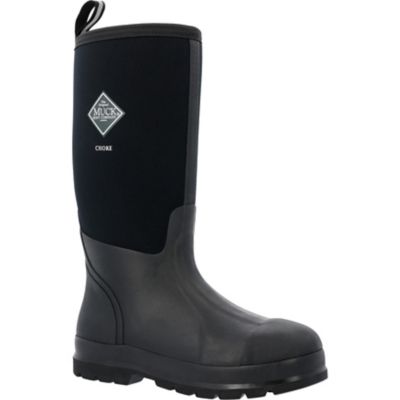
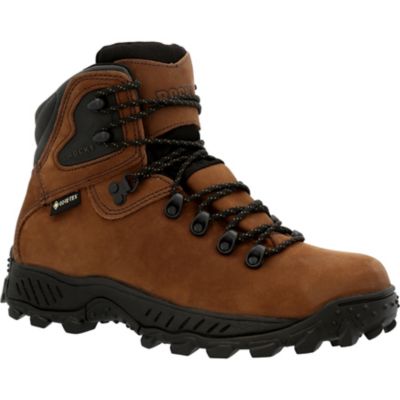
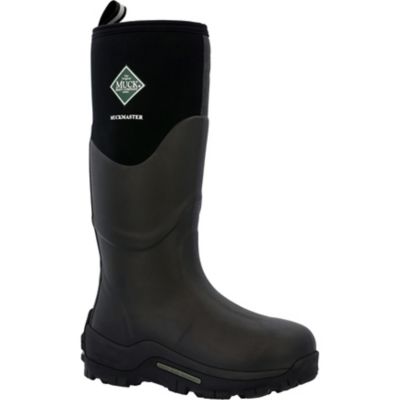
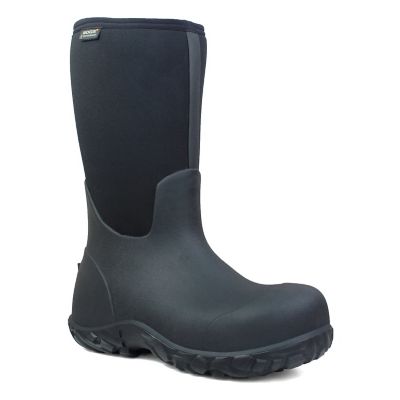
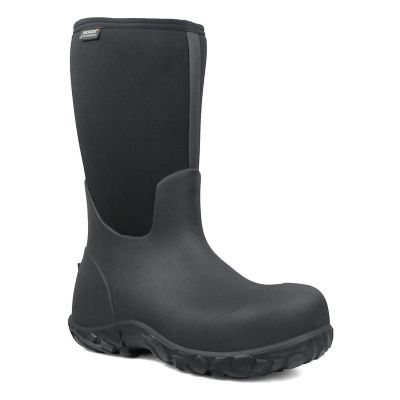
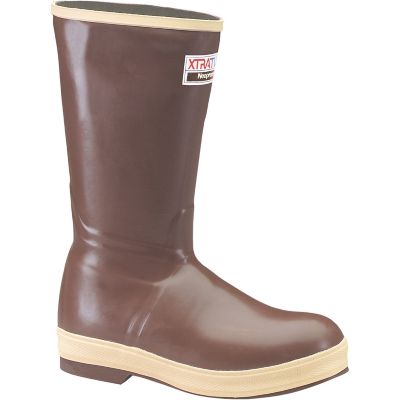
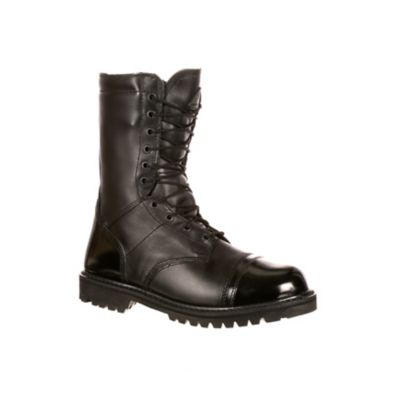
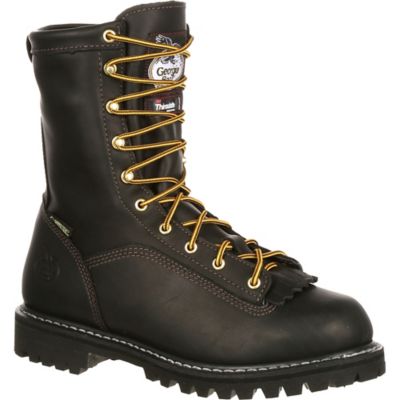
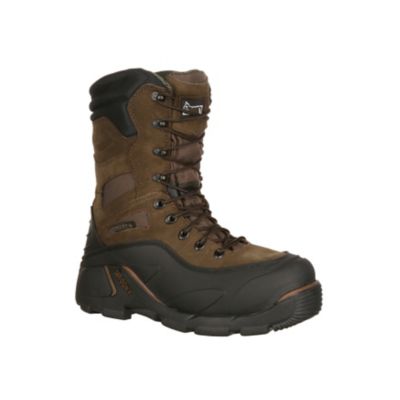
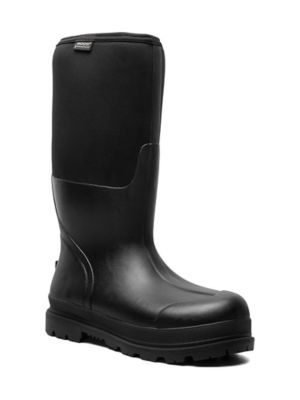
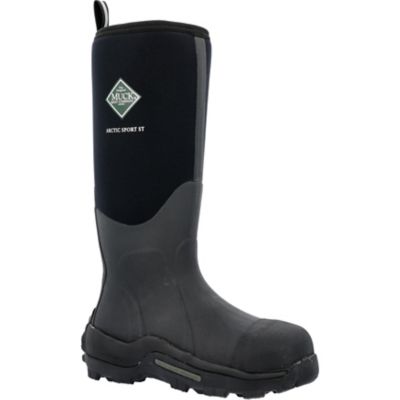
Insulated waterproof work boots help keep feet warm and dry through feeding rounds, fence checks and muddy trips to the barn. Compare men's and women's lace-up and pull-on styles, then narrow your choice by insulation, boot height and the kind of ground you work on.
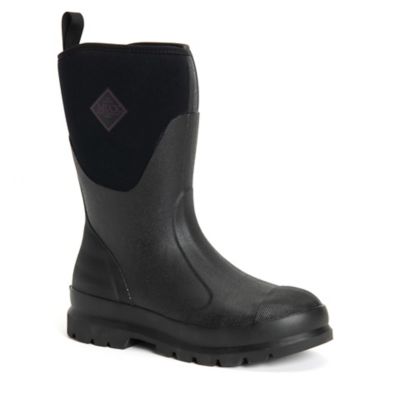
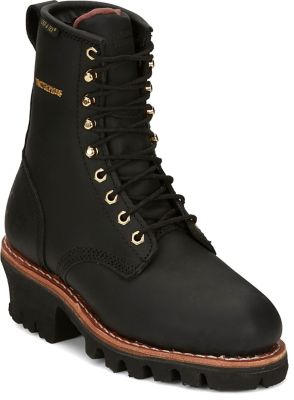
$243
.74
Sale Was $324.99 Save $81.25 (25%)
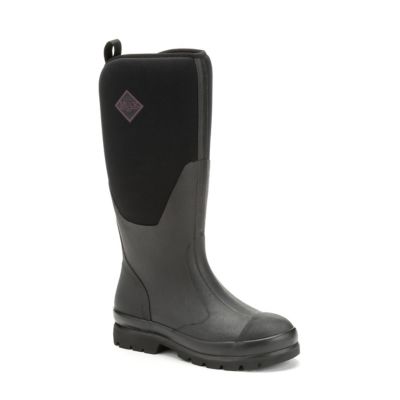
$108
.79
Sale Was $135.99 Save $27.20 (20%)
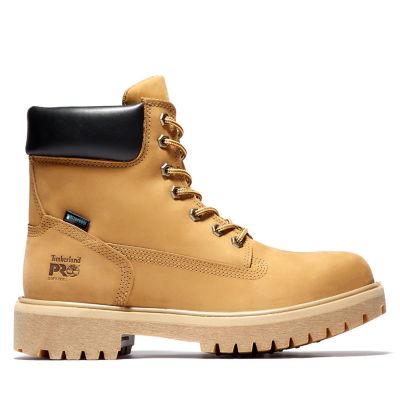
$128
.79
Sale Was $160.99 Save $32.20 (20%)
$90
.74
Sale Was $120.99 Save $30.25 (25%)
$143
.24
Sale Was $190.99 Save $47.75 (25%)
$139
.49
Sale Was $185.99 Save $46.50 (25%)
$151
.99
Sale Was $189.99 Save $38.00 (20%)
$165
.74
Sale Was $220.99 Save $55.25 (25%)
$159
.99
Sale Was $199.99 Save $40.00 (20%)
$154
.49
Sale Was $205.99 Save $51.50 (25%)
$191
.99
Sale Was $239.99 Save $48.00 (20%)
$127
.99
Sale Was $159.99 Save $32.00 (20%)

$194
.99
Sale Was $259.99 Save $65.00 (25%)
$120
.74
Sale Was $160.99 Save $40.25 (25%)
$144
.79
Sale Was $180.99 Save $36.20 (20%)
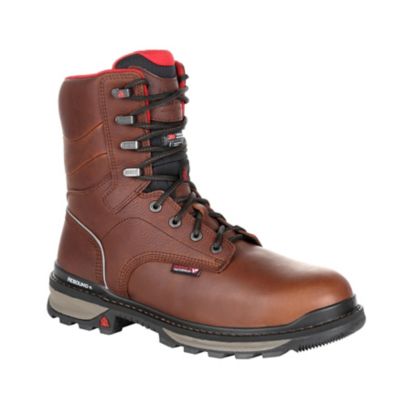
$167
.99
Sale Was $209.99 Save $42.00 (20%)
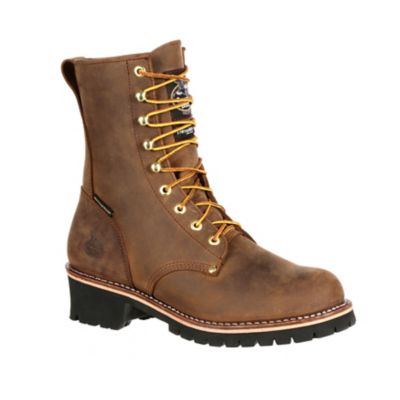
$143
.99
Sale Was $179.99 Save $36.00 (20%)
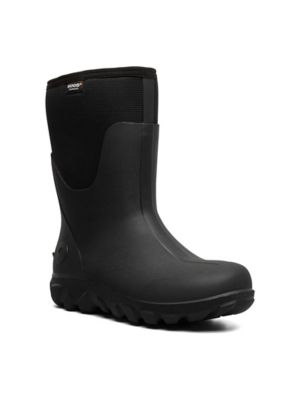
$105
.74
Sale Was $140.99 Save $35.25 (25%)
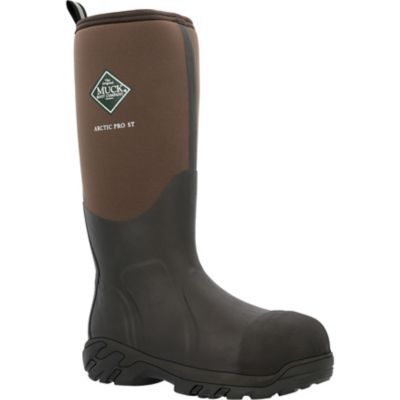
$156
.79
Sale Was $195.99 Save $39.20 (20%)
$149
.99
Sale Was $199.99 Save $50.00 (25%)
$179
.99
Sale Was $239.99 Save $60.00 (25%)
Best Of FAQ
What materials are common in insulated waterproof work boots?
Common materials include leather, rubber and neoprene, sometimes combined with textile panels. Inside, boots may have synthetic-fiber insulation, insulating foam or a separate lining. Check the construction details for each pair.
What do grams and millimeters mean on boot insulation labels?
Grams typically describe the weight per square meter of a synthetic insulation material, while millimeters describe the thickness of materials such as neoprene foam. They're different measurements, so they aren't directly interchangeable.
How do lace-up and pull-on work boots differ?
Lace-up boots have laces threaded through eyelets or hooks. Pull-on boots have no laces and may include pull tabs or handles. Both styles can have insulation and waterproof construction; the closure alone doesn't identify those features.
How should I clean insulated waterproof work boots?
Brush off loose dirt, then follow the maker's directions for the outer material. Leather may call for a suitable cleaner and conditioner, while rubber and neoprene may have different care instructions. Check those directions before applying any treatment.
How should I dry my boots after wet chores?
Open the boots and remove removable footbeds if the care instructions allow it. Let them dry in a ventilated spot away from direct heat. Before using a boot dryer, check that its heat setting is appropriate for the boot's materials and follow both manufacturers' directions.
Best Sellers
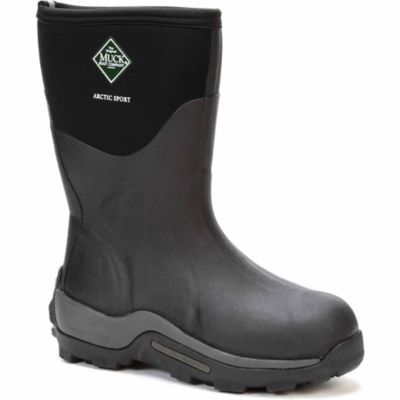
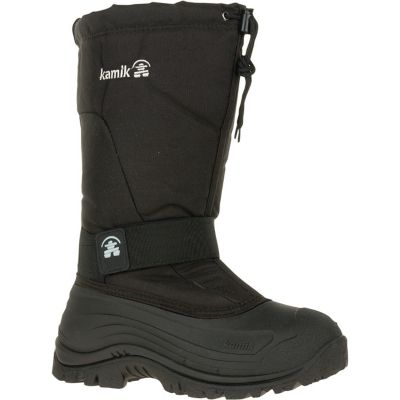

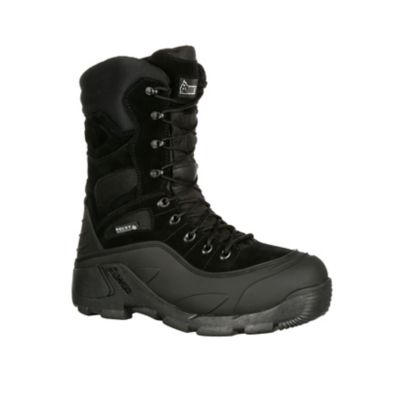
-
"Best pair of police boots I ever had. I polish them once a week and the last forever"
-
"They are also quite heavy, great news for durability but slightly unwieldy for everyday life for me as"
-
"Great boots so far. Wore them loose for a day and no problems breaking them in"
-
"Great product for a Great price"
-
"Have not put the new pair on, but have been wearing the 5212s for over 30 years..at least 25 pairs..best"