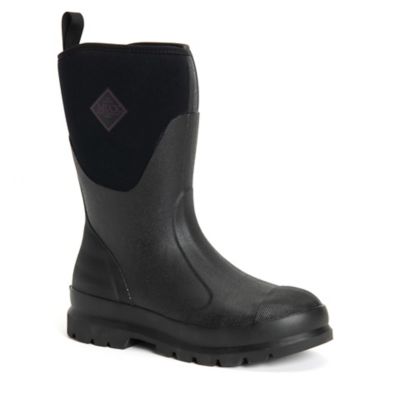
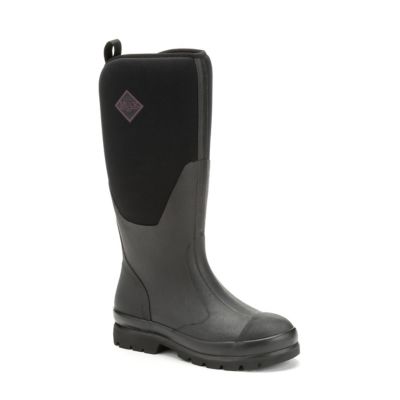
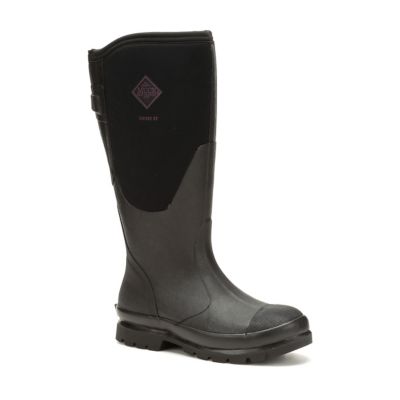
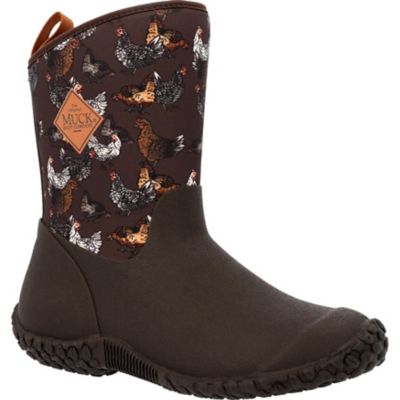
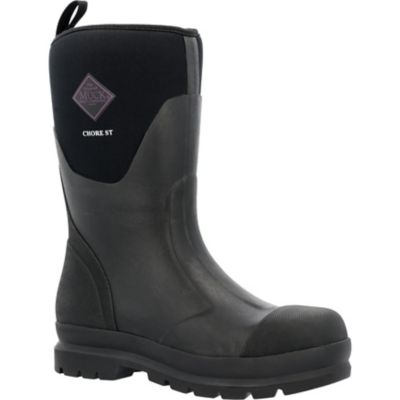
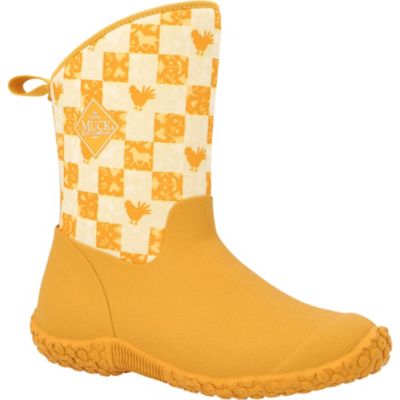
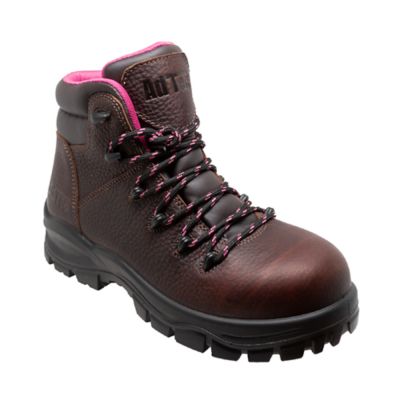
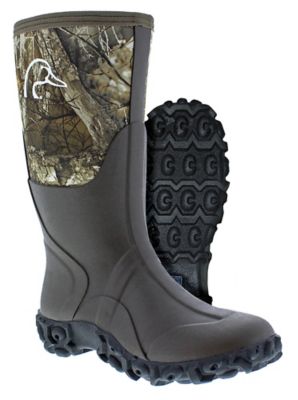
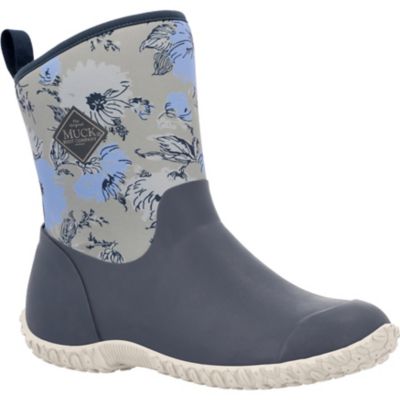
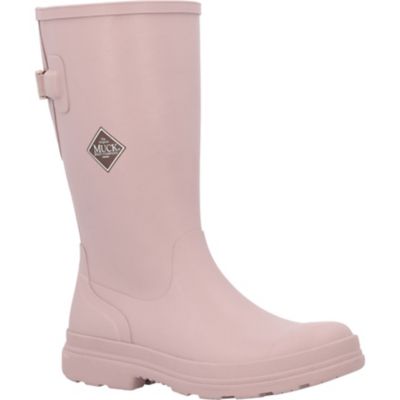
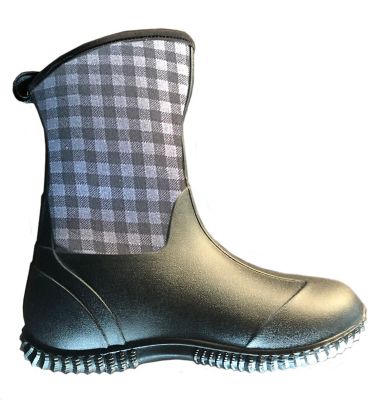
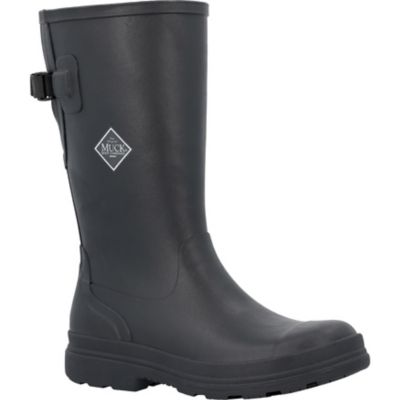
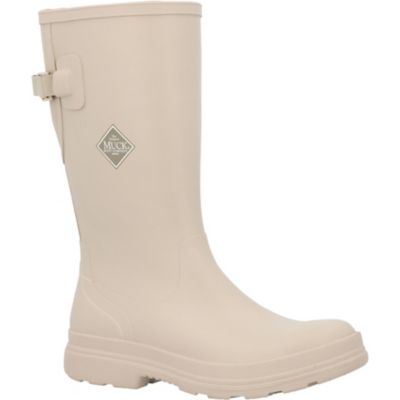
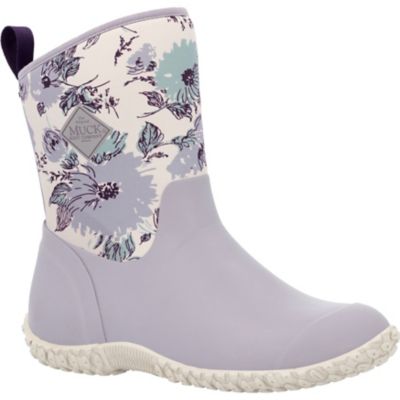
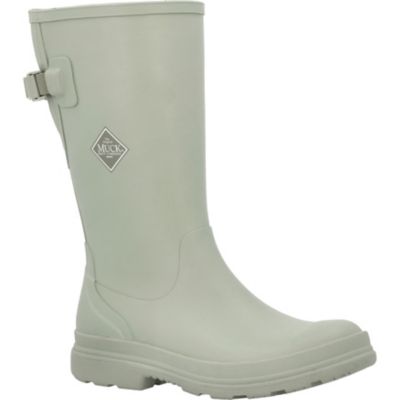
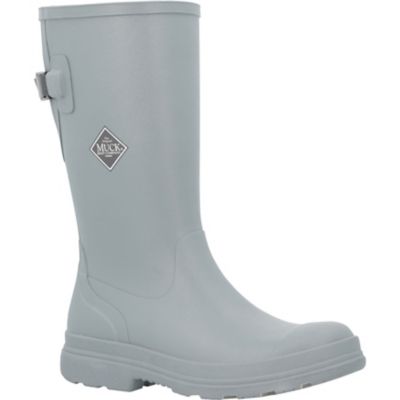
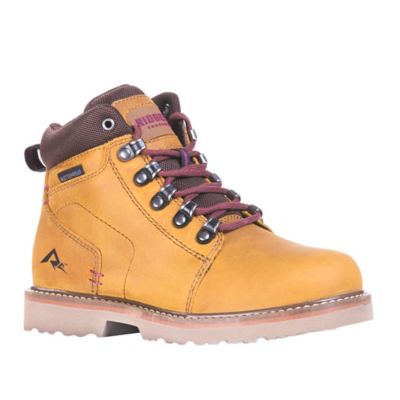
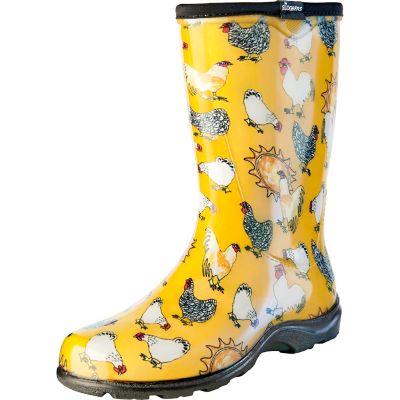
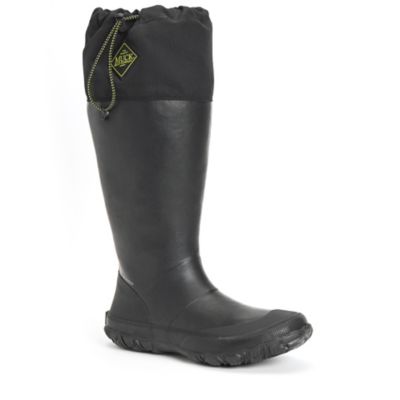
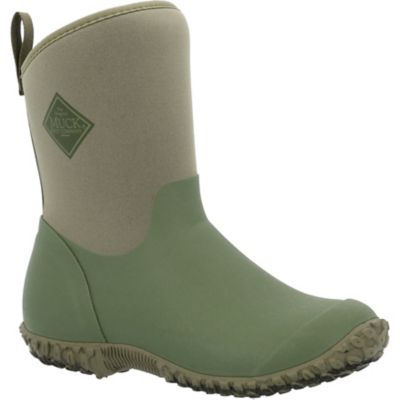
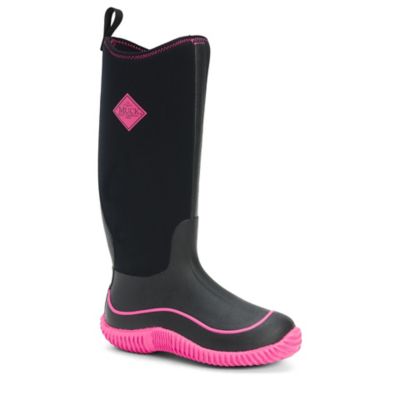
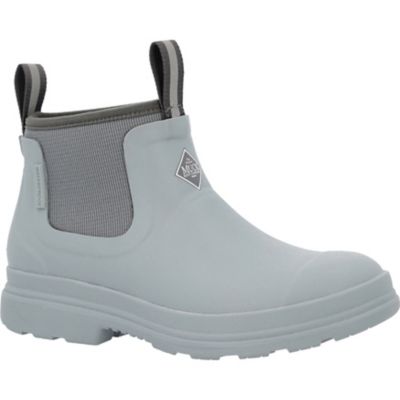
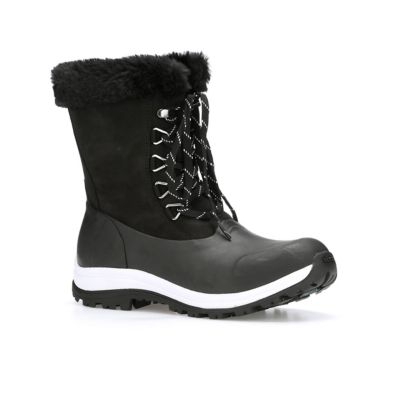
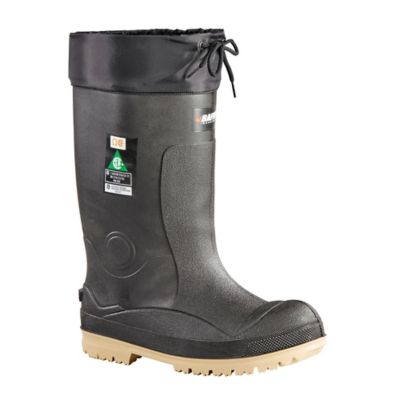
Women's waterproof chore boots earn their place by the back door when the path to the barn is muddy, the water trough needs scrubbing, or a trip across the pasture means stepping through wet grass. They're practical footwear for women tending livestock, feeding chickens, working in a garden, or keeping a small acreage running. The right pair brings together a water-blocking exterior, a comfortable fit, and a sole suited to the ground underfoot, without making every step feel like a workout. Rubber is a familiar material for chore boots because its smooth surface sheds mud and rinses off easily. Some styles combine a rubber lower section with a flexible neoprene upper, while others have a molded shell or a waterproof membrane beneath an outer material. Each construction feels a little different around the ankle and calf. A softer shaft can bend more easily when crouching beside a feeder, while a more structured boot may feel steadier when carrying buckets over uneven ground. The shape and height matter just as much as the material. An ankle-height boot can make quick trips between the house and shed less cumbersome, while a mid-calf or taller shaft offers more coverage against splashes and muddy vegetation. That extra height doesn't make a boot suitable for water above its opening, though, and bending or kneeling can bring the top closer to a puddle than expected. Reinforcement around the toe and heel can help with the repeated bumps and scrapes that come with barn work, but a reinforced toe isn't necessarily a safety toe. Waterproof construction also doesn't automatically mean insulation. Uninsulated styles and insulated styles serve different needs, especially when chores involve either steady walking or long stretches standing at a gate. For a farmhand, horse owner, gardener, or someone who simply spends plenty of time outside, these details make chore boots feel suited to the job rather than just another pair of boots.
A comfortable fit has room for the socks worn on the job, enough space for toes to move, and a heel that doesn't slide excessively with every stride. Women's waterproof chore boots can vary in width, shaft shape, and footbed feel, so the size marked inside is only part of the picture. A snug instep may help hold a pull-on boot in place, but pressure across the top of the foot can become bothersome during a long stretch of chores. Calf fit deserves attention, too. A shaft that presses tightly against the leg can make tucked-in pants uncomfortable, while an opening that's much too roomy can let in grass clippings, bedding, or splashed water. Adjustable openings, flexible panels, and pull tabs can make getting dressed for chores a little easier, depending on the design. Inside the boot, cushioning can take some of the sting out of standing on concrete while washing feed pans or sweeping a barn aisle. Footbed support and boot weight also affect how a pair feels after repeated trips between the hay shed and the fence line. Thick socks shouldn't have to compensate for a boot that's too large, and piling on socks in a tight boot can leave feet feeling crowded. Underfoot, tread shape has a real part to play. Deeper, widely spaced lugs can help with footing on soft ground and give mud somewhere to clear, while shallower patterns may be easier to brush clean before stepping into a mudroom. No tread grips every surface equally well; wet boards, smooth concrete, and algae around a watering area still call for care. For work involving heavy equipment, falling objects, or other workplace hazards, safety ratings matter beyond waterproofing alone. A boot meant for feeding and mucking out may not meet the requirements of a particular jobsite. Matching the boot's construction to the actual work helps keep the focus on the next task, whether that's hauling a hose or opening a stubborn pasture gate.
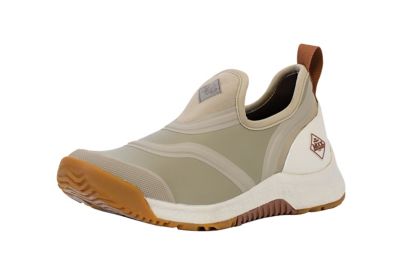
Regular care helps waterproof chore boots stay ready for the next round of work. Mud, manure, and grit are easier to deal with before they dry into thick layers around the sole and shaft. A rinse and a soft brush can clear away everyday buildup, followed by cleaning with a product suited to the boot's material and the maker's care directions. Rubber, leather, and fabric panels don't all respond to the same treatments, so a cleaner intended for one shouldn't automatically go on another. The outsole deserves a look, too, especially when small stones or packed bedding fill the tread. Letting boots dry in a ventilated spot away from direct heat helps protect their shape and materials. Setting them against a stove, radiator, or strong heater can damage some constructions, even when the outside looks tough enough to take it. Removable liners or footbeds, when included, can be taken out for drying as directed. Waterproof exteriors keep outside moisture from entering through the protected areas, but perspiration can still leave the inside damp after active work. Giving that moisture time to escape makes the next wear more comfortable. Occasional checks around flex points, seams, and the junction between the upper and sole can reveal cracks or separation before the next muddy outing. For tasks that call for less leg coverage,
women's waterproof work shoes offer a lower-cut option, though they leave more of the ankle exposed to splashes and debris. Chore boots also make a practical gift for someone settling into a new place, tending a growing flock, or spending more time around horses. Knowing her shoe size, calf fit, and usual chores makes that gift more useful than guessing from looks alone. From rinsing out buckets to walking a damp fence line, a well-fitting pair belongs with the everyday gear that helps get the work done and keeps muddy tracks out of the house.