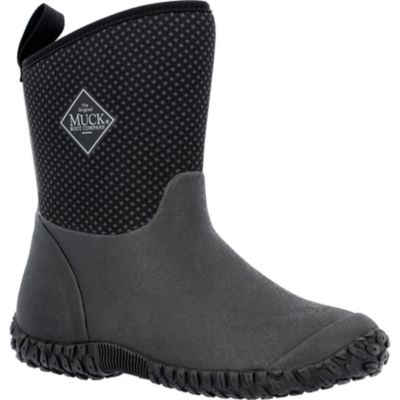
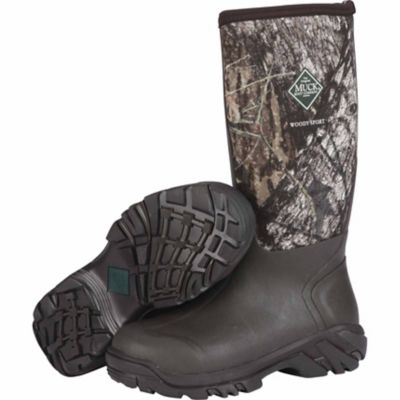
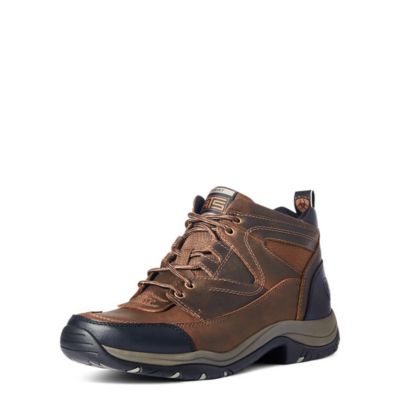
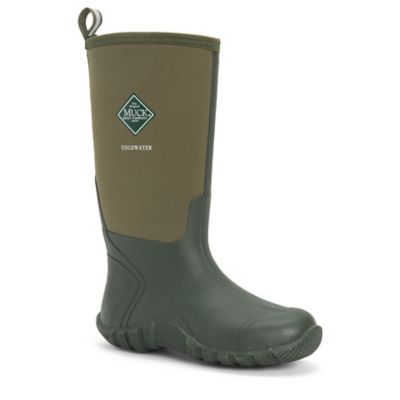
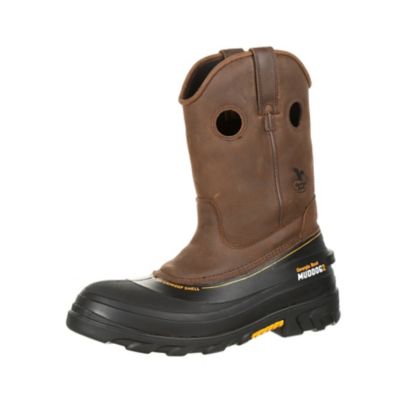
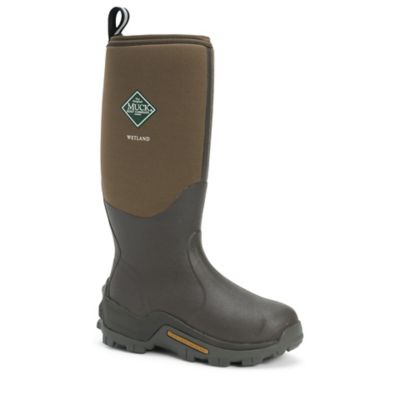
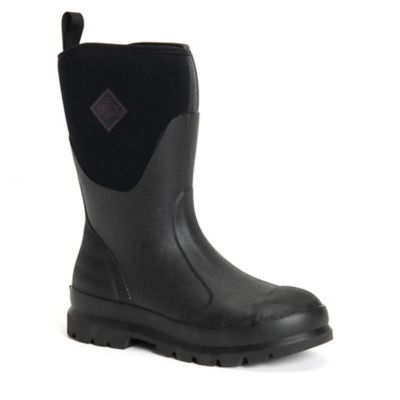
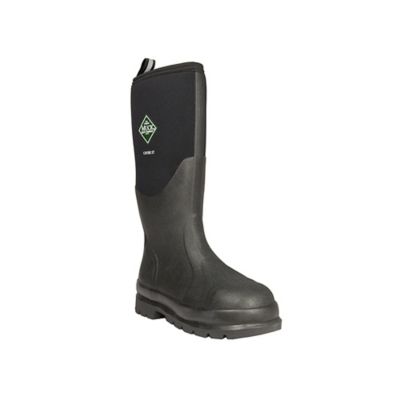
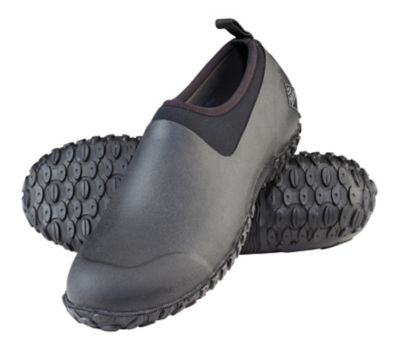
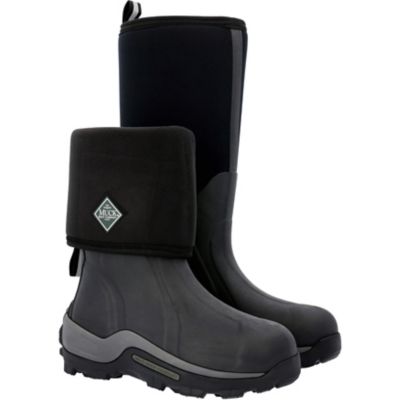
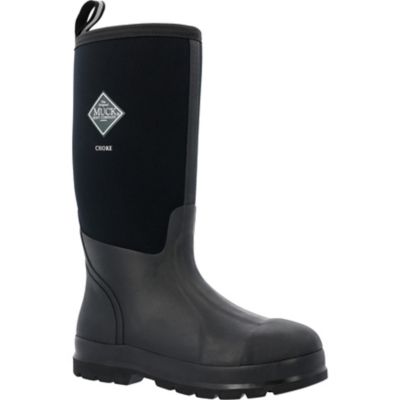
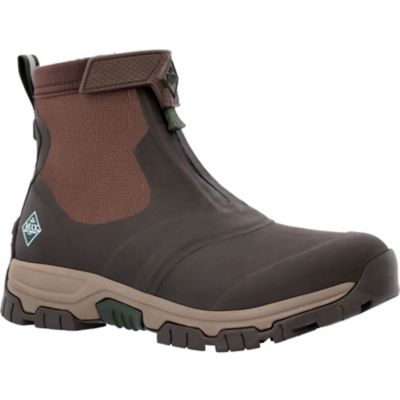
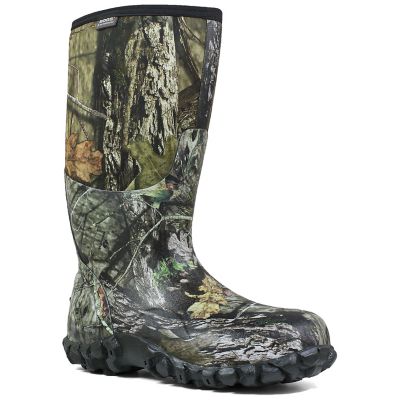
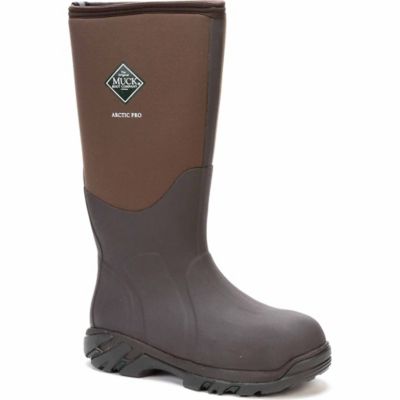
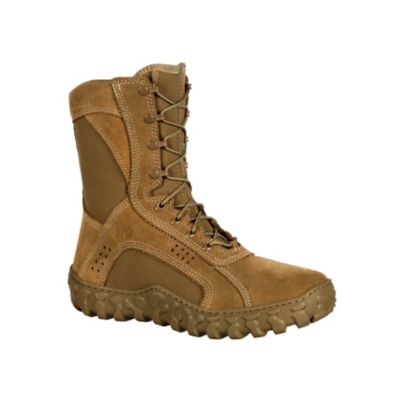
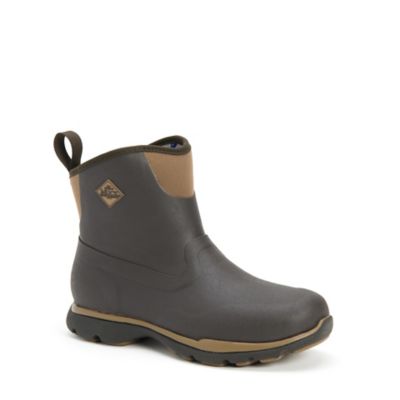
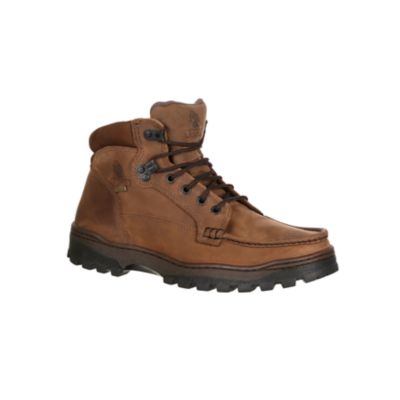
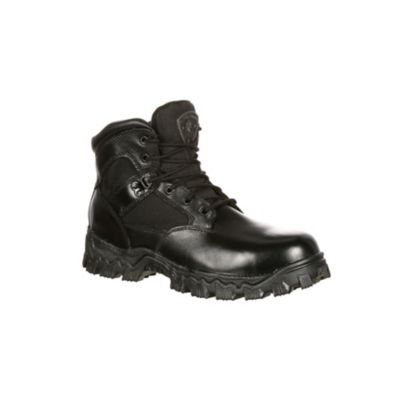
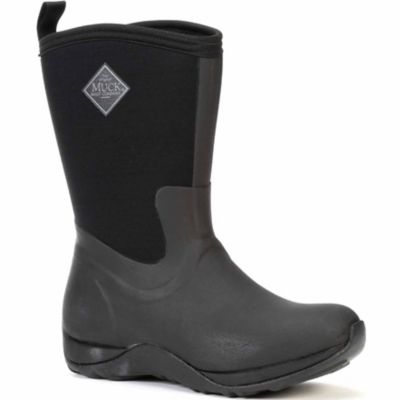
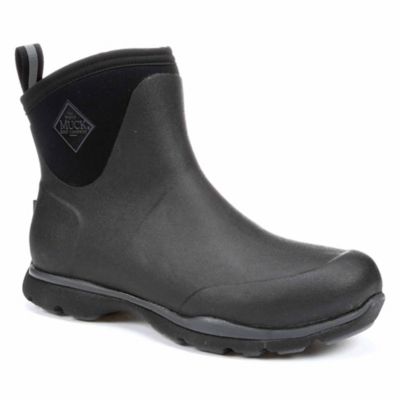
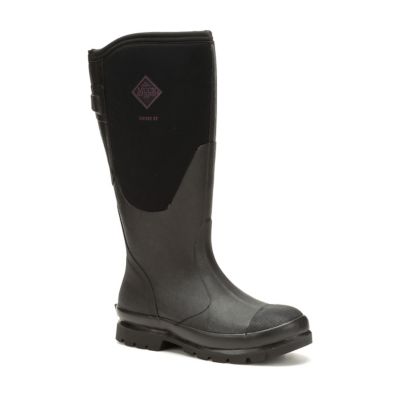
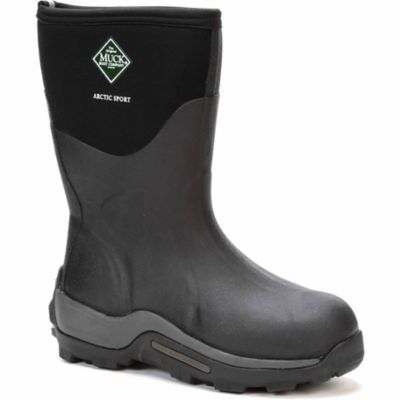
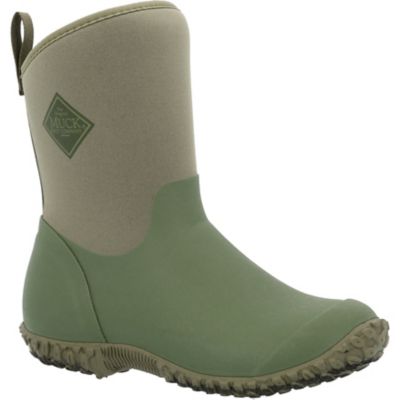
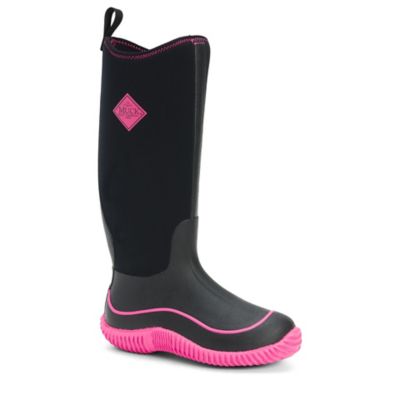
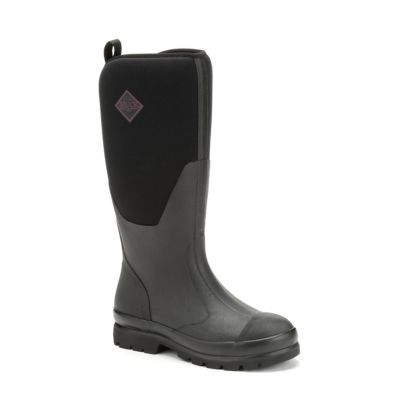
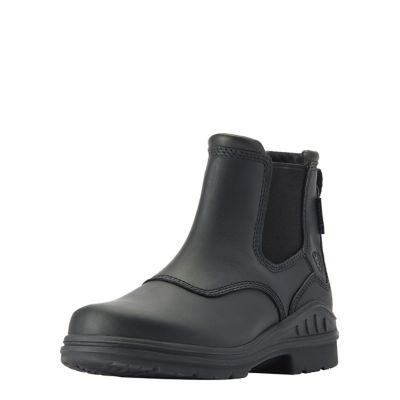
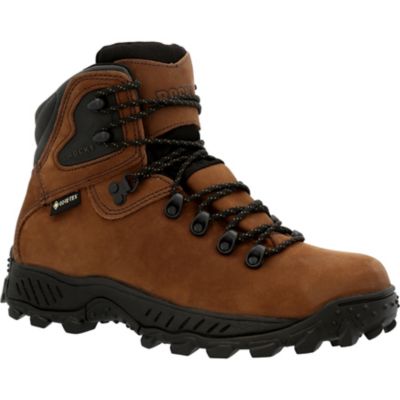
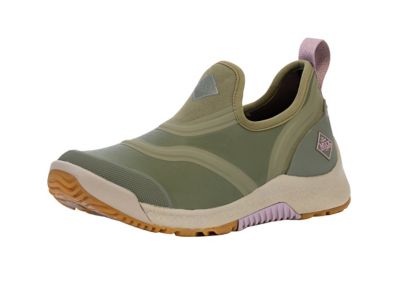
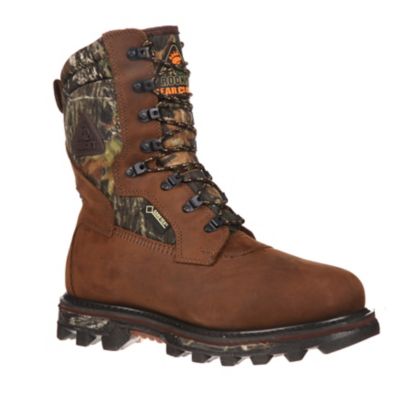
Waterproof boots for outdoor activities help keep feet dry, steady and comfortable when the ground turns muddy, trails get slick, or wet grass soaks through ordinary shoes. They can be a handy choice for hikers, hunters, campers, gardeners, farmers, ranchers, dog walkers and anyone who spends time outside through changing weather. A dependable pair is useful on a wooded trail after a stretch of rain, around the barn during an early morning chore, or while working in the yard when the soil is soft underfoot. Waterproof boots are also a practical gift for someone who enjoys camping, fishing, hiking, hunting or weekend work outdoors. When choosing a pair, start by thinking about where and how they will be worn. A boot made for short walks and yard work may be lighter and more flexible, while a boot for rough trails or long days outside may offer a taller shaft, firmer ankle support and a more protective sole. Waterproof construction can include a waterproof membrane, coated materials, sealed seams and a gusseted tongue that helps keep water from entering around the laces. These details matter because even a sturdy outer material can let moisture in through stitching, the tongue or the collar if the boot is not built to block water throughout. Look for clear information about waterproofing rather than assuming every boot labeled for outdoor use will keep feet dry in puddles or steady rain. A waterproof boot can help shed rain and surface water, but water may still enter over the top if it is not tall enough for the conditions. For muddy paths, wet fields and shallow streams, consider the boot height along with the type of waterproof protection. A low-cut style may feel nimble for easy walks, while a mid-height boot can offer added coverage and support on uneven ground. Taller options may be helpful for deeper mud, brush and wet grass, especially when paired with pants that fit over or inside the boot opening.
Traction is another important part of choosing waterproof outdoor boots. Wet rocks, exposed roots, packed clay, loose gravel and slick boards can all make footing less certain, so check the outsole for a durable rubber design with a tread pattern suited to the terrain. Deep, well-spaced lugs can help push through mud and provide grip on rough ground, while a more closely patterned sole may be comfortable for everyday walking and chores. No outsole eliminates every slipping hazard, but a stable tread, a secure fit and a sensible pace can make a noticeable difference. Ankle support also deserves attention. Mid-height boots can help brace the foot and ankle when walking across ruts, hills and uneven trails, while lower profiles generally allow more freedom of movement for lighter activities. For long hikes or full days on the job, look for cushioning underfoot, a supportive footbed and enough room for the toes to move without the heel lifting excessively. Try boots on with the socks you expect to wear, preferably later in the day when feet may be slightly swollen. Toes should not press against the front when walking downhill, and the heel should stay reasonably secure without painful rubbing. A little break-in time may be normal for firmer leather or heavily structured boots, but sharp pressure points, pinching and numbness are signs to try a different fit. Breathability matters, too. Waterproof boots are designed to keep outside moisture away, but feet can still get warm during active use. Moisture-managing socks can help move sweat away from the skin, and removable footbeds can make it easier to air out boots after a long day. Avoid putting wet boots directly beside a high-heat source, which can damage adhesives, dry out leather or warp materials. Instead, remove the insoles, loosen the laces and let the boots dry in a well-ventilated place. Regular care helps preserve the waterproof finish and keeps dirt from working into seams and tread.
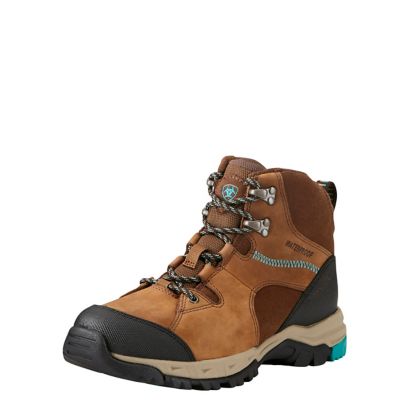
The best waterproof boots for outdoor activities match the demands of the wearer, the terrain and the season. For warm-weather walks, garden chores and casual camp use, a lighter waterproof boot may be more comfortable and easier to pull on and off. During cooler months, insulated boots can help hold warmth in cold conditions, especially for hunters waiting outdoors, people feeding livestock before sunrise or families spending time at fall events and outdoor gatherings. Insulation is not always necessary for active hiking, though, since a heavily insulated boot can feel too warm when the wearer is moving steadily. Consider the socks, activity level and typical temperature before choosing extra warmth. Hunters and wildlife watchers may also value quiet materials, camouflage colors or a sole that handles soft ground, while anglers and campers may focus on water protection, easy cleaning and secure footing near shorelines. For farm and ranch work, durability, a protective toe, dependable traction and a boot opening that helps keep out debris may be more important than a lightweight design. For family walks, recreational hiking and dog walks, comfort, flexibility and a manageable weight can make it easier to stay outside longer. Women looking for a more shaped fit and a hiking-inspired design can browse
Waterproof Hiker Boots Women's for options suited to wet paths and everyday outdoor use. Before heading out, check that laces or closures are secure, socks are free of wrinkles and the tread is clear of packed mud. Afterward, brush away dirt, rinse off heavy grime as needed and let the boots dry fully before storing them. Keeping boots clean and dry can help extend their useful life, maintain traction and make them ready for the next rainy trail, muddy chore or cool-weather adventure. With the right combination of waterproof protection, comfortable fit, ankle support, traction and insulation, outdoor boots can become a reliable part of everyday gear from the warmer stretch of the year into the cooler months.