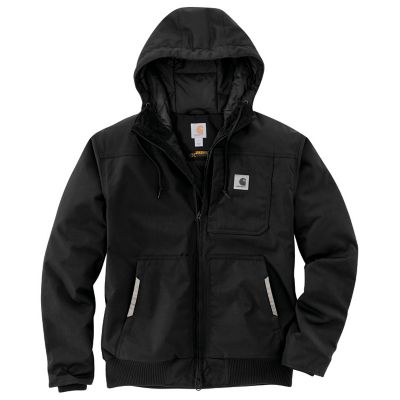
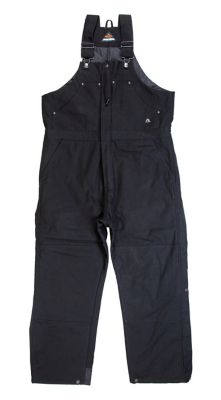
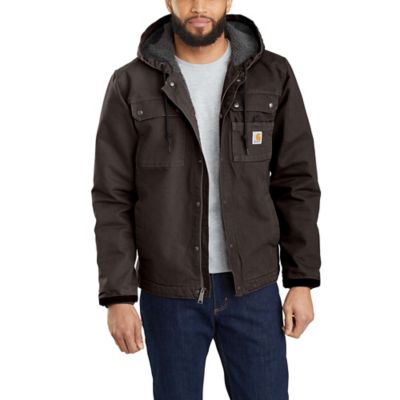
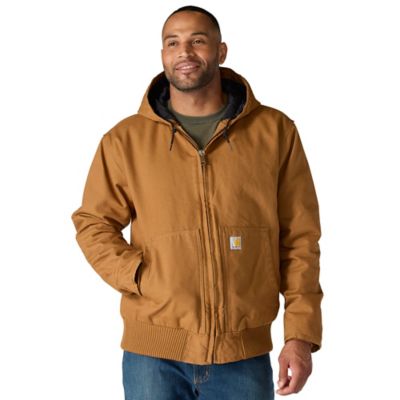
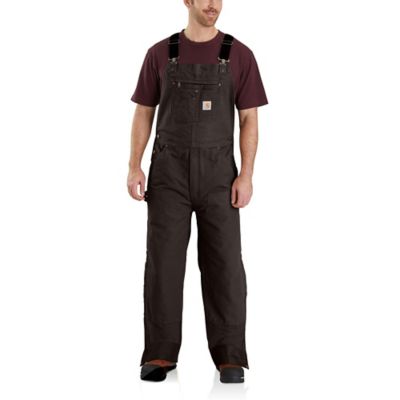
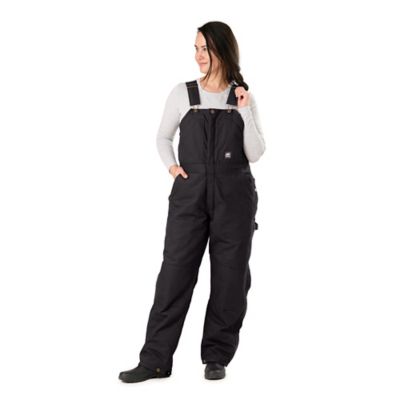
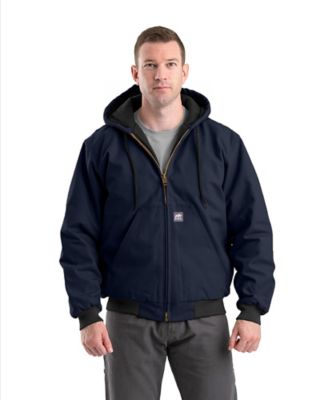
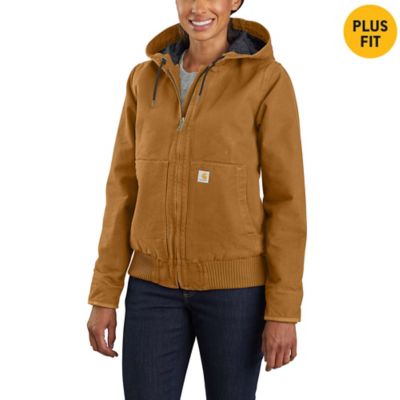
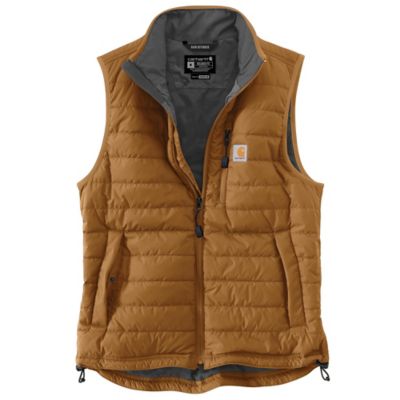
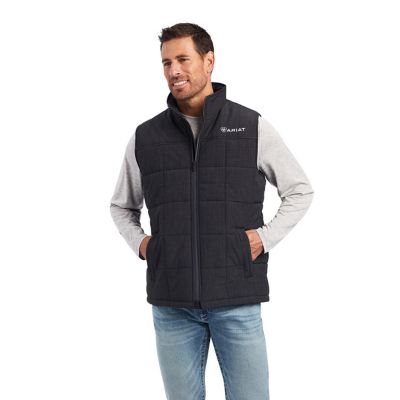
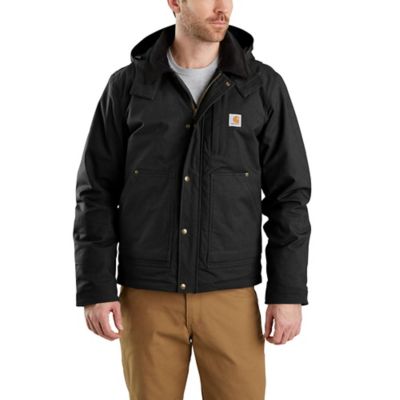
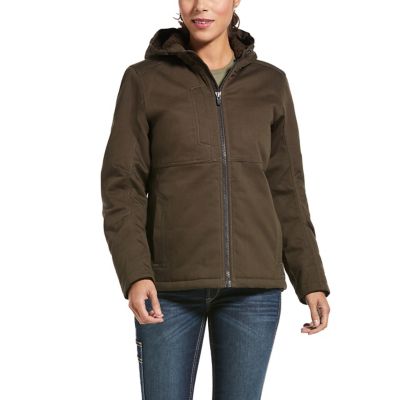
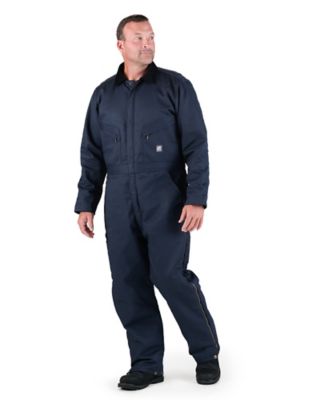
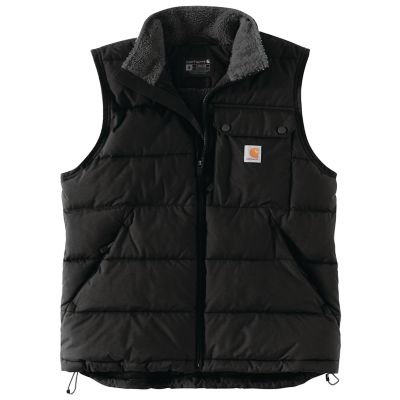
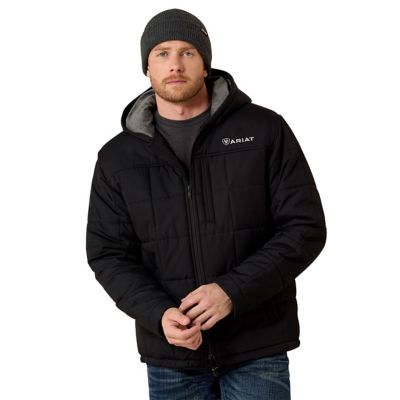
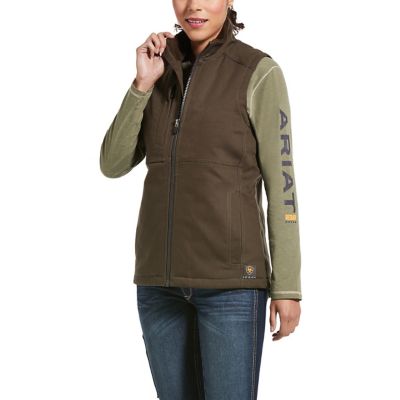
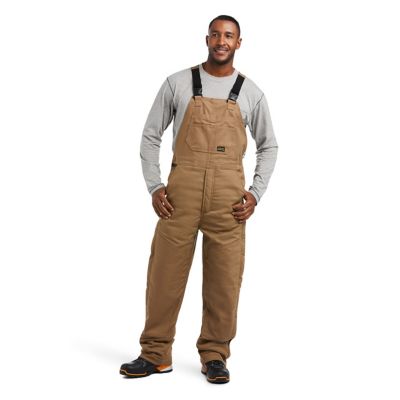
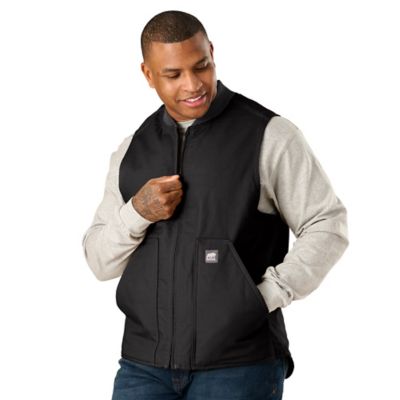
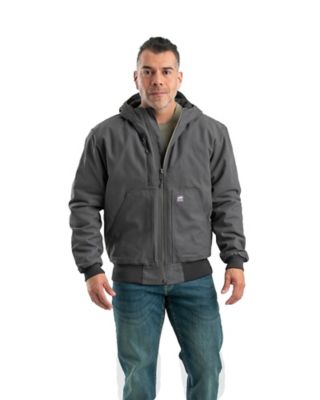
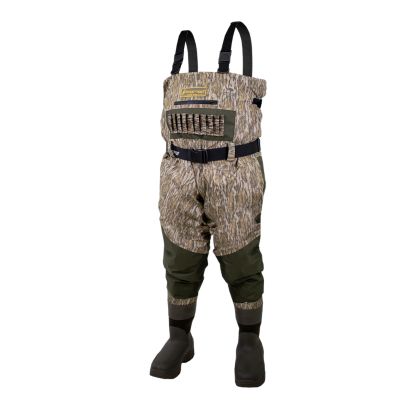
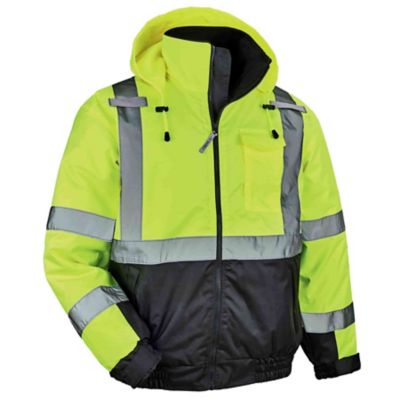
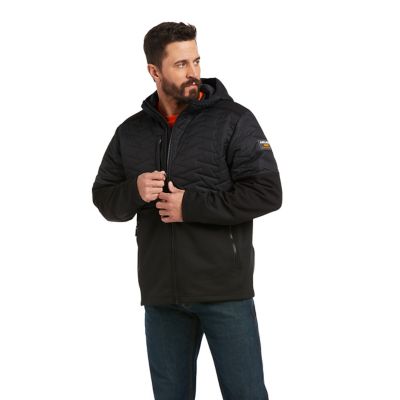
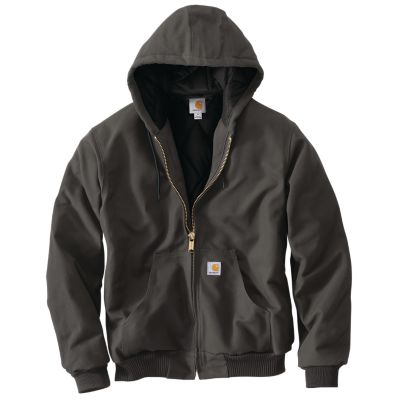
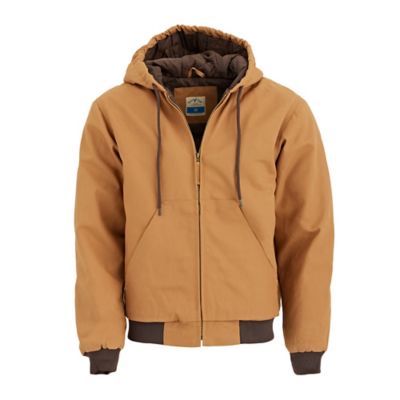
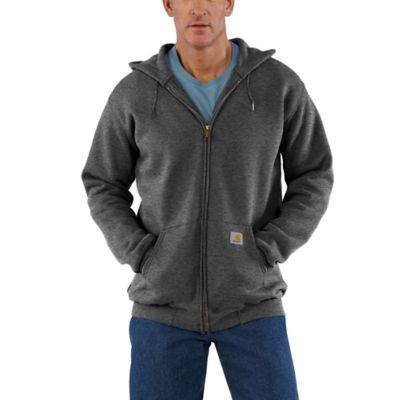
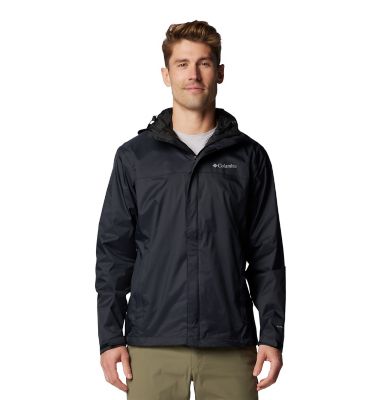
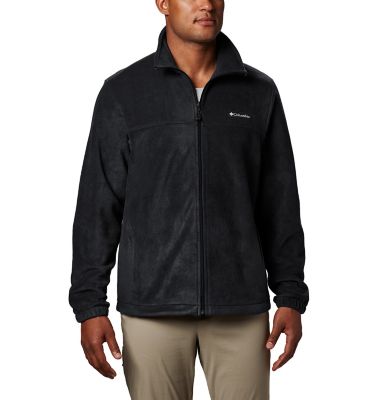
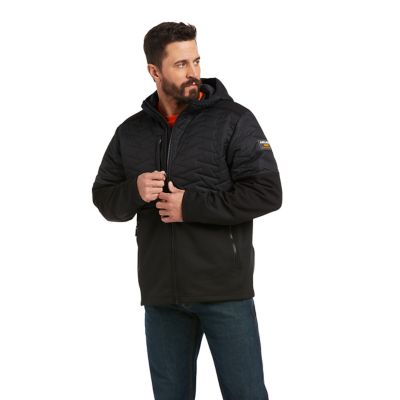
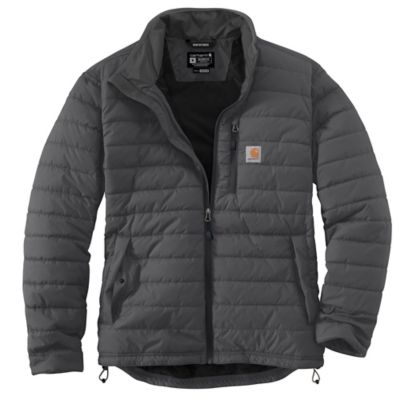
Insulated clothing helps hold onto the body heat you work hard to create, making cold-weather chores, outdoor jobs, travel and everyday errands more comfortable. Whether you are feeding animals before sunrise, checking a fence line in a sharp wind, walking the dog, watching a ballgame or heading into town, the right insulated layer can take the bite out of cooler conditions without weighing you down. Insulation works by trapping warm air close to your body. Common fill materials include down feathers and synthetic fibers, and each has useful strengths. Down offers an excellent warmth-to-weight ratio and compresses easily for packing, making it a favorite for cold, dry conditions and anyone who values a lighter feel. Synthetic insulation is often a practical choice for damp weather, active work and changing conditions because it continues to provide warmth when it gets somewhat wet and generally dries faster. Insulated coats, jackets, vests, bibs, coveralls, gloves, hats and other cold-weather layers can all play a part in building a comfortable outfit. When choosing insulated clothing, start with the conditions you expect to face and the amount of movement your day requires. A person standing at a chilly outdoor event may want more loft and coverage than someone hauling feed or splitting firewood, since physical work generates more heat. Look for a fit that leaves enough room for a base layer and, when needed, a fleece or other mid layer without feeling bulky through the shoulders and arms. A longer hem can help cover the lower back while bending, reaching or sitting, and an adjustable hood, cuffs and waistband can help keep cold air from sneaking in. Zippered pockets are handy for keys, gloves and a phone, while durable outer fabric matters when clothing may brush against brush, rough boards, gates or equipment. For additional cold-weather options, browse
Men's Insulated Winter Jackets.
The most dependable way to dress for changing outdoor temperatures is to use a three-layer system. Begin with a moisture-wicking base layer that fits fairly close to the skin and moves sweat away as you work. Synthetic fabrics and merino wool are popular choices because they can help manage moisture and temperature; cotton can hold perspiration next to the skin and leave you feeling chilled once activity slows. Add an insulating middle layer, such as a fleece, down-filled piece or synthetic insulated jacket, to trap warm air around your torso. Finish with an outer shell that helps block wind and rain, especially when working across open ground or spending time in exposed areas. In dry weather, an insulated layer may be all you need over a base shirt, while wet or windy conditions call for extra protection. Pay attention to the details that make clothing easier to live in: a smooth lining that slips over work shirts, two-way zippers for sitting or climbing, roomy arm movement, reinforced areas and machine-washable care instructions can make a noticeable difference over a long season. Down should be kept as dry as possible because moisture can reduce its loft and insulating power. Synthetic fill is often better suited to mist, wet snow and jobs where clothing may encounter damp hay, dew or light rain, though a protective shell is still useful. Insulated clothing also makes a thoughtful gift for someone who spends time outdoors, from a new homeowner learning the ropes of property care to a relative who enjoys hunting, fishing, camping, hiking or tending animals. Consider their usual activities, preferred fit and local weather before choosing a weight or style. A vest can keep the core warm while leaving the arms free for work, while a full jacket, bib or coverall offers more coverage for prolonged time outside. Gloves, socks, hats and neck gaiters can round out a cold-weather setup and help protect the areas where heat escapes most easily. Store clean, fully dry insulated garments according to the care label, and avoid crushing lofty fill for long periods when possible. With thoughtful layering and a fit suited to the job, insulated clothing can help you stay warm, comfortable and ready for the next chore as the weather shifts from mild days to cooler months.