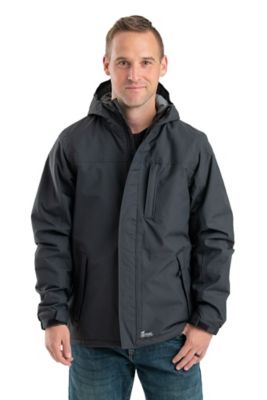
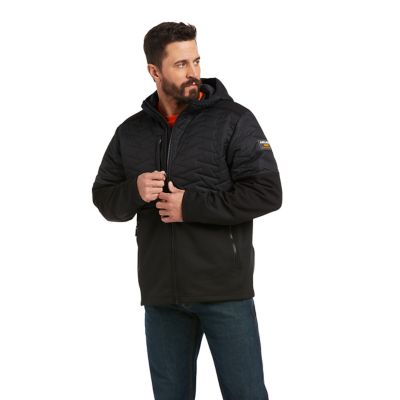
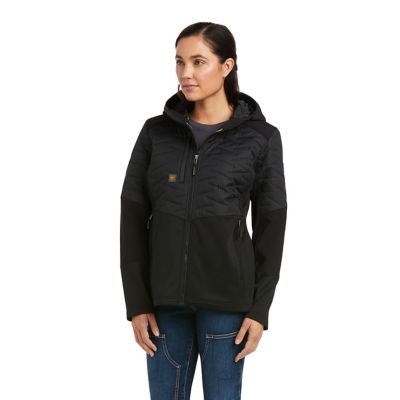
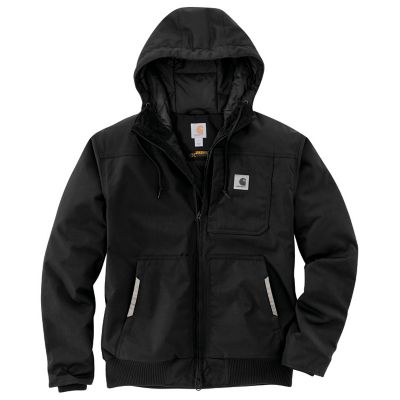
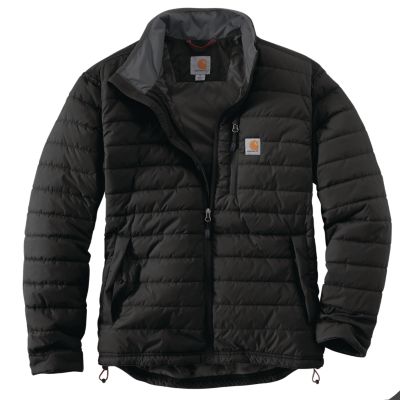
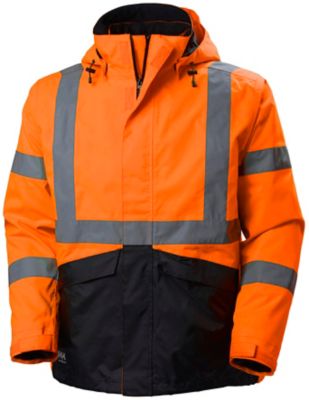
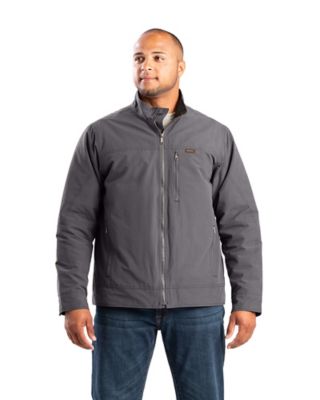
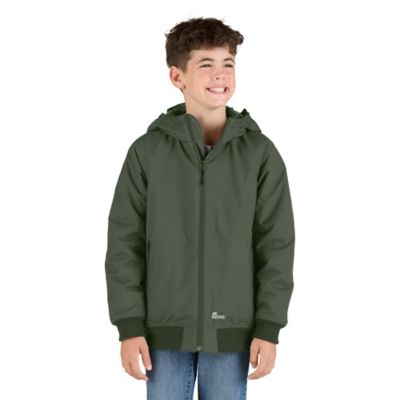
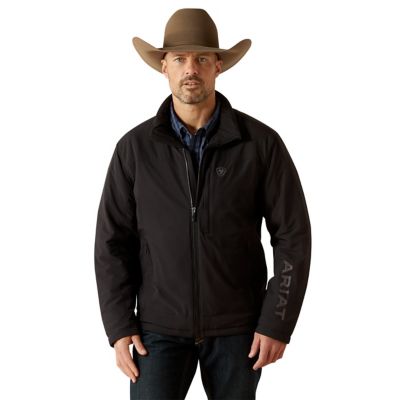
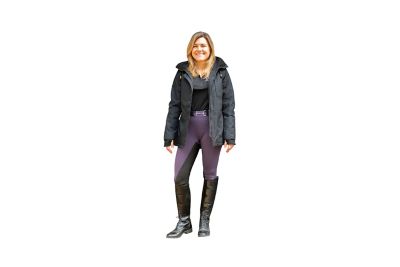
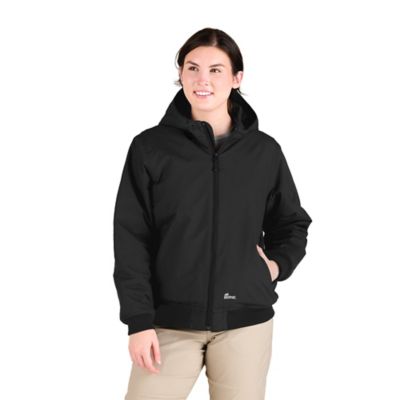
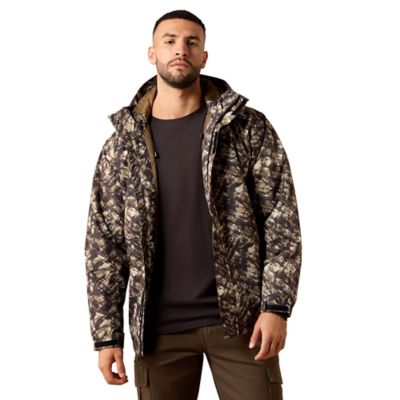
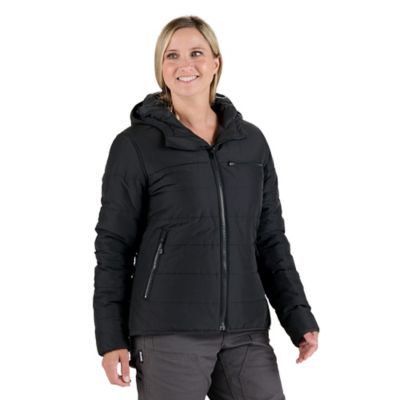
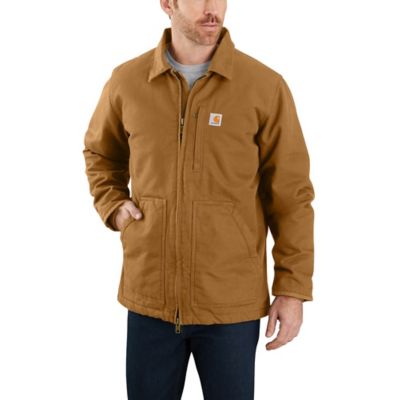
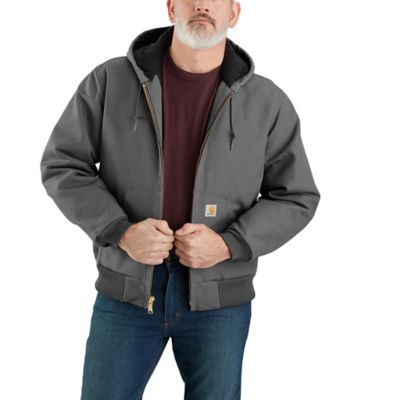
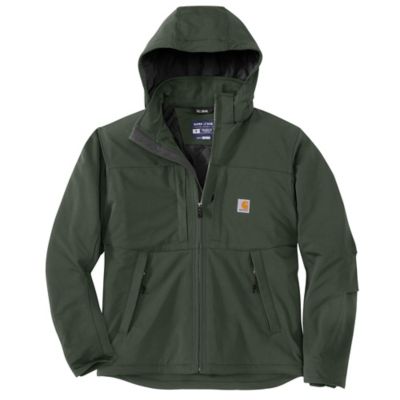
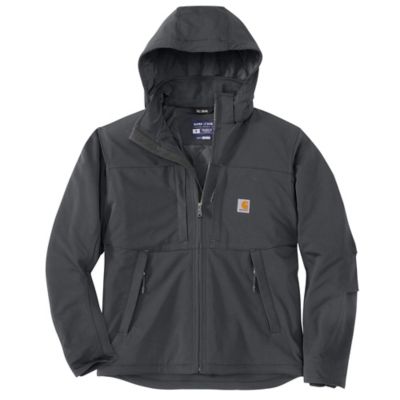
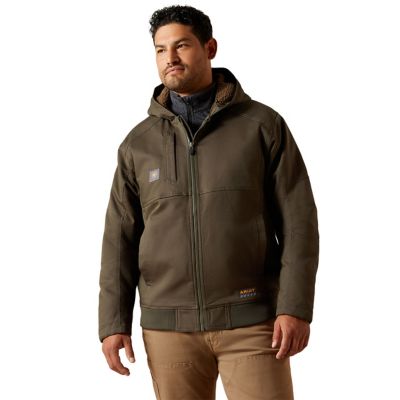
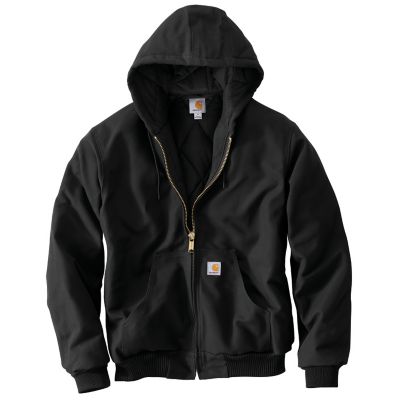
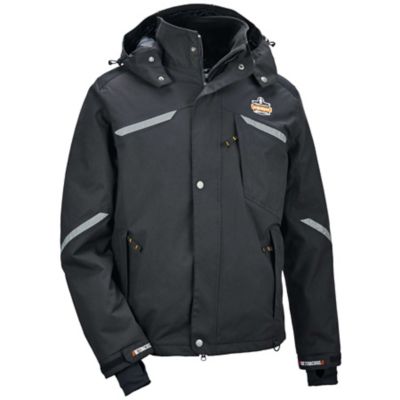
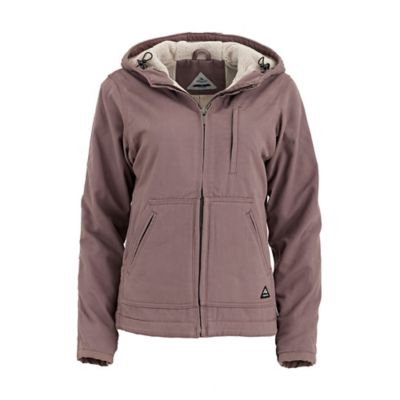
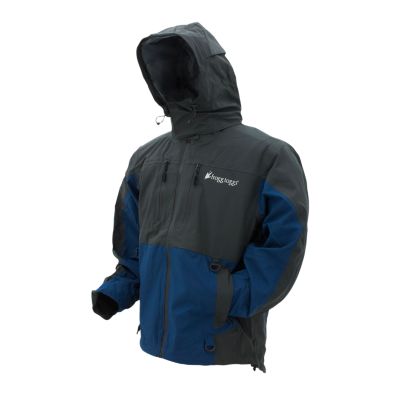
An insulated waterproof jacket is built for the kind of weather that can change between the feed store and the back forty. It combines a water-resistant or waterproof outer shell with a layer of insulation, helping block rain, sleet, wet snow and cold wind while holding in body heat. That combination makes these jackets useful for farm chores, outdoor work, commuting, travel, hiking, watching ball games and everyday errands during the cooler months. A good insulated waterproof jacket can keep a shirt dry beneath the shell while the lining adds comfortable warmth, whether you are walking a dog before daylight, checking a fence line under a gray sky or standing beside a chilly livestock trailer. When comparing jackets, start with the conditions you expect to face. A fully waterproof shell offers more protection in steady rain than a jacket labeled water resistant, which may be better suited to light drizzle or brief exposure. Look for waterproof-breathable construction if you plan to stay active, since a breathable membrane can help moisture from perspiration move away from the body instead of leaving you clammy inside. Seam sealing matters, too. Water can work its way through tiny openings around stitched panels, so critically seam-sealed construction helps protect key areas, while fully seam-sealed construction provides more complete coverage. Details such as a storm flap over the front zipper, adjustable cuffs, a drawcord hem and a hood that can be tightened around the face all help keep cold air and wet weather from finding a way in. A jacket should feel comfortable over the layers you normally wear without hanging loose enough to let heat escape. Try to leave room for a flannel shirt, sweatshirt or light sweater, especially if the jacket will be used for early-morning chores or long stretches outdoors.
Insulation is another important part of choosing an insulated waterproof jacket. Synthetic insulation is a practical choice for damp conditions because it continues to provide warmth when exposed to some moisture and generally dries more readily than traditional down. It also works well for hard-use outerwear that may be worn around brush, tools, animals and muddy paths. Down insulation can feel light and warm, but it may lose loft when it becomes wet, so the shell and intended conditions deserve close attention. Jacket warmth may also be described by insulation weight, fill amount or a general warmth rating, though these details are not always measured the same way from one garment to another. Consider how much time you spend standing still versus moving. Someone splitting firewood or hauling bedding may appreciate a lighter layer with good breathability, while a person checking water tanks at dawn may want more substantial insulation and a longer cut. Length makes a difference in comfort: a hip-length jacket allows easy movement around a tractor seat or truck cab, while a longer jacket can provide extra coverage when wind blows across an open lot. Check the pocket layout before choosing. Zippered hand pockets help keep gloves, keys and a phone secure, and chest or interior pockets can give small essentials a dry place to ride. A hood that adjusts over a cap is handy for outdoor work, while a removable hood may be preferable if you frequently move between indoor and outdoor spaces. Look at the zipper pulls and cuff tabs as well; oversized pulls are easier to handle with cold fingers or work gloves. For men shopping across a range of cuts and insulation levels, the selection of
Men's Insulated Winter Jackets can make it easier to compare practical options for work, recreation and daily wear.
An insulated waterproof jacket can also make a thoughtful gift for anyone who spends time outside, from a new homeowner learning the rhythm of winter chores to a student walking across campus in wet weather. It is useful for hunters, anglers, hikers, dog owners, delivery drivers, coaches, campers and folks who would rather be outdoors than stuck inside when the forecast turns rough. For a gift, pay attention to the recipient's usual clothing layers and preferred fit. A roomy jacket may be appreciated by someone who wears heavy hoodies, while a trimmer cut can work well for commuting or active use. Neutral colors tend to fit easily into an everyday wardrobe, and a jacket with a simple, durable design can move from a morning hardware run to an afternoon on the trail without looking out of place. Before wearing it in serious weather, check the care label and follow the recommended washing instructions. Some waterproof shells need a mild cleaner, a low-heat drying cycle or occasional re-treatment to help maintain water-shedding performance. Avoid harsh detergents and fabric softeners when the manufacturer advises against them, since they can affect coatings or breathable finishes. Hang the jacket to dry fully before putting it away, especially after a wet day in the truck or barn, and inspect zippers, cuffs and seams from time to time. The right insulated waterproof jacket should feel like dependable gear rather than something precious: warm enough for a cold gate latch, dry enough for a passing shower and flexible enough to wear through a full day of changing conditions. With the right balance of insulation, waterproof protection, breathability, fit and useful details, it can become the outer layer you reach for whenever dark clouds gather and the air starts to turn sharp.