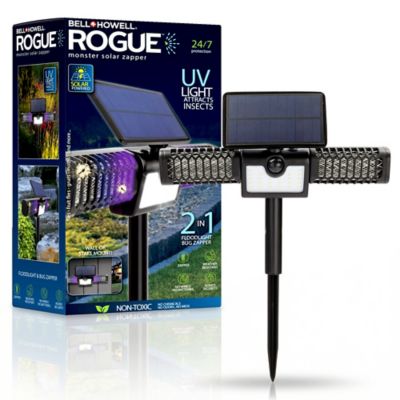
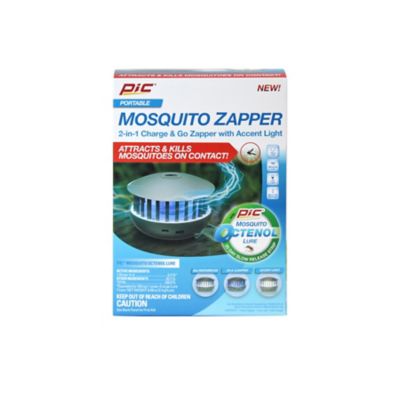
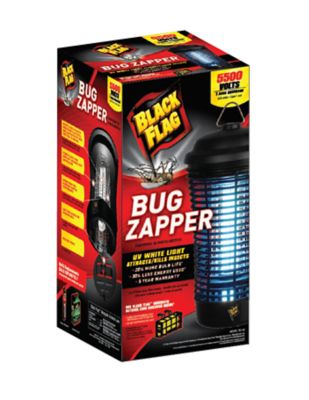
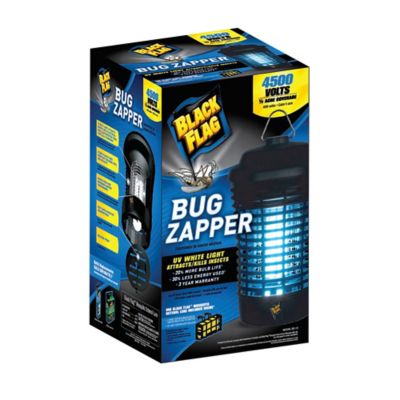
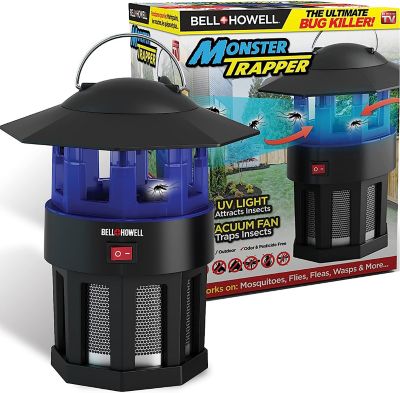
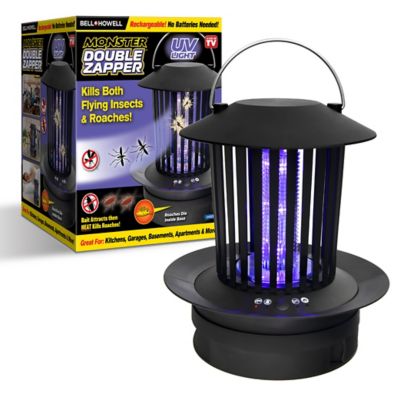
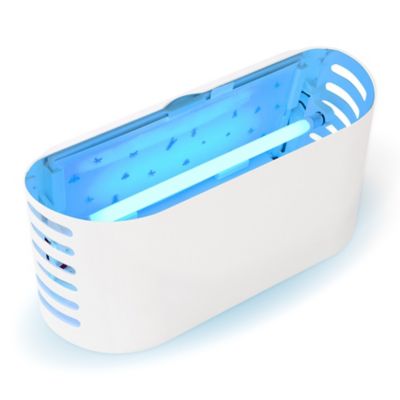
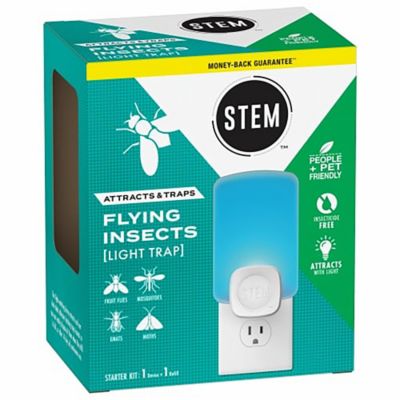
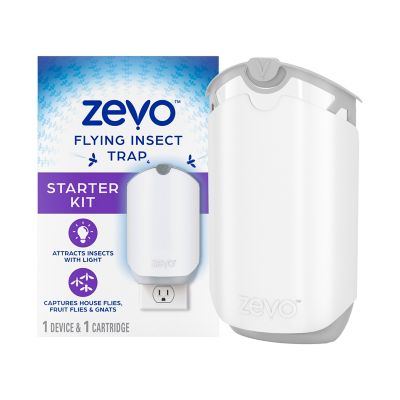
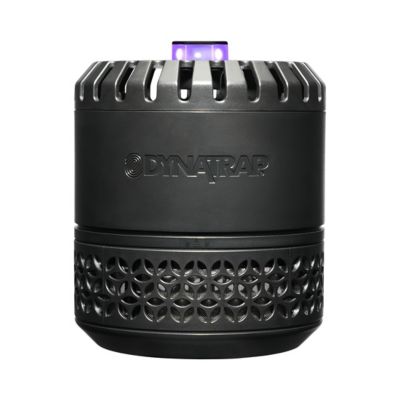
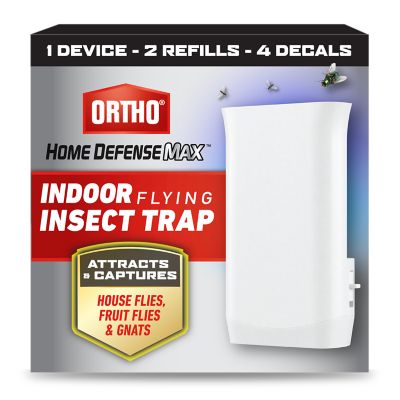
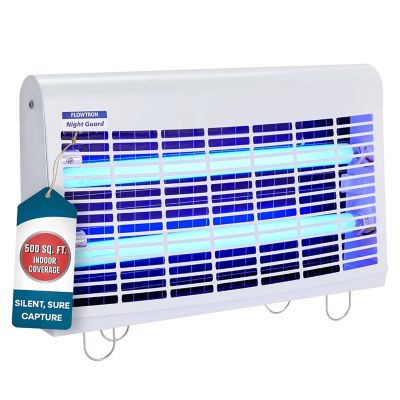
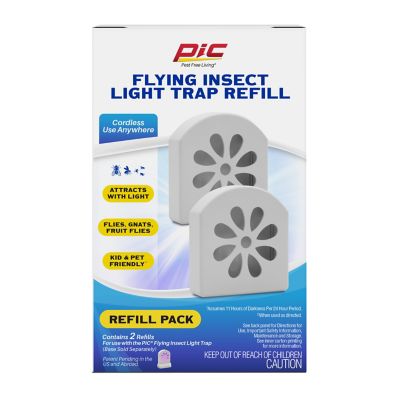
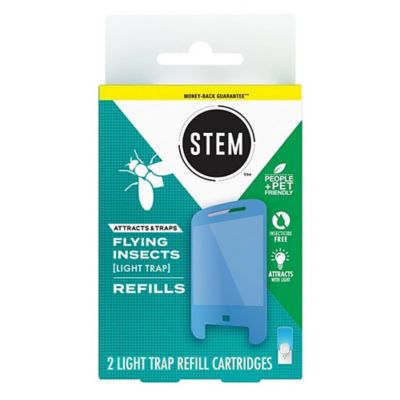
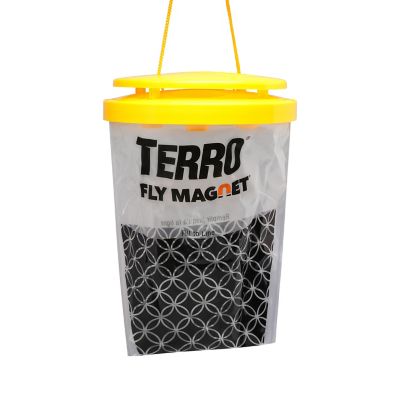
Insect light traps attract certain flying insects with ultraviolet (UV-A) or blue light, then capture them on a sticky glue board or kill them with an electric grid, depending on the design. They can help manage light-attracted flies, gnats, and small moths around the house, garage, or other spaces listed for the trap’s intended use. The light draws insects toward a capture area rather than letting them keep circling a room. Glue-board traps hold insects on an adhesive surface, often behind a cover that keeps the catch out of sight. Electric-grid traps kill insects on contact with an energized grid and may have a collection tray beneath it. Those two approaches suit different settings: a quiet glue-board design can make sense near a household living area, while a grid-style unit may fit a work space where its sound and visible catch are less of a concern. Neither design attracts every kind of flying insect equally. Fruit fly response varies by species and trap design, and the tiny flies around a sink or potting bench may need attention at their breeding source. Mosquitoes respond to signals beyond light, including carbon dioxide and body odors, so a light trap alone is not a substitute for mosquito bite prevention. Around a rural home, a suitable trap might help catch stray flies in a mudroom between trips to the barn or monitor flying insects in a garage with frequent foot traffic. A barn or livestock area calls for a closer look at the manufacturer’s location restrictions, since dust, moisture, and animal activity can make an ordinary indoor trap unsuitable. A good fit starts with the insect problem and the space, not simply the brightness of the lamp. Trapping works alongside tight screens, well-fitting doors, covered trash, and prompt cleanup of spilled feed or pet food. That combination addresses both the insects already flying around and the conditions that keep bringing more of them in.
Insect light traps come in plug-in, tabletop, hanging, and wall-mounted designs, so physical fit matters just as much as the trapping method. A compact plug-in design takes up little room, but it still needs enough clearance to leave its light and capture openings unobstructed. Larger housings need a secure mounting surface or a steady spot where chores, swinging doors, and passing equipment will not knock them around. Wall-mounted and hanging designs can free up a workbench, provided their mounting height and clearance follow the manufacturer’s directions. Cord length, outlet location, and access for maintenance also affect how comfortably a trap fits into everyday routines. An indoor rating does not cover a damp location, and an outdoor rating does not automatically make a unit suitable for a dusty feed room or an animal enclosure. Coverage ratings offer a starting point for comparing designs, but walls, shelving, partitions, and competing light can affect how well insects see the trap. A unit tucked behind storage bins cannot draw insects as effectively as one with an unobstructed light source. Placement visible through an open doorway may also draw insects toward the building, working against the goal of keeping them out. Around food, feed, and preparation surfaces, both trap style and placement deserve extra attention. Electric grids can scatter insect fragments, and traps should not sit above exposed food or clean utensils; commercial food-handling spaces also have sanitation requirements to follow. Housing materials matter for upkeep, too. Smooth plastic surfaces can be straightforward to wipe down, while corrosion-resistant metal may suit certain utility spaces when the location rating allows it. Removable trays, accessible glue-board compartments, protective guards, and mounting hardware all influence everyday handling. Homes with children or pets need a location that keeps cords, adhesive, and energized parts out of reach without blocking the trap’s intended operation.
Ongoing care is part of owning an insect light trap, whether it sits near a back entry or hangs in a permitted work area. Glue boards gradually lose open catching space as insects and dust collect, so replacement needs depend on the setting as well as the manufacturer’s schedule. A busy entryway or dusty room may call for more frequent checks than a quieter household space. Replacement boards need to match the trap’s specified size and design so they sit correctly without covering the light or obstructing an opening. Electric-grid models also need attention to collection trays and buildup around the grid, with cleaning handled according to the manual. Electrical traps should be unplugged before maintenance, and any additional electrical-safety directions need to be followed before opening the housing. Water, spray cleaners, and stiff tools can damage components when the manufacturer does not permit them. Lamps deserve attention even when they still appear lit: visible brightness alone does not show whether an aging UV lamp is producing enough of the wavelengths that attract insects. Specified replacement intervals, compatible lamps, and the service requirements of LED designs all factor into long-term upkeep. Alongside other
Insect Controls, light traps fit best into a routine that also tackles insect entry points and breeding sites. Covered feed containers, clean pet bowls, emptied trash, clear drains, and prompt removal of animal waste can make a meaningful difference. A trap’s catch can also help reveal a pattern, such as flies collecting near a frequently opened door or small moths appearing beside stored animal feed. That information points attention toward the source instead of leaving the trap to do all the work. Outdoor-rated light traps need thoughtful placement as well, since light can attract non-target insects along with nuisance pests. The most practical choice is a trap matched to the insects, the location, and the amount of upkeep that fits the household or property—not simply the biggest light or the loudest zap.