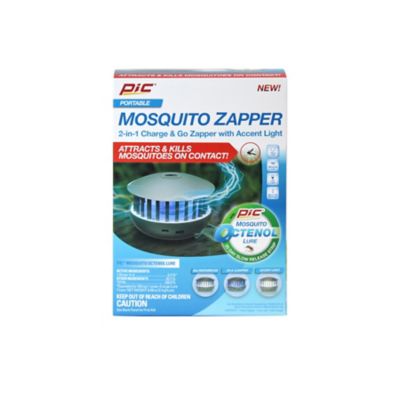
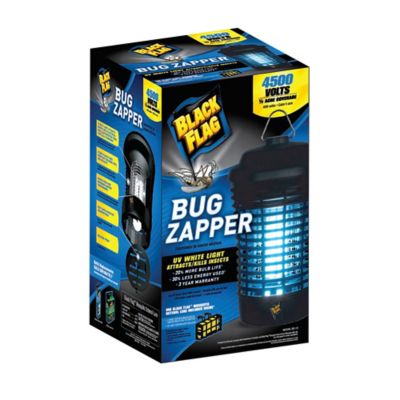
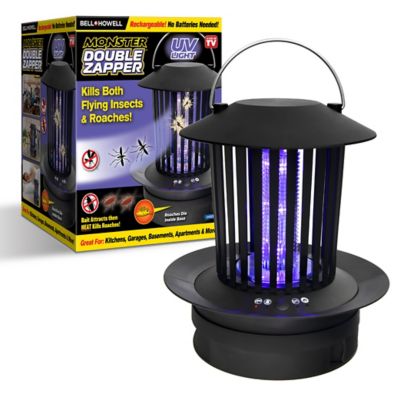
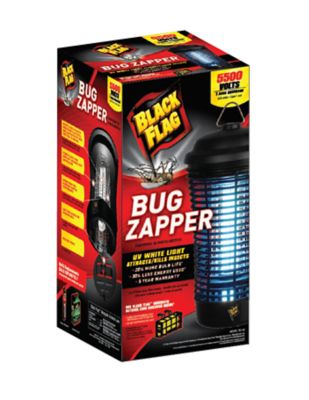
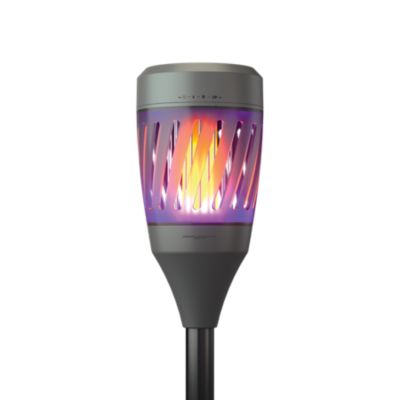
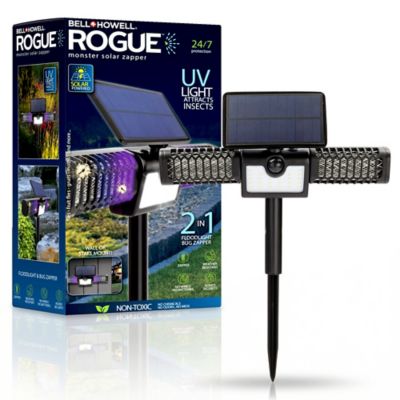
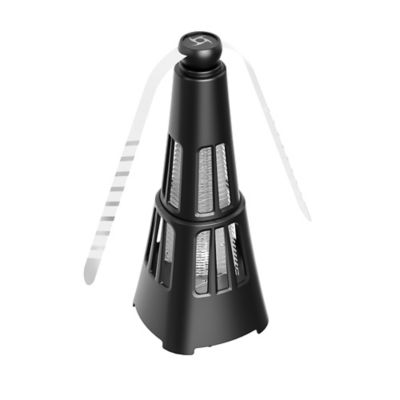
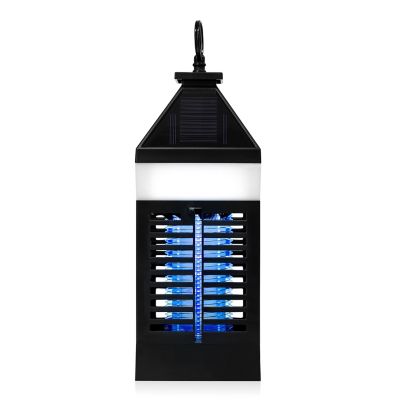
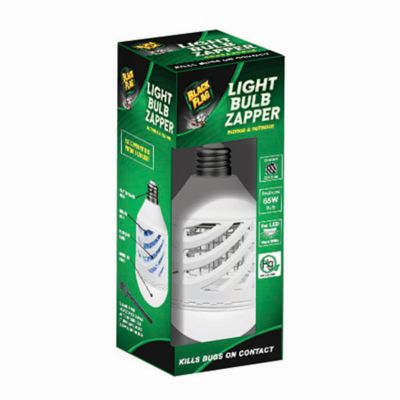
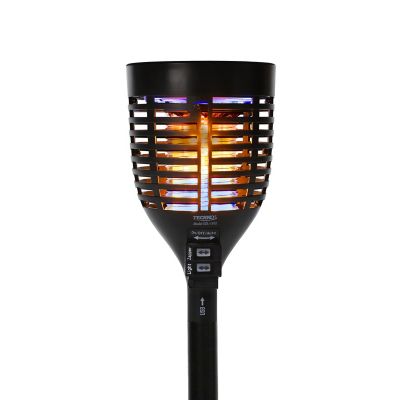
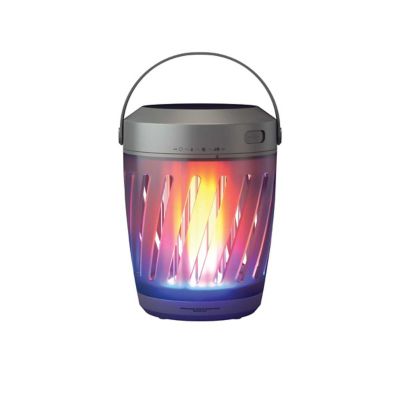
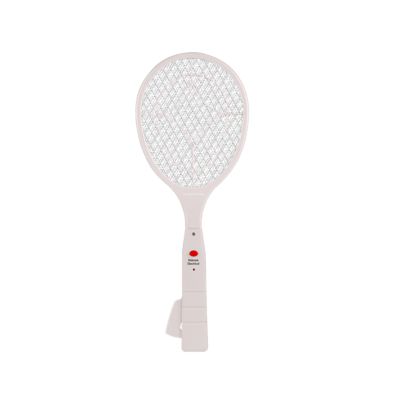
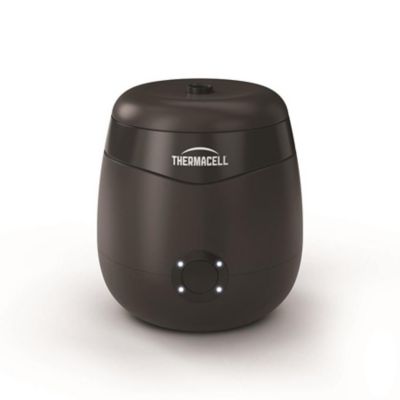
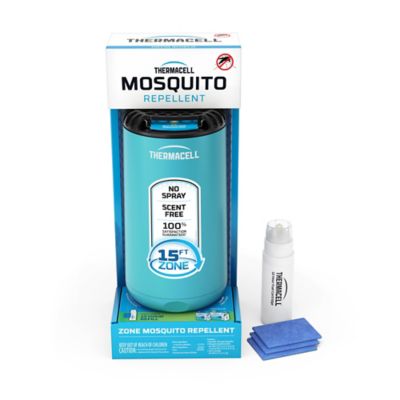
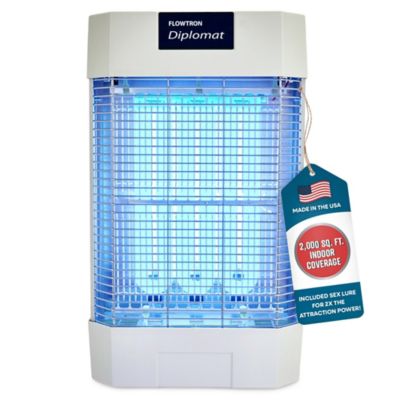
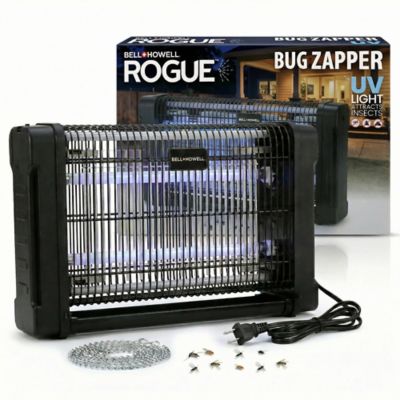
Outdoor mosquito zappers are electric insect-control devices that draw flying insects toward a light source and kill them when they contact an energized grid. Most combine ultraviolet light, produced by a bulb or UV-emitting LEDs, with a protective outer housing that helps keep hands away from the electrical components. They fit into outdoor spaces such as backyards, patios, and areas near a porch, though their usefulness depends on the insects present, the placement, and the design. The important distinction is that attracting flying insects is not the same as controlling mosquitoes. Mosquitoes find people through cues that include carbon dioxide, body heat, and skin odors, and many are not strongly attracted to UV light alone. Research on conventional light-based zappers has found that mosquitoes often make up only a small share of the catch, alongside moths and other insects, including beneficial species. A busy grid or a full collection tray therefore does not necessarily mean fewer mosquito bites around the picnic table. Some designs accept mosquito attractants, such as octenol, which may help draw certain mosquito species when the lure is compatible with the device and applied according to its label. Those attractants do not turn every light-based zapper into an equally effective mosquito trap. For a household that spends time on the porch after chores or gathers around an outdoor table for supper, realistic expectations matter more than a loud snap or a bright lamp. These devices are best considered one part of an outdoor pest-management setup, not a stand-alone answer to mosquitoes or protection against mosquito-borne illness. Light type, power source, construction, and upkeep all help distinguish one design from another. The right fit starts with what the device is intended to target and how its operating requirements line up with the space around the house.
The physical fit of an outdoor mosquito zapper involves more than finding a hook on a porch beam. Housing materials, mounting hardware, clearance requirements, and access to power all affect where a unit can safely operate. Metal housings may have finishes that help limit corrosion, while molded plastic housings vary in their resistance to sunlight and outdoor exposure. A sheltered location does not make an indoor-only device suitable for outdoor operation; the electrical rating and manufacturer’s directions need to match the setting. Outdoor-rated also does not automatically mean suitable for submersion, pressure washing, or a spot directly beneath roof runoff. A secure hanging point or level supporting surface helps keep the housing from swinging into a wall, tipping over, or ending up within reach of children and pets. Corded designs need an appropriate outdoor electrical connection with ground-fault circuit-interrupter protection, along with any extension cord permitted by the instructions. Rechargeable designs avoid a trailing power cord while operating, but battery runtime and charging needs still shape how well they fit an evening outside. Solar-assisted designs depend on their charging setup and access to sunlight, rather than offering unlimited operation. Advertised acreage or coverage figures are best read as manufacturer claims under stated conditions, not a promise that every corner of a fenced yard will have the same results. Buildings, trees, competing lights, and the shape of the property can affect how insects encounter the device. Higher grid voltage or greater lamp wattage alone does not establish better mosquito control. Placement should follow the device instructions, with the light away from the people it could otherwise draw insects toward. A spot right beside the supper table, over a grill, or above animal feed is a poor match for a device that kills insects overhead. Light brightness and the sound of the grid also matter near bedroom windows, close neighbors, or a quiet sitting area.
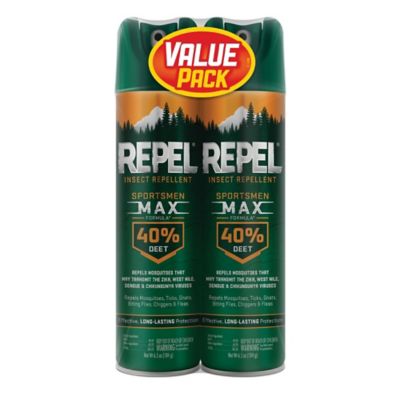
Regular care helps an outdoor mosquito zapper keep working as intended and makes routine cleanup less of a chore. Collection trays, access panels, and the space around the grid deserve a close look because insect buildup can interfere with operation. A removable tray can simplify emptying, while accessible lamp compartments may make scheduled replacement easier on designs with replaceable bulbs. UV output can decline before a lamp visibly stops glowing, so replacement intervals should follow the manufacturer’s directions rather than appearance alone. Service life also depends on keeping the housing intact, inspecting cords and mounting points, and replacing worn components only with parts specified for that device. Before cleaning or servicing, disconnect power and follow the instructions for allowing electrical components to discharge. A brush or another approved cleaning method is a better match than reaching into the grid, spraying it with a hose, or applying household cleaners without approval. Safe placement around a rural property also means staying clear of fuel storage, flammable vapors, and areas where combustible dust may be present. Beyond the device itself, mosquito management starts with places where water collects: a forgotten bucket behind the shed, a clogged gutter, a wheelbarrow holding water, or a planter saucer beside the steps. Emptying unnecessary standing water, maintaining screens, and following appropriate care practices for animal water containers address sources a zapper cannot fix. Fans around seating areas and EPA-registered repellents applied according to their labels can provide additional help. For a different treatment approach,
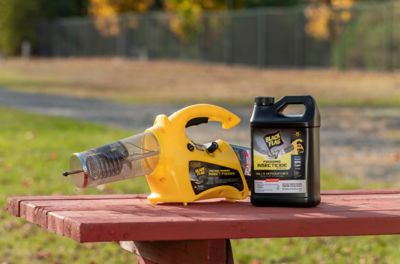
Outdoor Foggers disperse a treatment into the air rather than drawing insects to an electrical grid; any pesticide application must follow the label for the site, pests, people, animals, and reentry requirements. Matching the method to the setting keeps the focus on practical pest management, whether the space is a small back porch or a gathering spot out beside the shed.