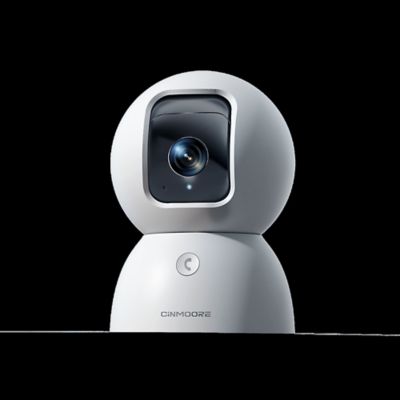
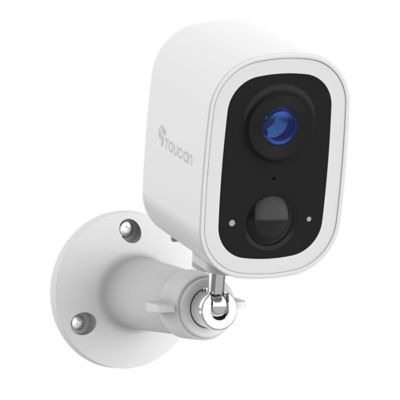
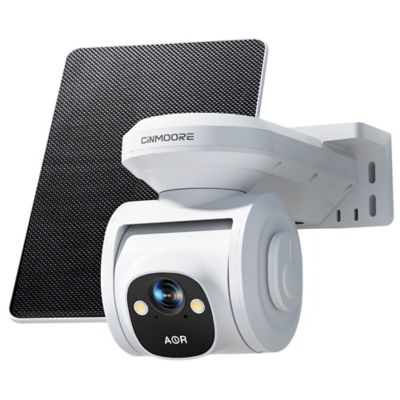
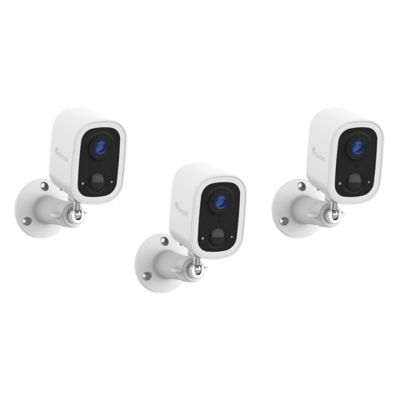
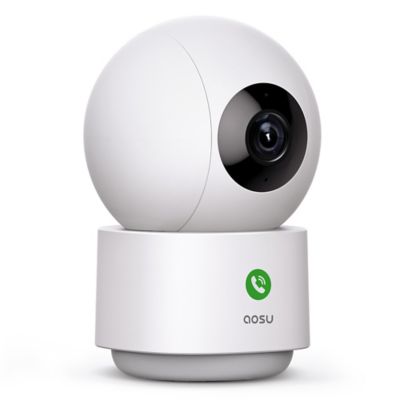
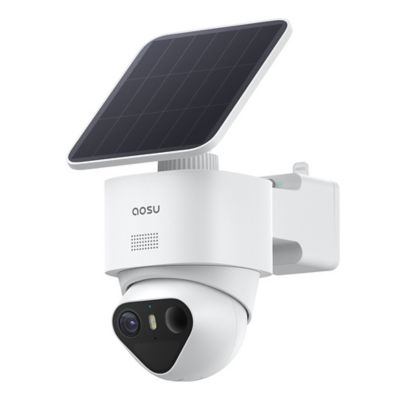
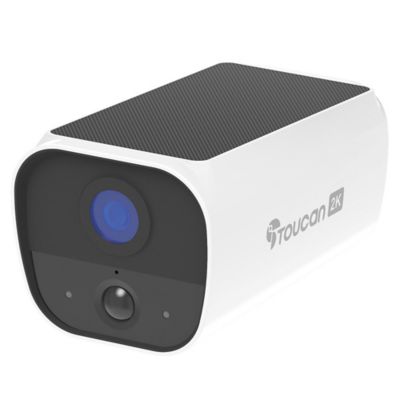
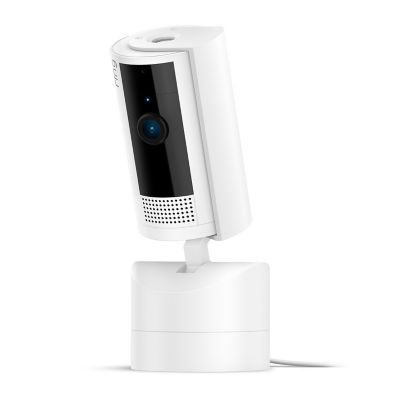
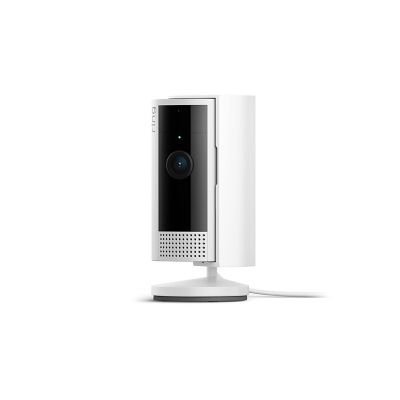
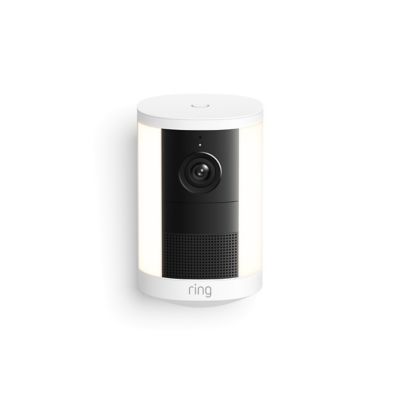
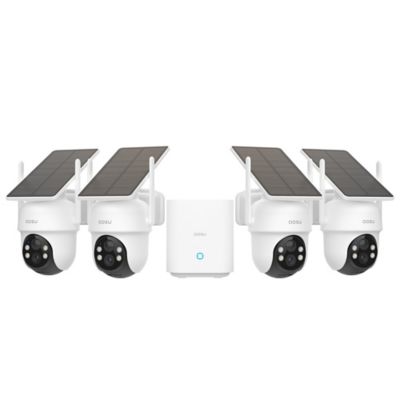
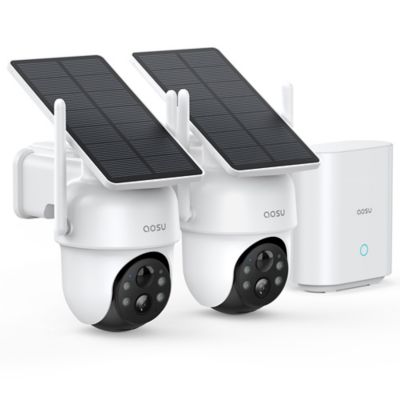
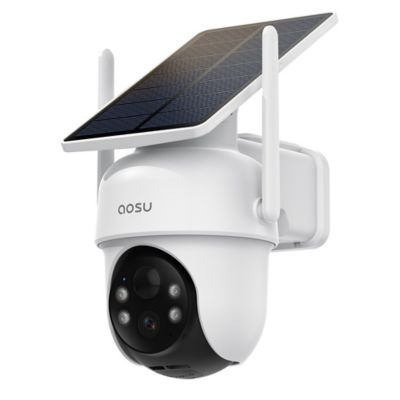
An indoor security camera gives you a view of activity inside the home through live video, recorded clips, or both, depending on its features and setup. It can help you check whether the dog is settled in the living room, see that someone arrived through the mudroom, or take a look at the house while you’re out tending chores. The most helpful features work together: clear video makes activity easier to see, detection settings help sort important movement from everyday motion, and storage options determine what you can review later. Resolution is one consideration, with 1080p, 2K, and 4K describing different levels of image detail. Higher resolution can make smaller details easier to distinguish, though lighting, lens design, distance, and video compression also affect the picture. A wide field of view can cover more of an open living area, while a narrower view may suit a hallway or entry. Pan-and-tilt functions let compatible cameras turn toward different parts of a room, but a turning camera does not capture every direction at once. Placement still matters, especially around tall furniture, doorways, and other places where someone can move out of sight. Night vision supports viewing in dark rooms, although the resulting picture varies by camera and lighting. Infrared illumination often produces a black-and-white image, while color night viewing may need some available light or a built-in light. Reflections from a nearby wall, shiny cabinet, or window can wash out details, so an indoor camera pointed through glass may not provide a clear nighttime view outdoors. Digital zoom enlarges part of the recorded image rather than adding detail that was never captured. For a room with a bright window and a darker entryway, features that balance light and shadow can also matter. These practical differences help shape whether a camera fits a whole-room overview, a close look at a doorway, or a spot where pets spend the day.
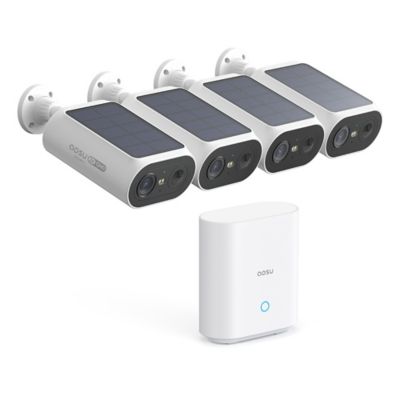
Connection, alerts, and recording options make a big difference in how an indoor security camera fits daily life. Many models connect to home Wi-Fi, and the supported network band needs to match the setup in the house. A camera across several rooms from the router may have a harder time maintaining a connection than one nearby, especially with thick walls between them. Higher-resolution video can also place greater demands on upload capacity when footage travels over the internet. For a household on a rural connection, that makes network compatibility and recording choices worth a close look. Local storage may save footage to a compatible memory card or recording hub, while cloud storage sends recordings to an online account. Some systems offer both. Local recording may continue during an internet interruption if the camera still has power and supports that function, but remote viewing and notifications generally need an internet connection. Cloud recording and certain detection features may require an ongoing service plan. Recording can be continuous or triggered by events, and those approaches leave different records of what happened before, during, and after movement. Motion detection might catch a person entering the kitchen, but it can also respond to a ceiling fan, shifting shadows, or a pet crossing the floor. Person or pet detection, adjustable sensitivity, and activity zones can help narrow the alerts on compatible cameras. Detection is not perfect, so it works best as another way to keep tabs on the home rather than a guarantee that every event will be identified. Two-way audio adds another practical feature, whether that means speaking to someone at the entry or telling a restless dog to settle down. Microphone pickup, speaker volume, and connection delay affect how clear that exchange sounds. App controls, playback tools, and notification schedules also matter when several household members need access without every phone buzzing each time someone walks past the couch.
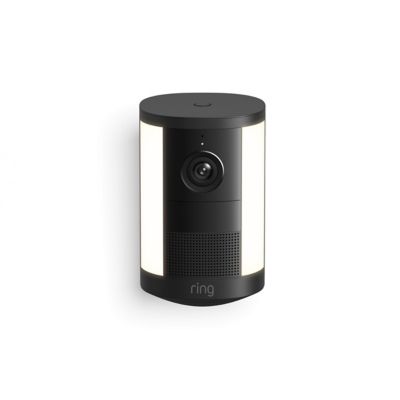
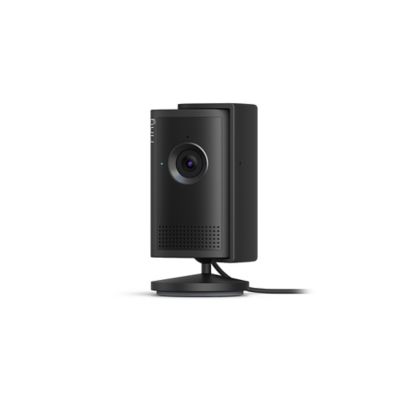
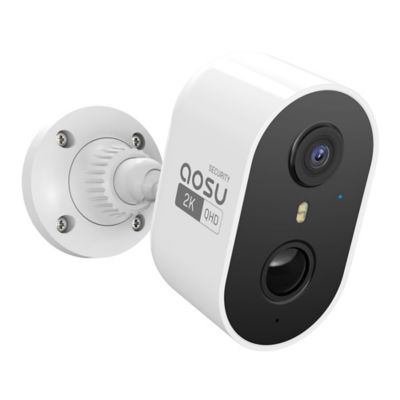
The right physical setup helps an indoor security camera stay out of the way while keeping the intended area in view. Compact housings, often made with molded plastic, can sit neatly on a shelf or attach to a wall with a compatible bracket. The mount, fasteners, and wall surface all affect how securely the camera stays in place; adhesive mounting is suitable only where the manufacturer allows it. A stable shelf needs enough room for the base, clear space around the lens, and a position where a curious cat cannot easily knock the camera over. Plug-in models need an outlet within reach, with cords routed away from walkways, sinks, and children’s reach. Battery-powered options offer more placement flexibility but need a charging routine, and recording features can differ from those on continuously powered models. An indoor rating is meant for the conditions described by the manufacturer, not an automatic fit for a dusty feed room, damp wash area, or exposed barn aisle. Indoors, a
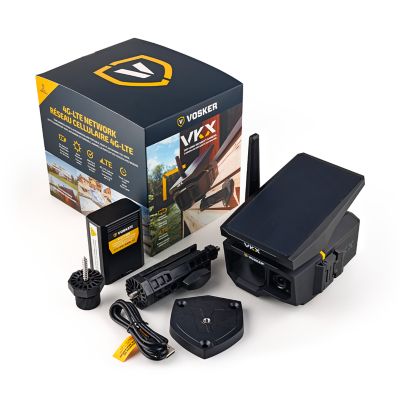
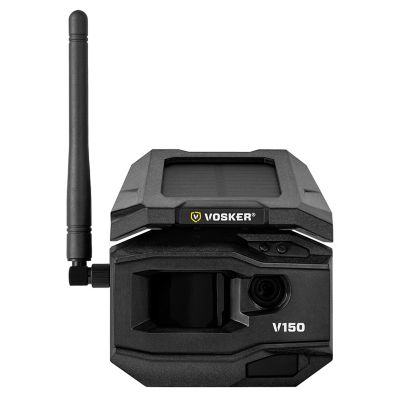
Black Security Camera can blend alongside dark shelving, a television cabinet, or other darker finishes without drawing much attention. Finish is a matter of fit with the room; it does not determine video performance. Basic care includes keeping the lens free of dust and fingerprints with a soft cloth and following the maker’s cleaning directions rather than spraying liquid onto the housing. Privacy deserves the same attention as placement. Cameras belong where household members and visitors can reasonably expect monitoring, with particular care around private spaces and audio recording rules. Strong account passwords, multifactor authentication when offered, and regular software updates help protect access. Physical privacy shutters, microphone controls, and scheduled recording can provide additional control on compatible models. For busy households, pet owners, and folks who spend part of the day away from the house, indoor monitoring can add useful visibility. It remains a supplement to sound locks, smoke and carbon monoxide alarms, and direct supervision—not a replacement for any of them.