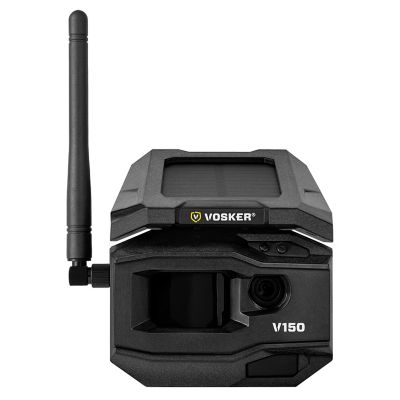
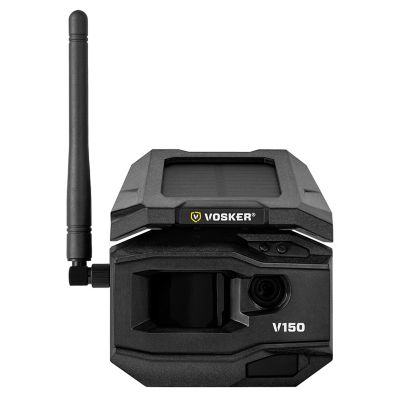
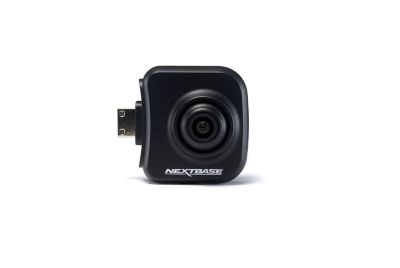
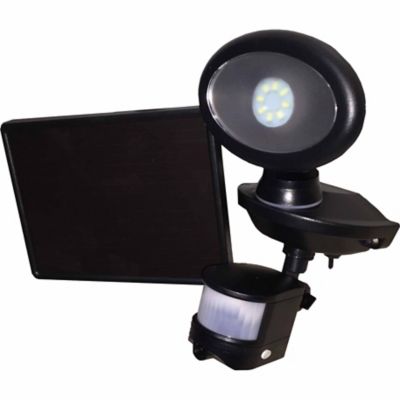
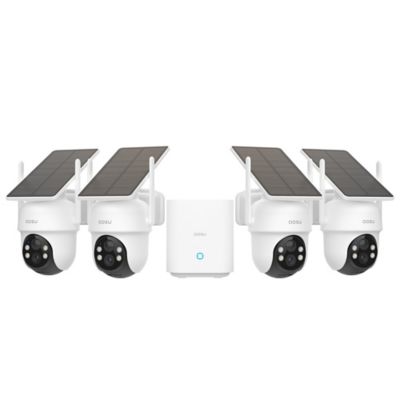
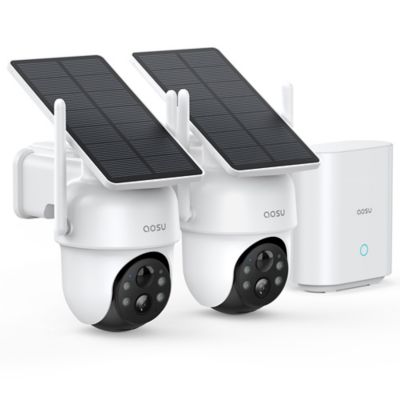
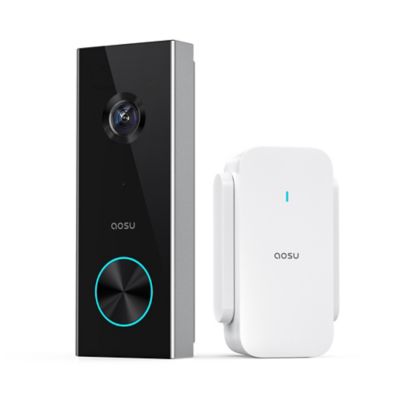
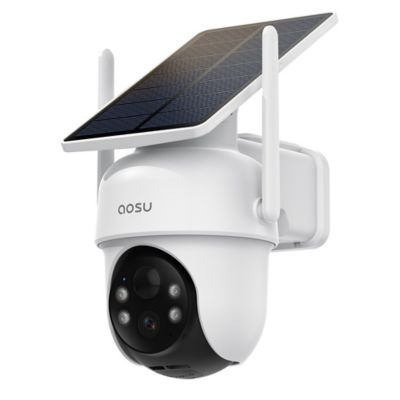
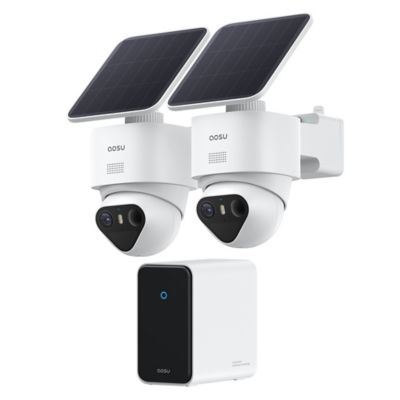
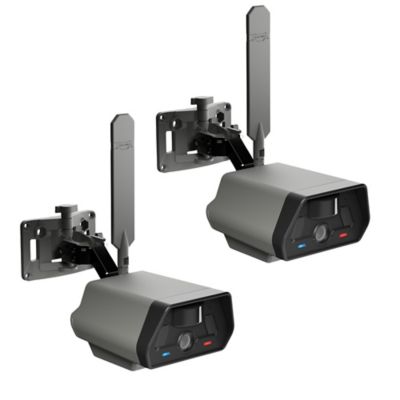
A black security camera helps keep an eye on entrances, driveways, barns, workshops, and indoor spaces, with a dark housing that blends well with black trim, metal shelving, and many light fixtures. The color describes the camera’s finish, not its recording capabilities: resolution, night vision, viewing angle, power source, and storage determine how it performs. Indoor cameras often suit a mudroom, tack room, or enclosed office, while outdoor-rated cameras belong at exposed entrances and around outbuildings. Housings may be made from molded plastic or metal, with protected lens assemblies and mounting points designed for the intended location. A black finish can make a camera less visually prominent against a dark mounting surface, though it will stand out against pale siding or a white ceiling. Compact cameras fit smaller spaces, while bullet-style housings make their direction easy to see. Dome and turret designs offer a different profile beneath an overhang or along a ceiling. Common resolution labels include 1080p, 2K, and 4K, but a larger number alone does not guarantee a clear view of every detail. Lens design, lighting, distance, and recording settings all matter. A wide-angle lens can cover a broad section of a yard or shop, while a narrower view may put more detail on a gate or doorway. Digital zoom enlarges the recorded image; optical zoom, on cameras equipped with it, changes the lens view to bring distant subjects closer. Night vision also deserves a close look. Infrared illumination generally produces a black-and-white image in darkness, while color night recording needs enough ambient light or a built-in light. Bright headlights, a porch fixture, or deep shadows can affect what appears on screen, making features such as wide dynamic range helpful at entrances with uneven lighting. For a long driveway, a closer camera position often captures more useful detail than a distant, sweeping view. Around a workshop door, a lower, well-aimed view may show a face more clearly than a camera pointed down from high overhead.
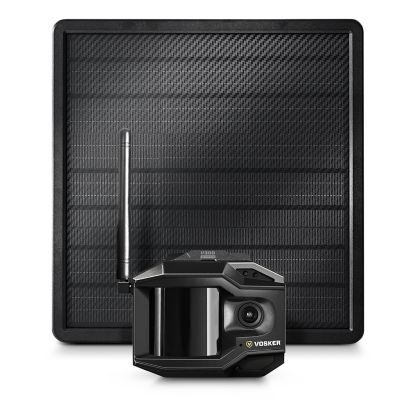
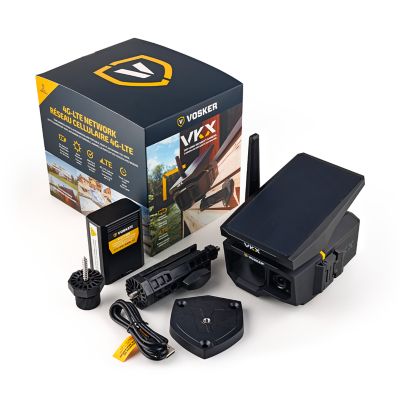
Power and connection options make a big difference in how a black security camera fits a property. Plug-in cameras need a suitable outlet within reach, while battery-powered cameras can fit places where running power would be a chore. Battery runtime depends on recording activity, live viewing, signal strength, and the settings selected, so a busy driveway can place different demands on a camera than a quiet storage room. Some battery systems support a compatible solar charging panel, though panel placement and charging requirements still matter. Wired cameras may connect to a recorder with dedicated cabling, and Power over Ethernet systems can carry both power and data through a compatible Ethernet connection. Wireless does not always mean cord-free: a Wi-Fi camera may still need a power cable. That distinction matters when the mounting spot is on a detached garage, a pole near the gate, or the far wall of a barn. A strong wireless signal at the house does not necessarily reach an outbuilding, particularly where metal siding, masonry, or distance interrupts the connection. Cameras with cellular connections follow another setup path and generally need compatible network coverage and a service plan. Recording arrangements vary, too. Local storage can place footage on a supported memory card or a recorder, while cloud storage sends recordings to an online account. Some systems support both. Continuous recording captures activity throughout the recording period, while event recording saves clips when the camera detects motion or another supported trigger. Storage capacity, resolution, and clip length influence how much footage stays on hand before older recordings are overwritten. Phone notifications and live viewing can make it easier to check a delivery at the gate or see whether a trailer has pulled into the yard without walking outside. Remote access depends on the system’s network connection, and not every feature continues during an internet interruption. Compatibility with an existing recorder, mobile app, or home platform also matters, especially when adding another view to a setup that already covers the house or shop.
The most useful security camera features are the ones that match the activity around the property. Motion detection can flag movement near a side door, while person or vehicle detection, where supported, can help separate certain events from general activity. Adjustable detection zones may keep a busy road beyond the fence from setting off constant notifications while still watching the driveway entrance. Two-way audio gives a way to speak with someone at the door, although microphone placement, background noise, and connection strength affect how clearly voices come through. Pan-and-tilt cameras can change their viewing direction, but a moving lens does not record every direction at once. Fixed cameras offer a steady view of a chosen area, making them a practical fit for a feed-room entrance, equipment shed, or checkout counter in a farm stand. A household checking on pets indoors may favor a small plug-in camera with live viewing, while a property owner watching several buildings may prefer multiple cameras connected to one recording system. Mounting hardware, cable routing, and access for charging or cleaning all deserve attention alongside the camera itself. A solid mounting surface helps limit vibration, and protected cable connections help keep the installation tidy. Outdoor housings should carry ratings suited to their location, including protection against dust and water intrusion where needed. Lens covers benefit from gentle cleaning according to the manufacturer’s directions; fingerprints, dust, and spiderwebs can soften an image or reflect infrared light back toward the lens. Secure account passwords, supported software updates, and carefully managed sharing permissions help protect access to recordings. Camera placement should also respect neighboring property and private spaces, with audio recording subject to applicable laws. A black security camera works best as one part of a practical setup that includes sound locks, suitable lighting, and clear sightlines. For a broader look at camera types and recording setups, visit
Shop Security Camera.