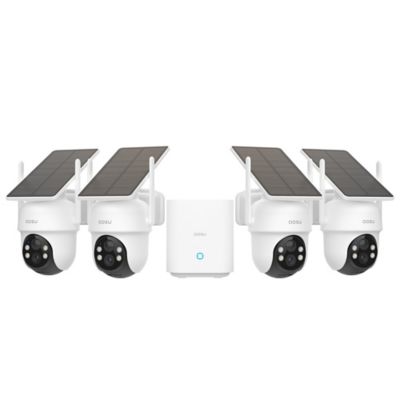
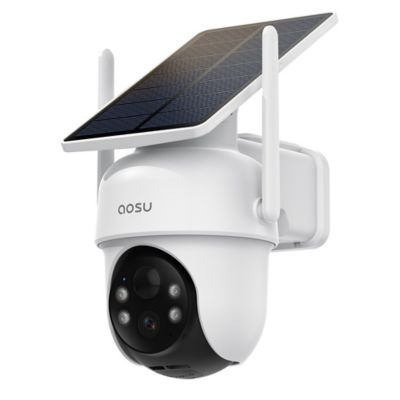
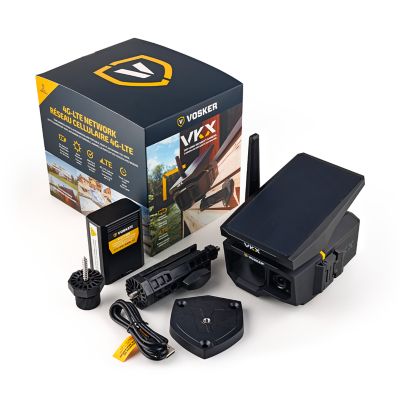
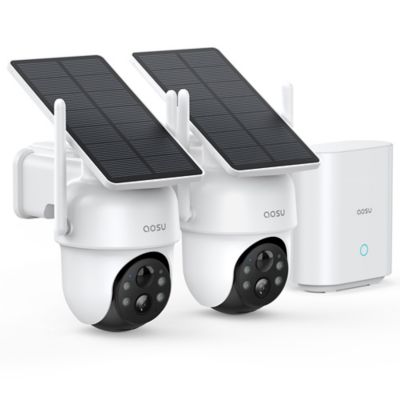
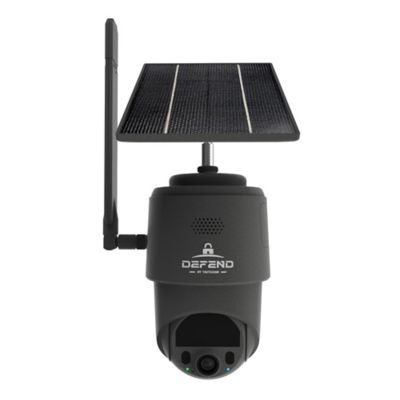
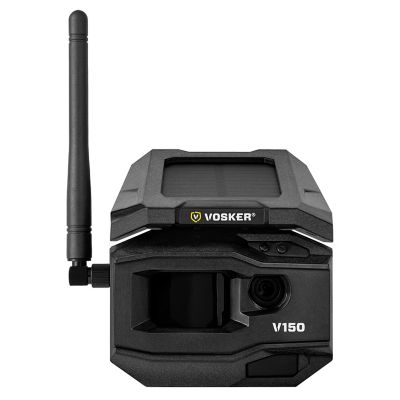
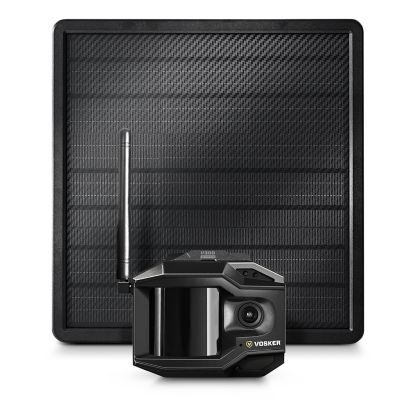
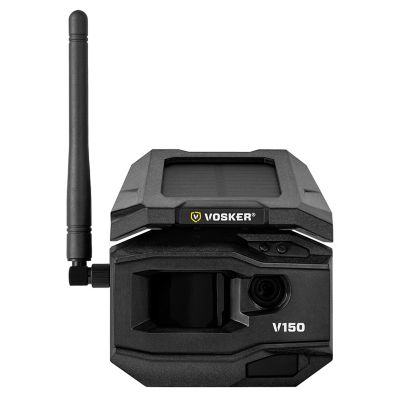
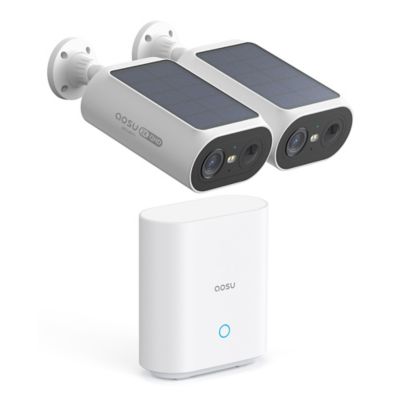
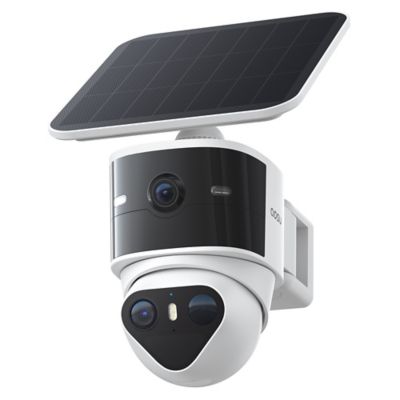
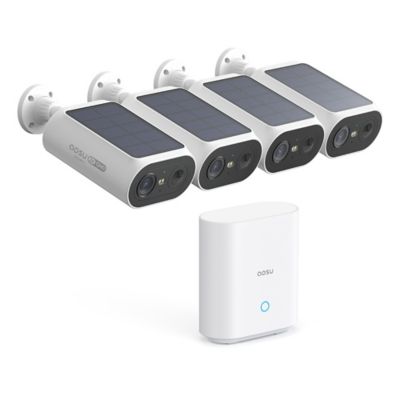
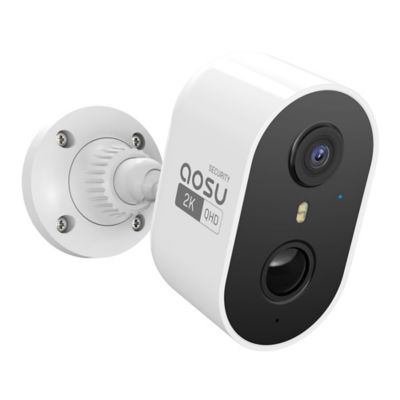
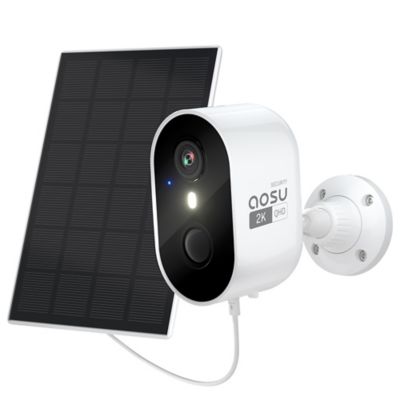
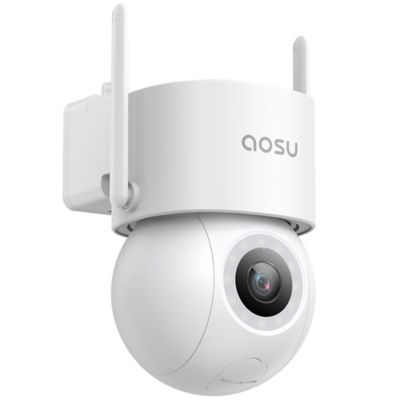
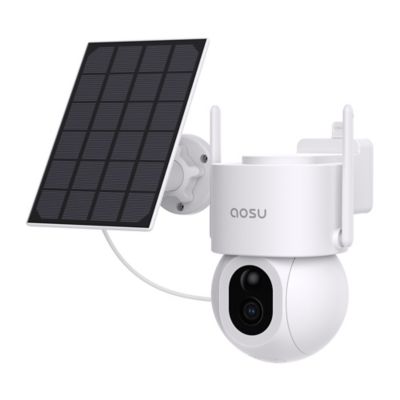
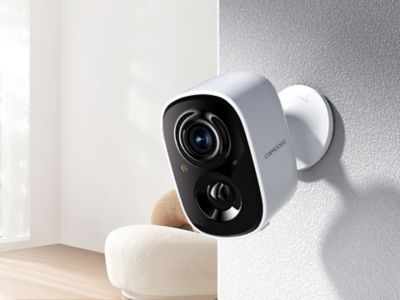
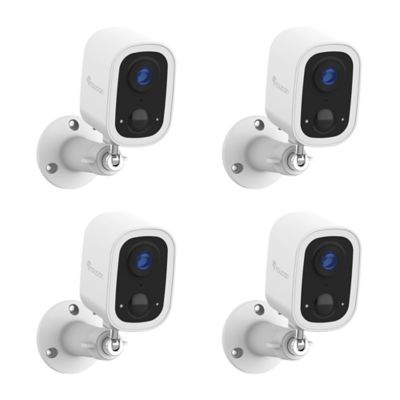
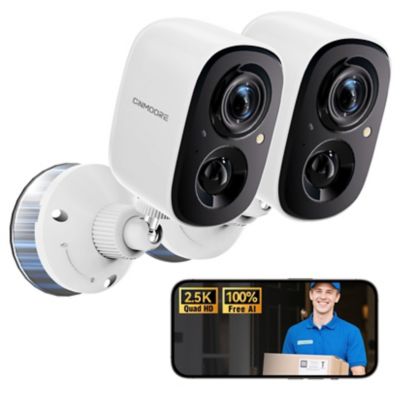
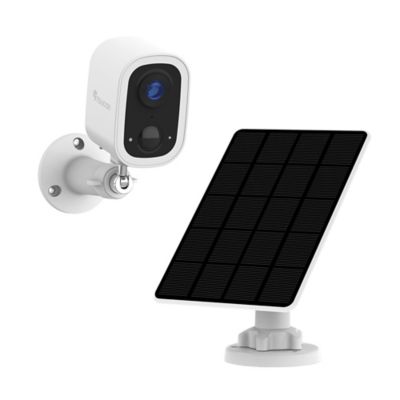
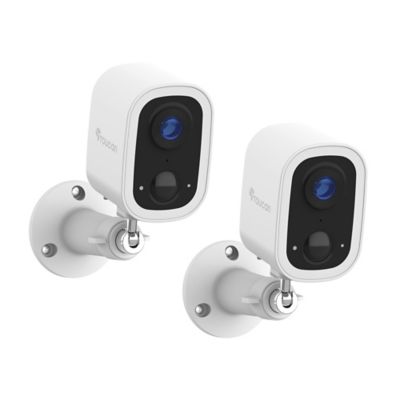
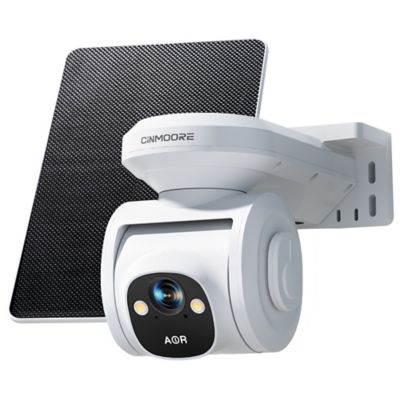
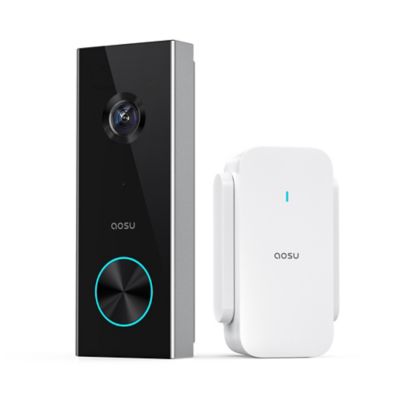
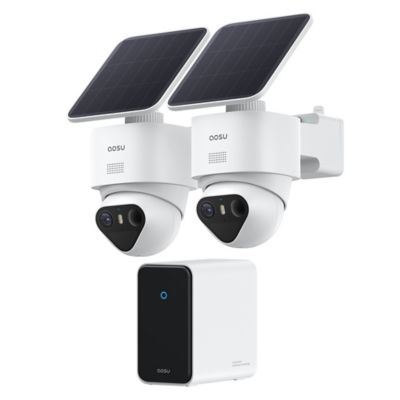
A wireless outdoor security camera helps keep an eye on porches, driveways, gates and outbuildings without running a video cable back to a recorder. Wireless usually describes how the camera sends footage, not necessarily how it gets power: some cameras connect over Wi-Fi but still need an electrical outlet, while wire-free designs run on batteries. Solar-compatible setups can help maintain battery charge where there’s enough direct sunlight, though charging performance depends on placement and power demand. That distinction matters on a property where the front porch has an outlet but the equipment shed does not. Homeowners, livestock owners and folks with a detached garage can match camera coverage to the places that matter most, whether that means seeing a delivery at the door or checking activity beside a parked trailer. Video resolution is one part of that match. Common resolution levels include 1080p, 2K and 4K, with higher-resolution footage generally offering more detail when the lens, lighting and connection support it. Resolution alone does not guarantee a readable license plate or a clear face across a long driveway. Distance, viewing angle, movement and video compression all affect what shows up in a recording. A wide-angle lens can cover a broad section of the yard, while a narrower view can put more attention on a gate or walkway. Pan-and-tilt designs offer another approach, although looking toward one area may leave another outside the frame unless the system provides simultaneous views. Mounting position matters just as much as camera specifications. A camera tucked too high beneath a roofline may show the top of a visitor’s hat instead of their face, while one aimed toward a bright doorway can lose detail in the surrounding area. For everyday property monitoring, useful coverage starts with a clear view of the route people or vehicles actually take, rather than the widest possible picture.
Power, connection and mounting fit help determine whether a wireless outdoor security camera belongs beside the house or farther across the property. Rechargeable battery designs offer placement flexibility, but battery life varies with motion activity, recording length, live viewing and other settings. A camera watching a busy driveway may need charging more often than one covering a seldom-opened side gate. Solar charging can reduce trips to retrieve a battery, but the panel needs a suitable mounting spot and should not be treated as a promise of uninterrupted power. Plug-in cameras avoid routine battery charging, provided a suitable power source and a safely routed cord are within reach. Many Wi-Fi cameras connect through a 2.4 GHz network, while some support other bands; compatibility should match the home network rather than be assumed. The signal that reaches a kitchen window may not reach a camera mounted beyond a metal-sided barn. Walls, distance and large equipment can affect the connection, so the actual mounting location matters more than a strong signal elsewhere on the property. Cellular cameras can suit locations beyond Wi-Fi coverage when compatible cellular service reaches the site, though they require an appropriate service plan. Outdoor-rated housings, often made from molded plastic or metal, help protect the camera’s electronics, while fitted port covers and seals deserve attention during installation and routine care. An enclosure’s stated rating gives more useful information than appearance alone. Mounting brackets should fit the surface and hold the camera steady; siding, masonry, fence posts and metal buildings may call for different hardware. A solid mounting point also helps prevent vibration from spoiling footage. Easy access to the battery compartment, charging port and lens makes upkeep less of a chore. Gentle cleaning with a soft cloth, following the manufacturer’s care directions, helps remove dust and cobwebs without scratching the lens cover or disturbing seals. Panels and connectors need periodic attention, too, especially around gravel drives and working buildings where dust collects.
Motion alerts, night viewing and recording options shape how useful the camera feels after installation. Basic motion detection may respond to passing headlights, shifting branches or animals crossing the yard, while person, vehicle or animal detection can help narrow notifications on compatible systems. Detection zones are handy where the camera needs to watch a gate but ignore traffic along the road beyond it. These features vary by camera, and some depend on an account or subscription. Infrared night vision typically produces a black-and-white view without lighting up the whole area. Color night viewing may need ambient light or a built-in spotlight, which can also make a visitor more visible near a doorway. The advertised viewing distance does not mean every detail will remain clear at that distance. Lens placement near a wall, reflective surface or window can also interfere with nighttime footage, so an outdoor camera generally works best with an unobstructed view rather than looking through glass. Two-way audio can help with a delivery or a visitor at a closed gate when the connection supports a conversation, though it is not a substitute for being there. Storage choices deserve equal attention. Local memory cards or compatible recording hubs keep footage on-site, while cloud storage can make clips accessible away from the property; retention periods, recording modes and account requirements differ. Battery-powered cameras often record motion-triggered clips rather than continuous video, and recording behavior during an internet outage depends on the system. For related coverage choices around entrances and outbuildings, browse the
Security Camera for Outdoor Monitoring page. A practical setup also respects neighboring property and private spaces, with camera angles and audio settings that follow applicable rules. Strong account passwords, multifactor authentication when supported and software updates help protect access to footage. Together, thoughtful placement and manageable features make it easier to check the feed from the house, the workshop or away from home without turning routine property monitoring into another all-day chore.