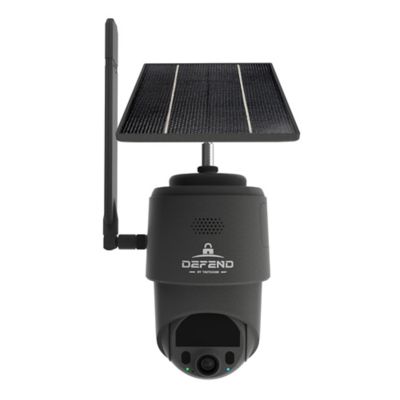
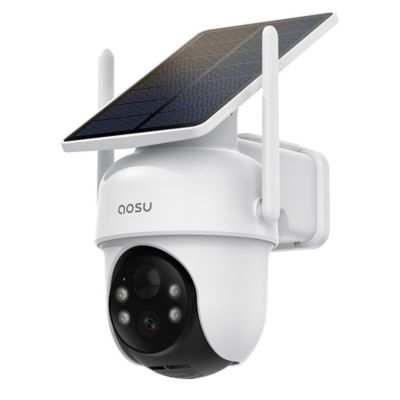
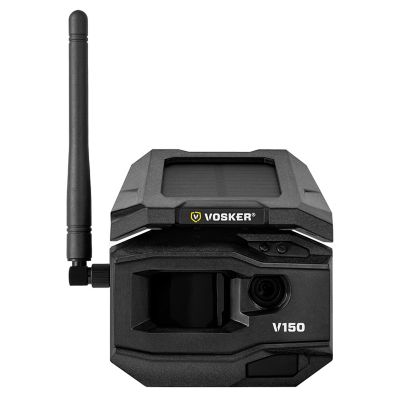
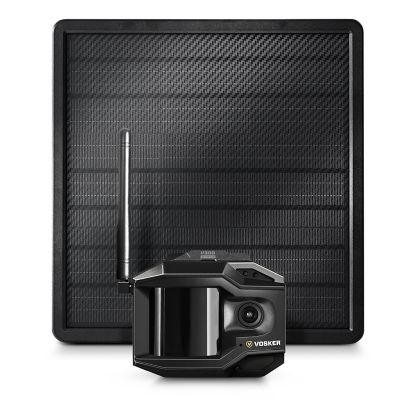
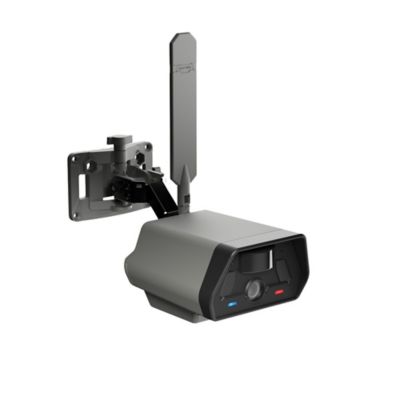
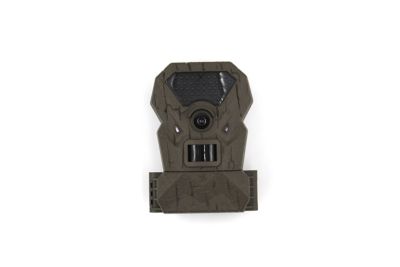
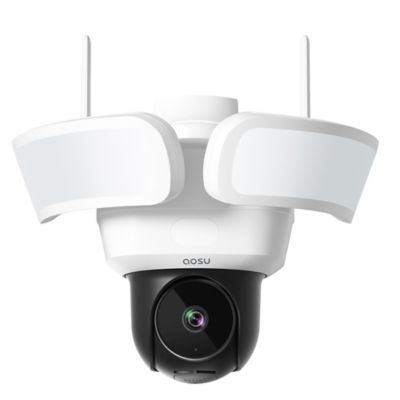
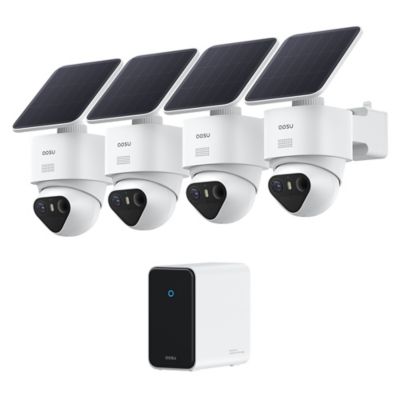
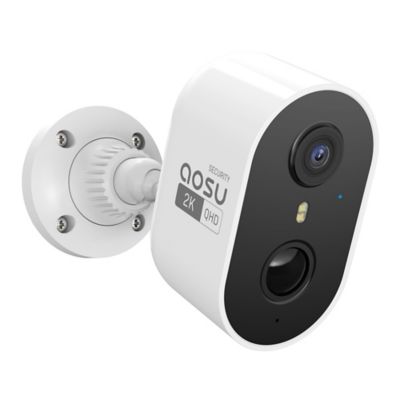
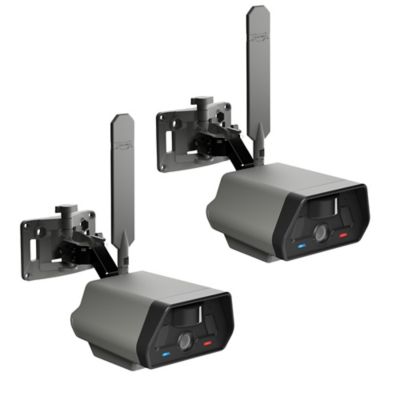
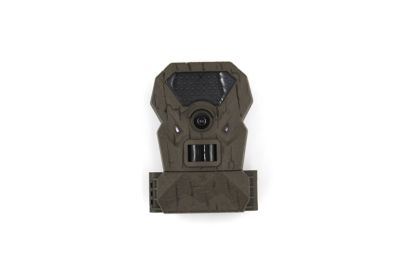
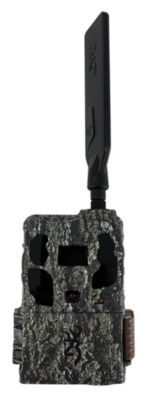
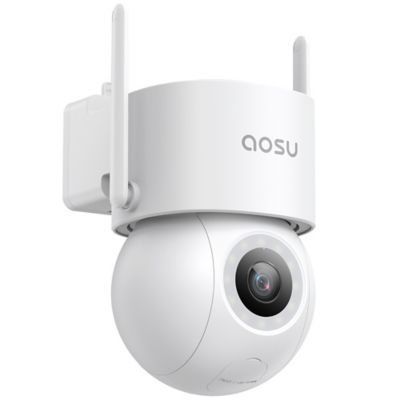
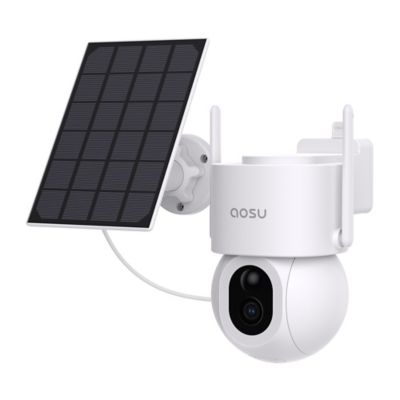
Outdoor security cameras help keep an eye on the places where daily life meets the outdoors, from the front porch and garage to a barn entrance, equipment shed or driveway gate. They can show when a delivery arrives, help check an unexpected noise after dark and provide a record of activity around a building. For a rural property, the best fit depends on the distance to the area being watched, the power and network connections within reach, and the detail needed in the picture. A camera overlooking a porch has a different job than one watching a long gravel lane. Wide-angle lenses take in more of a yard or parking area, while a narrower view can give more attention to a doorway or gate. Higher video resolution, such as 2K or 4K, can preserve more detail than 1080p under comparable conditions, but resolution alone does not determine whether a face or vehicle will be recognizable. Lighting, lens design, distance and motion all matter. Digital zoom enlarges the image already captured; optical zoom, where included, changes the lens view to bring distant subjects closer without simply stretching the picture. Mounting position matters just as much as the camera’s specifications. A view from high under a roofline may show the whole yard but mostly capture the tops of hats near the door. A position that follows the manufacturer’s mounting guidance and keeps the approach clearly visible can make footage more useful. Adjustable brackets help aim the lens around porch posts, roof overhangs and other obstacles. For homeowners, folks managing acreage and anyone keeping tools or trailers in an outbuilding, a
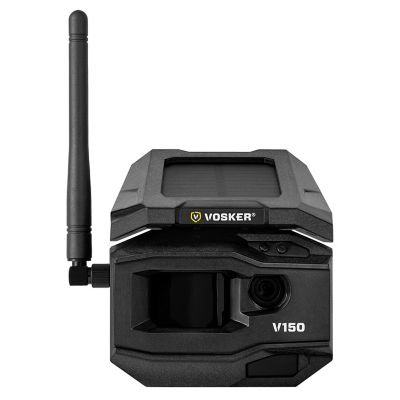
security camera for outdoor monitoring can add another way to check on the property between chores or while away from home. Cameras work best alongside sound locks, maintained gates and sensible outdoor lighting, rather than taking the place of those basics.
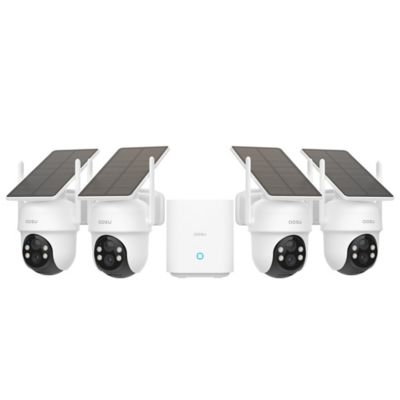
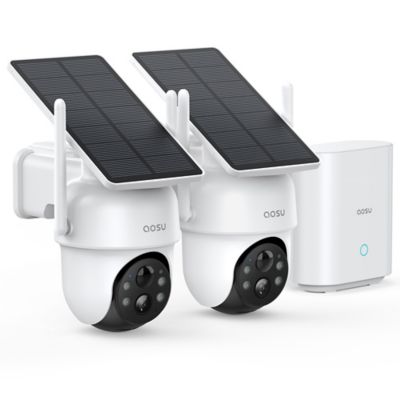
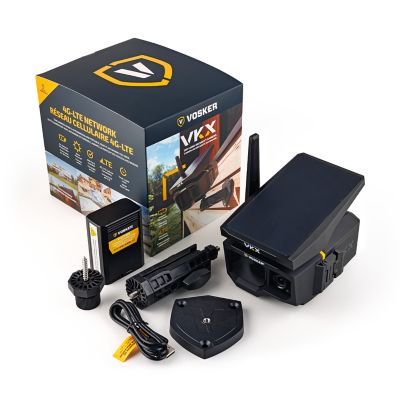
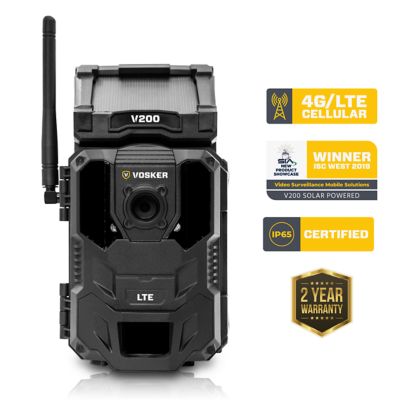
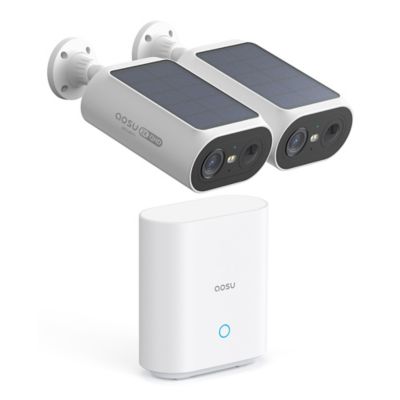
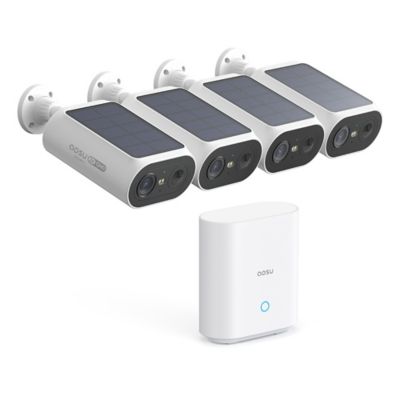
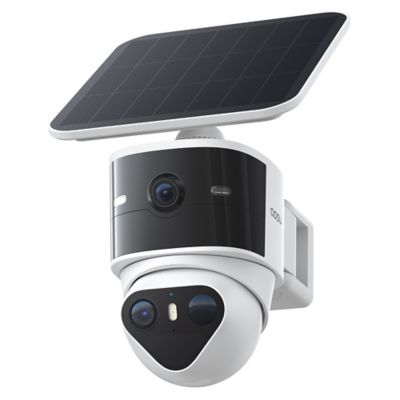
Power, connectivity and recording options shape how an outdoor camera fits into everyday routines. Plug-in cameras need a suitable outlet and a protected cable route, while Power over Ethernet, or PoE, cameras receive power and send data through a compatible Ethernet connection. That setup can suit a permanent installation where cable can be run safely to a recorder or network equipment. Battery-powered cameras offer more flexibility where an outlet is out of reach, though batteries need charging or replacement according to the model’s requirements. The word wireless often describes the network connection, not the power source, so checking both details helps prevent surprises at installation. A compatible solar panel can help keep a rechargeable battery topped off, but performance depends on sunlight, panel placement, weather and how often the camera wakes to record. Shade from a barn roof or tree line can limit charging, especially during shorter days. Wi-Fi cameras also need a strong enough signal at the mounting spot; a connection that works in the kitchen may not reach through metal siding to the far side of a shed. Cellular cameras can serve some locations beyond the home network, provided compatible cellular coverage and the required service are in place. Recording arrangements vary, too. Some systems support continuous recording, while others capture clips when motion triggers an event. Continuous recording requires a camera, power supply and storage setup designed for that task; a wired connection alone does not guarantee it. Local storage may save footage to a memory card, hub or network video recorder. Cloud storage keeps recordings off-site through an internet connection and may require a subscription. Storage capacity, recording settings and retention limits determine how much footage remains before older recordings are overwritten or removed. For a gate that sees only occasional traffic, event clips may cover the need. For a busy workshop entrance, a longer recording history may be more useful.
Outdoor exposure calls for careful attention to housing materials, seals, mounting hardware and operating limits. Camera housings commonly feature molded plastic or metal, but the complete enclosure and its weather rating matter more than the material alone. An IP65 rating indicates a dust-tight enclosure with protection against water jets, while IP67 indicates dust protection and protection against temporary immersion under specified test conditions. Neither rating establishes a camera’s operating temperature range or means every cable connection can sit exposed to standing water. Checking the stated temperature limits is especially important where freezing nights, summer heat or direct afternoon sun are part of the routine. Protected connectors, properly fitted covers and a firm mounting surface help the installation hold up through changing weather. Night vision also deserves a close look. Infrared illumination generally produces black-and-white footage in darkness, while color night viewing may depend on ambient light or built-in lighting. Advertised night vision distance is not the same as identification distance, and headlights, reflective siding or a nearby wall can wash out parts of the image. Placing the lens clear of those surfaces helps, as does keeping it free of dust, spiderwebs and windblown debris. A soft cloth and the manufacturer’s cleaning directions are usually the starting point for care; pressure washing can damage seals or force water into connections. Motion zones and adjustable sensitivity can reduce alerts from a swaying branch or traffic beyond the fence. Person, vehicle or animal detection, when supported, can further sort activity, though no detection feature gets every event right. Two-way audio may help with a delivery at the porch, but wind and distance affect how clearly voices carry. Remote viewing is handy during errands, while strong passwords, software updates and multifactor authentication help protect access. Aim cameras toward entrances and activity on the property, respect neighboring spaces, and check applicable rules for video and audio recording. The most useful setup is one that captures the right area, stays connected and remains manageable through everyday farm and home life.