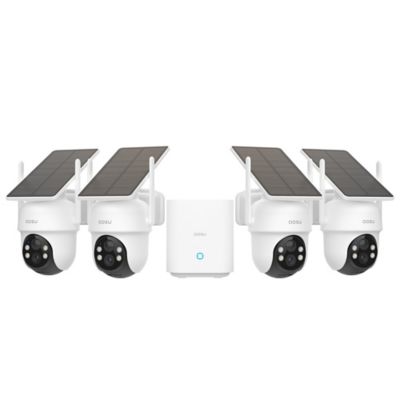
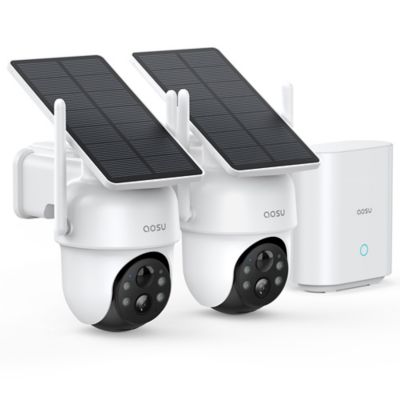
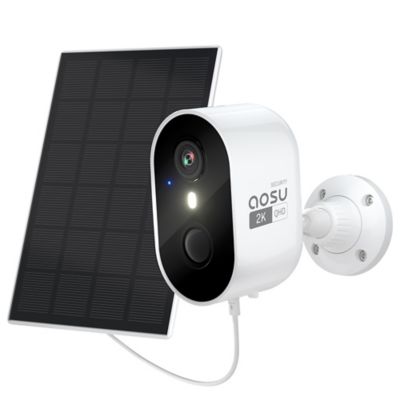
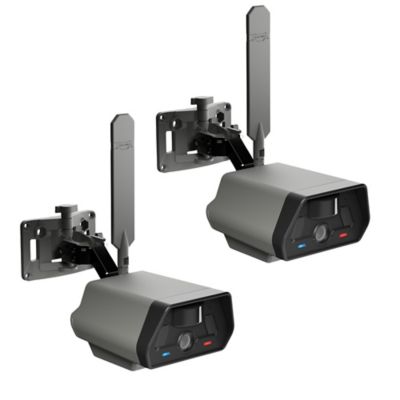
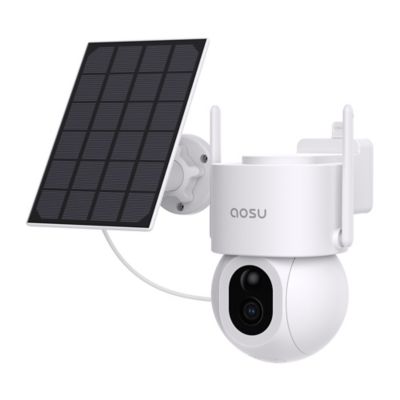
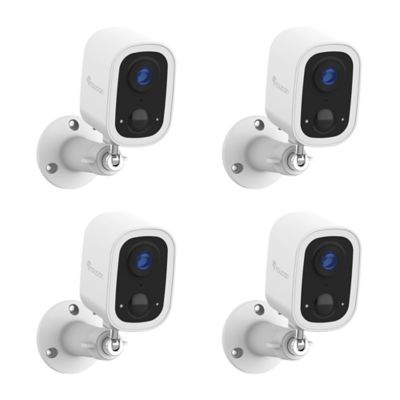
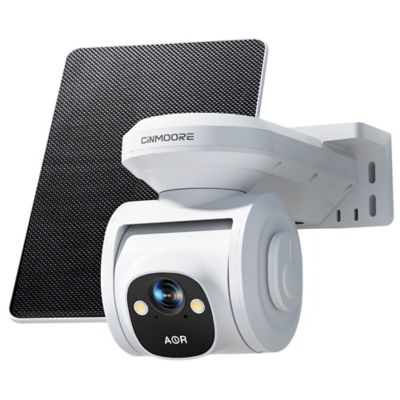
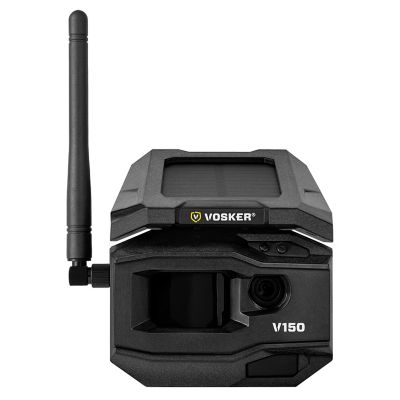
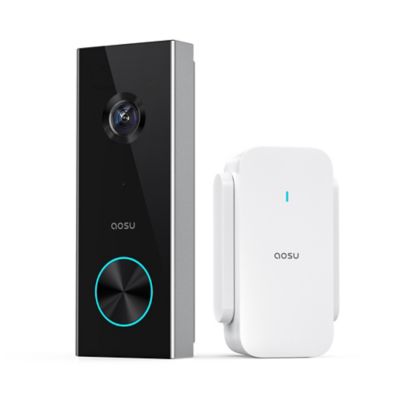
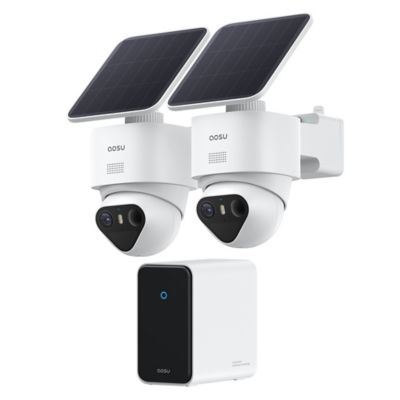
Security cameras help keep an eye on the places that matter, from a front entry and driveway to a workshop, equipment shed, or barn aisle. Shopping for security cameras starts with the space being monitored and the details worth seeing there. A broad view can show a delivery truck pulling up to the house, while a tighter view may make it easier to see activity around a tool cabinet or side door. Indoor and outdoor security cameras serve different mounting locations, and a complete security camera system can bring several views together in one place. For a house on acreage, that might mean watching the porch, the garage entrance, and the gate without walking the whole property. For a small business, it could mean checking a customer entrance and a separate storage area. Resolution is one part of the picture, but lens angle, lighting, camera placement, and recording settings also affect how much detail shows up in a clip. A wide-angle lens covers more ground, though people and objects farther away can appear smaller. A narrower view concentrates on a particular area, such as a doorway or equipment parking spot. Night vision helps capture activity after dark, with some cameras producing black-and-white images through infrared illumination and others supporting color images when enough light is present. Lights near the camera can affect the view, especially when they shine toward the lens or reflect off a nearby surface. Motion detection, person detection, and activity zones can help sort meaningful movement from routine activity, depending on the camera’s features. A gate beside a busy road, for example, calls for different notification settings than a quiet hallway. Two-way audio can add another way to respond to someone at an entrance, provided the camera supports it and the connection allows clear communication. These features support everyday awareness, but no camera can guarantee that every event will be captured or prevent trouble on its own.
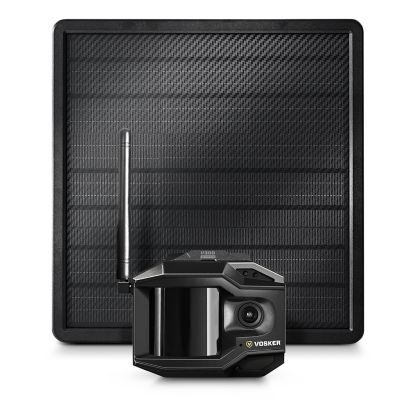
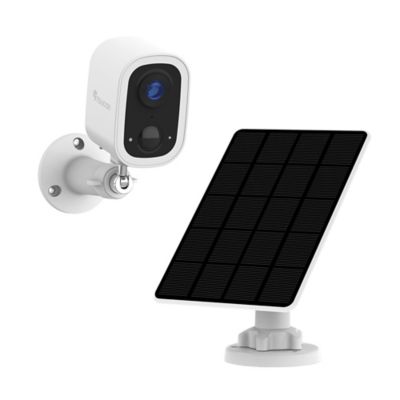
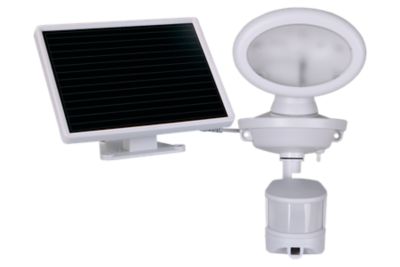
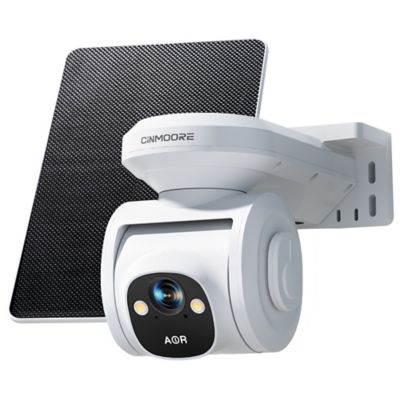
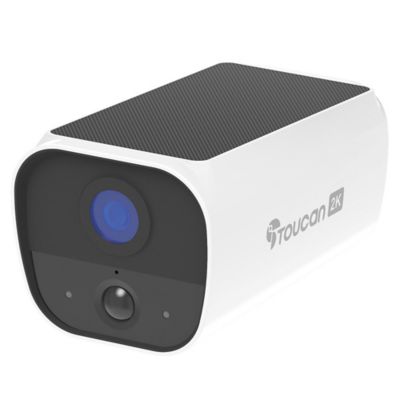
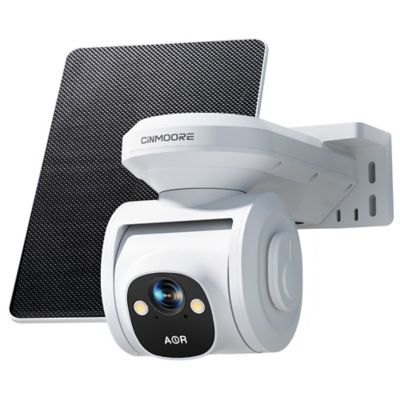
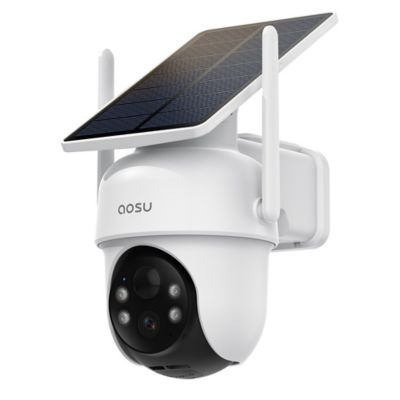
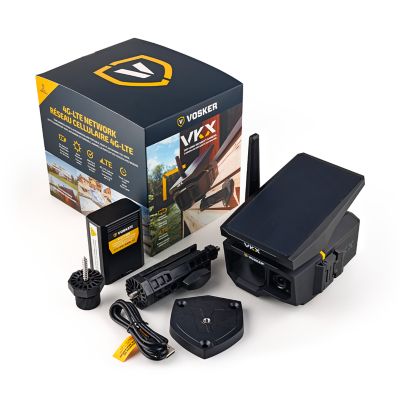
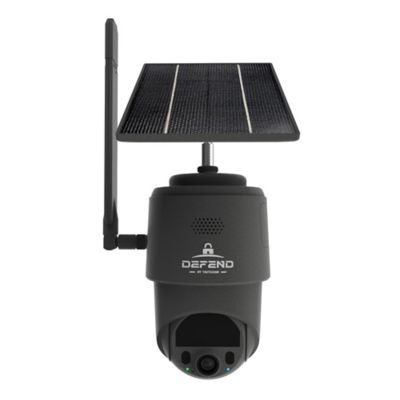
Power, connection, and recording options make a big difference in how a security camera fits into daily life. Wired security cameras may draw power through an outlet, a dedicated cable, or a compatible network connection. Power over Ethernet, often called PoE, carries power and data through one Ethernet cable when paired with suitable equipment. That arrangement can make sense for fixed camera locations where cable can be routed and protected. Wireless security cameras send data without a wired network connection, but the word wireless does not always mean battery-powered; some still need an electrical outlet. Battery-powered models offer more flexibility around mounting locations, though charging needs depend on settings, activity levels, and other operating conditions. Solar-compatible setups may help support battery charging where the panel has suitable exposure, but compatibility and placement still matter. A camera at the far end of a driveway or inside a metal-sided outbuilding may need a different connection arrangement than one near the home’s router. Distance, walls, and building materials can weaken Wi-Fi signals, so coverage at the actual mounting spot matters more than signal strength inside the house. Recording options also shape the experience. Some systems save footage to a compatible memory card or recorder, while others support cloud storage; certain systems offer both. Continuous recording provides a different record of events than motion-triggered clips, and not every camera supports both modes. Storage capacity, video resolution, and recording settings affect how much footage can be retained before older recordings are overwritten. Remote viewing generally depends on an internet connection and compatible app, while local recording during an internet interruption depends on the system’s design and power supply. For a property with several entrances, a shared viewing screen can make checking different areas simpler. For one porch or workshop door, a single-camera setup may cover the intended space without adding more equipment than the job calls for.
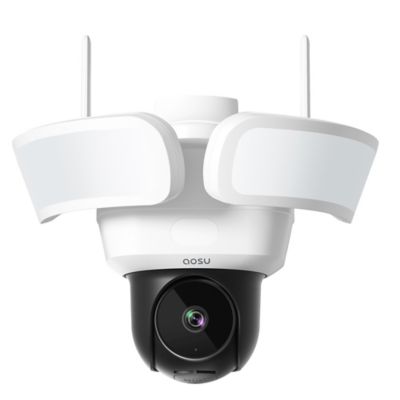
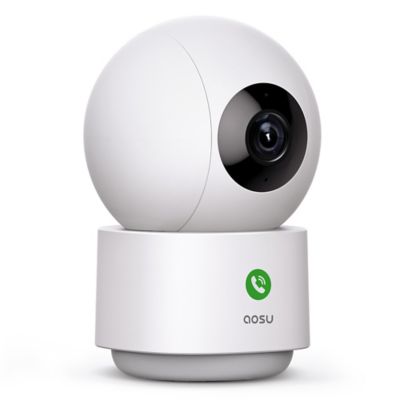
Inside the house, an
Indoor Security Camera can help monitor an entryway, check on pets, or see whether a delivery made it into an enclosed porch. Indoor placement often favors a clear view across a room without putting the lens directly opposite a bright window. A camera looking through glass can struggle with reflections, particularly when infrared lighting is active, so an indoor view through a window is not always a substitute for an outdoor-mounted camera. Pan-and-tilt movement can expand the area visible from one location, while a fixed lens keeps attention on a particular spot. In a workshop or feed room, mounting height and viewing angle can help keep shelves, open doors, and hanging gear from blocking the picture. Physical fit matters, too: the mount needs to suit the surface, leave room for the intended camera angle, and keep cables clear of moving equipment, livestock, and curious pets. Camera housings may feature metal or molded plastic, but approved installation locations and published protection ratings matter more than material alone. Mounting hardware, cable routing, and accessible charging or maintenance points all affect how practical the setup will be over time. Routine care generally includes checking for loose mounts, clearing cobwebs from around the lens, and cleaning the viewing surface according to the manufacturer’s directions. A soft cloth can help remove surface buildup without scratching the lens cover; harsh cleaners may damage finishes or seals. Privacy deserves attention alongside the view. Camera angles can focus on entrances and property access points rather than neighboring windows or private spaces, and audio recording rules vary by location. Account passwords, supported security updates, and access permissions help protect connected systems, especially when several household members share viewing access. For homeowners, acreage owners, and folks managing a shop or outbuilding, a well-matched security camera setup brings everyday activity into view while fitting the property’s layout and routines.