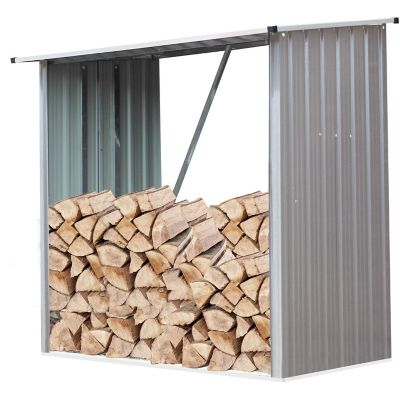
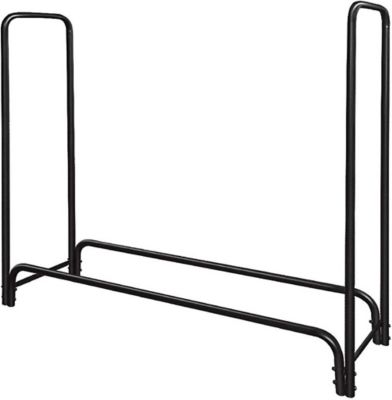
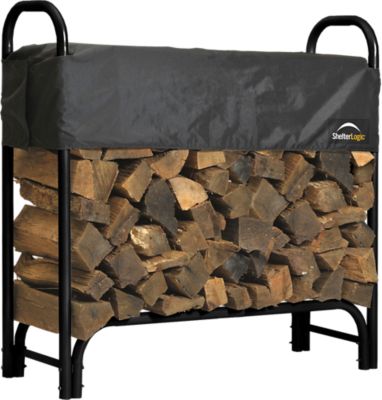
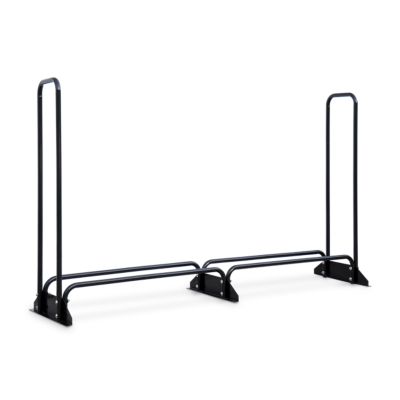
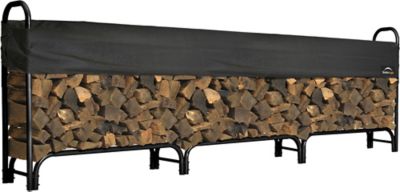
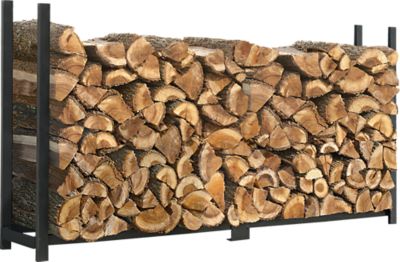
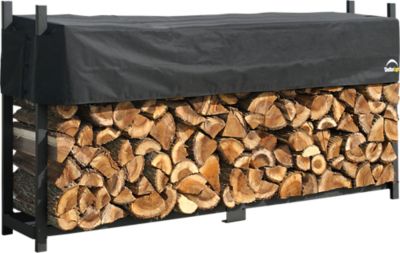
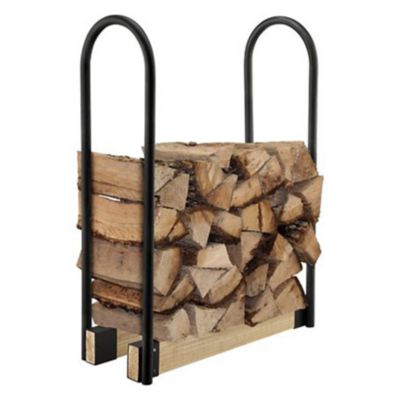
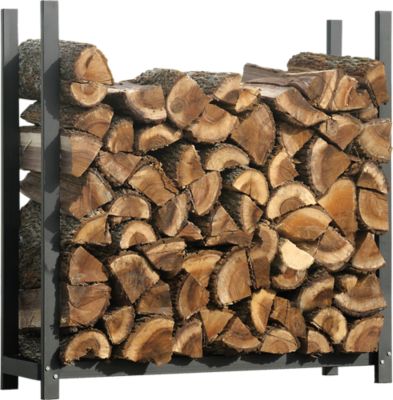
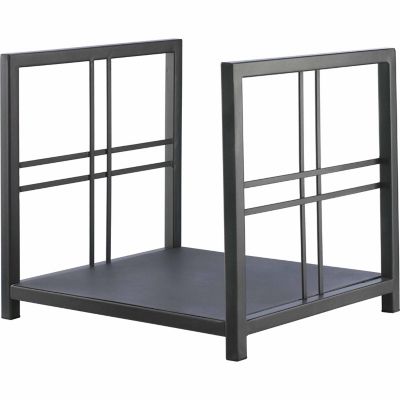
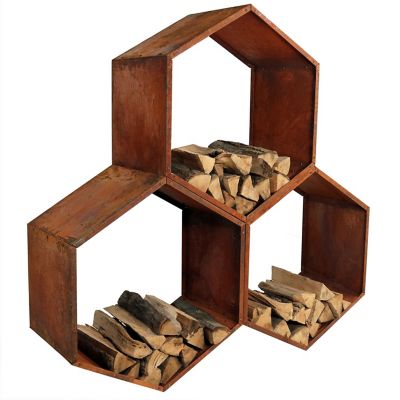
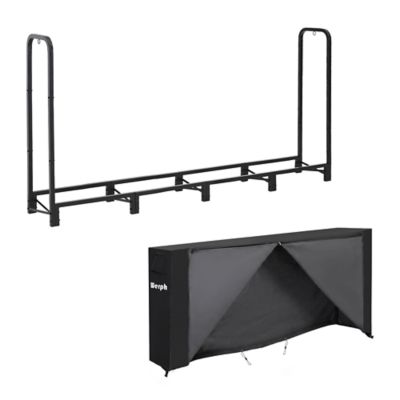
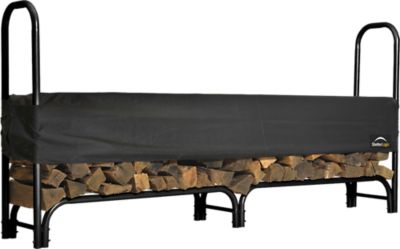
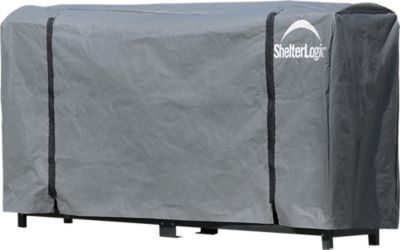
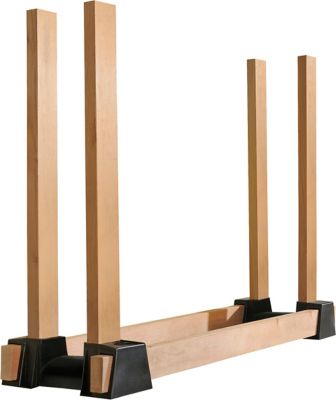
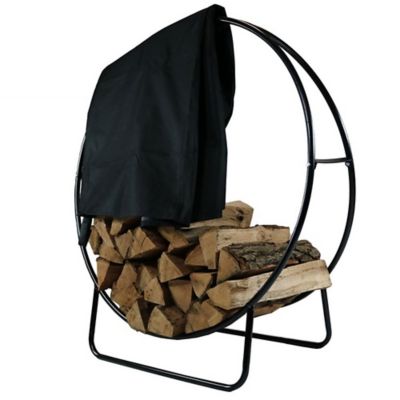
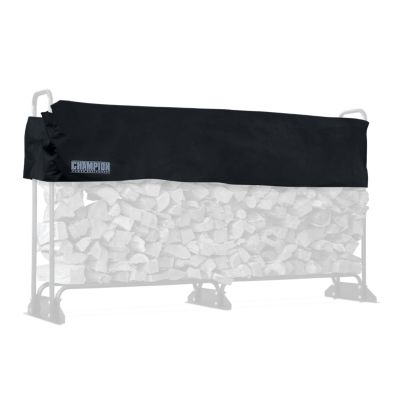
An indoor firewood rack holds a manageable supply of split logs near a fireplace or wood stove, keeping the pile organized and raised off the floor. It gives loose rounds and split pieces a defined home instead of leaving them scattered across the hearth or tucked into a corner. Depending on the design, a rack may also catch some of the bark and sawdust that comes along with every armload. That makes it a practical addition to a farmhouse living room, a cabin gathering space or any room where tending a wood fire is part of the routine. The right size comes down to how much wood the household burns between trips to the main woodpile and how much clear floor space the room can spare. A compact holder can keep a few fires’ worth close at hand without crowding a small hearth, while a wider rack can accommodate a larger working supply. Tall, narrow designs make use of vertical space, though their stability deserves close attention, especially around children and pets. Low, broad frames can offer easier access to the bottom logs and a different fit beside a long hearth. Outside dimensions tell only part of the story: log length, usable storage depth and the shape of the side supports all affect how neatly the wood sits. A rack that looks small in a roomy photograph may still project into a walking path once it is filled. Clearance matters just as much as capacity. Firewood is combustible, so the rack and its contents need to remain outside the clearances specified by the fireplace or stove manufacturer and any applicable local requirements. Nearby does not mean pressed against the appliance. A good location leaves room to open the stove door, tend the fire and move through the room without stepping around protruding logs. The result is a hearth area that feels settled and ready for everyday use, rather than a woodpile that has wandered indoors.
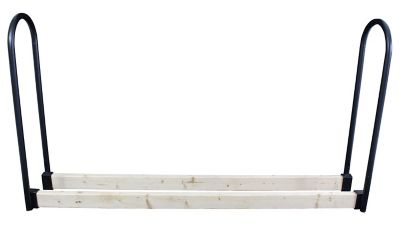
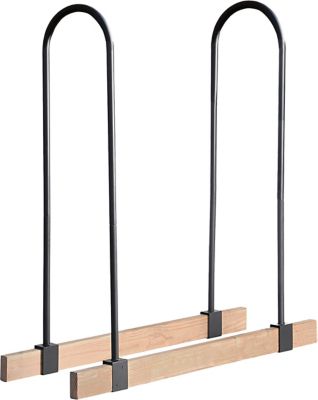
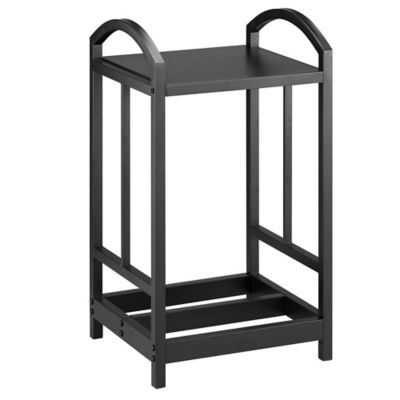
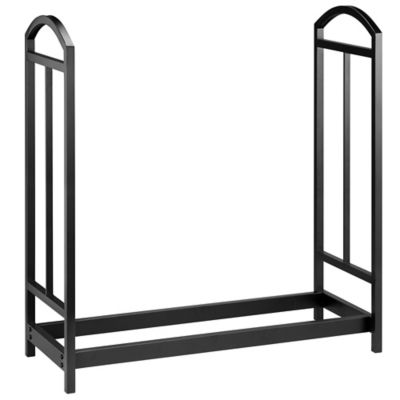
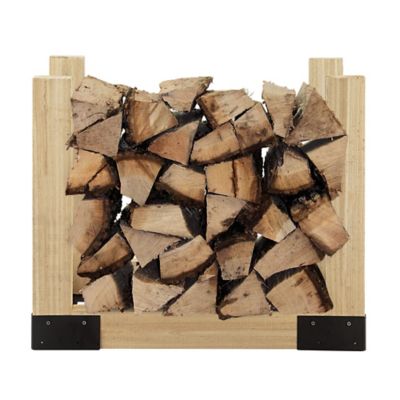
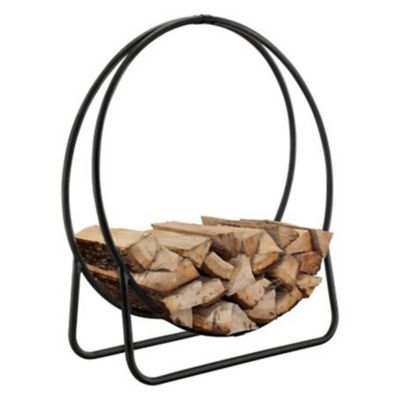
Materials and construction shape both the appearance of an indoor firewood rack and how it handles a full load. Steel frames often have a straightforward look, with square tubing, flat bars or curved supports forming the cradle. Iron designs can bring heavier lines and more visual weight to a stone or brick hearth. Wood-framed holders offer another look, though they still require the same careful attention to fire clearances as the logs they carry. Across materials, the useful details are in the joints, base and support spacing. Firm connections and a level stance help keep the rack steady as pieces are added and removed. A stated load rating is worth checking because a frame’s overall size alone does not establish how much weight it can carry. The base should suit both the wood and the floor beneath it. Open rails allow loose debris to fall through, while a fitted tray or solid bottom can help contain small chips and bark. Neither design replaces regular cleanup, and a tray should not be treated as a watertight barrier unless the manufacturer says it is one. On wood or other easily marked flooring, compatible foot pads can help limit scuffs, provided they do not interfere with the rack’s footing. Finish details matter, too. Smooth edges are easier to brush clean, and an intact painted or powder-coated finish helps protect the metal beneath it. Scratches, moisture and rough handling can shorten the life of that coating. For rooms with a simple, workmanlike feel, straight-sided frames keep the look quiet; curved profiles can soften the outline beside a broad mantel. Some configurations include space for kindling or hooks for fireplace tools, which can bring several hearth tasks into one footprint. Those additions are most useful when each compartment remains easy to reach and tools can hang without bumping the logs. Handles may make an empty holder easier to reposition, but they do not necessarily mean a loaded rack is intended for carrying.
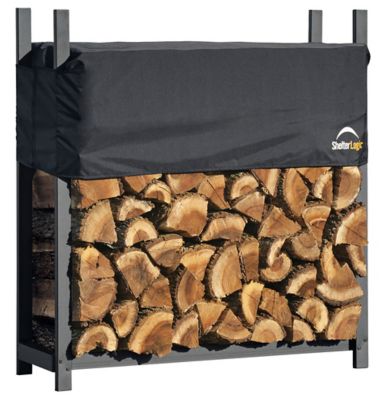
Everyday fit becomes clearer when the rack is considered alongside the way wood reaches the fire. A household bringing in split logs by the armload may favor an open top with plenty of room for placing pieces without catching knuckles on a crossbar. Someone carrying wood in a separate tote may want the rack close enough to unload comfortably, with room to set the tote down. Short splits, long splits and irregular chunks settle differently, so supports need to hold the lengths normally burned in the fireplace or stove. Neat stacking is about more than appearance: keeping pieces within the frame and below its intended fill height helps avoid a shifting pile. An indoor rack is best treated as a place for a limited supply of already seasoned firewood, not a substitute for an outdoor seasoning area. Bringing damp or freshly cut wood inside adds moisture and can introduce insects; raising it off the floor does not remove those concerns. Keeping the main supply properly stored outdoors and bringing in manageable amounts helps keep indoor storage under control. For a home with more than one storage spot,
Firewood Storage Racks can serve different roles between the main woodpile and the hearth. Care indoors is generally straightforward and should follow the manufacturer’s directions. Bark crumbs and sawdust collect around feet and under trays, so easy access beneath the frame makes routine sweeping less of a chore. Metal surfaces benefit from prompt drying after contact with moisture, while fasteners may need occasional checks as the rack settles into regular service. A holder that can be emptied and moved without fuss also makes floor cleaning easier. For a housewarming gift, an indoor firewood rack makes the most sense when the recipient has a wood-burning hearth and enough space for the footprint. Matching the rack to that space, the usual log size and the household’s fire-tending habits gives it a useful place in daily life.