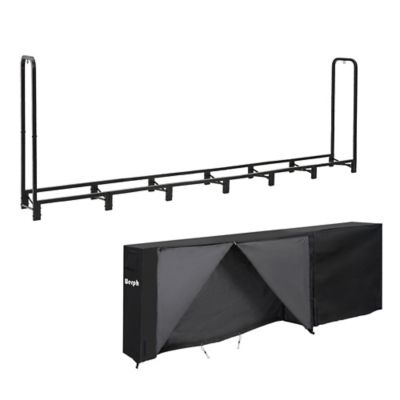
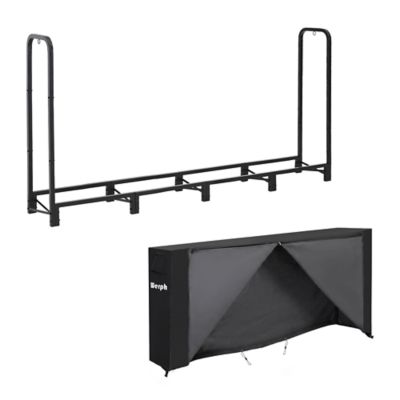
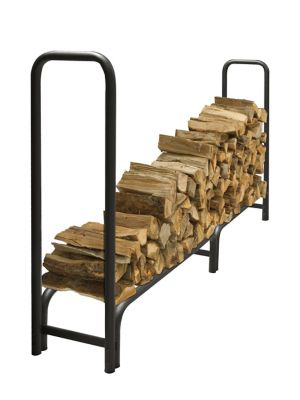
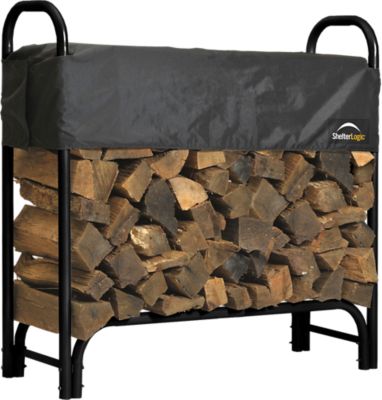
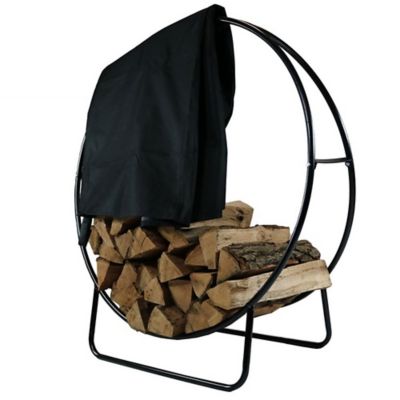
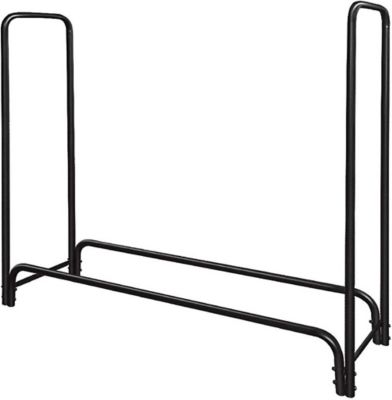
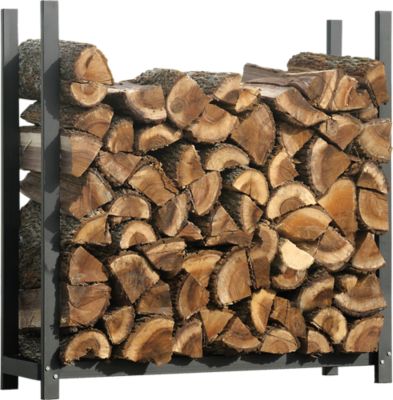
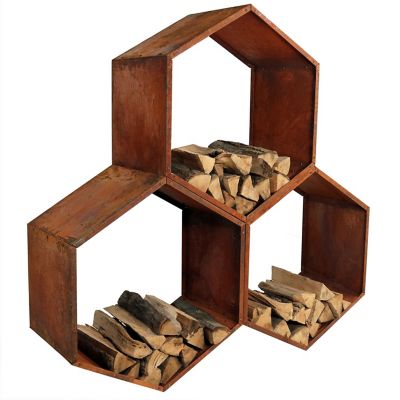
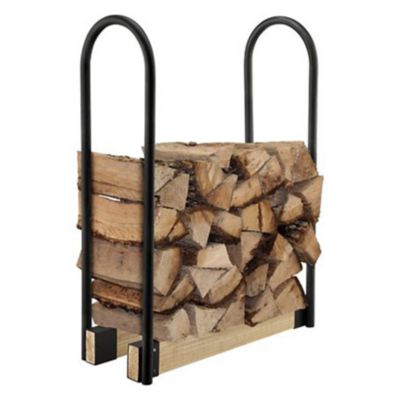
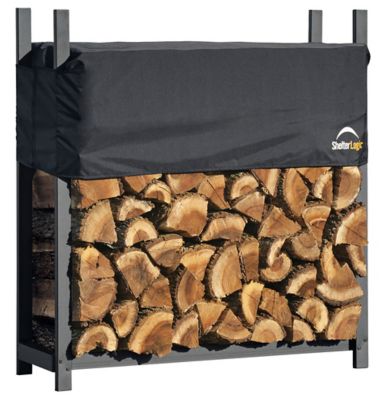
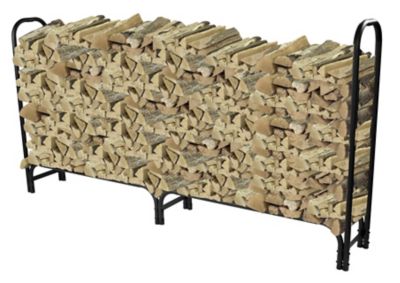
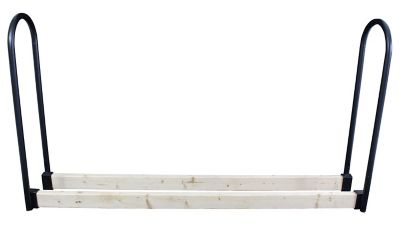
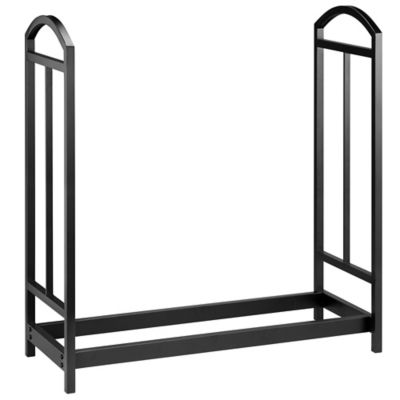
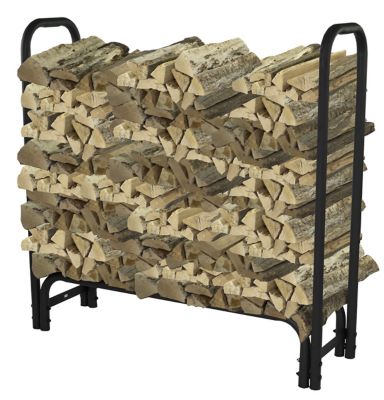
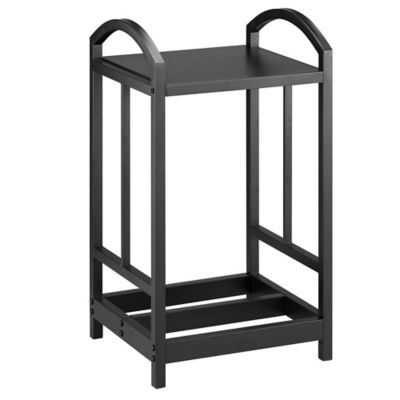
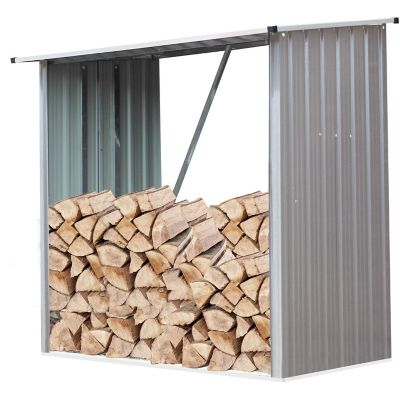
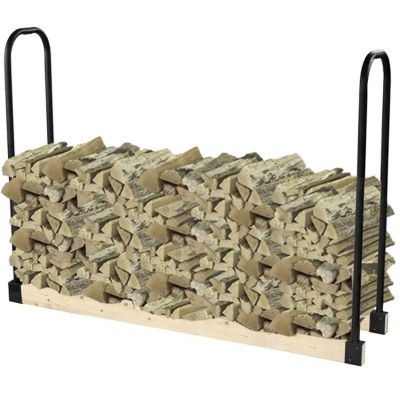
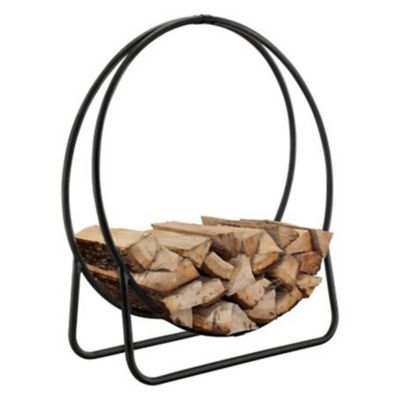
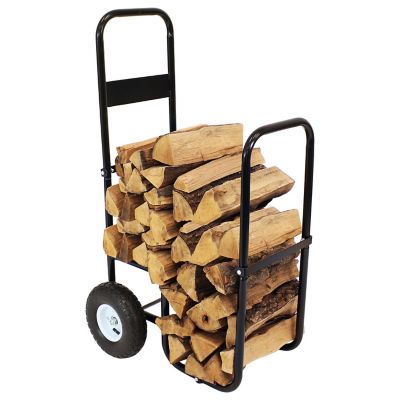
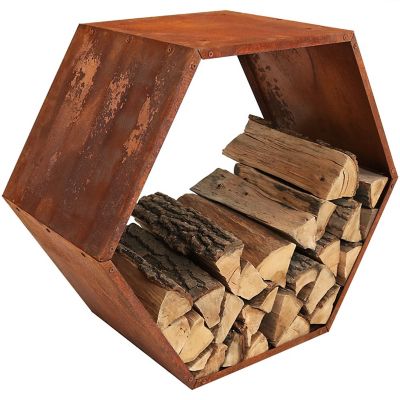
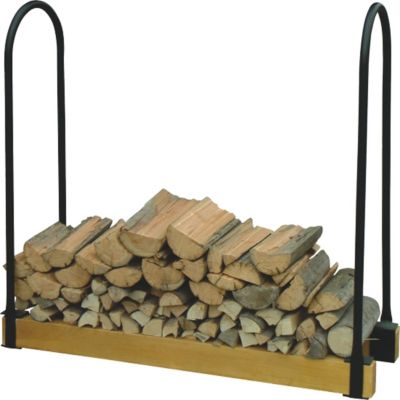
Heavy-duty firewood racks hold large stacks of split wood up off the ground, with raised bottom rails to support the logs and upright ends to keep the pile from spreading. That gap underneath lets air reach the bottom row and keeps it out of direct contact with damp soil, which can help limit rot. An elevated stack is also easier to check for insects or signs of rodents than a pile on the ground, though a rack won't keep pests out on its own. The extra support makes sense when a woodstove gets steady use, when a cabin needs more than a few armloads on hand or when there’s a whole load of split oak to get out of the bed of a pickup. For a pile that size, how much wood fits and how much weight the frame can carry are two different things. Storage capacity tells you how much space there is for stacked wood; the load rating tells you how many pounds the frame can support when set up and loaded as directed. A full cord measures 128 cubic feet of stacked wood, including the spaces between the pieces, but its weight varies by wood species and moisture content. A stack of freshly split oak can put more weight on the rails than the same volume of seasoned pine. The rack doesn’t have to look full to be at its weight limit. A household that burns wood regularly may have two jobs for
Firewood Storage Racks: holding the main supply and keeping a smaller stack of ready-to-burn splits within easy reach. A long rack can make sense for the first job without taking up space where a few armloads would do for the second.
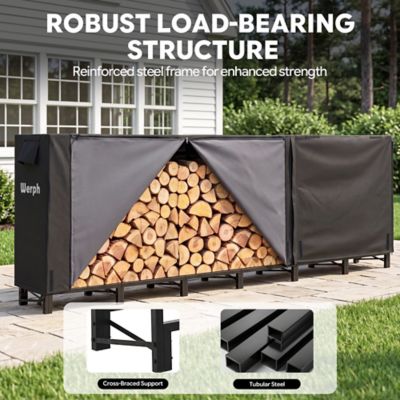
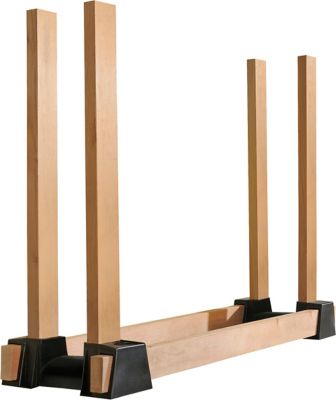
Steel is common in heavy-duty firewood racks, but there’s more to the build than the material alone. Crossbars under the stack help support the bottom rails, braces help keep the frame from shifting side to side, and upright ends help hold the outer rows in place. A powder-coated finish can help protect steel from corrosion, while broad feet give the frame more contact with the surface beneath it. A sturdy frame still needs firm, level footing so one end isn’t settling under the load. A concrete pad can give the feet an even place to sit, while loose soil may let them sink unevenly. If the spot is on a raised deck or porch, the surface has to support the weight of the loaded rack, not just the empty frame. Fit matters at the log level, too. Short splits need to span the gap between the bottom rails rather than drop through it, and long pieces shouldn’t stick so far out that they catch a pant leg along a walkway. A taller frame can hold more in a short stretch of space, but a lower, longer one can be easier to load without lifting big splits shoulder-high. The footprint on paper is only part of the space the stack takes up. Leave room at the loading side to set down a wheelbarrow, turn with an armload or pull out a crooked piece without bumping into a gate or squeezing past a parked mower. A spot beside the woodshed may look out of the way until there’s no room left to swing the shed door. When space allows, keeping the main pile away from the house siding also leaves room for airflow and makes it easier to see what’s gathering behind the stack.
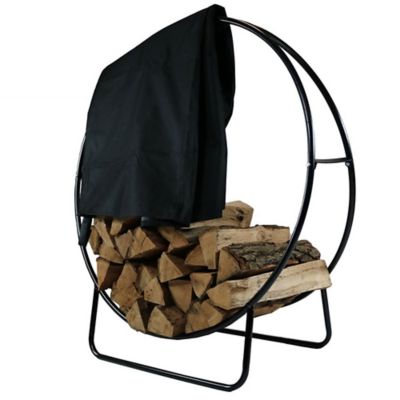
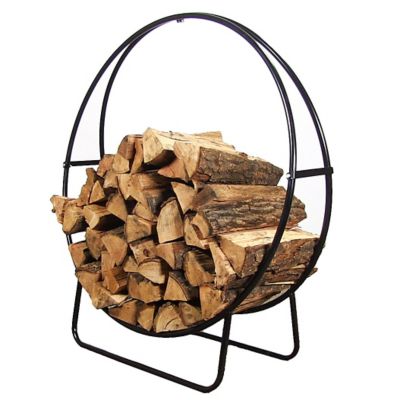
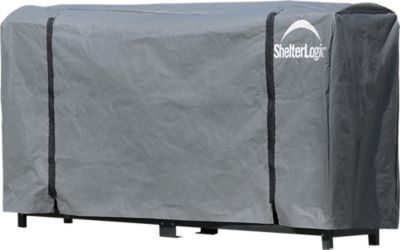
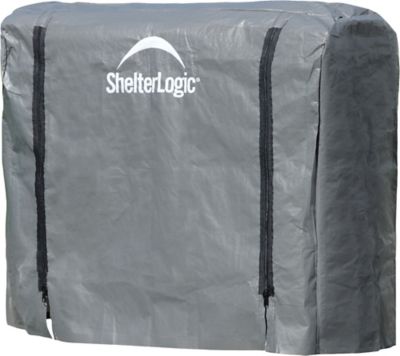
A rack earns its keep every time wood goes on or comes off. With a long frame, it can help to leave seasoned splits at one end and add freshly split wood at the other. That way, the dry pieces aren’t buried behind the new load, and grabbing a few logs doesn’t mean sorting through the whole pile. Fairly even rows within the uprights are steadier than a heap of odd pieces poking out in every direction. Big, flat splits make a more settled bottom row, while smaller or irregular pieces are easier to pick up from higher in the stack. If the rack has a cover, one that shields the top while leaving the sides open lets moisture escape instead of trapping it around the wood. At the hearth, a smaller rack or holder can keep a few splits together and bark off the walking path, provided it’s well clear of the stove or fireplace and meets the required clearances for the appliance. The main rack is easiest to look over when the pile runs low. That’s a good time to brush away bark and wood chips from around the feet, check that the frame still sits level and inspect the joints for loose fasteners or signs of rust. A scrape in a coated finish is easier to spot before it disappears behind another row of logs. For someone settling into a place with a woodstove, a rack can make a practical housewarming gift, especially when the spot for the pile and the length of the splits are already known. Whether it’s set out by a sugar shack, along a woodshed or near a backyard fire pit, the right frame gives the wood a place to go from the first load to the last few pieces.