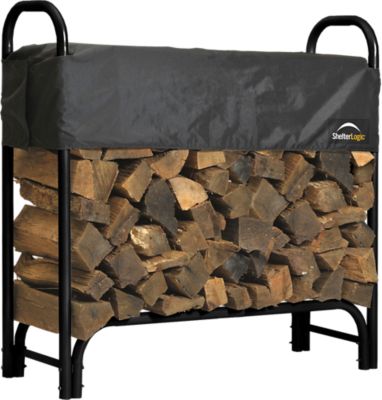
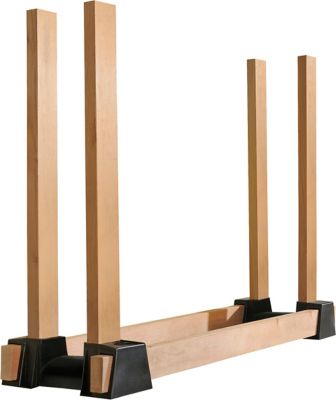
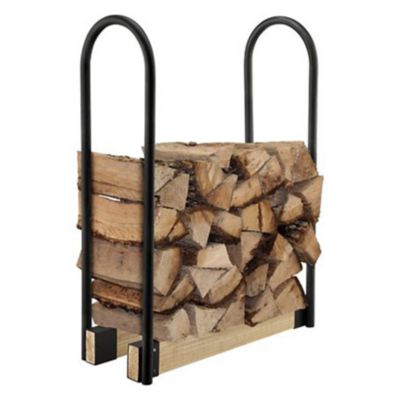
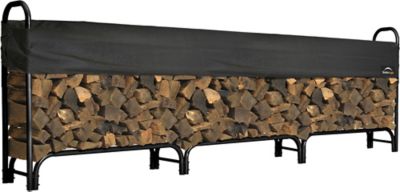
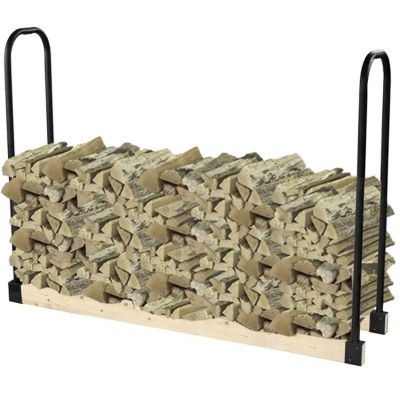
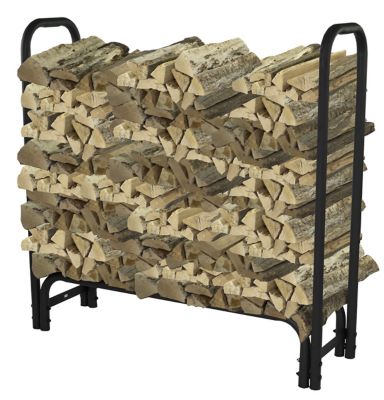
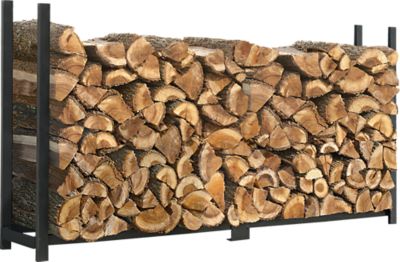
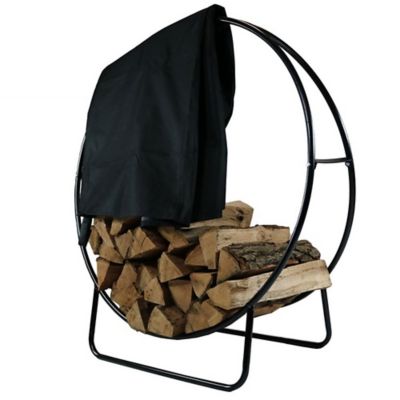
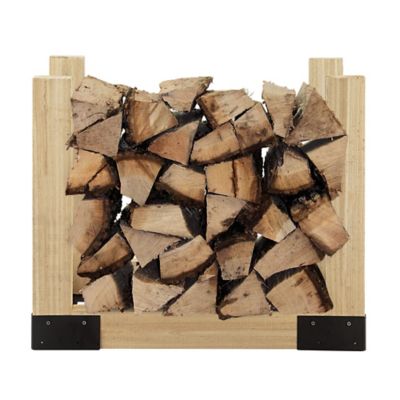
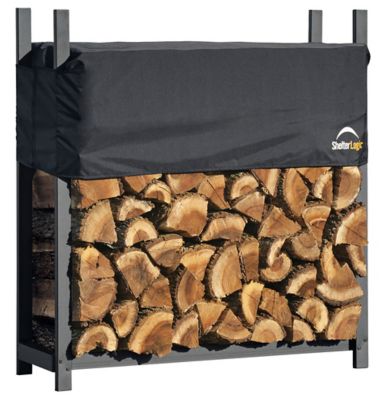
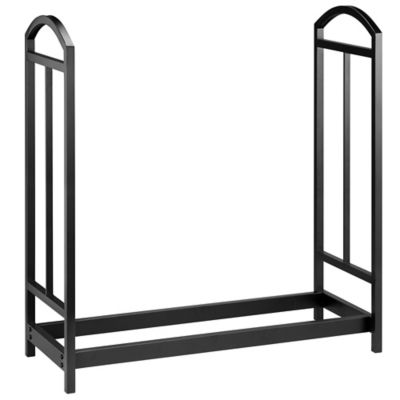
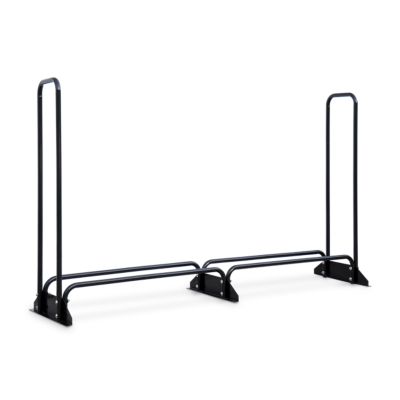
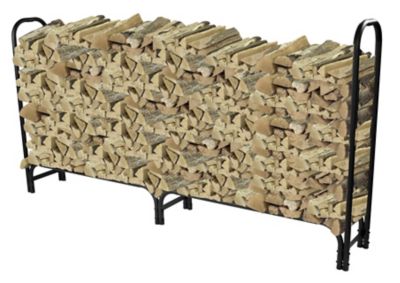
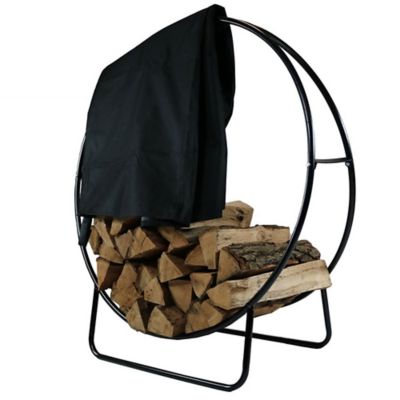
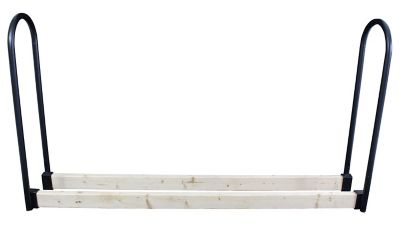
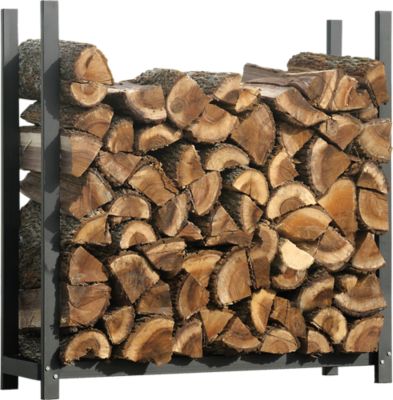
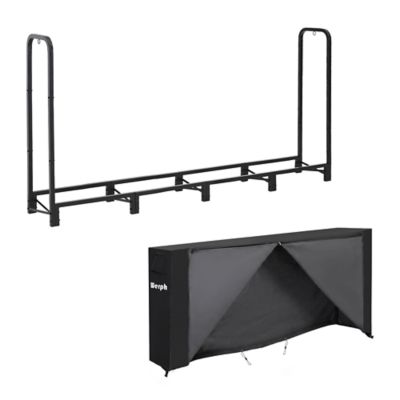
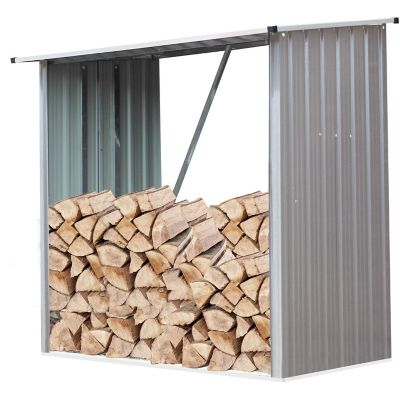
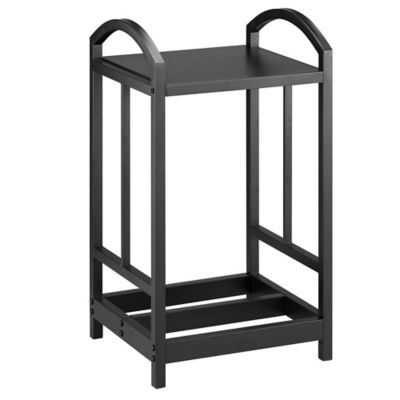
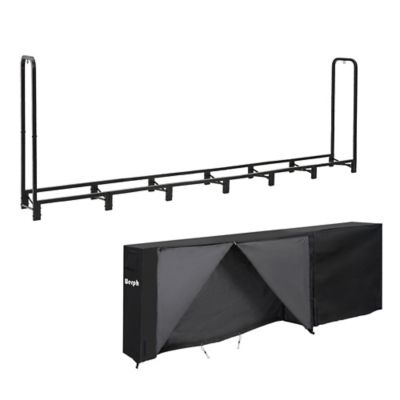
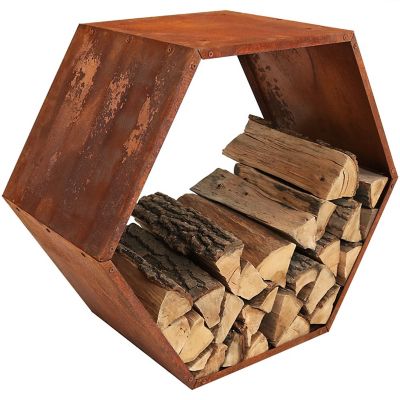
Firewood storage racks keep split logs off the ground, contained in a steady stack and easier to reach when it’s time to feed the stove or build a fire. They also leave room for air to move around the wood, which helps with drying when the stack has enough space and protection from rain. The main differences among firewood racks are placement, capacity, frame material and overall shape. Indoor firewood racks generally hold a smaller supply close to a fireplace or wood stove, while outdoor racks handle larger stacks near a woodshed, driveway or other convenient spot. A low, wide rack can work well along a shed wall, while a taller, narrower frame takes up less floor space beside a hearth. Round log holders and open rectangular frames offer different ways to contain a small supply, but the right fit comes down to the space and the wood going into it. Rack width alone does not tell the whole story: depth determines how well the frame supports the logs, and height affects how much wood the rack can hold without stacking above its intended limit. Short stove splits need support beneath both ends, while longer fireplace logs need enough depth to sit securely without creating a tripping hazard in a walkway. Weight capacity matters, too, since freshly cut wood is generally heavier than seasoned wood, and dense hardwood can put a substantial load on a frame. Capacity descriptions deserve a close look when comparing firewood storage racks. A full cord measures 128 cubic feet of neatly stacked wood, including the air spaces between pieces; a face cord does not describe a fixed volume unless the log length is also given. Checking the rack’s dimensions, stated load limit and capacity assumptions makes it easier to match storage space to a few evening fires, regular woodstove use or a larger reserve outside.
For a larger woodpile,
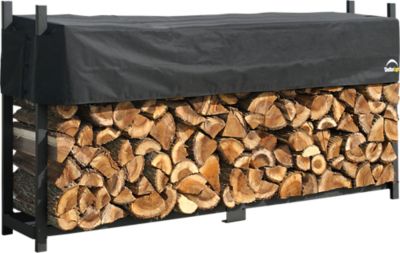
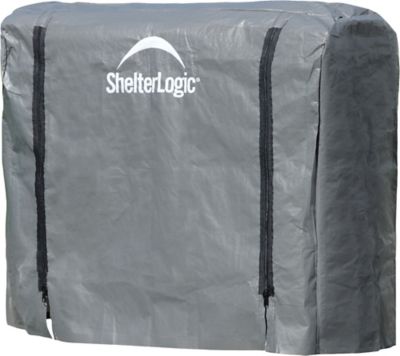
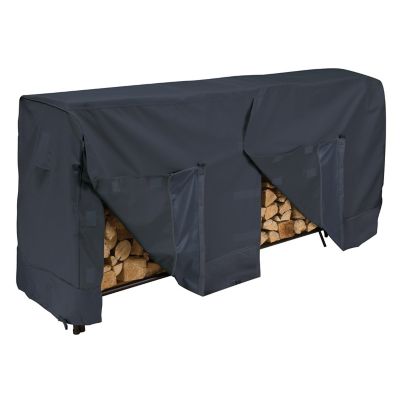
Outdoor Firewood Racks provide a defined place to stack logs without laying the bottom row directly on soil. Outdoor storage brings frame construction, footing and exposure into the picture. Steel frames can carry substantial loads when built and assembled for that purpose, and a powder-coated or painted finish helps protect the metal from moisture. Welded joints, bolted connections, cross supports and the thickness of the frame all contribute to how a rack handles a load; a finish alone does not determine its strength. Iron frames may bring extra heft, while designs that combine metal supports with lumber call for attention to the condition and suitability of the wood components. A level, firm base is important for any loaded rack. On soft ground, narrow feet can settle unevenly, leaving the frame leaning and the stack harder to manage. A suitable pad or stable supports beneath the feet can help distribute the load, provided they follow the rack manufacturer’s setup directions. Placement matters just as much as construction. A spot with airflow and convenient access makes more sense than a damp corner where runoff collects, and keeping the pile separated from the house helps limit opportunities for wood-dwelling pests to move indoors. Covers can help shed rain and snow, but firewood still needs ventilation. For wood that is seasoning, protection over the top with the sides open generally allows better airflow than wrapping the whole stack tightly in a tarp. Properly seasoned firewood typically has a moisture content below 20%, checked on a freshly split face with a moisture meter; a rack supports the drying process but cannot make fresh-cut logs ready to burn overnight. Clearance beneath the stack also makes it easier to sweep away bark and leaves, check the base and spot a shifting foot before the lean becomes a bigger problem.
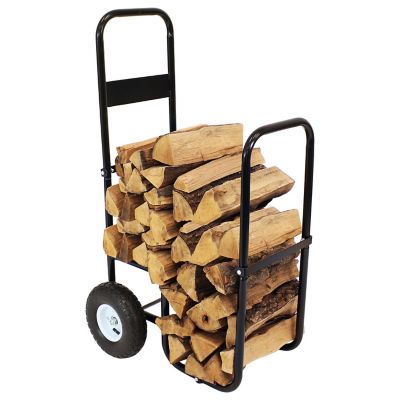
Inside, a firewood holder earns its place by keeping a manageable supply together without taking over the room. A hearth rack should fit the logs and the space around it, with enough clearance for loading the stove, opening fireplace doors and walking past with an armful of wood. Firewood is combustible, so both the rack and its contents belong outside the clearances specified for the fireplace, stove or other heating appliance. A metal frame does not make a stack of logs safe to place against a hot surface. For a busy household, a low frame with a broad base can make loading easier and help keep the stack settled; taller designs need particular attention to balance and placement around children and pets. An open bottom lets loose bark fall through, while a solid tray can help catch chips and keep cleanup contained. Floor contact deserves a look as well, especially on wood or tile, where the feet should sit evenly and any protective pads need to suit the floor and the loaded weight. Some households prefer a small holder that gets refilled from the outside pile, rather than bringing a large supply indoors. That arrangement keeps the path to the fire short while limiting the bark, dirt and hitchhiking insects that can come in with logs. Handles or a separate log carrier can make that trip simpler, especially when the route runs through a mudroom or across porch steps. Routine care stays straightforward: clear away debris, inspect connections, tighten hardware as directed and address damaged finishes according to the manufacturer’s recommendations. Before loading a rack after a move, check that it sits squarely and that its supports are fully seated. From a compact hearth holder for a cabin to a larger frame for a home heated with wood, the most useful firewood storage rack fits the space, supports the intended load and makes every trip to the woodpile a little less of a chore.