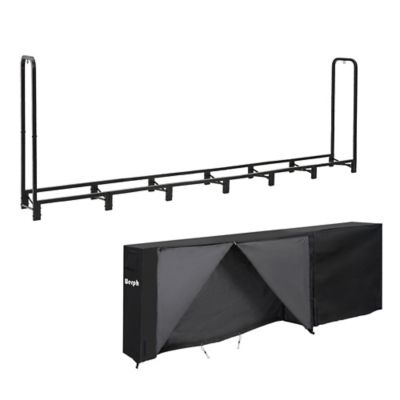
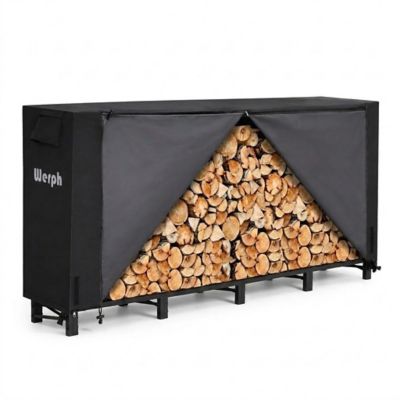
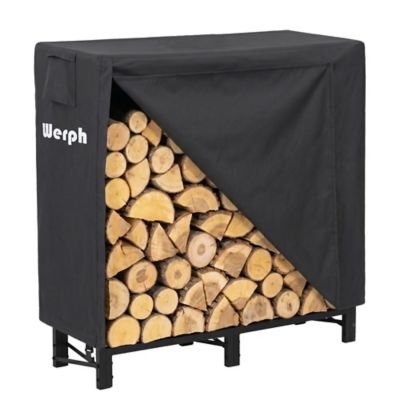
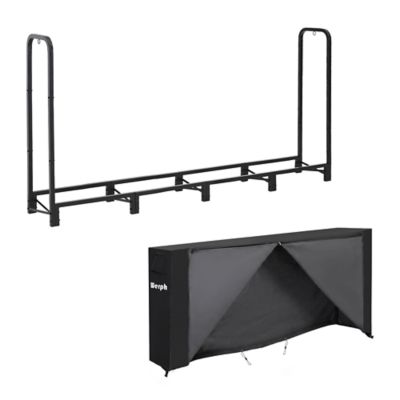
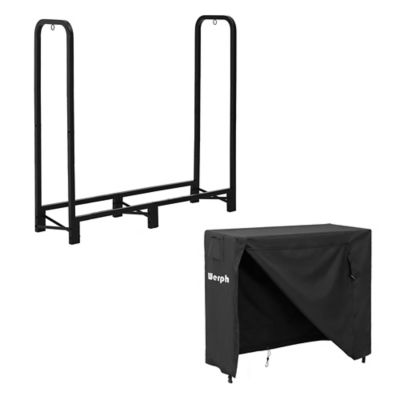
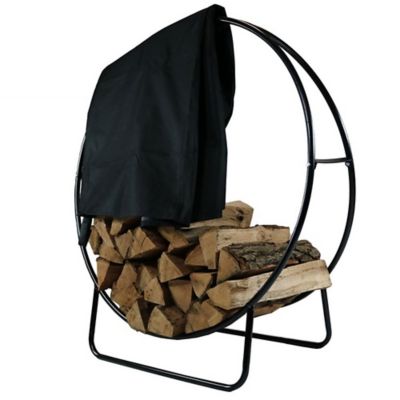
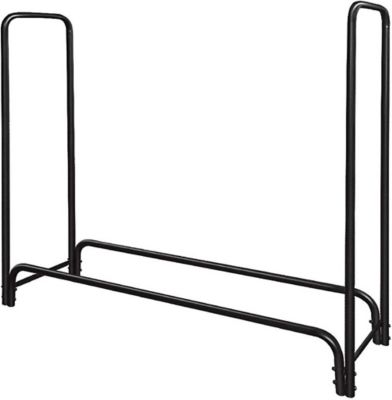
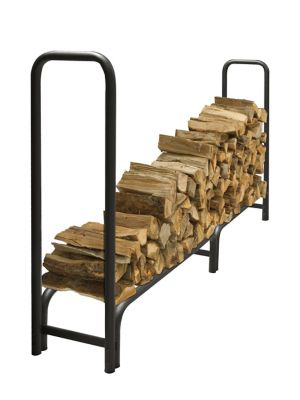
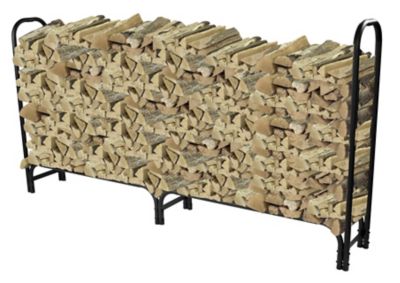
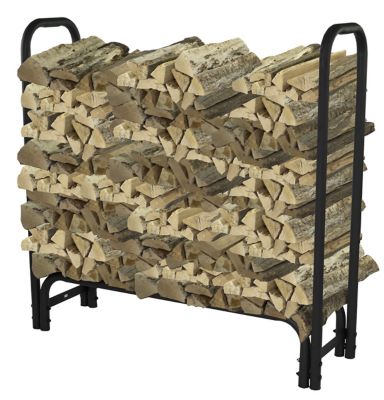
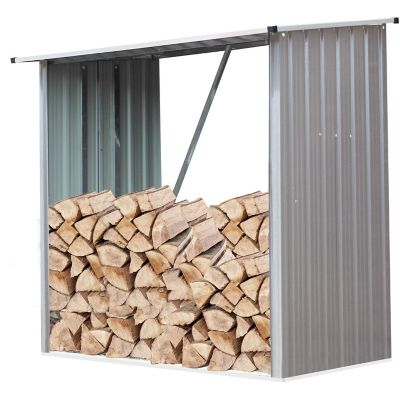
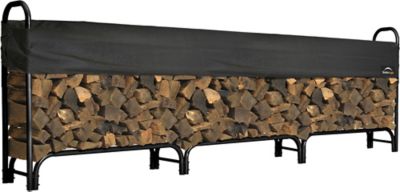
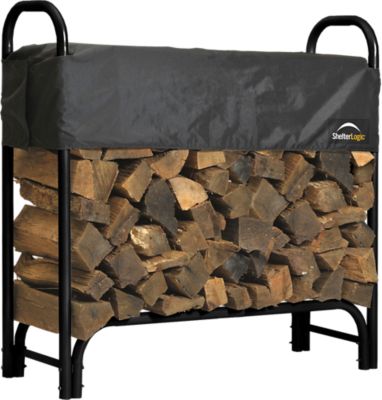
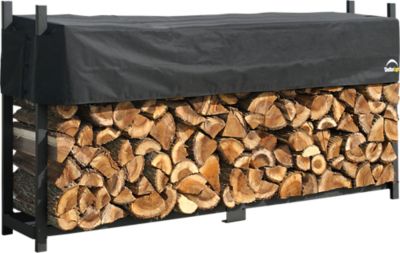
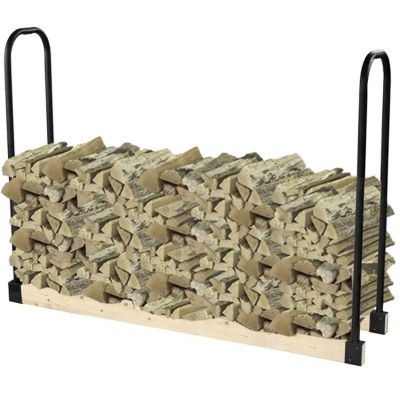
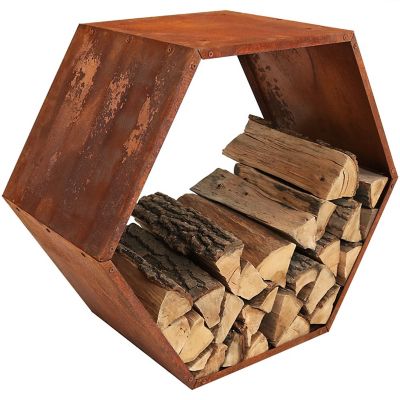
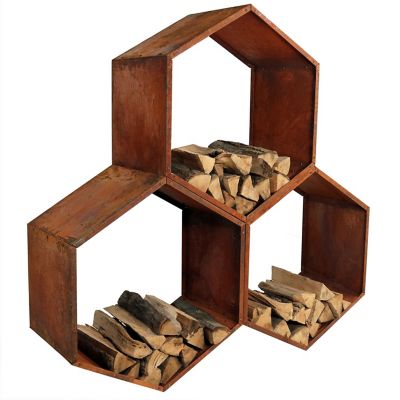
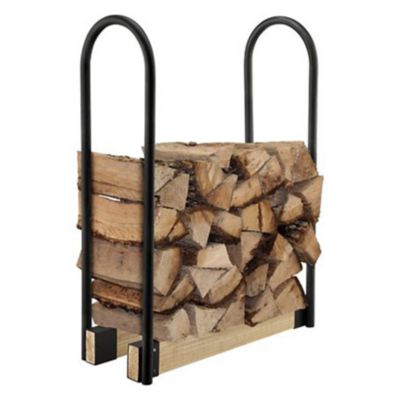
Outdoor firewood racks keep logs off the ground, organize the woodpile and leave room for air to circulate around the stack. That raised design helps limit contact with damp soil and supports the drying process, while a properly fitted top cover can help shield the wood from rain and snow. A rack does not make freshly cut wood ready to burn overnight, but it gives split logs a better place to season than a heap on the ground. For a household with a wood-burning stove, a backyard fire pit or an outdoor fireplace, a defined storage spot also makes everyday hauling easier. Instead of sorting through a sprawling pile, there’s a clear place to gather an armload and room to see what needs replenishing. A small rack near a gathering area can hold enough wood for occasional fires, while a larger setup can serve a household that brings in logs regularly. The best fit depends on how much wood moves through the property and how far it travels between the main pile and the fire. A rack beside an accessible path saves steps without putting the stack in the way of chores, gates or equipment. Firm, level footing matters, too: concrete, pavers or a well-prepared gravel pad can help support the load, provided the rack sits evenly and its feet do not sink. Leaving clearance around the stack gives air a path through the wood and makes the area easier to inspect and clean. Space between firewood and building siding also makes it easier to spot insects, collect loose bark and avoid trapping moisture against the wall. For properties where a wheelbarrow or log cart handles the heavy lifting, enough approach space can make a bigger difference than squeezing the largest possible rack into a narrow corner. A manageable woodpile should fit the way the place runs, whether that means a few logs for an evening outside or repeated trips to feed the stove.
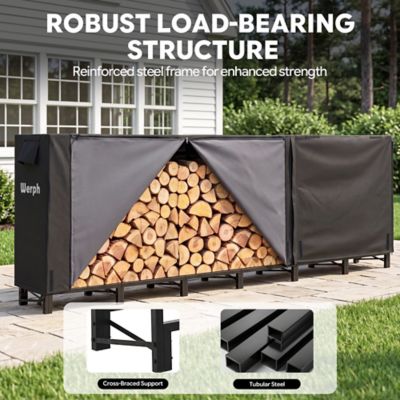
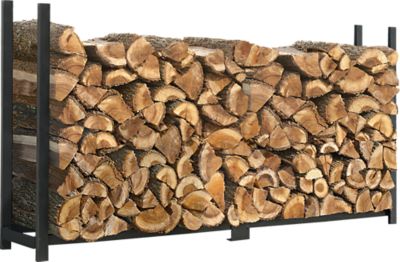
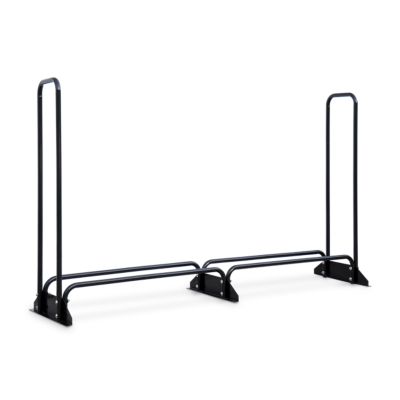
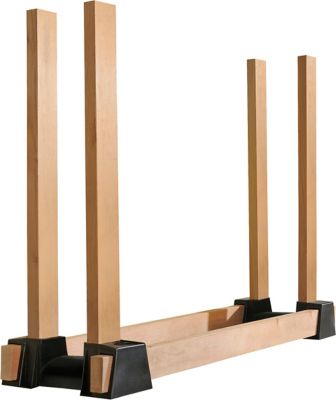
Materials and construction affect how an outdoor firewood rack handles that steady load. Steel is a common choice because its frame can support tightly stacked logs without taking up much space around them. Powder-coated finishes provide a barrier against outdoor exposure, though scratches, worn edges and damaged coating can leave the metal underneath open to rust. Galvanized surfaces offer another approach to corrosion resistance. Neither finish eliminates the need for occasional attention, especially where moisture collects around feet, joints or fasteners. Wood-framed racks bring a different look and may fit naturally beside a shed or wood fence, but outdoor suitability depends on the lumber, hardware and construction. Across materials, solid connections, stable feet and adequate bracing matter more than appearance alone. A tall, narrow frame needs particular attention to balance, while a longer rack needs support across its span so the weight does not concentrate in one weak spot. Capacity descriptions deserve a close look because the amount a rack holds depends on log length, stacking height and how neatly the pieces fit together. Overall width tells only part of the story. Depth determines how well the frame supports the logs, and the height of the end supports affects how much wood can sit between them without building an unstable pile above the frame. Short splits need enough contact with the base to stay put; longer pieces need room without projecting into a walkway. Manufacturer load limits and assembly directions provide the right boundaries for each design. For routine care, loose bark and leaves should not be left packed around the base, and bolts may need checking after assembly and periodically afterward. Small areas of finish damage are easier to address before rust spreads, following the manufacturer’s care recommendations. A rack that stands square, carries its load evenly and leaves room for cleanup is better suited to years of wood hauling than one chosen by size alone.
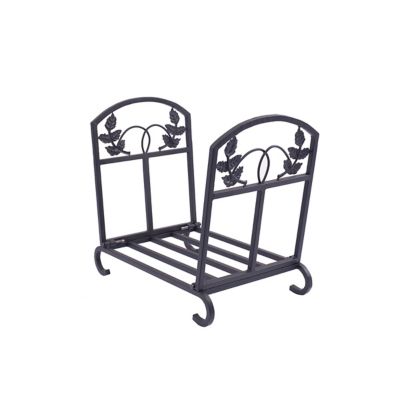
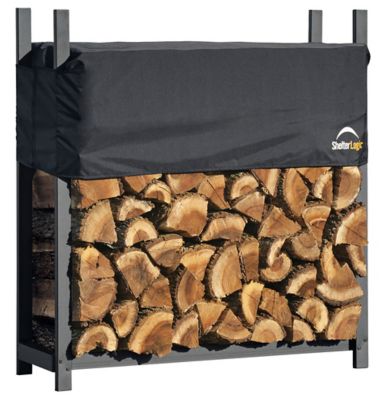
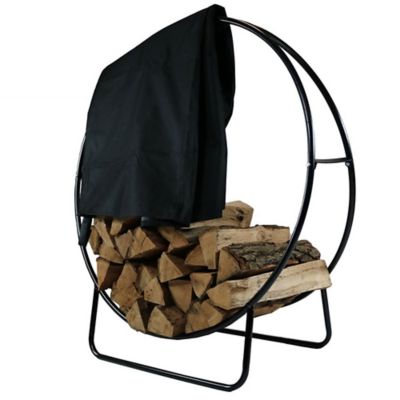
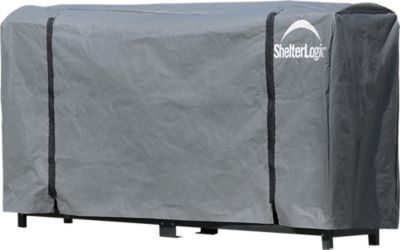
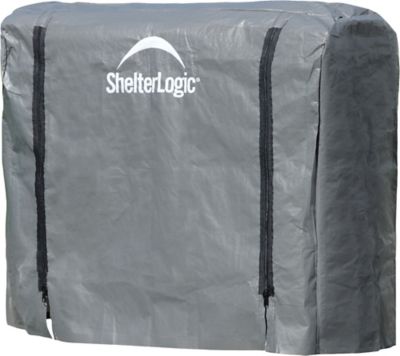
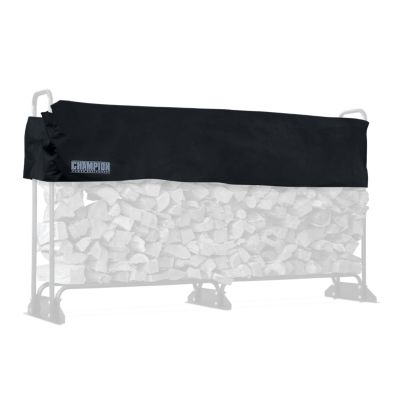
Covers add another consideration because keeping rain off the stack is not the same as sealing the wood away from air. A top cover that sheds water while leaving the sides open can help protect the upper logs without trapping damp air throughout the pile. Full-length covers may suit some storage situations, but ventilation and the condition of the wood underneath still matter. Freshly split wood needs time and airflow to dry, and even well-seasoned firewood can pick up surface moisture when left exposed. Cover fit is worth checking against both the rack dimensions and the expected height of the stack; an oversized cover can sag and collect water, while one pulled too tightly may be difficult to secure. Attachment points help keep the cover in place, but they should not become a substitute for a stable rack and a balanced load. The wood itself benefits from an orderly stack, with larger, steady pieces forming a sound base and loose rounds kept from rolling into a path. Separating a drying supply from wood ready for the next fire makes it easier to reach for the right logs without reshuffling the whole pile. For indoor burning, moisture content around 20 percent or lower is a common target, and a moisture meter reading taken on a freshly split interior face gives a better indication than checking only the outside. The outdoor rack can hold the main supply, while
Indoor Firewood Racks provide a separate place for a smaller amount near the hearth. That arrangement keeps most bark, insects and hauling mess outside while putting a manageable armload close at hand. For someone settling into a home with a wood stove or spending more evenings around a fire pit, an outdoor rack can also make a practical gift when its dimensions and capacity suit the space. The right setup earns its place through simple, everyday benefits: logs supported above the soil, an orderly loading area and less wrestling with the pile whenever it’s time to build a fire.