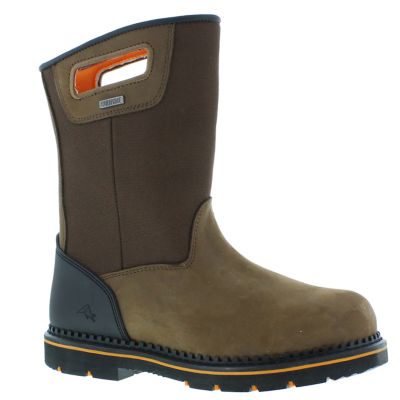
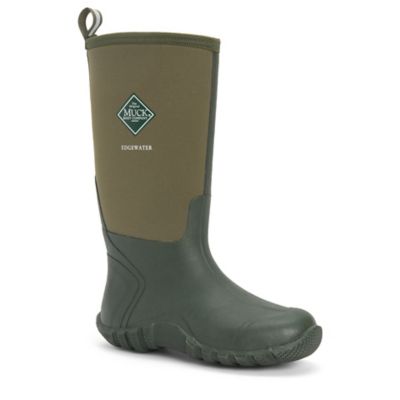
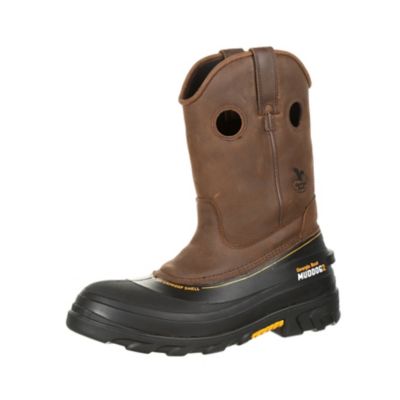
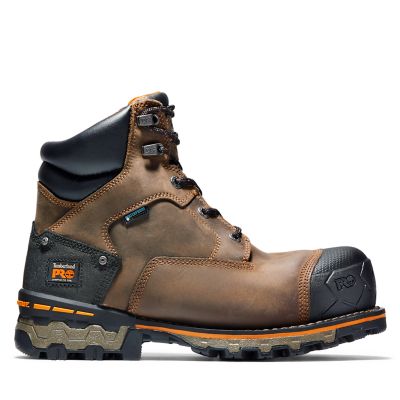
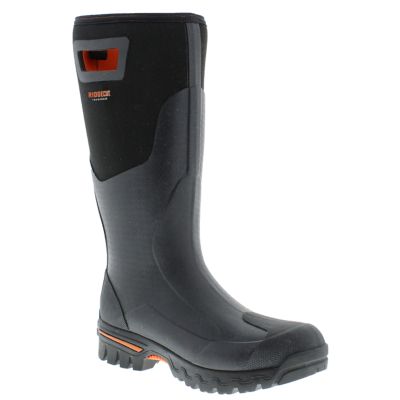
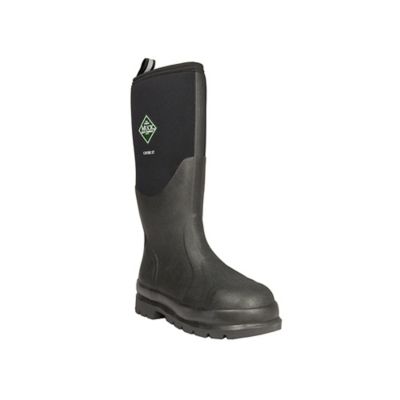
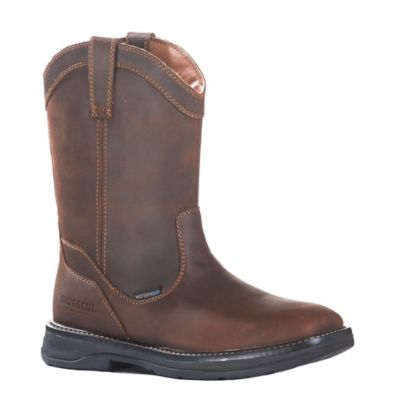
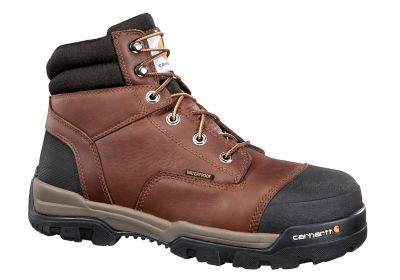
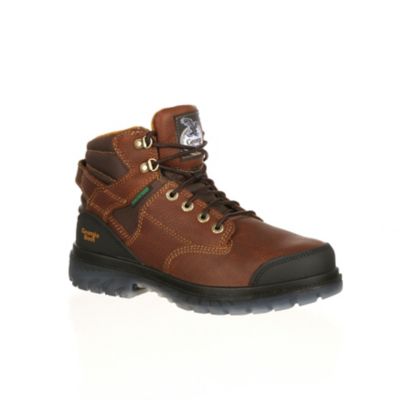
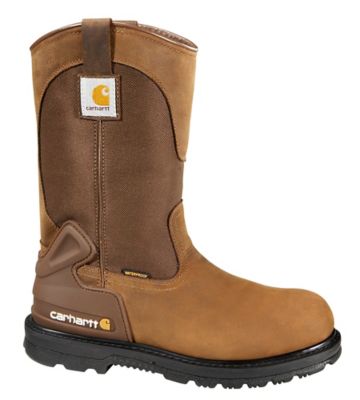
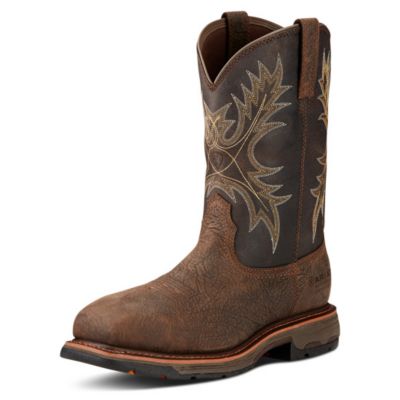
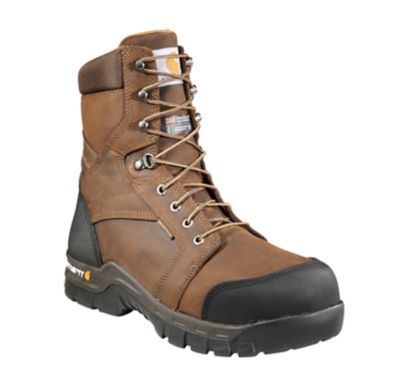
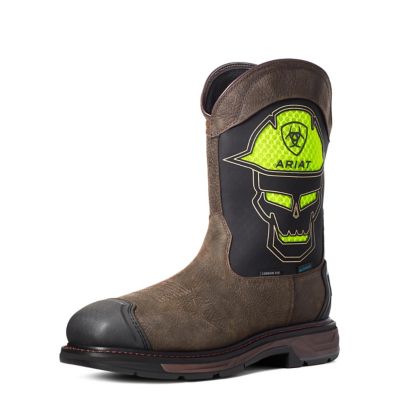
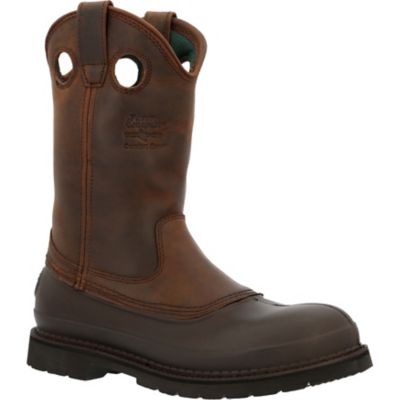
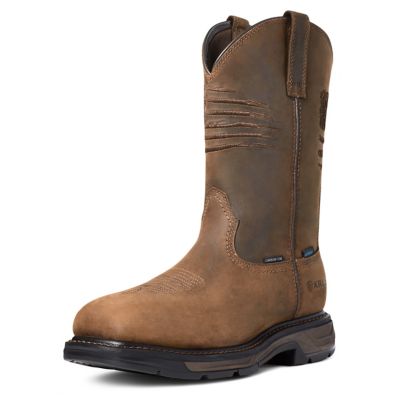
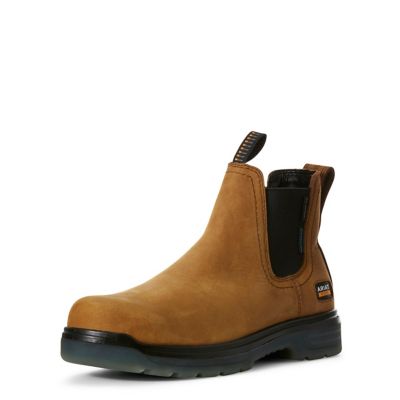
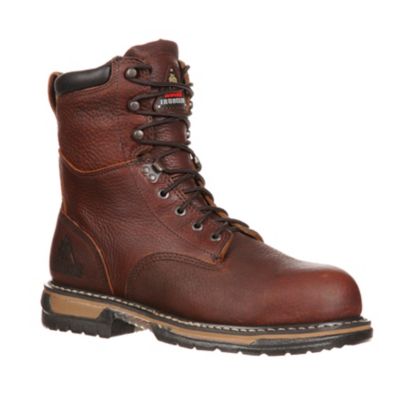
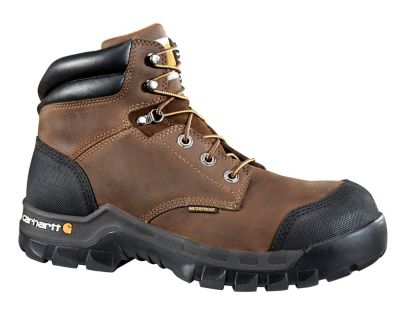
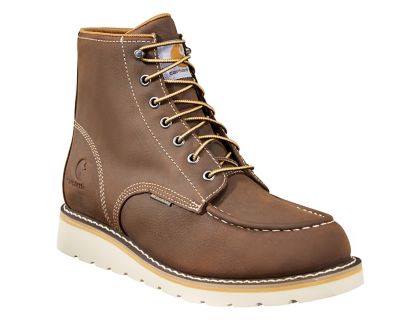
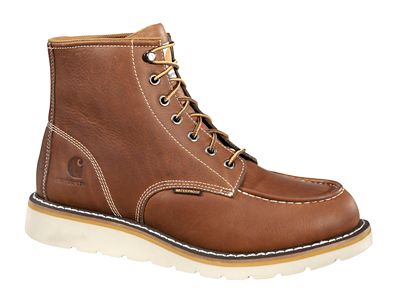
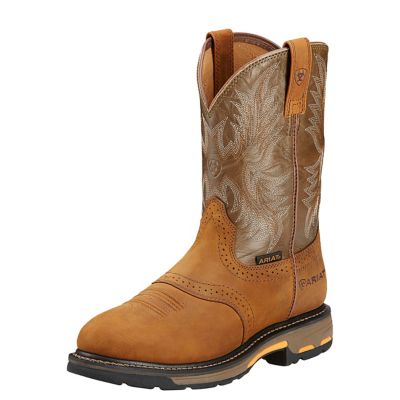
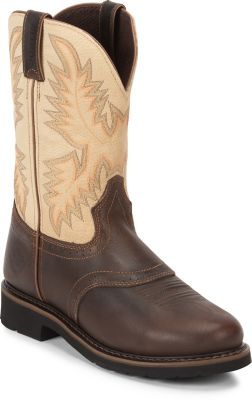
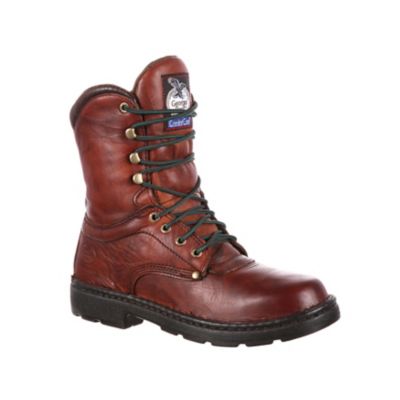
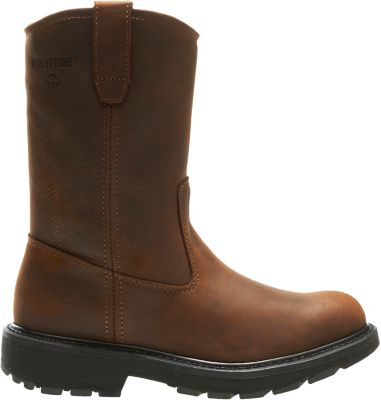
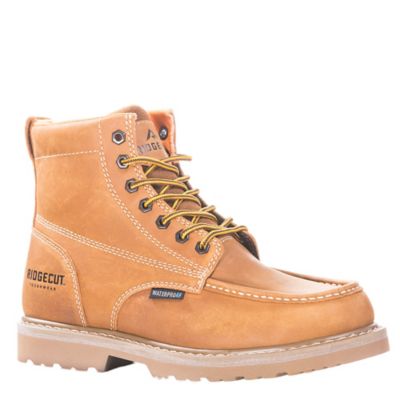
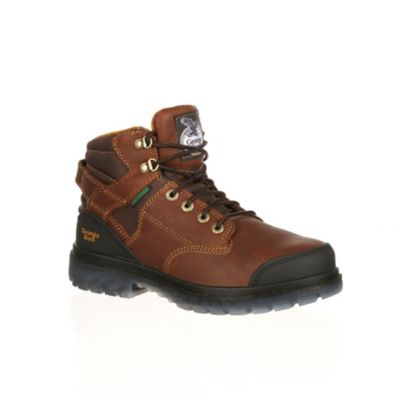
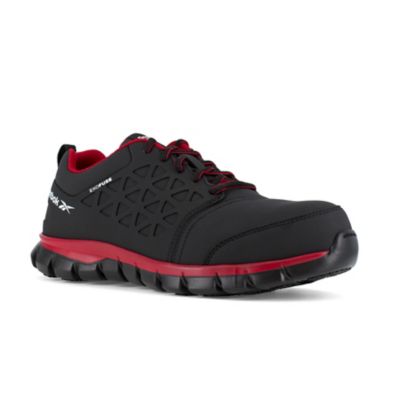
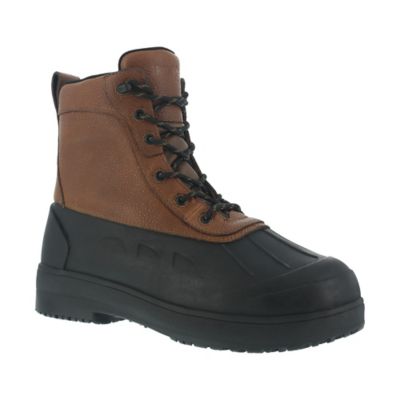
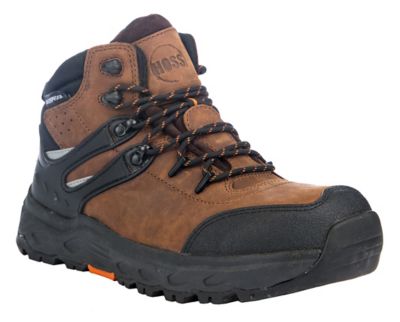
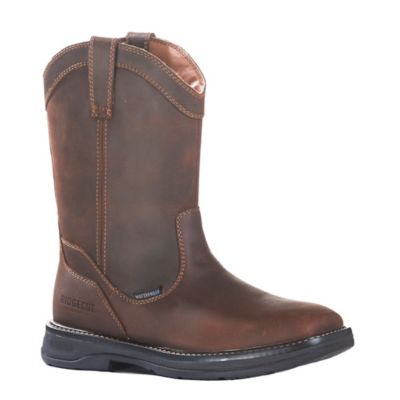
Water-resistant work boots for men make sense for chores that rarely stay on dry ground. A walk across damp grass, a splash beside the livestock trough, or a muddy stretch between the truck and the barn can put everyday footwear to the test. These boots help limit moisture getting through the upper while giving feet the support and coverage that farm work, property maintenance, and many jobsite tasks call for. Water resistance is not the same as waterproof construction, though. A water-resistant upper may shed light splashes without keeping water out during a long soaking or a step into standing water. Materials, seams, tongue construction, and the condition of the boot all affect that protection. Leather uppers bring a substantial feel and can soften with wear, while synthetic materials and textile panels may reduce weight or add flexibility. Oiled or treated leather can help repel moisture, but the treatment needs attention over time. Boots with fewer exposed seams have fewer places where water might enter, while a gusseted tongue helps close the gaps alongside the laces. Even then, water can come in over the top of the shaft. Boot height matters for coverage around brush, dirt, and splashes, but a taller shaft alone does not make footwear waterproof. Lace-up designs allow adjustments across the instep and around the ankle, which can be helpful when walking fence lines or moving between uneven ground and hard floors. Pull-on styles offer a straightforward way to get out the door for feeding time, provided the instep and heel fit securely. Farmers, ranch hands, grounds crews, and tradespeople may all look for water-resistant men's work boots, but their days can place very different demands on a pair. Someone standing at a workbench needs a different balance of cushioning and flexibility than someone climbing slopes, carrying supplies across gravel, or spending hours around livestock. The right construction matches those daily conditions rather than simply looking ready for work. Reinforcement around the toe and heel can also matter where boots regularly brush against rough boards, equipment edges, and stone.
Fit has a lot to do with how work boots feel after several hours on the move. Enough room through the toe box lets toes rest naturally without pressing against the front or sides, while a secure heel helps limit rubbing. A little heel movement can be normal in some pull-on constructions, but repeated slipping or a foot that slides forward deserves attention. Width matters just as much as length, especially when a safety toe limits how much the front of the boot can give. Trying boots with the socks intended for work gives a more useful sense of fit than thin everyday socks. Anyone wearing an orthotic also needs enough interior space for it without crowding the foot or lifting the heel too far. Removable footbeds can make that easier, though not every boot has one. Cushioning helps soften contact with concrete and packed ground, while firmer support under the arch and through the middle of the boot can provide a steadier feel when carrying feed or moving tools. More padding is not always the answer; a boot still needs to hold the foot in place. Outsole design deserves the same attention. Deeper lugs can bite into loose soil, but tightly packed mud may fill the spaces between them. Shallower tread can be easier to clear before stepping into a shop, while the sole compound and tread pattern both influence grip on hard surfaces. Slip resistance varies with the surface and whatever is on it, so no outsole makes every wet floor safe. For work that calls for both stronger moisture protection and a sole designed for traction,
Waterproof Slip Resistant Work Boots are another category to consider. Water resistance, slip resistance, and safety-toe protection are separate features, not a package that comes with every work boot. Steel, composite, and other protective toe constructions should meet the requirements of the job. Electrical hazard ratings and puncture-resistant components also need to match workplace rules and the hazards present. A water-resistant label by itself does not establish any of those protections.
Regular care helps water-resistant work boots hold onto their function through the grit and rubbing of a working day. Dirt left around stitching and folds can grind against the upper as the boot flexes, while dried mud can hide small cracks or damaged seams. A soft brush or damp cloth is often enough for routine cleanup, with the boot maker's care directions setting the limits for cleaners and treatments. Leather and textile uppers do not always respond well to the same products. A conditioner meant for one leather finish may darken another, and a heavy dressing can change the feel or breathability of some materials. Water-repellent treatments also need to be compatible with the boot's construction, particularly when a membrane is part of the design. After moisture gets inside, removing the footbeds, when possible, and opening the boots allows more air to circulate. Gentle air drying is a better approach than setting boots against a heater or applying direct heat, which can affect leather, adhesives, and other components. Giving a pair time to dry between long workdays also helps manage moisture from perspiration, not just splashes from outside. Laces, eyelets, outsole edges, and the flex points across the forefoot are worth watching as wear develops. Flattened tread, separated soles, exposed protective components, or a damaged upper can change how a boot performs even when plenty of the original material remains. Some constructions allow resoling; others call for replacement once the outsole wears out. For a gift, knowing the recipient's size is only part of choosing well. Their usual sock thickness, preferred shaft height, workplace safety requirements, and preference for lace-up or pull-on footwear all matter. A pair suited to checking gates and tending a small acreage may not suit a full shift on a concrete shop floor. The best match brings together moisture resistance, comfortable support, practical traction, and care requirements that fit the work ahead.