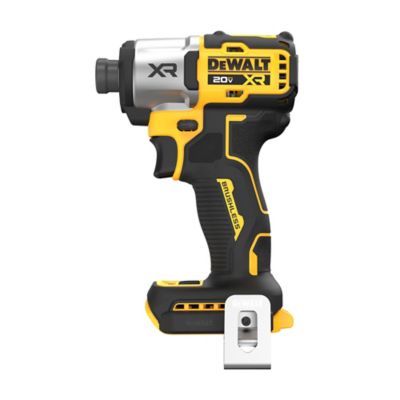
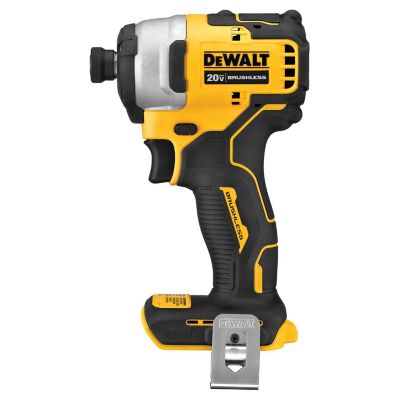
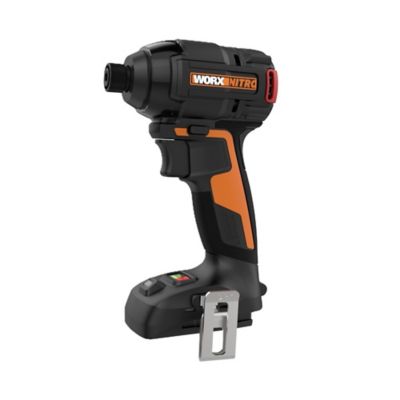
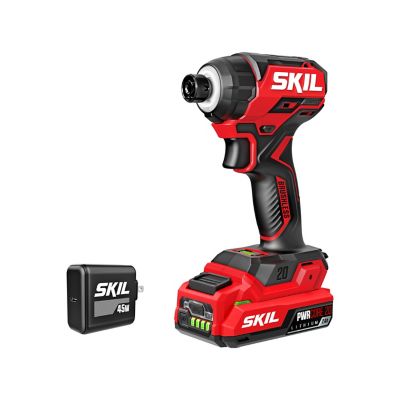
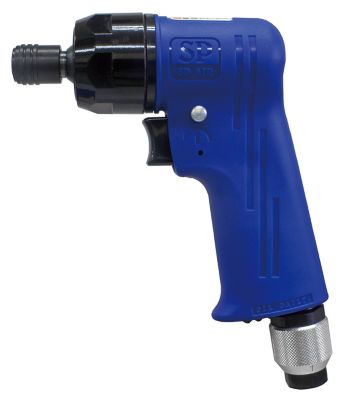
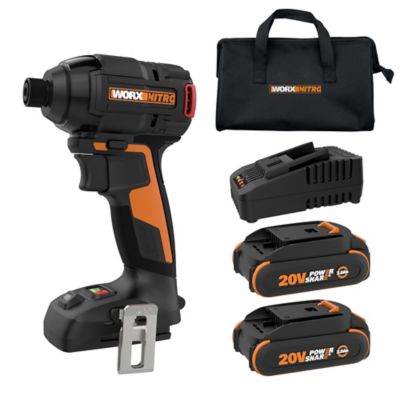
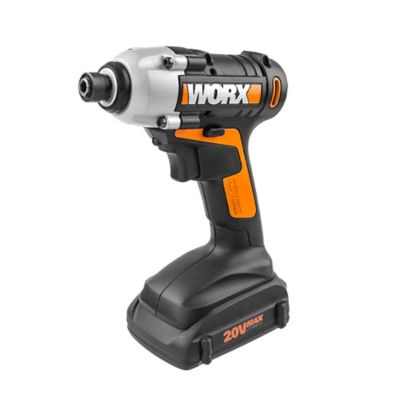
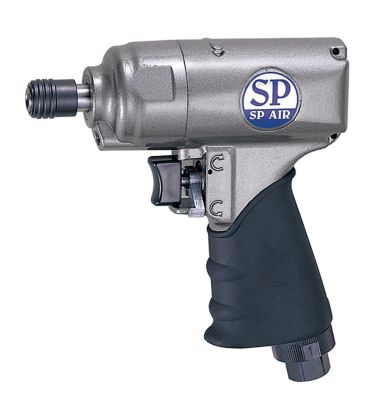
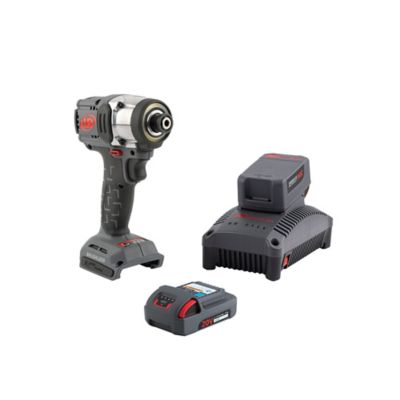
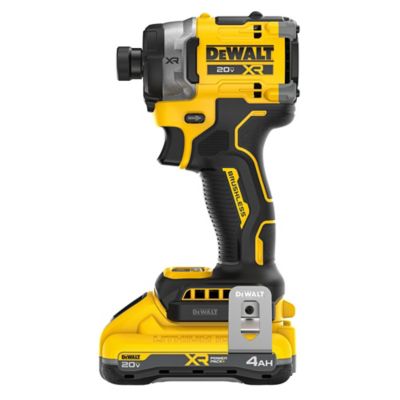
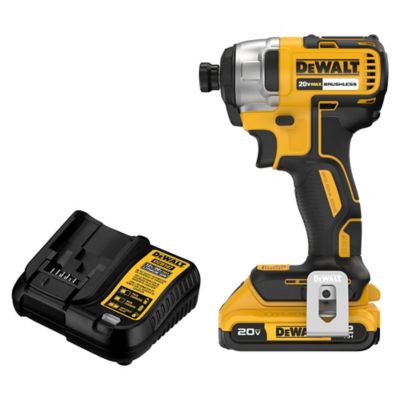
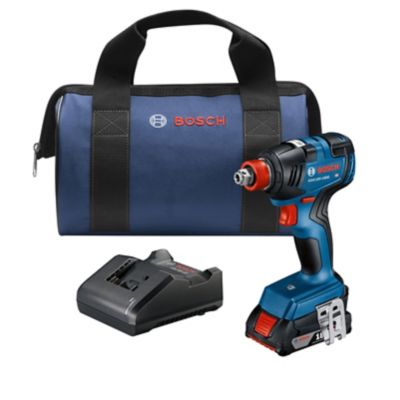
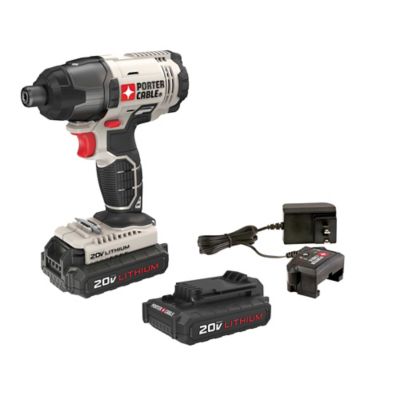
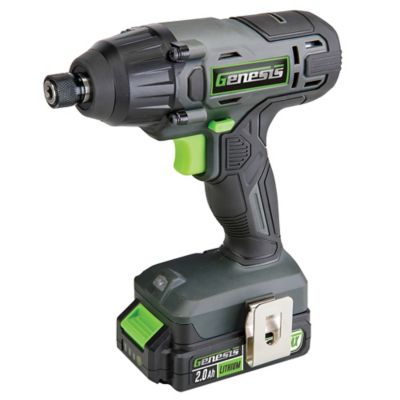
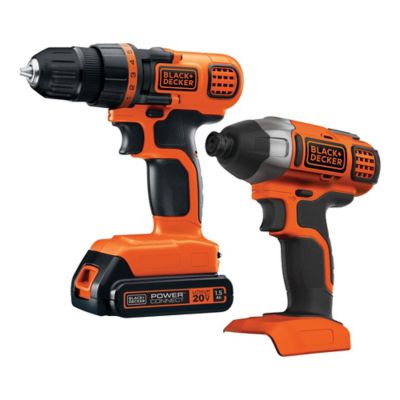
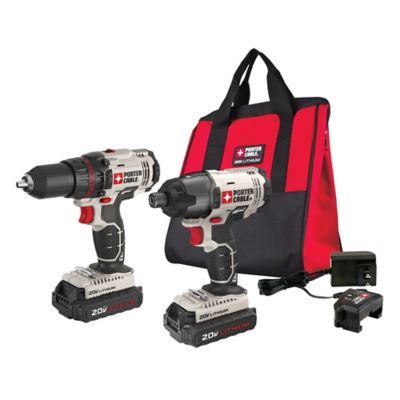
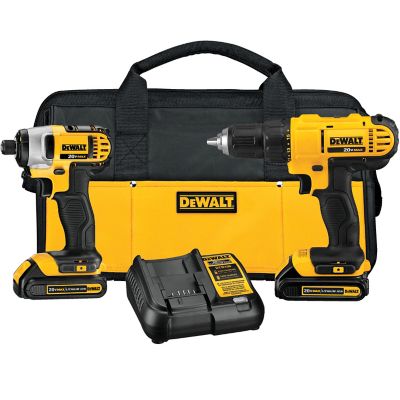
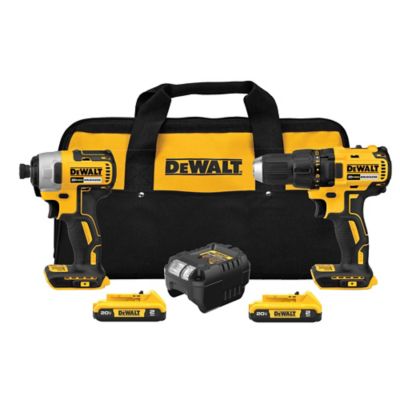
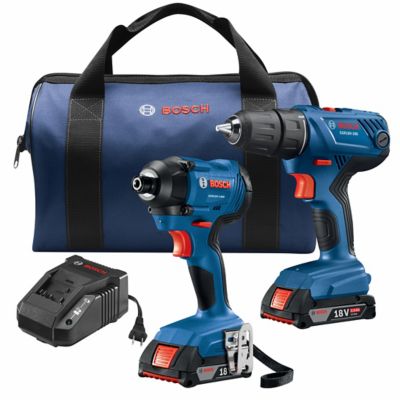
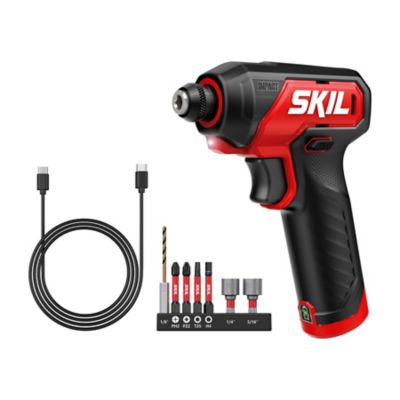
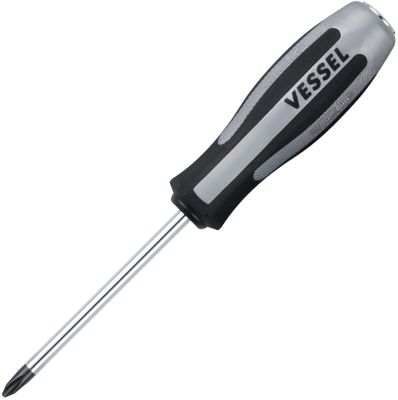
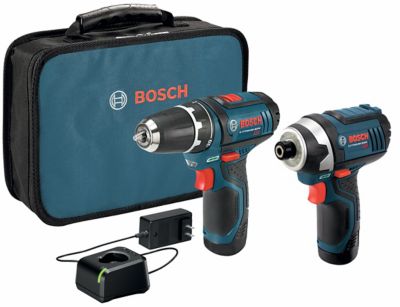
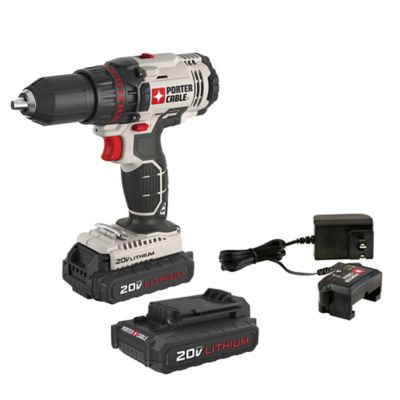
An impact driver is a fastening tool that combines rotation with rapid rotational impacts to drive screws and other compatible fasteners. Those short bursts add turning force when resistance rises, helping move long screws into lumber without requiring the operator to supply all that force through the handle. Around a farm, shop, or homestead, that makes impact driver tools a practical fit for building workbenches, fastening fence boards, hanging gate hardware, and assembling shelving in an equipment shed. They also help back out stubborn screws, although corroded hardware, damaged heads, and seized threads may call for additional preparation or a different tool. Most cordless impact drivers have a quick-release, 1/4-inch hex collet that accepts matching hex-shank accessories, rather than the adjustable three-jaw chuck found on many drills. The distinction matters: a drill is generally the better match for routine hole drilling and jobs that benefit from a clutch, while an impact driver puts its strength toward repeated fastening. Its hammering action works in the direction of rotation, unlike a hammer drill’s forward-and-back action for masonry drilling. An impact driver also differs from an impact wrench, which typically has a square drive for sockets and is better suited to many larger nuts and bolts. A socket adapter does not make the two tools interchangeable. For wood fastening, screw diameter, length, lumber species, and proximity to a board’s edge all affect how the job goes. Dense wood and larger fasteners may need pilot holes, even with plenty of driving power on hand. Structural screws and other load-bearing connections still need to follow the fastener maker’s installation requirements. The appeal is not simply more force; it is having a compact fastening tool that can keep a project moving while leaving a drill ready for pilot holes.
The right balance of torque, speed, size, and control depends on the work waiting at the bench or out by the barn. Maximum torque describes turning force, often listed in inch-pounds, but that number alone does not describe how comfortably a driver handles smaller screws or how easily it fits between framing members. Variable-speed triggers and selectable speed or drive modes can help with controlled starts and slower finishing, reducing the chance of burying a screw head too far or damaging the workpiece. Some modes are designed to help manage particular fastening tasks, though their functions vary by tool. A shorter head can be handy inside cabinets, along bracing, or behind gate hardware, while overall weight and handle shape matter when a project involves dozens of fasteners. Rubberized grip areas, a well-placed forward-and-reverse switch, a belt hook, and a work light are small details that can make a difference during a full afternoon of repairs. Cordless models also bring battery choices into the picture. Battery capacity, motor design, fastener size, and workload all influence runtime; higher voltage by itself does not guarantee a better fit for every job. Brushless motors generally reduce brush-related maintenance and can improve efficiency, while a larger battery may extend working time at the expense of added weight. Compatibility belongs near the top of the list for anyone who already has cordless tools, since batteries and chargers must match the manufacturer’s stated platform requirements. Matching
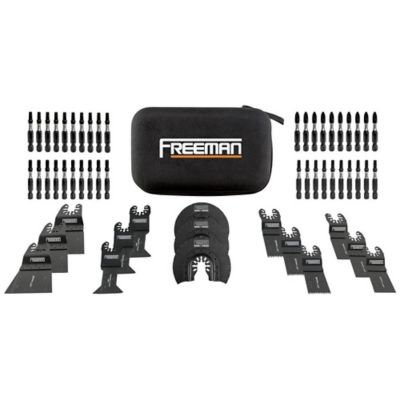
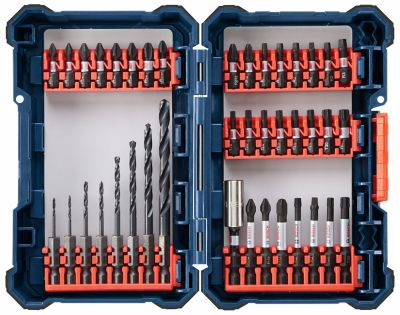
Impact Driver Bits to the driver and fastener is just as important. Impact-rated bits are built for repeated torsional loads, and the correct tip profile and size help the bit seat fully in the screw head. Heat-treated steel and torsion-zone designs are common features, but a bit still needs inspection for wear, cracks, or rounded edges. Longer bits and extensions offer reach, while shorter setups often provide a steadier feel where space allows.
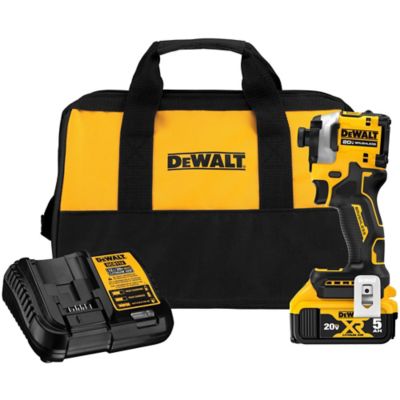
Impact driver construction and upkeep matter when a tool travels from the workbench to a fence line and back again. Molded housings help keep weight manageable, metal gear components carry the working loads, and protective grip surfaces can make the tool easier to hold securely. Those materials do not make any driver immune to drops, packed-in dust, or rough handling. Clear ventilation openings, a clean collet, and a case or organized storage spot help protect the parts that keep it working. A battery should be removed before changing accessories, clearing debris, or inspecting the tool, and cleaning and charging should follow the manufacturer’s directions. Damaged batteries, cracked housings, loose accessories, and unusual sounds are reasons to stop and check the equipment rather than push through another row of screws. Eye protection belongs with the task, and the sharp sound of repeated impacts makes appropriate hearing protection important, too. A supported workpiece and steady footing matter more than squeezing into an awkward position to finish one last fastener. For repairs near wiring, plumbing, or concealed hardware, knowing what lies behind the surface is part of the job. Tool-only configurations suit people with compatible batteries and chargers already on hand, while kits may include those components and a carrying case; checking the stated contents helps keep the setup complete. For a gift, a cordless impact driver can make sense for a fence builder, woodworker, maintenance hand, or homeowner who regularly tackles fastening jobs, especially when it fits an existing battery platform. Beginners benefit from manageable weight and straightforward controls, while frequent users may put more emphasis on compact dimensions, multiple drive settings, and runtime. Whether the task is tightening up a loose gate hinge, assembling shop storage, or driving a run of screws into framing, a well-matched impact driver brings useful fastening power to everyday work without asking one tool to handle every job.