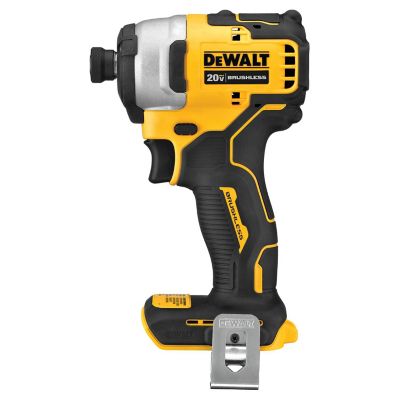
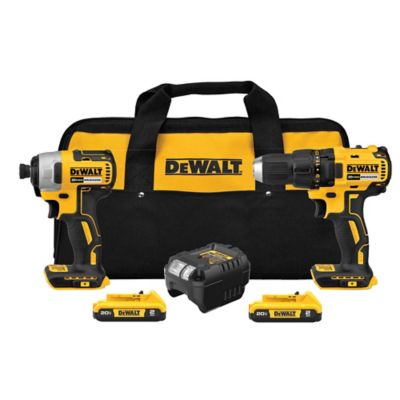
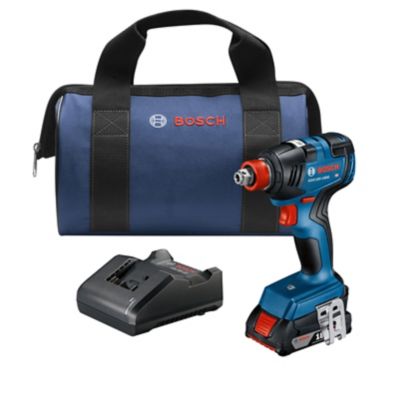
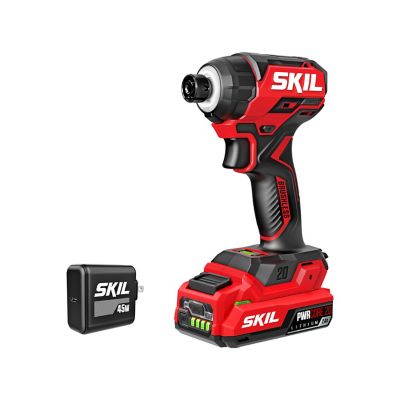
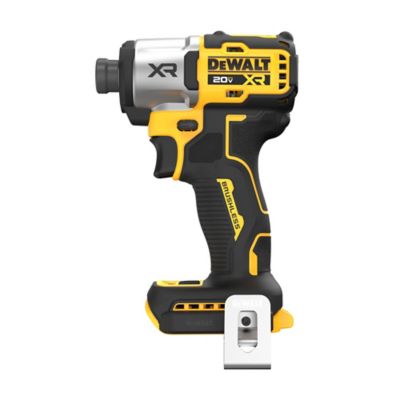
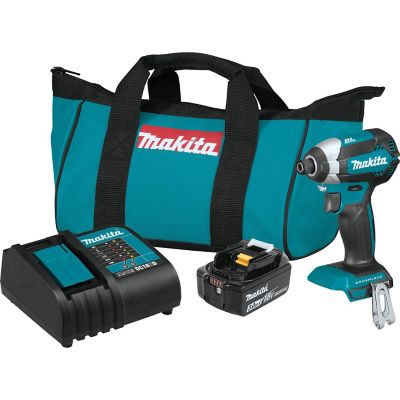
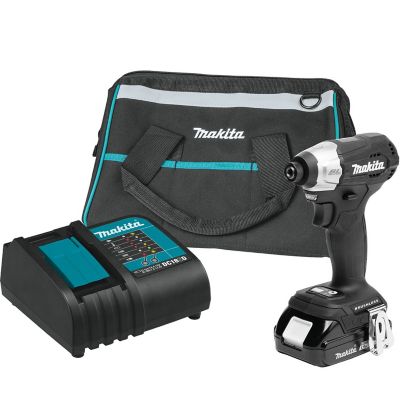
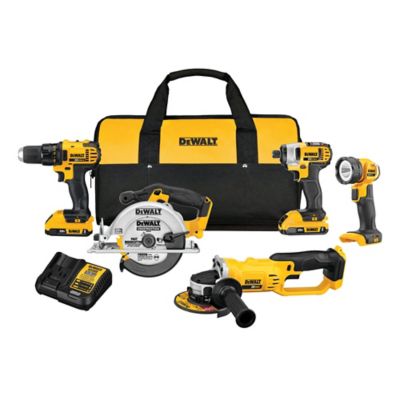
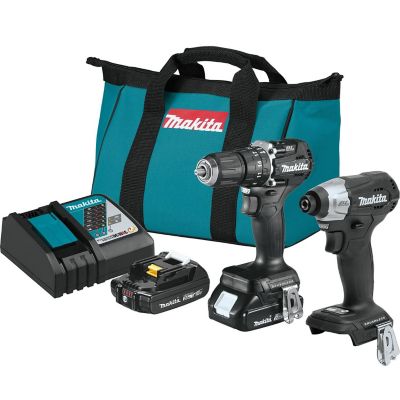
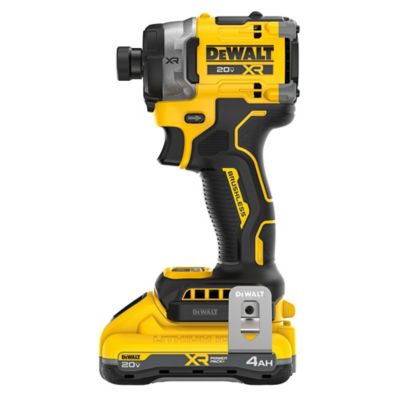
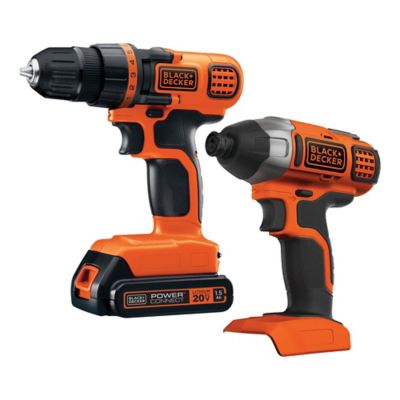
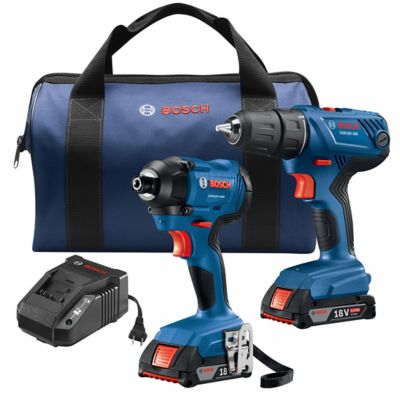
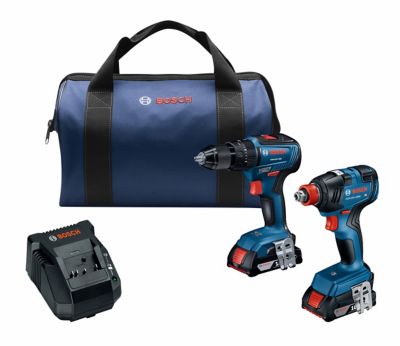
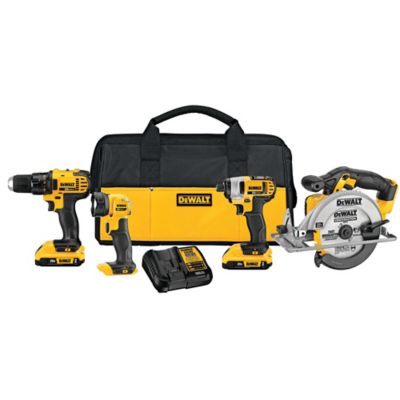
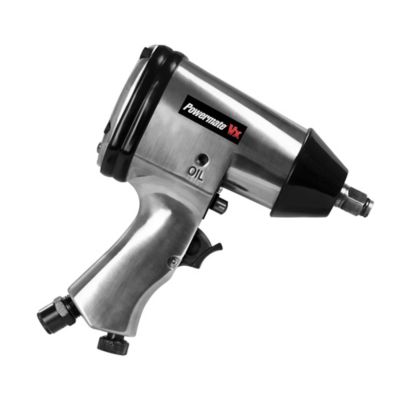
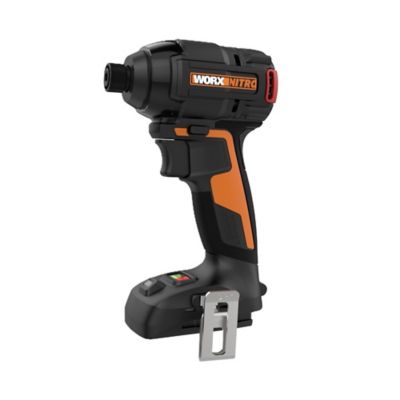
Compact impact drivers put screw-driving power into a short, easy-to-handle tool that fits where a longer drill can feel awkward. Most cordless models pair a pistol-style grip with a quarter-inch hex quick-release collet for compatible driver bits. Inside, a hammer-and-anvil mechanism adds repeated rotational impacts when a fastener meets resistance, helping turn screws without requiring the same twisting effort from the operator as a conventional drill. That combination suits plenty of jobs around a farm, shop, or home: fastening boards to a workbench frame, securing shelving in a tack room, assembling storage cabinets, or running screws into fence components. Compact refers mainly to the tool’s dimensions, not a single power rating or battery voltage. A short head helps between studs and inside cabinets, while lower overall weight can make repeated fastening less tiring. The actual working clearance includes the bit and fastener, too, so head length alone does not tell the whole story. Battery size also changes how the tool fits beneath a shelf or next to a corner. A smaller battery can keep the package nimble; a larger compatible pack may extend runtime but adds weight and can take up more room at the base. These tools are primarily for driving fasteners rather than replacing every function of a drill. A drill with an adjustable clutch remains useful for delicate assembly, and an impact wrench with a square drive is generally the better match for demanding nut-and-bolt work. For shoppers comparing this compact category with the broader tool family,
Electric Impact Drivers offers another place to explore screw-driving tools. The appeal of a compact design is straightforward: enough room to line up the bit squarely, enough control to seat the fastener properly, and less tool to maneuver when the work area gets cramped. For someone moving from a bench project to a repair behind a stall partition, those small differences in reach and balance can matter throughout the job.
Performance depends on more than the biggest torque number on the package. Impact-driver torque is commonly listed in inch-pounds, while speed is listed in revolutions per minute and impact rate in impacts per minute. Those measurements describe different parts of the tool’s operation, and none tells the whole story by itself. Higher torque can help with longer screws and tougher fastening work, but controlled speed matters when starting a screw near the edge of a board or seating a small fastener in a metal bracket. Variable-speed triggers let the operator begin slowly, and selectable speed or drive modes, where equipped, can make it easier to match output to the task. Some models include assist settings intended to manage particular fastening situations, though their functions differ by tool. Brushless motors eliminate motor brushes that wear through contact and can support efficient operation, but runtime still depends on battery capacity, workload, and tool design. Battery voltage alone is not a dependable shortcut for comparing driving strength across different platforms. For someone who already owns cordless tools, compatibility with existing batteries and chargers can be a practical consideration, provided the manufacturer specifically approves the combination. Tool-only packages and kits also differ in whether they include a battery, charger, or carrying case. In the hand, grip shape, trigger reach, and balance with the battery installed matter as much as bare-tool weight. A rubberized grip can help maintain a steady hold, and an easy-to-operate collet makes bit changes simpler between screw sizes. Built-in lighting can improve visibility inside a cabinet or beneath a bench, although bit position and surrounding surfaces may still cast shadows. A belt hook can be handy when moving between fastening points, as long as it is properly attached and suited to the task. These details help explain why a compact impact driver that feels comfortable for quick repairs may be a different fit from one intended for hours of repeated fastening on a jobsite.
The materials being joined shape what a compact impact driver needs to do. Driving construction screws into framing lumber calls for a different touch than attaching thin sheet metal or assembling parts with plastic mounting tabs. Dense wood, larger fasteners, and work close to an edge may call for pilot holes, following the screw manufacturer’s directions. Soft wood and thin materials need restraint because excessive driving force can bury a screw head, strip a hole, or damage the workpiece. Impact-rated bits with the correct tip size help maintain engagement with the fastener and are built to handle the tool’s pulsing action. Extensions can improve reach, but they also add length and may make a tight spot harder to navigate. Likewise, a socket adapter does not turn a compact impact driver into a substitute for every impact-wrench task. Connections that require a specified final torque need the proper tightening procedure and a suitable torque wrench. For the tool itself, housing construction, protected controls, and a secure battery connection are worth considering for life around a busy shop. Reinforced polymer housings and metal gear cases, where fitted, balance weight with protection for internal components; even a sturdy housing still benefits from sensible handling. Routine care includes keeping ventilation openings clear, wiping away dust according to the manual, checking bits for damage, and removing the battery before maintenance or accessory changes. Batteries belong in storage that follows the manufacturer’s directions, with terminals protected from loose metal objects. Eye protection and appropriate hearing protection also belong alongside the tool, especially during repeated impact operation. Compact impact drivers can be a useful fit for carpenters, maintenance crews, property owners, and folks who regularly build or repair things around the place. They can also make a practical gift for someone setting up a workshop, particularly when the battery platform matches tools already on the bench. For everything from cabinet hardware to heavier wood fastening within the tool’s limits, the right combination of size, control, and compatible accessories keeps the focus on the work rather than wrestling a tool into position.