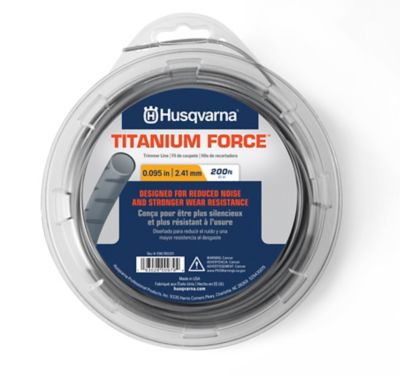
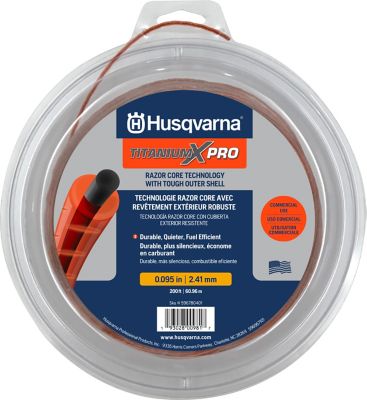
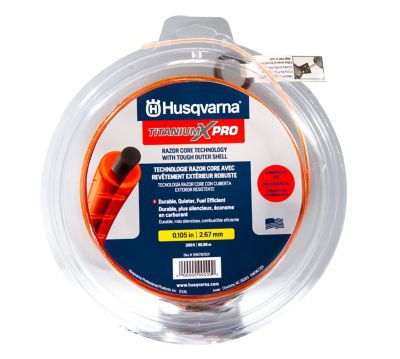
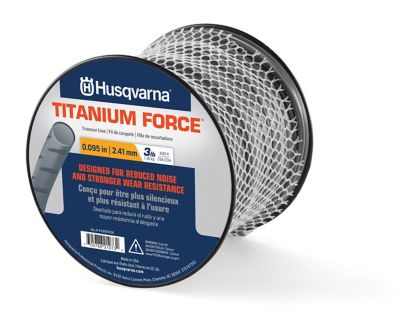
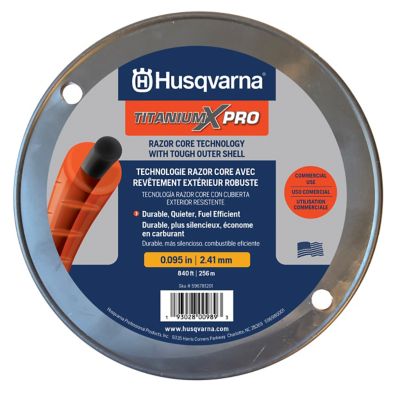
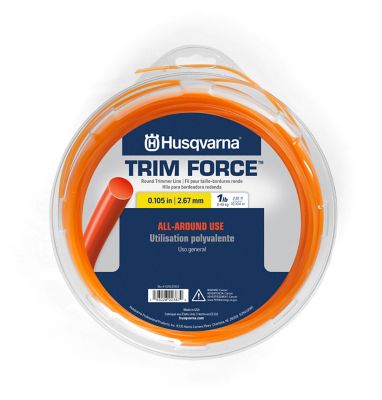
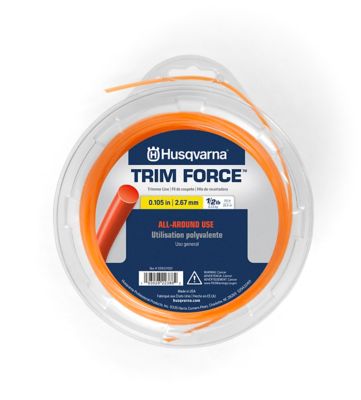
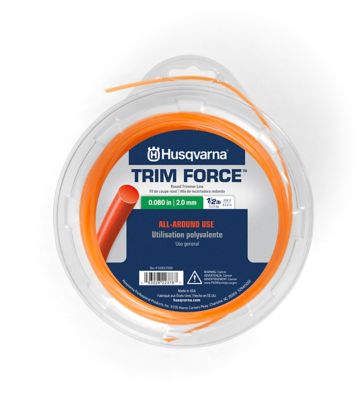
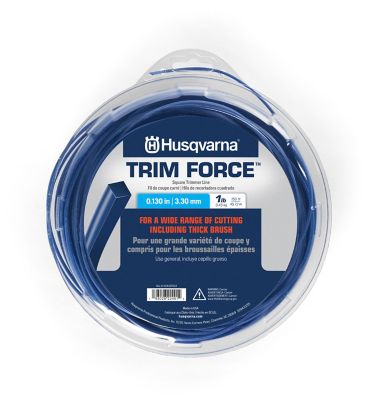
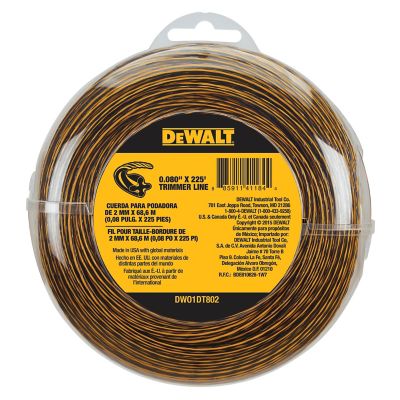
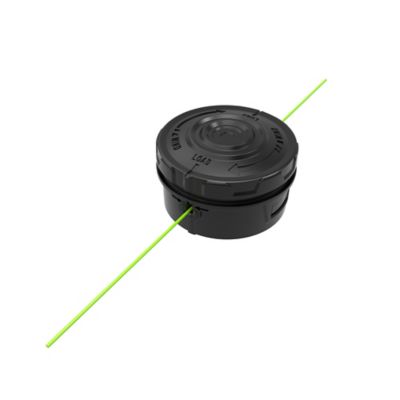
Weed eater string is the replaceable cutting line that lets a string trimmer tackle grass and suitable weeds where a mower cannot reach. Most trimmer line is made from nylon or a nylon-based copolymer, with different formulations and shapes affecting flexibility, wear, and cutting performance. Around a home or small acreage, that means cleaning up grass beside the mailbox, trimming along a gravel drive, or reaching the narrow strip between a shed and a fence. The right fit starts with the trimmer and its cutting head, not simply how heavy the weeds look. Common line diameters include .065, .080, .095, and .105 inches, but each head accepts only the sizes specified by its manufacturer. Larger diameter does not automatically mean a better match: oversized line can interfere with feeding and place extra load on the machine, while undersized line may wear faster in demanding work. Both the power unit and the head matter, especially when a replacement head has been fitted. Gas-powered and battery-powered trimmers can have different line requirements, and even machines with similar cutting widths may call for different diameters or loading arrangements. For ordinary lawn edges and tender grass around buildings, a compatible lighter line can provide the cutting action needed without adding unnecessary load. Heavier growth along a lane or around outbuildings may call for a larger diameter when the equipment permits it. Material matters, too. Nylon gives cutting line the flexibility to bend during contact, while copolymer blends can be formulated to balance flexibility with resistance to abrasion and breakage. Packaging terms alone do not settle compatibility, so the diameter, head requirements, and intended cutting tasks deserve more attention than a bold performance claim. For homeowners, grounds crews, and folks keeping a rural place tidy, suitable weed eater string helps match the trimmer to the work rather than asking the machine to handle line it was never built to run. A spool that fits one machine should not be assumed to fit another, even when both sit in the same tool shed.
Line shape adds another consideration beyond diameter. Round trimmer line has a smooth profile and is a common choice for general grass trimming, particularly where the line repeatedly meets posts, borders, and other obstacles. Square, star-shaped, and other edged profiles present cutting edges that can help slice through suitable vegetation, although performance depends on the line material, diameter, trimmer speed, and growth being cut. Twisted profiles can change airflow and operating sound, but a quieter result or longer run time should not be assumed for every combination of line and machine. Around the place, those differences show up in ordinary jobs: a soft strip of grass beside a walkway is not the same workload as dense weeds behind a pump house. Contact with brick, concrete, gravel, and wire fencing wears line down, regardless of its profile. Keeping the cutting tip in the vegetation instead of grinding the full length against a hard surface helps limit unnecessary wear. A bigger spool will not make unsuitable line perform better, and a heavy-looking strand is not a substitute for equipment intended for woody stems or brush. String trimmers also need a careful touch around young trees, shrubs, painted posts, and siding, since the spinning line can scar bark and damage surfaces. Near garden beds, the goal is a neat edge without clipping desirable plants or throwing soil across them. Along livestock fencing, allowing space between the cutting path and wire helps reduce snagging and line loss. Breakage and feeding behavior can also point to more than one cause; abrasive ground, an obstructed head, or incorrect loading may matter as much as the string itself. Protective eyewear, substantial footwear, the proper machine guard, and the manufacturer’s required distance from bystanders, pets, and livestock remain part of the job. Line shape and thickness can help suit the task, but neither changes the limits of the trimmer or takes the place of safe operation.
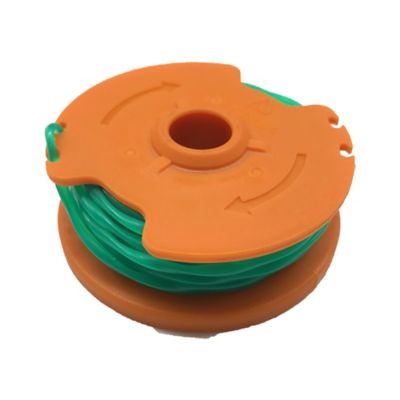
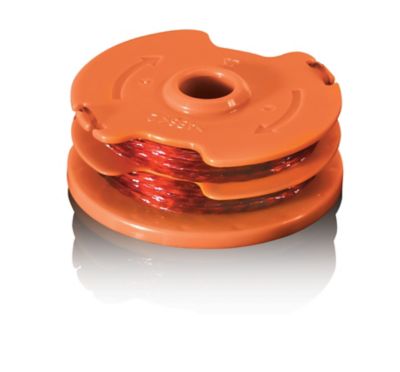
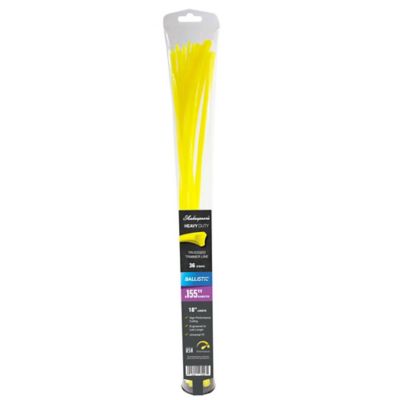
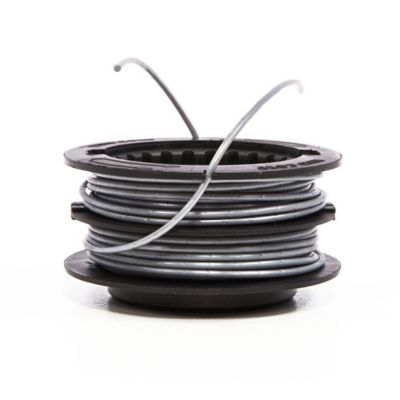
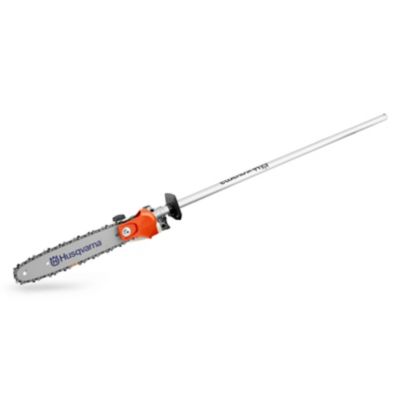
How the line is supplied matters when it is time to replenish a head. Replacement string may come as a length to wind onto a compatible spool, as cut lengths for certain fixed-line heads, or as a prewound spool designed for particular equipment. These formats are not interchangeable just because their line diameters match. Bump-feed, automatic-feed, fixed-line, and easy-loading heads can have different requirements for line length, winding direction, and attachment. A prewound replacement needs the correct spool fit as well as suitable string, while line wound by the operator still needs to stay within the head’s capacity. Overfilling can interfere with feeding, and uneven winding can contribute to tangles. For a household with one trimmer, the amount of string needed may be modest; for a crew maintaining several properties, total footage and compatibility across machines become more important. Comparing spool length helps put the amount of line in context without assuming that every package contains the same footage. Between jobs, keeping string in its packaging or another protected container helps keep grit out of the winding process. Storage away from prolonged direct sunlight and damaging conditions helps preserve the material, and any conditioning recommendations should come from the line manufacturer rather than a one-size-fits-all home remedy. The cutting head deserves attention as well: packed grass, worn eyelets, and damaged components can affect feeding and shorten the working life of otherwise suitable line. Any inspection or loading belongs with the machine shut down and its power source secured as directed in the operator’s manual. Property upkeep often stretches beyond trimming, too. For branch work above the lawn or along a lane, a
Husqvarna Pole Saw serves a different purpose than ground-level grass cutting. Keeping those jobs separate helps match each tool and cutting material to its intended task. With compatible string, a sound cutting head, and sensible care, the trimmer is better prepared for the fence corners, ditch edges, and tight spots that keep a place looking tended.