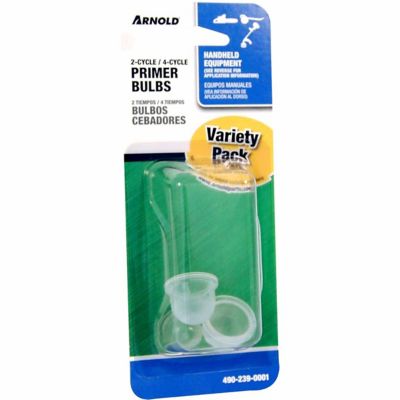
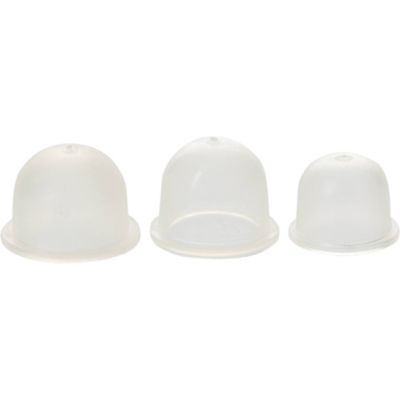
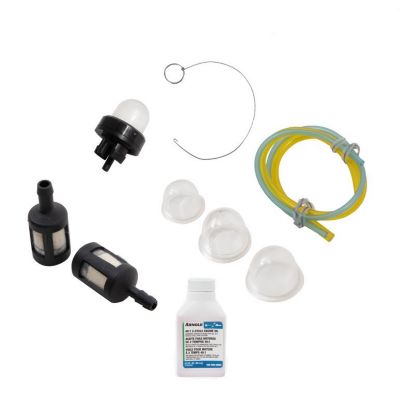
Primer bulbs for weed eaters are small, flexible replacement parts that help prepare a gas-powered string trimmer’s fuel system for starting. On many trimmers, the bulb works as part of a purge system, drawing fuel through the carburetor and moving air and excess fuel back toward the tank. Other designs work differently, so the right replacement depends on the equipment’s fuel-system layout, not just the bulb’s appearance. Matching the trimmer’s model number and the manufacturer’s replacement part number is the best starting point for choosing a bulb that fits. Equipment identification matters because similar-looking trimmers can have different carburetors, mounting arrangements, and fuel-line connections. A clear or translucent dome alone does not establish compatibility. Bulb diameter, height, flange shape, and mounting style all affect whether a replacement seats properly and works as intended. Some bulbs sit beneath a retaining plate on the carburetor, while others belong to a separate assembly connected by fuel lines. A replacement might consist of the flexible dome alone or include a base, housing, or other components, depending on the design. Those differences matter when comparing replacement parts for the trimmer that handles fence lines, the machine kept beside the mower, or equipment that travels from one property to another. A bulb that looks close can still fit loosely, interfere with its retaining plate, or fail to seal around its base. For that reason, measurements and photographs are helpful checks, but they should support—not replace—the manufacturer’s compatibility information. The equipment model and carburetor identification can both matter, especially if the carburetor has been replaced before. Electric and battery-powered trimmers do not have this type of gasoline fuel-system component, so primer bulbs belong with replacement parts for compatible gas-powered equipment. For property owners sorting through small-engine parts, that distinction helps narrow the search before getting into the details of shape and mounting.
The flexible material in a primer bulb needs to tolerate repeated pressing and contact with the fuel specified for the equipment. Depending on the part, that material may be a fuel-compatible elastomer or another flexible compound intended for small-engine fuel systems. Color and softness are not enough to judge suitability; the replacement’s stated application matters more than whether it resembles the old bulb. Translucent material can make fuel movement easier to see, although visible fuel does not by itself prove that the entire system is working properly. A serviceable bulb should flex and recover its shape as its design allows, without cracks, splitting, or seepage around the mounting edge. Over time, fuel exposure, repeated handling, and age can leave a bulb stiff, brittle, swollen, or misshapen. A cracked dome or a wet mounting edge is worth attention before the trimmer heads back out along the driveway or around the barn. Still, a bulb that stays flattened, fills slowly, or never seems to draw fuel does not always point to the bulb alone. Restricted fuel flow, damaged lines, a plugged filter, or a carburetor problem can produce similar symptoms. Keeping those possibilities in mind helps avoid treating every starting problem as a simple bulb replacement. Care also affects service life. Fuel type and ethanol limits should follow the equipment manual, and storage practices should match the manufacturer’s directions. Gentle cleaning around the bulb helps keep grit away from the mounting area, while harsh solvents or makeshift patches can create more trouble. Glue and sealant are not substitutes for a correctly fitting fuel-system part. When a retaining plate or housing is involved, its condition matters too: a sound new dome cannot compensate for a cracked base or a damaged sealing surface. Fuel odor, visible leakage, or a split bulb calls for taking the equipment out of service until the problem is addressed.
For homeowners, acreage owners, grounds crews, and anyone keeping a property trimmed, the right primer bulb is a small part with a practical job. It belongs in the same maintenance picture as fuel lines, filters, and other components that help a gas trimmer get ready for work. Around woven-wire fencing, gateposts, garden borders, and outbuildings, a trimmer often handles the places a mower cannot reach. Having its replacement parts properly matched makes upkeep less of a guessing game. Shoppers comparing primer bulbs can look beyond the dome itself to consider what the repair actually requires. An intact housing may call for a compatible bulb alone, while a damaged remote assembly may need more than the flexible portion. Package contents and fit information help distinguish those situations without assuming that every replacement includes mounting hardware, fuel lines, or a retaining plate. Fuel-line connections also deserve attention on remote assemblies, since the inlet and outlet arrangement must match the equipment’s fuel routing. A universal description should not take the place of a confirmed application match. For households with several gas-powered tools, keeping model and part-number records with the equipment manuals can make future replacement shopping easier, particularly when the machines look alike but have different fuel systems. An uninstalled spare belongs in its labeled packaging, away from direct sunlight and substances that could affect the material, with storage guidance from the part manufacturer taking priority. Broader equipment maintenance may also include mower components, and
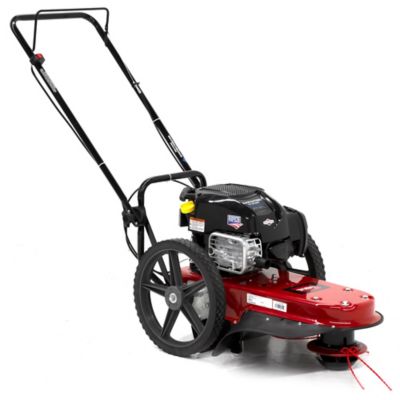
Weed Eater Lawn Mower Parts provides a related place to browse for those separate needs. Mower parts and trimmer parts are not automatically interchangeable, even when the equipment shares a name or a similar-looking component. For primer bulbs, the most useful details remain straightforward: the correct application, the right mounting style, fuel-compatible material, and a complete match to the assembly already on the machine. Those details help keep a small replacement part suited to the work ahead.