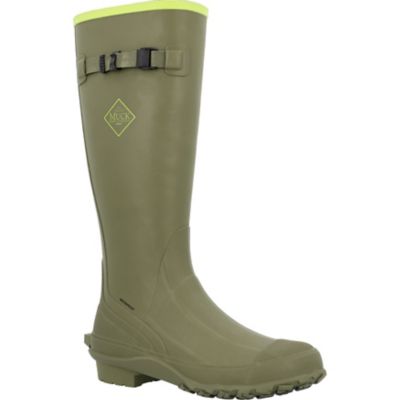
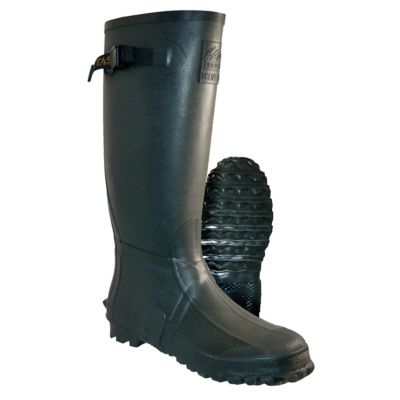
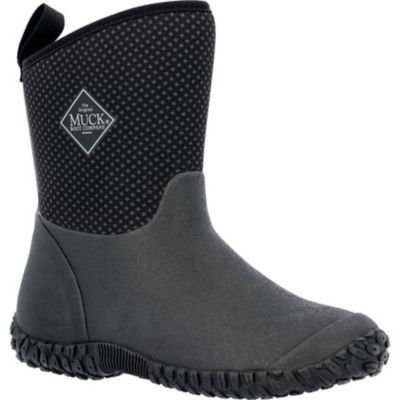
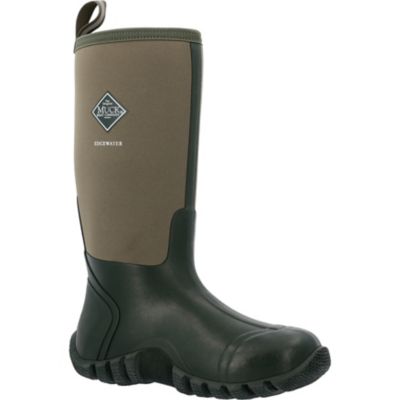
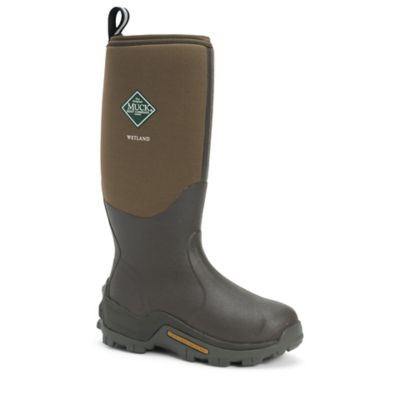
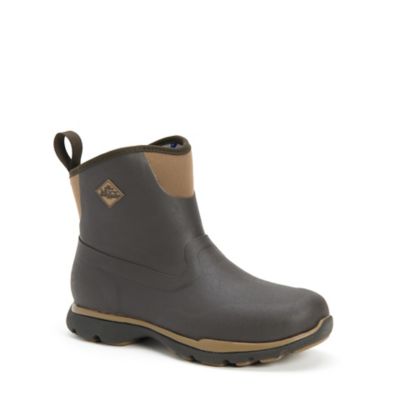
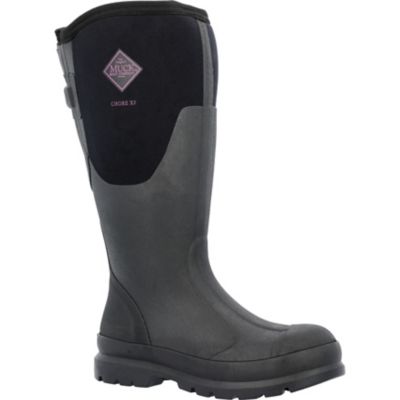
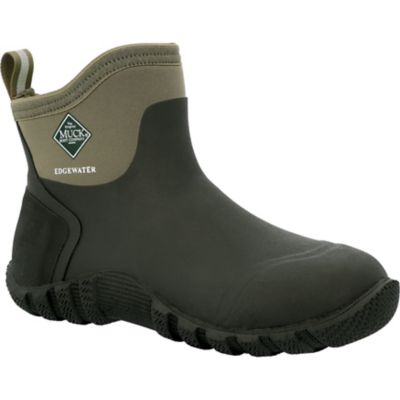
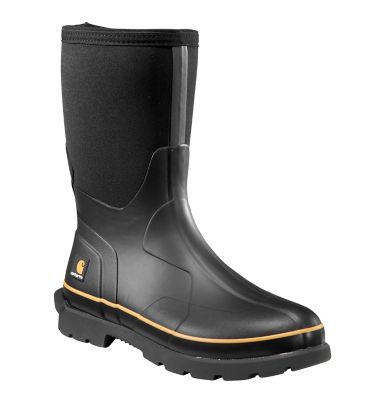
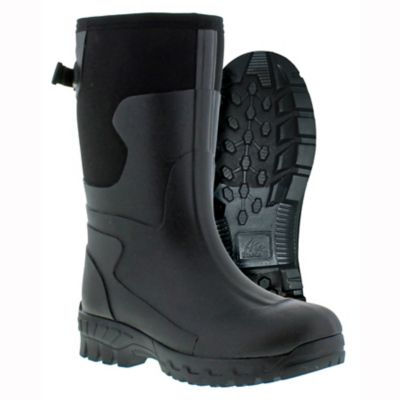
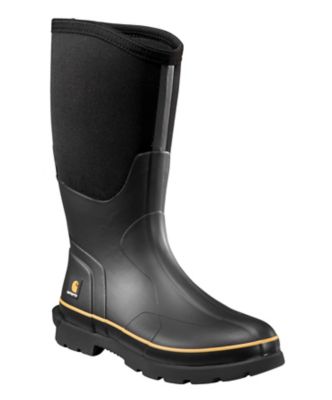
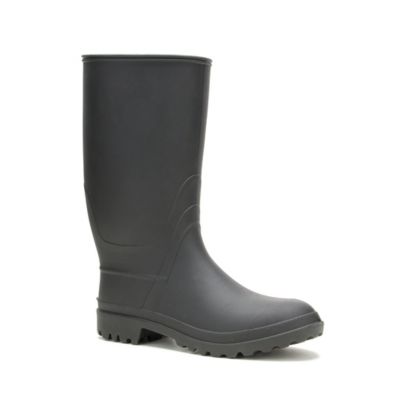
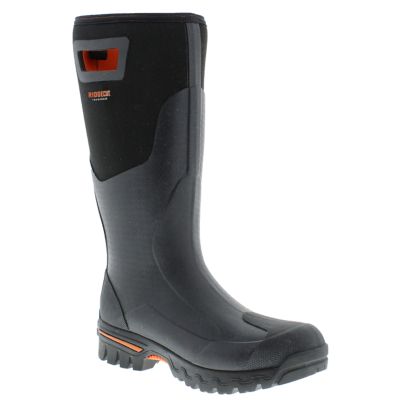
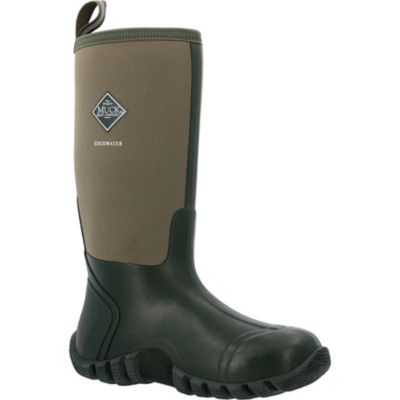
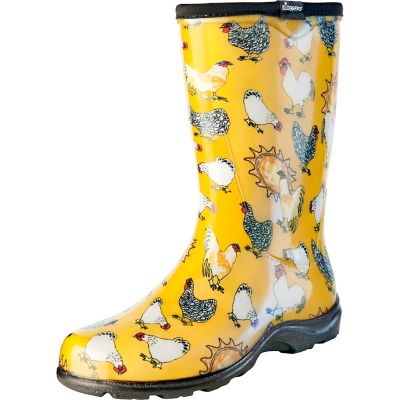
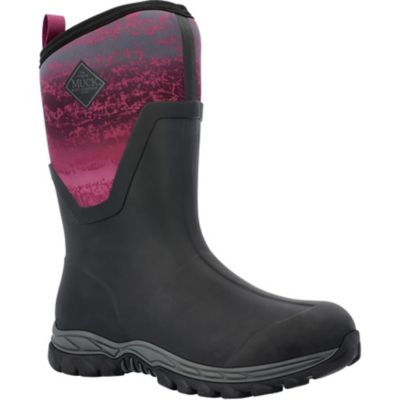
Rain boots earn their place by the back door when a steady drizzle turns the yard soft and puddles settle into every low spot along the driveway. Their purpose is straightforward: keep outside moisture away from feet while making everyday trips through wet ground a little less of a chore. Whether the day starts with filling a bird feeder, walking a muddy garden path, or heading into town under gray skies, the right pair brings welcome coverage without much fuss. Rubber is a familiar material for rain boots because it sheds water and bends with movement, though flexibility, weight, and construction vary from pair to pair. A smooth exterior also makes it easier to rinse away ordinary dirt before stepping onto the porch. Tall shafts offer more coverage against splashes and wet grass, while shorter shafts can feel less restrictive for errands, garden work, and frequent trips in and out of the house. The opening still matters: water can enter over the top, and even a waterproof boot cannot keep feet dry when puddles reach above its waterproof coverage. For everyday wear, shape and finish play a part alongside function. A plain, easygoing silhouette works with jeans, rain pants, and a long coat without looking out of place at the feed store or school pickup line. Dark colors are a natural fit for a practical wardrobe, and
Black Hunter Boots offer a related direction for shoppers drawn to that look. Rain boots can suit gardeners, pet owners, commuters, and anyone whose regular route includes a damp lawn or gravel parking area. They can also make a thoughtful gift for someone who spends plenty of time outdoors, especially when the recipient’s size and preferred shaft height are known. Their appeal comes from having footwear suited to the weather, whether the outing lasts five minutes or a good part of the afternoon.
Comfort depends on more than the number printed inside the boot. Rain boots often have a pull-on shape, so the relationship between the heel, instep, ankle, and calf makes a real difference in how they feel. A little heel movement can be normal in this style, but too much sliding may lead to rubbing or make each step feel awkward. Toes need room to move without the whole foot shifting around, and the instep should not feel pinched when walking or bending. For taller boots, calf room becomes especially important when jeans or heavier socks are part of the outfit. A shaft that fits bare legs comfortably may feel quite different over tucked-in pants, while an opening that is overly wide can allow more rain and debris inside. Shaft height also affects sitting, climbing steps, and crouching near a flower bed; an edge that presses behind the knee can become bothersome during an otherwise simple task. Size charts and individual fit details help account for these differences, since sizing is not identical across every boot shape. During the cooler months, socks can add warmth and help manage moisture, but extra thickness needs enough space inside the boot. Tight layers can leave feet uncomfortable rather than cozy. Linings vary, and a waterproof shell alone does not provide the warmth of an insulated winter boot. For longer stretches outside, the amount of cushioning and support underfoot deserves attention as well. Standing on a concrete porch, walking a long gravel drive, and taking a quick trip to the mailbox place different demands on feet. A removable footbed, when included, can make airing out the interior simpler, though any replacement needs to fit without crowding the toes. Boot weight matters, too: a substantial pair may feel reassuring at first but tiring over a longer walk. The best everyday match leaves room for the clothing and movement that come with the wearer’s normal routine.
The ground underfoot helps determine where rain boots belong in that routine. Tread with defined channels can help manage mud and water, but no sole provides sure footing on every surface. Wet leaves, slick wooden steps, algae-covered stones, and frozen patches all call for a careful pace. Mud packed between tread grooves can also reduce grip, making a rinse after messy outings worthwhile. Rain boots work well for many ordinary wet-weather tasks, but they are not automatically a substitute for footwear with safety toes, puncture protection, electrical protection, or a sole intended for a particular workplace. Around machinery, sharp fencing scraps, or livestock, the protection required for the job comes first. Likewise, standing water can hide holes, loose stones, and other hazards even when boots keep out the splash. Everyday wear life depends on construction, frequency of wear, terrain, and how the boots are treated between outings. Flexible rubber benefits from simple care rather than harsh scrubbing or prolonged exposure to heat. After a muddy walk, plain water and a soft cloth or brush generally handle surface dirt; cleaning directions for the particular material should take priority before adding soaps or treatments. Household solvents and strong cleaners can damage some finishes, while a radiator, clothes dryer, or hot vehicle can be hard on rubber and bonded parts. Letting boots dry naturally in a ventilated spot away from direct heat helps protect their shape. The inside needs attention as well, since perspiration can leave a waterproof boot damp even when rain never gets in. Giving the lining time to dry between outings helps keep the next wear more comfortable. Some natural rubber surfaces develop a pale, powdery film known as blooming; that appearance alone does not necessarily signal damage. Cracks, splits, loose soles, or worn tread deserve closer attention because they can affect coverage and footing. Stored upright away from strong sunlight, with shafts free from sharp folds, rain boots stay ready for the next drizzly dog walk, muddy garden check, or trip across the yard.