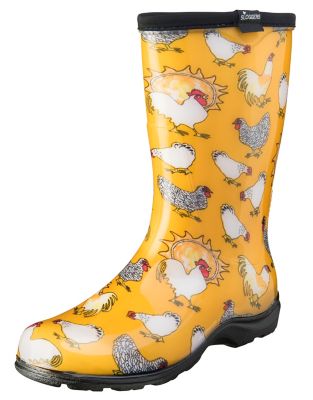
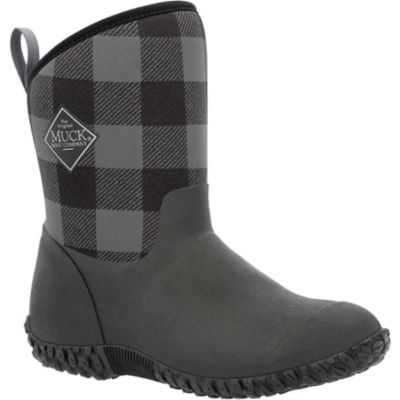
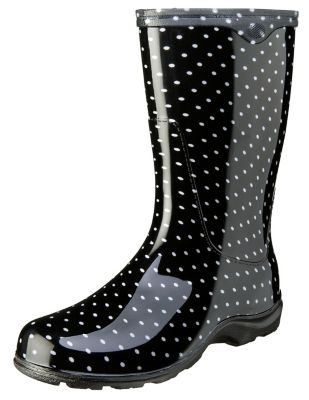
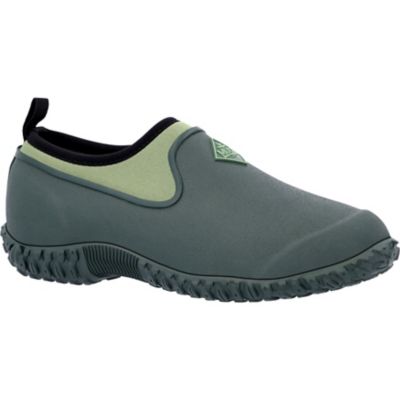
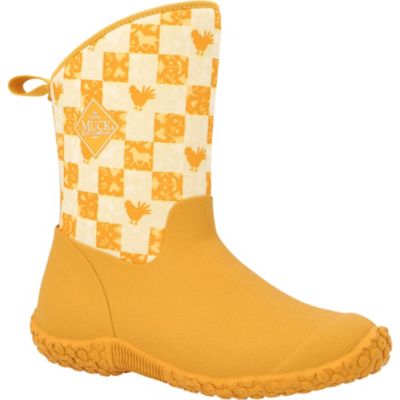
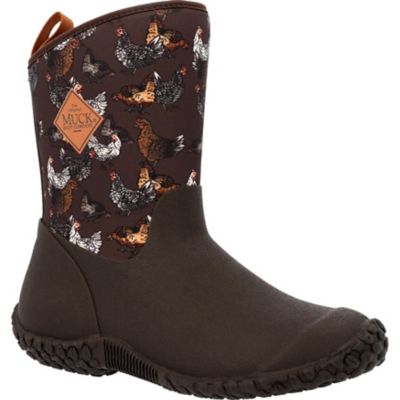
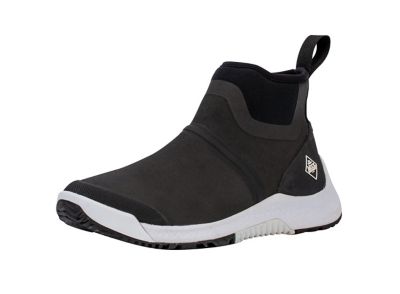
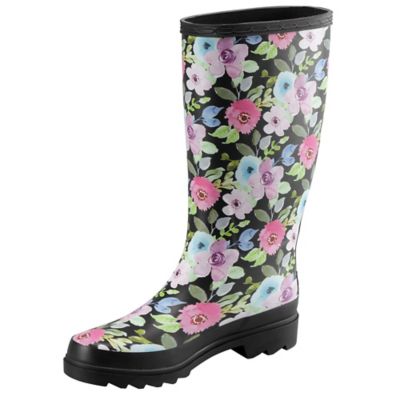
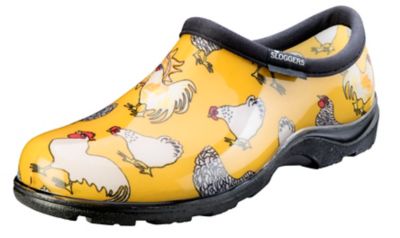
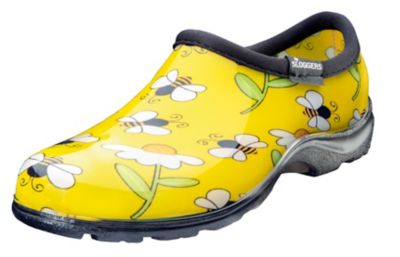
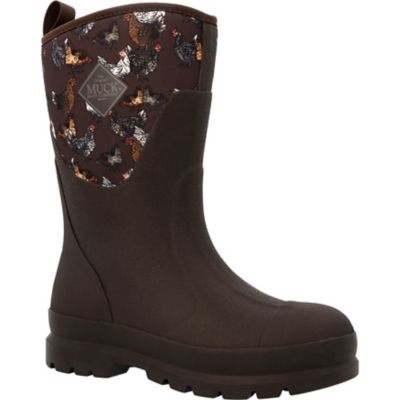
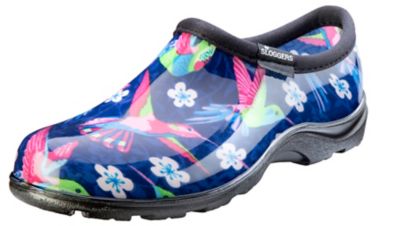
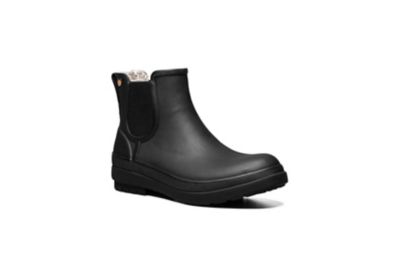
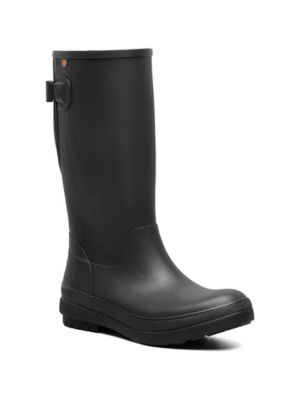
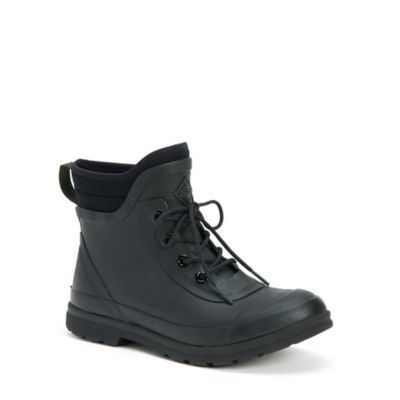
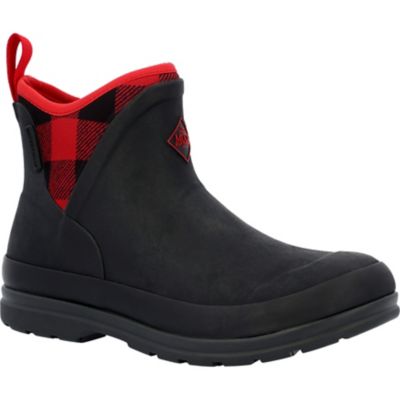
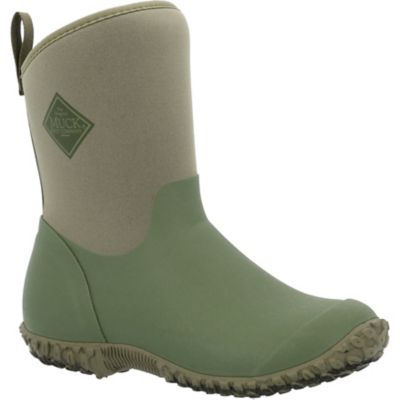
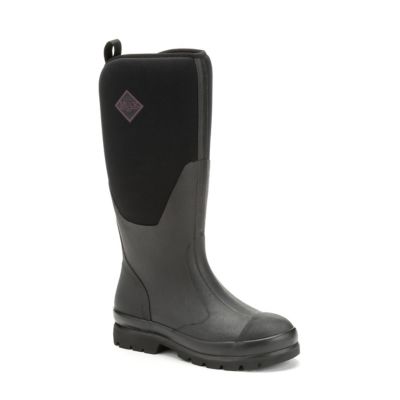
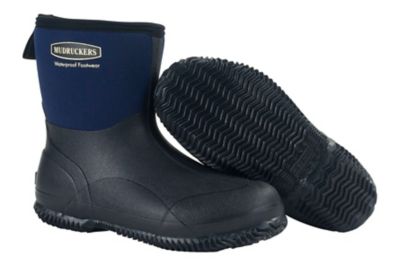
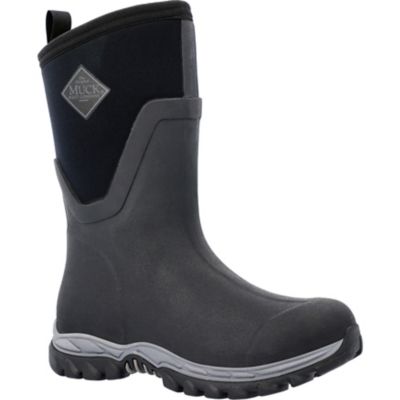
Women’s gardening boots help keep soil and water off your feet while you plant, weed, water and tend the yard. Common features include rubber or rubber-and-neoprene uppers, treaded outsoles and pull-on designs, with ankle, mid-calf and taller heights suited to different chores. An ankle boot makes sense for stepping out to snip herbs, fill a watering can or pull a few weeds beside the porch. A higher shaft gives more coverage when you’re working around freshly watered beds, moving compost or walking through deep, loose soil. That extra height also helps keep bits of mulch and stray leaves from dropping inside, especially when pants fit comfortably over the opening. Rubber uppers have a smooth surface that generally rinses clean without much fuss, while neoprene panels add stretch around the ankle or calf. The balance between those materials affects how a boot bends when you squat beside a raised bed or kneel to settle seedlings into a row. Waterproof construction matters around irrigation lines, puddles left by the hose and muddy paths between planting beds, but a rubber-looking upper alone doesn’t tell the whole story. Seams, sole attachments and the height of the waterproof portion all affect coverage, and water can still enter through the top. For someone who spends more time potting on a patio than digging in a large garden, a lighter, lower-cut pair may feel less cumbersome. For a gardener carrying transplants across a soft plot or cleaning up around a water trough, more shaft coverage may be worth the extra weight. Smooth interiors, flexible openings and linings that help manage perspiration can also make a difference when a quick watering round turns into an afternoon of tending beds. The best match comes down to the ground underfoot, how much bending the job takes and how often the boots need to come on and off.
Fit deserves just as much attention as waterproofing, particularly when gardening means standing at a potting bench, pushing a wheelbarrow or making repeated trips between the shed and vegetable patch. Women’s gardening boots should leave room for toes to spread without letting the foot slide forward with every step. A little movement at the heel can occur in pull-on footwear, but excessive lifting or rubbing can turn a simple chore into a distraction. Trying boots with the socks you plan to wear gives a better sense of the fit than relying on shoe size alone. Width through the forefoot, space over the instep and the shape of the heel all matter, and taller shafts need enough calf room for comfortable movement. A snug opening can help keep loose soil out, but it shouldn’t pinch when you crouch to thin carrots or reach beneath a tomato plant. Pull tabs and reinforced heel ledges can make changing footwear easier when your hands are full of seed trays or garden gloves. Underfoot, cushioning softens the feel of firm paths, while a supportive footbed helps spread pressure across the foot. Removable insoles make it easier to air out the inside and may provide room for another insole, provided the replacement doesn’t crowd the fit. Sole firmness matters, too. A very flexible boot can feel comfortable for kneeling, while a firmer sole or internal shank, where included, may help distribute pressure when you press on a shovel step. Neither feature makes a gardening boot puncture-resistant or a substitute for task-specific safety footwear. Outsole tread should suit the surfaces you cross most often. Deeper, well-spaced lugs can grip loose ground and release packed soil more readily, while less aggressive tread may be easier to clear before stepping onto a porch. No tread prevents every slip, especially on slick boards or smooth surfaces coated with mud. A balanced boot brings together manageable weight, enough flexibility for bending and a secure feel when you turn with a loaded watering can.
Regular care helps gardening boots stay comfortable and keeps small problems from becoming reasons to set a pair aside. Soil left packed around the sole can hide wear, and grit collected in creases can rub against the upper as it flexes. After the chores are done, a gentle rinse or a wipe with a damp cloth usually handles loose dirt on rubber surfaces; a soft brush helps lift mud from the tread without gouging the material. Cleaning methods vary by construction, so the maker’s care directions matter for fabric panels, linings and any treatments applied to the upper. Harsh cleaners, prolonged soaking and direct heat can damage some materials or their bonds. Boots generally fare better when they dry with the openings upright and air moving around them, away from radiators and other concentrated heat sources. Removable footbeds can dry separately when the care directions allow it. Before the next round of work, a quick check around the toe bend, heel and sole edge can reveal cracks, worn tread or separating seams. Keeping the inside free of grit matters just as much as cleaning the outside, since even a small pebble can become bothersome after several trips down a garden row. For chores beyond planting and watering, comparing gardening footwear with
outdoor boots for women can help you match coverage, support and sole design to the work. A pair suited to the potting shed may not be the right choice for extended walking or jobs requiring protective footwear. Gardening boots can also make a thoughtful gift for someone who tends a kitchen garden, keeps flower beds by the gate or spends happy hours growing starts for friends. Knowing the recipient’s size, preferred boot height and need for calf room makes that choice more personal. Solid colors and cheerful patterns offer different looks, but comfortable movement, easy cleanup and a fit that suits the gardener are what make a pair worth reaching for day after day.