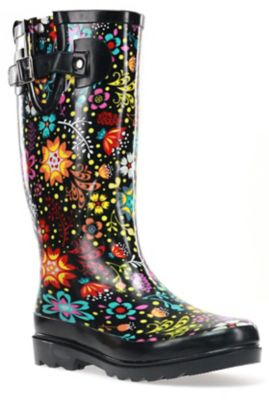
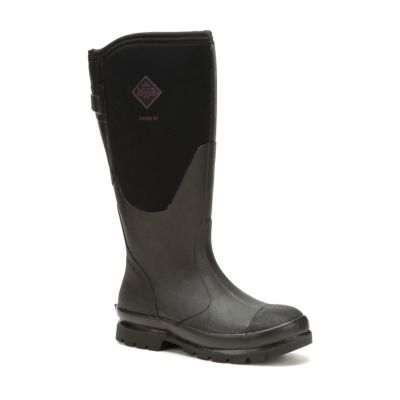
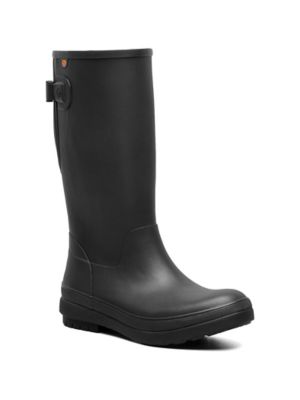
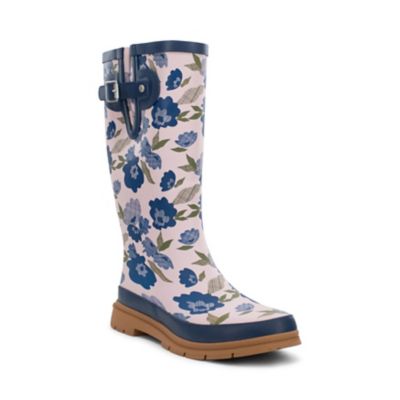
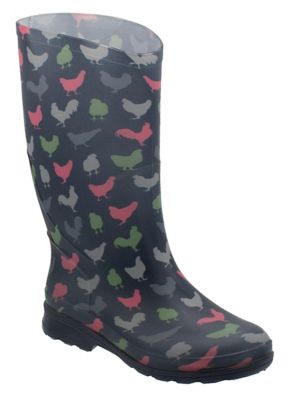
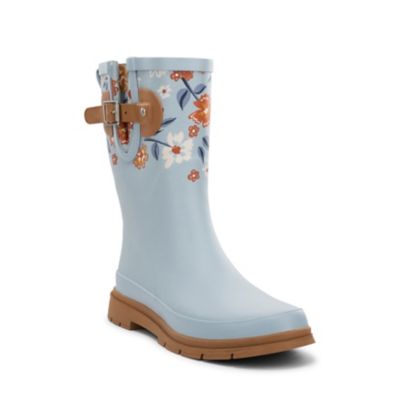
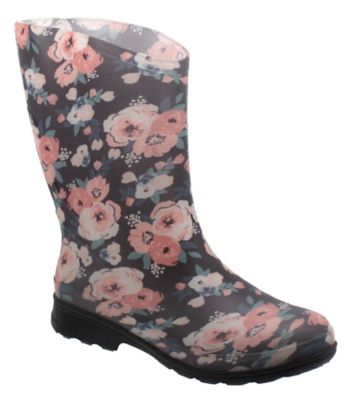
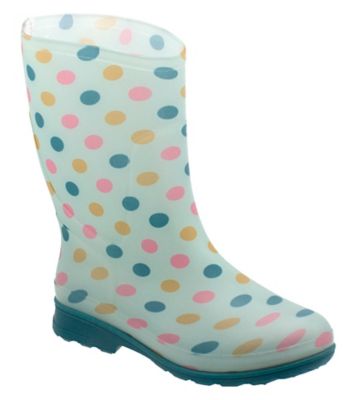
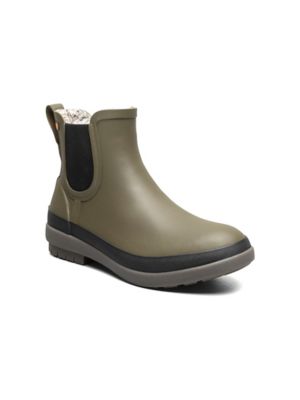
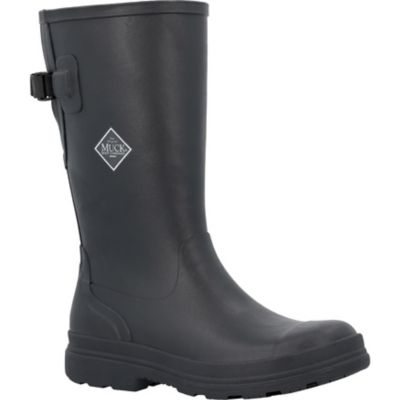
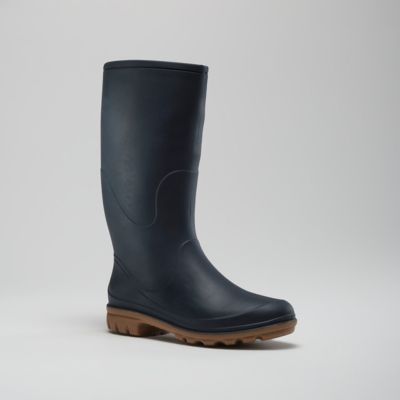
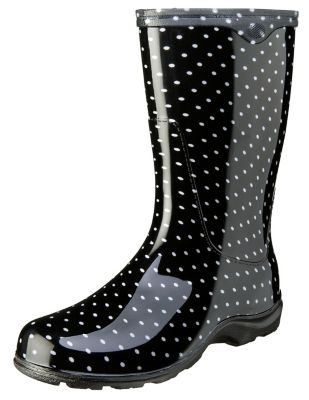
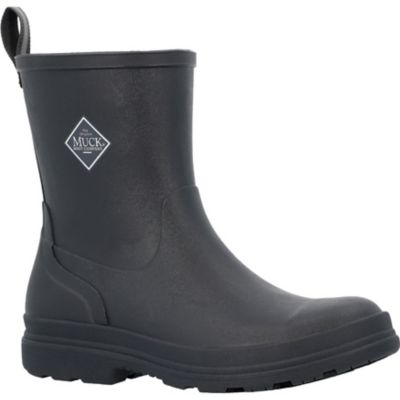
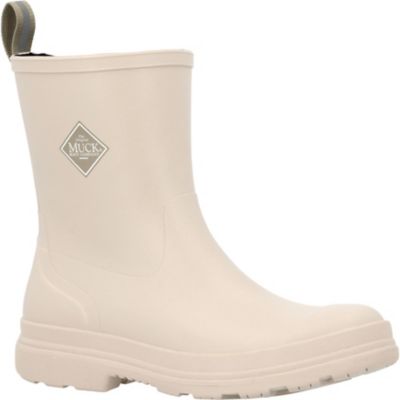
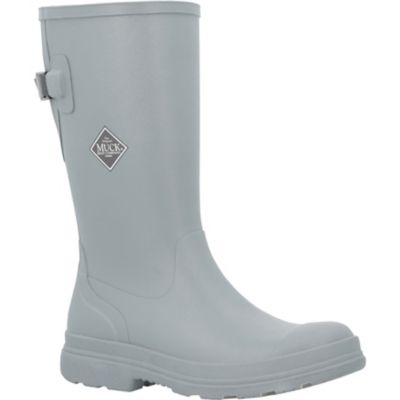
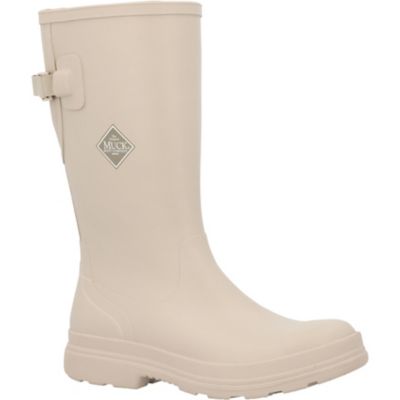
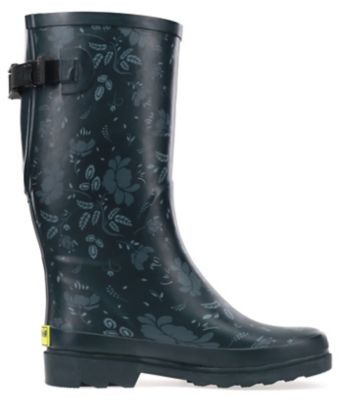
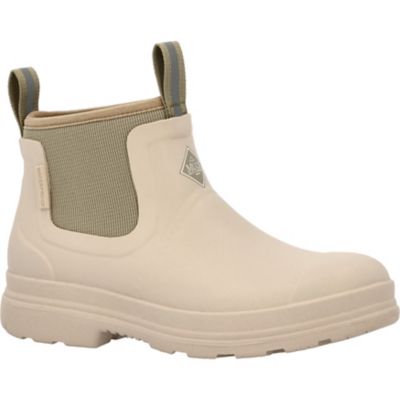
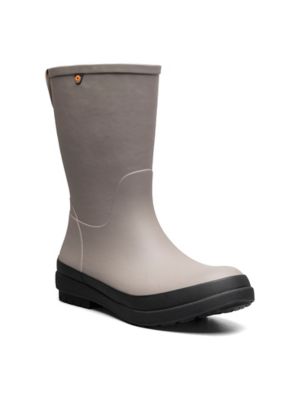
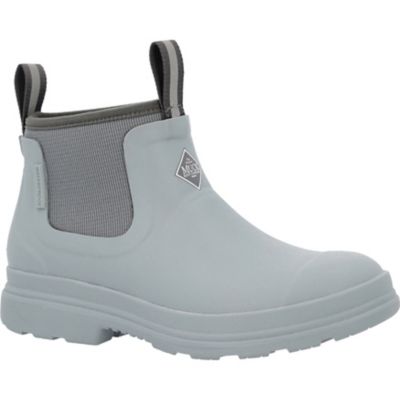
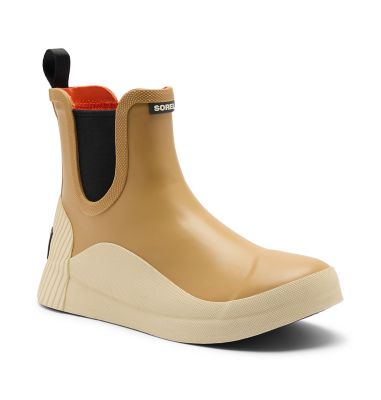
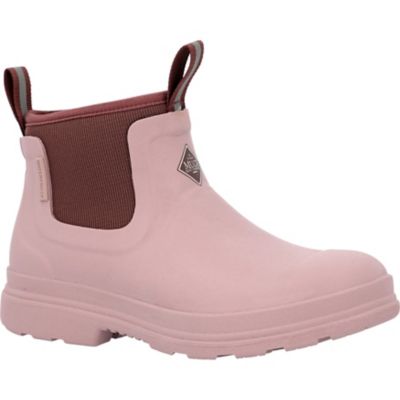
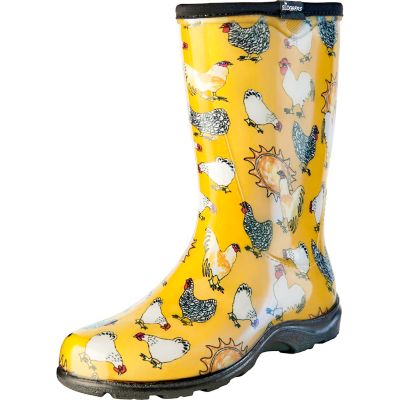
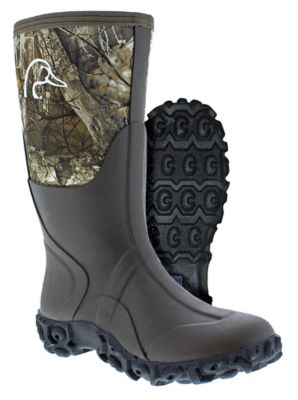
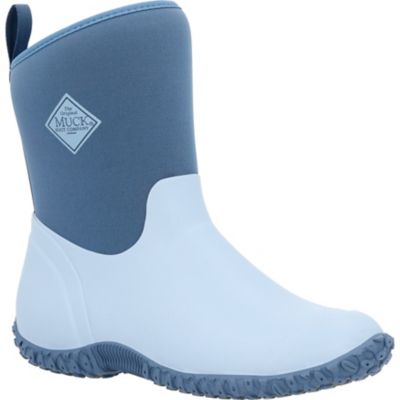
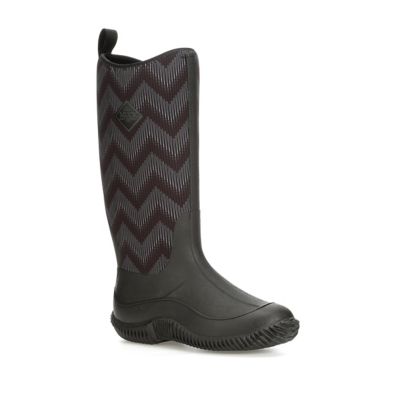
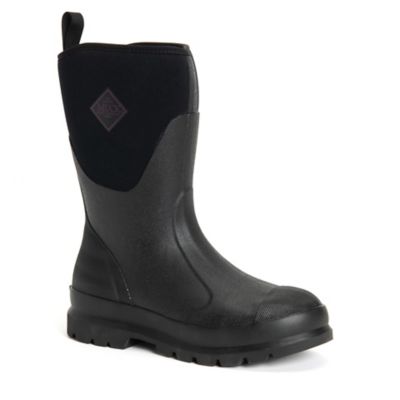
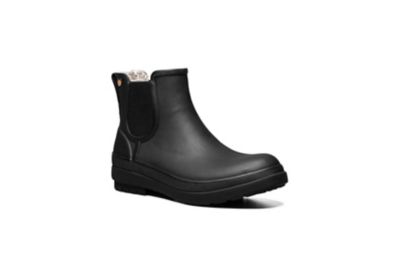
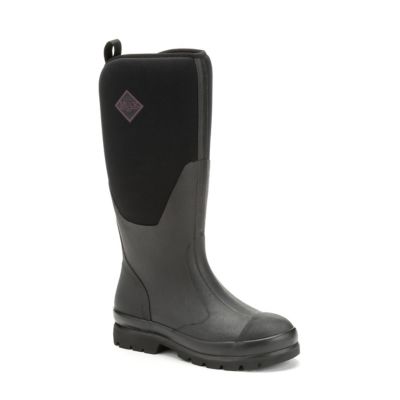
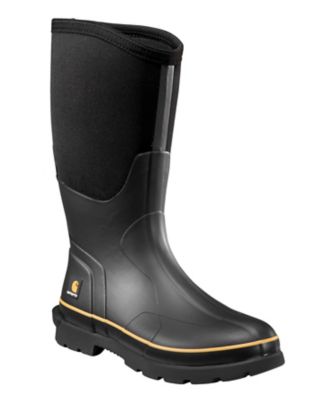
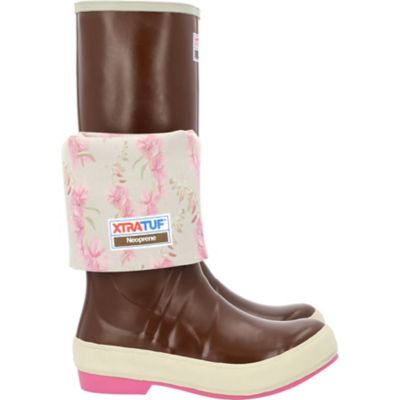
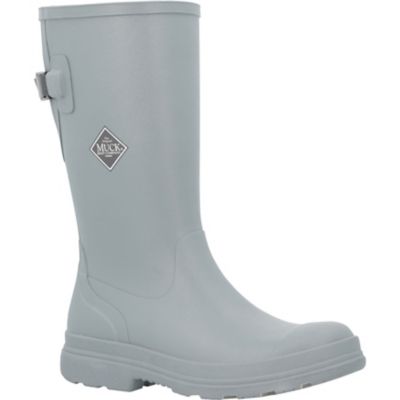
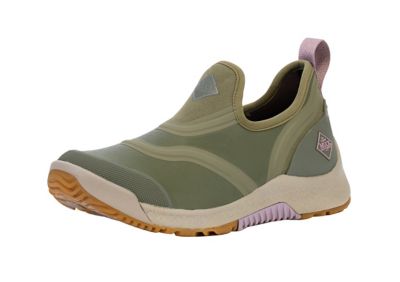
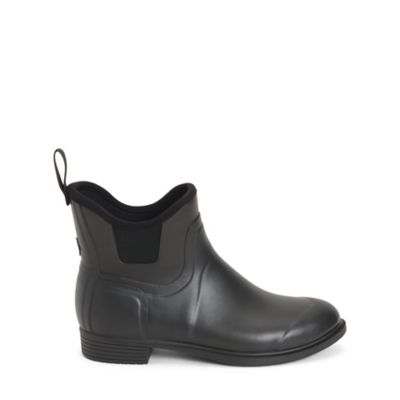
Ladies rain boots are waterproof footwear made for rainy walks, muddy paths, puddles, and the everyday chores that do not stop when the ground gets wet. From a quick trip to the mailbox to carrying feed across a soggy barnyard, the right pair helps keep water outside without making every step feel like hard work. Boot height makes a practical difference. Ankle rain boots offer less coverage but are easy to pull on for errands, porch work, and short trips across wet grass. Chelsea-style rain boots have a low profile with stretch panels at the sides, though water protection around those panels depends on the construction. Mid-calf boots provide more coverage for garden beds, splashing puddles, and muddy lanes while leaving room to bend and kneel. Tall rain boots reach farther up the leg to help shield pants and socks from splashes, but water can still enter over the top of any shaft. Materials also affect how a pair feels through a full day. Natural rubber generally offers flexibility, while synthetic rubber compounds and PVC provide other options for waterproof shells with varying weights and stiffness. Some boots combine a rubber lower section with a flexible neoprene upper for easier movement around the ankle and calf. Neoprene can also contribute warmth, depending on its thickness and the rest of the boot’s construction. A molded shell reduces the number of seams exposed to water, while boots assembled from several sections depend on sealed joins to keep moisture out. Smooth surfaces are generally easier to rinse after muddy chores, and reinforced areas around the toe and heel can help handle repeated scuffs. Solid colors work well with chore clothes or jeans for town, while floral patterns and other prints bring a little personality to a wet morning. The best match comes down to where the boots will go, how much coverage the job calls for, and how much walking fills the day.
Fit and underfoot comfort matter just as much as keeping the rain out, especially when a short chore turns into an afternoon outside. Women’s rain boots should leave enough room for toes to move without letting the foot slide forward at every step. A little heel movement can be normal in pull-on styles, but repeated rubbing or a heel that lifts excessively can make longer walks uncomfortable. The socks worn with the boots affect that fit: a pair that feels roomy with thin socks may feel snug with thick wool-blend socks. Wide-calf shapes and adjustable shaft openings can provide space for fuller calves or tucked-in pant legs, although an adjustable opening does not necessarily change the width through the foot. Shaft height matters when sitting, crouching, or climbing a step, too; the top edge should not dig into the back of the knee. Underfoot, cushioned footbeds can soften the feel of gravel lanes and hard floors, while arch support and a stable heel help the boot feel more settled during longer stretches on foot. Removable insoles make it easier to air out the inside or accommodate a compatible replacement footbed. Outsole patterns deserve attention as well. Deeper, well-spaced lugs can grip loose ground and shed mud more readily than shallow grooves, while slip-resistant designs may help on certain slick surfaces. No tread makes wet steps, smooth barn floors, or ice risk-free. Warmth is another separate consideration, since a waterproof shell alone does not mean a boot is insulated. For cold rain, slush, and chores that involve more standing than walking,
Women's Insulated Rain Boots provide options with added insulation. Lining materials, insulation thickness, sock choice, and activity level all influence comfort. Temperature ratings are best treated as a point of comparison rather than a promise that every wearer will feel warm in the same conditions.
Rain boots earn their place beside the back door because they can move between so many ordinary jobs. Gardeners may appreciate a flexible shaft that bends while planting along a muddy row, while someone tending chickens may put more value on easy-rinsing surfaces and tread that does not carry half the run into the house. Dog walkers often benefit from lighter boots that feel manageable over a longer route, and a roomy opening can make a pair easier to step into when a leash is already in hand. For heavier chores, a secure fit and reinforced construction may matter more than a slim silhouette. Ordinary rain boots are not a substitute for footwear with the protective features a task requires; work involving impact, puncture, electricity, or certain chemicals calls for boots rated for those hazards. Everyday care helps rain boots stay ready for the next trip outside. Loose mud rinses away more easily before it dries into seams and tread, and a soft brush can clear dirt from the outsole. Mild soap is generally a better starting point than harsh cleaners, with the maker’s care directions taking priority for each material. After rinsing, boots need time to dry with air circulating around them, away from direct heat that can affect rubber, adhesives, and linings. Damp interiors also need attention, since waterproof footwear can hold perspiration inside even when no rain gets through. Removable liners or footbeds should dry separately when the care directions allow it. Storing boots upright in a shaded spot helps prevent creases and unnecessary sun exposure, and occasional checks around flex points, seams, and soles can reveal cracks or separation before the next muddy outing. Rain boots can also make a thoughtful gift for a gardener, dog owner, or neighbor who spends plenty of time outdoors, especially when their shoe size, calf fit, and preferred boot height are known. A pair suited to those everyday routines is more likely to become the one waiting by the door.