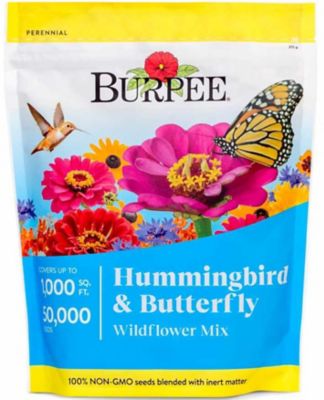
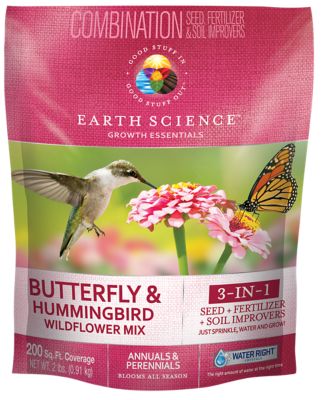
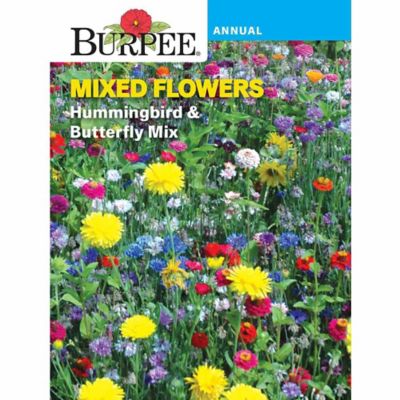
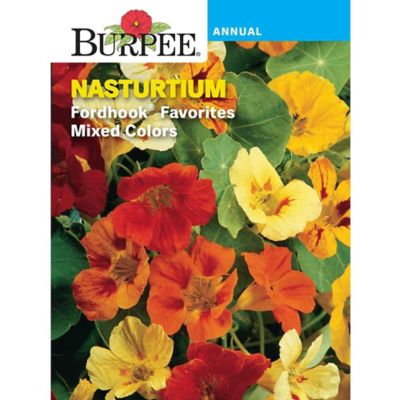
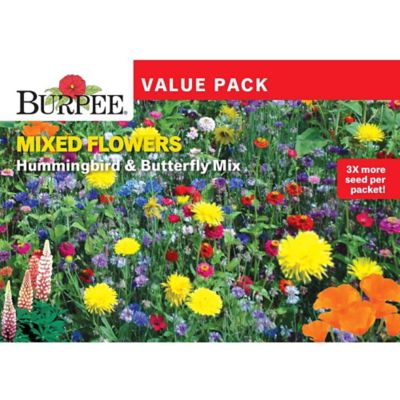
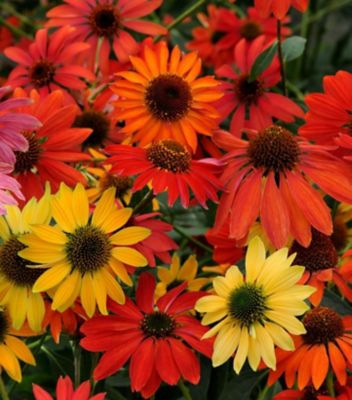
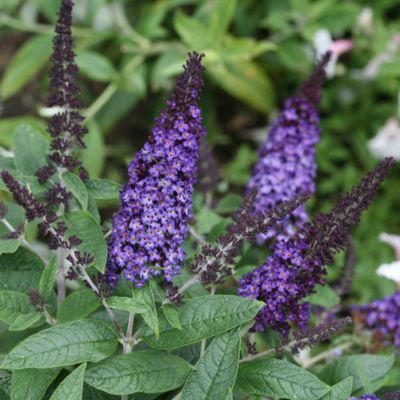
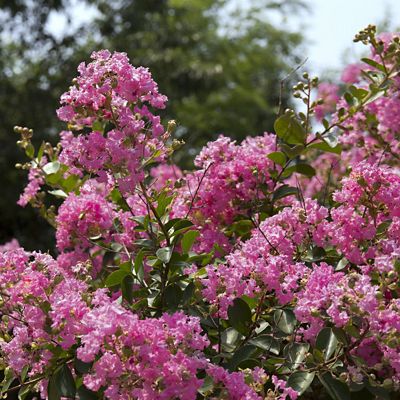
A hummingbird and butterfly garden seed mix is a blend of flowering plant seeds selected to provide nectar for hummingbirds, butterflies and often bees. Depending on the blend, it may contain annuals, perennials or both, bringing different flower shapes, colors and bloom times to a planted area. Tubular blossoms give hummingbirds places to feed, while open flowers and clustered flower heads can give butterflies room to land and reach nectar. A mix with several bloom periods can keep a bed interesting beyond one short burst of flowers, though results depend on the plants included and the growing conditions. Annuals often provide flowers in their first growing cycle; perennials may spend more time developing roots before putting on a fuller display in later years. The species list tells more than the name on the package, especially when choosing plants suited to a particular region. A wildflower blend is not necessarily a native plant blend, and a flower that grows well in one part of the country may not be a good fit somewhere else. For a bed beside the porch, a strip along the vegetable garden or a planted corner near a sitting area, that regional fit helps connect the flowers with the surrounding landscape. These mixes also serve different purposes within a wildlife-friendly yard. Nectar feeds adult butterflies, but caterpillars need suitable host plants, which may or may not be part of a blend. Milkweed, for example, serves as a host plant for monarch caterpillars, while other butterflies depend on different plants. A nectar-rich flower patch can complement nearby host plants without taking their place. Hummingbirds also eat small insects and spiders, so flowers are one part of their habitat rather than their entire food supply. No seed mix guarantees visits, but a well-matched planting can add feeding opportunities and give gardeners a closer look at the activity around their home.
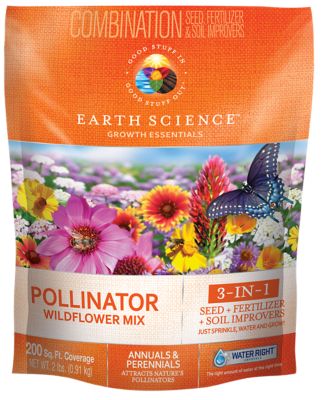
Choosing a hummingbird and butterfly seed mix starts with the space it will fill. A broad patch along a fence has different needs than a narrow walkway border or a deep planter beside the steps. Mature plant height and spread help show whether a blend will leave a clear view from a window, stay out of a path or need more room than a container provides. Taller flowers can make a lively backdrop, while shorter selections may fit better near seating and entryways. A general meadow blend is not automatically suited to pots; container plantings call for compatible plant sizes, enough root space and drainage holes that let excess water escape. Sun exposure matters just as much. Many flowering mixes perform best with substantial direct sunlight, but the stated light requirements should match the actual planting spot. Soil drainage, fertility and moisture needs also affect which plants take hold. A blend intended for freely draining ground may struggle in a low spot where water collects. Seed packages can differ considerably in their contents, so package weight alone does not tell the whole story. Some contain seed only, while others include a carrier or planting medium that helps spread small seeds more evenly. Listed coverage, seeding rate and seed composition provide a better basis for comparing the amount needed for a bed. More seed is not always better: crowded seedlings compete for light, moisture and root space. Successful establishment also depends on contact with prepared soil rather than scattering seed into thick grass and expecting flowers to take over. Planting depth varies by species, and some tiny flower seeds need light to germinate, making package directions especially important. Consistent moisture during germination, gentle watering that does not wash seed away and attention to competing weeds all support the early stages. Once established, the planting’s watering and feeding needs depend on its ingredients and the site; a flower mix should not be assumed to need no care simply because it contains wildflowers.
The day-to-day appeal of a hummingbird and butterfly flower garden is easy to picture: flower stems moving beside a pasture fence, butterflies settling on blooms near the back steps and a hummingbird pausing within sight of a kitchen window. The best fit is a planting that suits both that setting and the person tending it. Gardeners who enjoy gathering a few flowers may appreciate knowing whether a blend includes suitable cutting flowers, while those planting mainly for wildlife may prefer to leave more blossoms in place for feeding visitors. Where the included species allow it, leaving some spent flower heads can also provide seed for birds. Removing faded blooms can encourage more flowers on certain plants, but that response varies by species. Households with curious pets, small children or nearby livestock should check the plant list for potential hazards and keep garden plantings separate from grazing areas when needed. Local guidance can also help identify plants that should not be introduced in a particular area. In a pollinator planting, pest control choices deserve care because insecticides can harm visiting insects as well as the pests being targeted. Even treatments applied to nearby plants may affect the flower patch, so product labels and application restrictions matter. For gardeners saving part of a packet for another planting, a cool, dry storage spot and a clearly labeled, tightly closed container help protect seeds from moisture and confusion; germination can decline with age. These seed blends can make thoughtful gifts for bird-watchers, flower gardeners and folks who enjoy watching their yard come to life, especially when the selection matches their space and experience. For a different approach to a planting project, a
Garden Seed Kit is another option to explore alongside loose seed blends. Whether the goal is a modest flower bed or a larger patch, the most useful comparison comes back to the plants included, their growing requirements and the kind of care the gardener can give them.