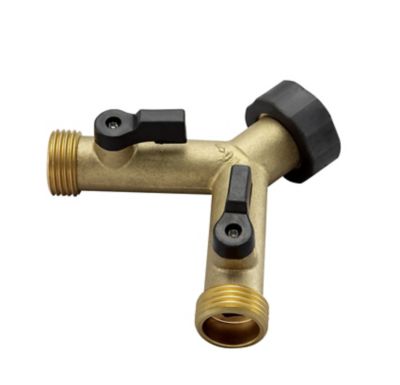
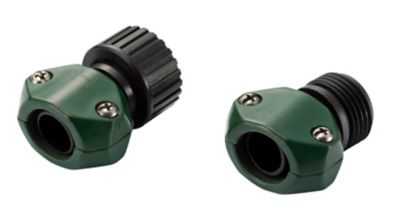
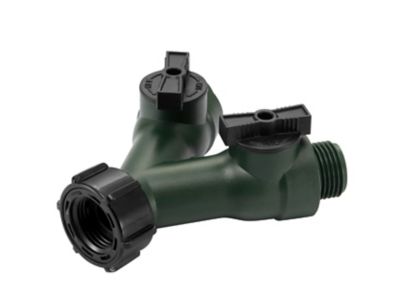
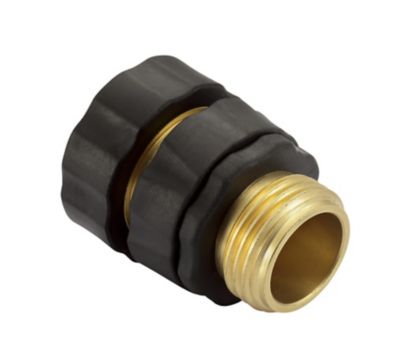
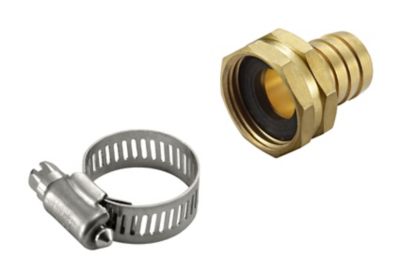
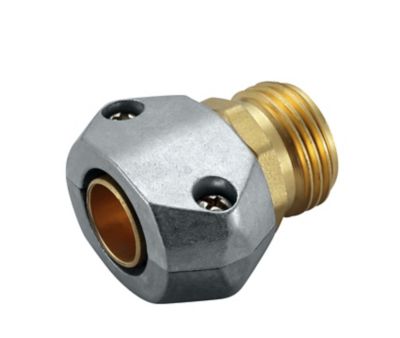
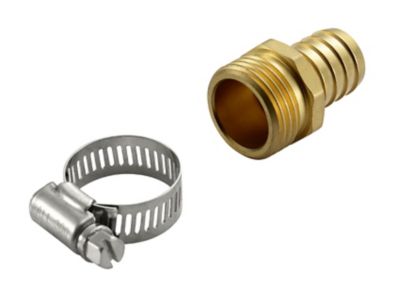
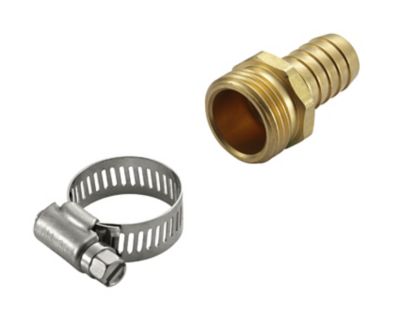
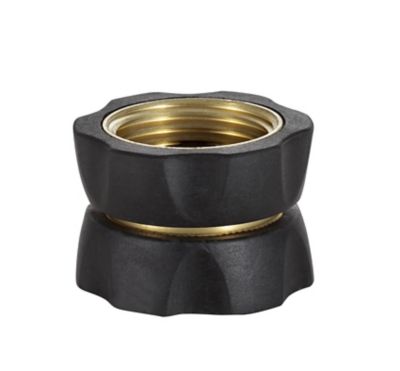
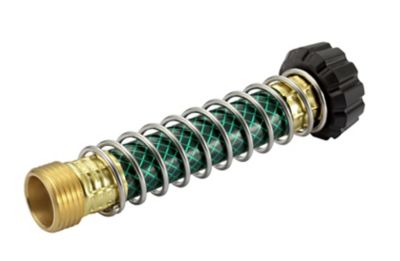
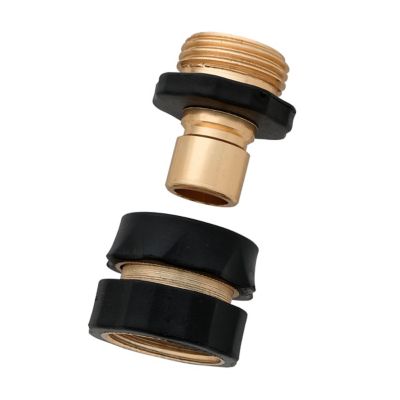
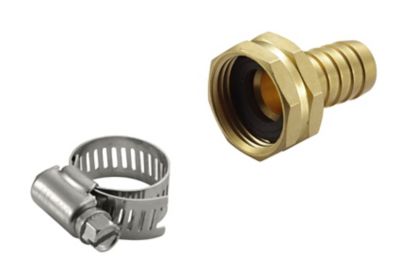
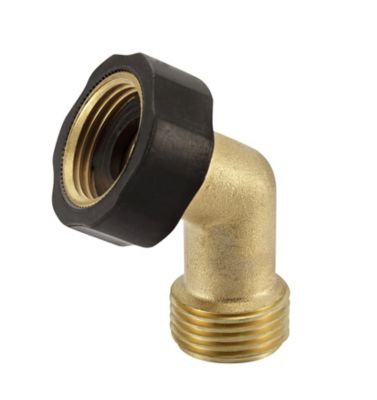
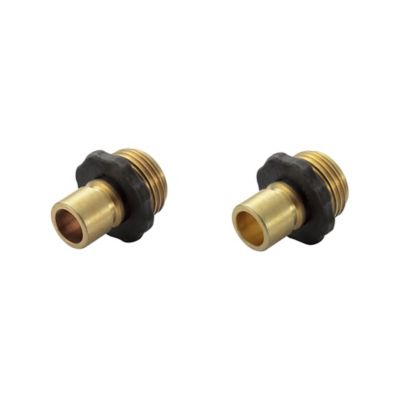
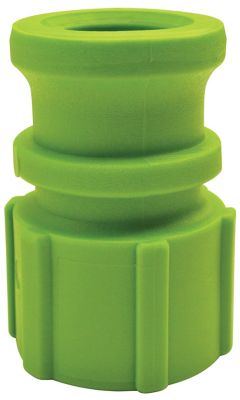
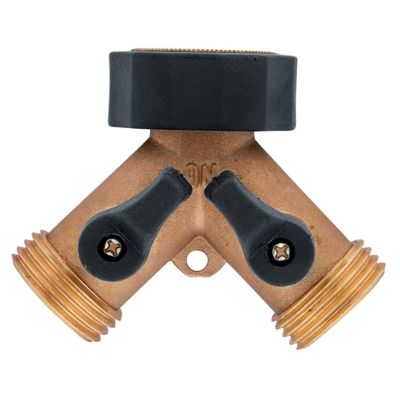
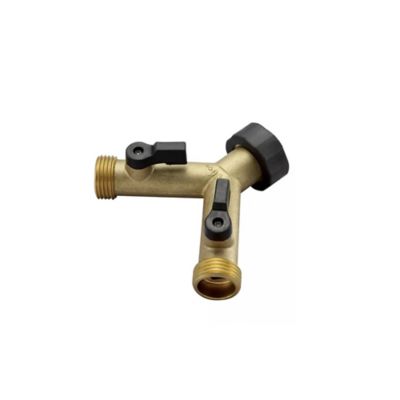
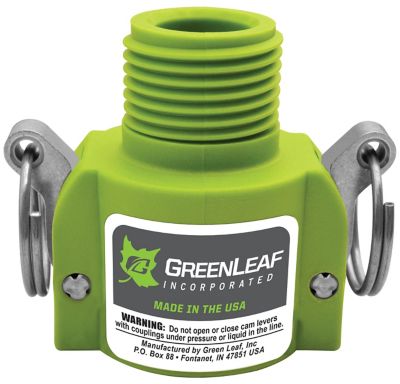
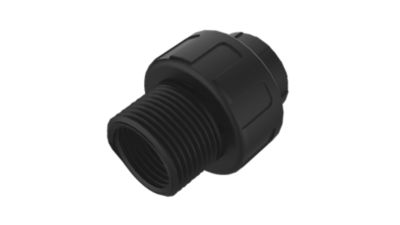
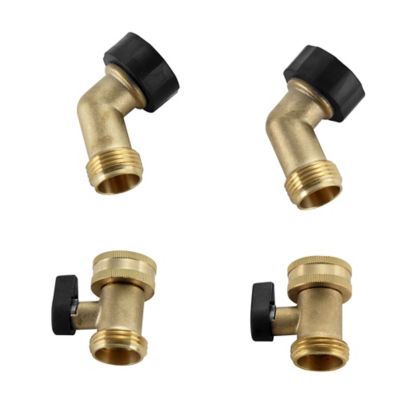
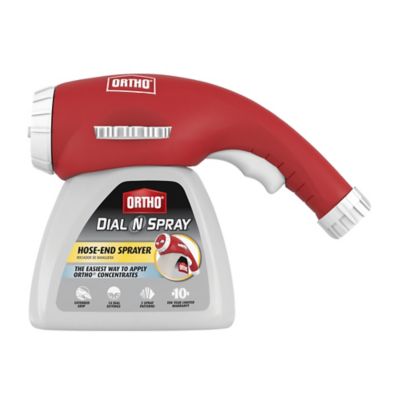
Hose adapters connect a garden hose to a faucet, another hose, a pipe, or a watering attachment when the connections do not match. They can bridge different thread types, change a connection from male to female, or provide a quick-connect attachment point for easier swaps between watering tools. Around a small acreage, garden, barn, or backyard, that little fitting can keep a useful hose working with the rest of the watering setup. Getting the fit right starts with the connection, not just the number printed on the hose. Many residential garden hoses have standard 3/4-inch garden hose thread, often called GHT, even when the hose’s inside diameter is 1/2 inch or 5/8 inch. Those measurements describe different parts of the hose, so a smaller hose opening does not necessarily call for a reducing adapter at the faucet. Male fittings have threads on the outside; female fittings have threads on the inside. A male-to-male or female-to-female adapter joins ends that otherwise would not screw together, while a pipe-to-hose adapter bridges two different connection standards. Garden hose threads and tapered pipe threads, such as NPT, are not interchangeable, even when their nominal sizes look alike. A garden hose connection generally seals against a flat washer, while a tapered pipe connection depends on its thread design and the sealing method specified for it. Matching both ends of an adapter helps prevent crossed threads, leaks, and fittings that seem close but never seat properly. For a hose running from a barn faucet to a wash area, the faucet connection and the attachment at the far end both matter. With hose-barb adapters, the barb size needs to match the hose’s inside diameter, along with a suitable securing method for that hose. These details make hose adapters useful for bringing existing equipment together without replacing an entire watering setup.
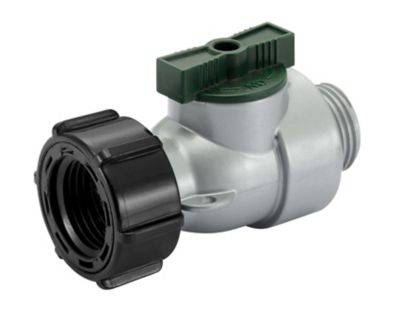
Material and construction play a big part in how a hose adapter handles everyday chores. Brass offers solid threads, corrosion resistance, and enough weight to feel substantial at a faucet or hose end. Aluminum keeps weight down, which can help when a connection moves along with a hose, though its finish and compatibility with adjoining metals deserve attention. Plastic adapters offer another lightweight option, with performance depending on the material, design, and stated operating limits. No material makes every connection suitable for every job. The adapter’s pressure rating, the liquid moving through it, and the equipment on either side all need to line up. A garden hose fitting intended for watering is not automatically suitable for a pressure washer, fuel transfer, or chemical application. For drinking-water service, every component along the water path, including the hose, adapter, and seals, should be rated for potable water. Connection style also affects convenience. Threaded adapters suit setups that stay assembled, while quick-connect hose adapters make it easier to move between a nozzle, sprinkler, and other compatible attachments without repeatedly turning threaded ends. Quick-connect plug and socket profiles need to match; a similar appearance does not guarantee a proper connection. Some designs include a shutoff feature that limits water release when an attachment comes off, though that feature can also narrow the flow path. Swivel connections allow a hose end to turn more freely, helping reduce the twisting that can happen while dragging a hose around a fence corner or moving between raised beds. Grip shape matters, too, especially when hands are wet or work gloves stay on between chores. A broad gripping surface can make a fitting easier to handle without reaching for pliers. For filling a trough or supplying several watering attachments, the adapter’s internal opening matters alongside its thread size. A narrow passage can restrict delivery, even when the hose itself has a larger bore.
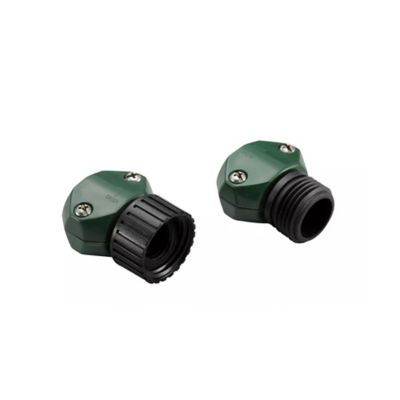
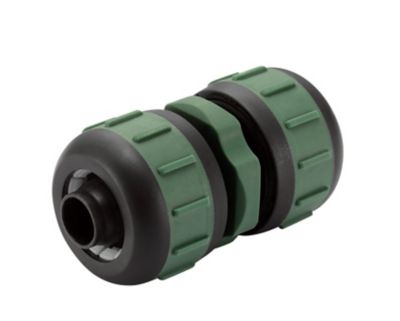
The best-fitting hose adapter works with the way the hose travels and the work it needs to do. A short connection at a garden faucet has different demands than a hose stretched across a barn aisle or pulled along a gravel path. Extra fittings add length and weight, so keeping the connection straightforward can reduce strain on the faucet and hose end. An angled adapter may help route a hose away from a wall or tight corner, but it should not become a handle for pulling the hose. For a damaged hose end, a repair coupling or mender serves a different purpose from a thread-changing adapter: it restores the hose connection or joins compatible hose sections. Considering adapters alongside
Hose Fittings helps keep those roles clear when matching parts for a watering setup. Care is mostly about keeping sealing surfaces clean and catching wear before it turns into a steady drip. Grit in the threads can interfere with engagement, and a flattened, missing, or cracked washer can leave an otherwise sound garden hose connection leaking. More tightening is not always the answer. Excessive force can distort a washer, damage plastic threads, or make metal fittings harder to separate. Thread tape does not replace the flat washer in a standard garden hose connection, and pipe-thread sealants belong only where the connection design and manufacturer’s directions call for them. Releasing pressure before disconnecting and rinsing dirt from exposed ends make handling easier and help protect seals. Storing loose adapters together in a clean compartment keeps small parts from disappearing into the grass or getting packed with soil on a workbench. Water systems may also require a separate backflow-prevention device; an ordinary hose adapter does not provide that protection. From rinsing muddy tools to watering garden rows, a properly matched connection helps keep attention on the chore rather than the drip at the faucet.