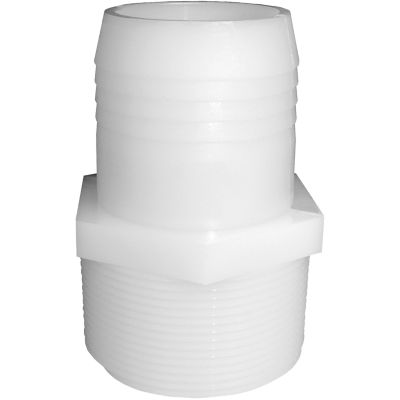
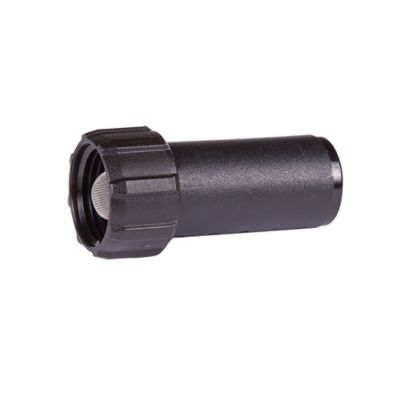
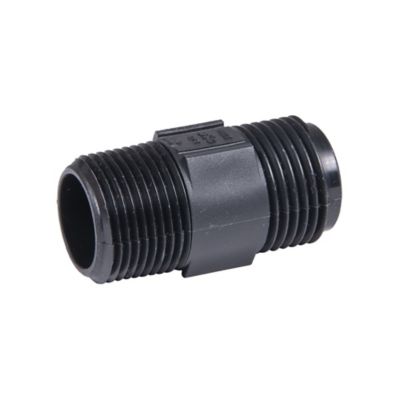
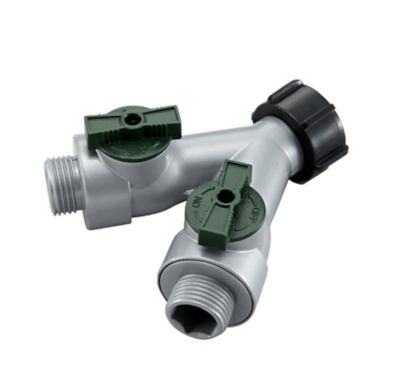
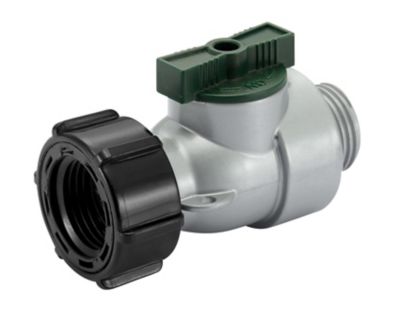
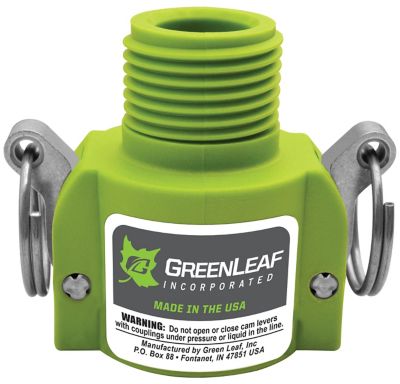
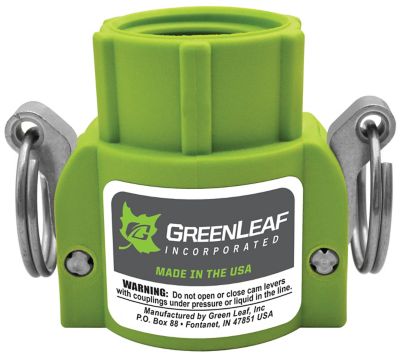
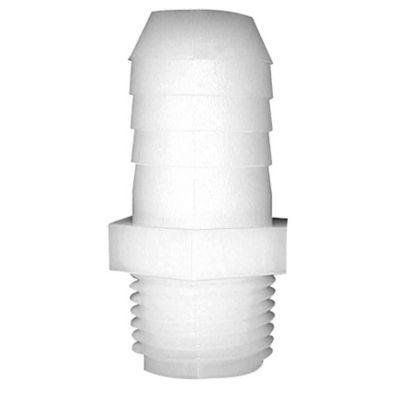
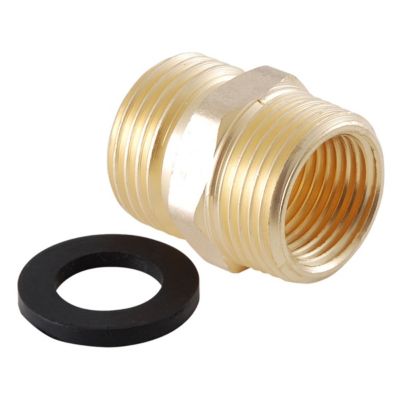
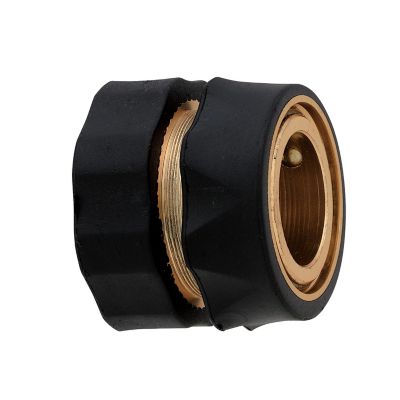
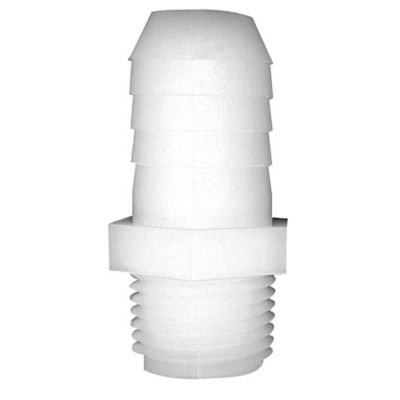
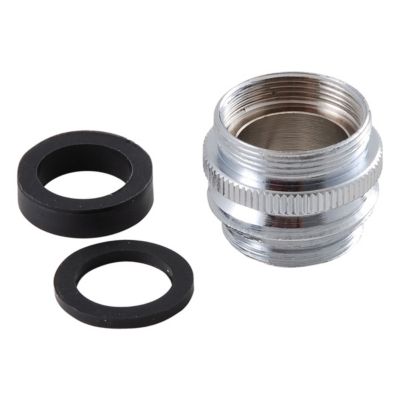
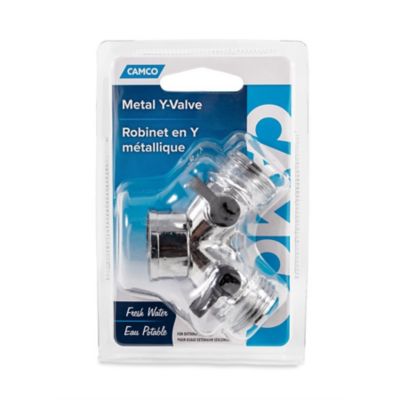
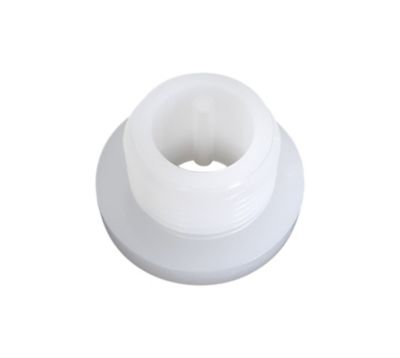
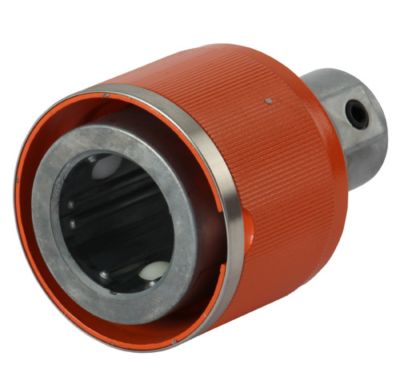
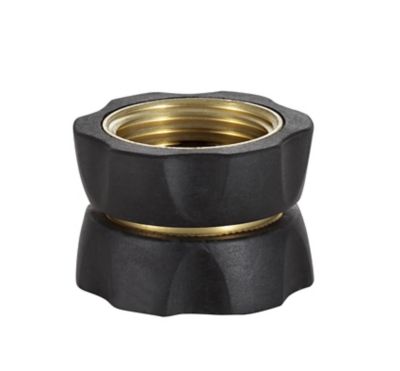
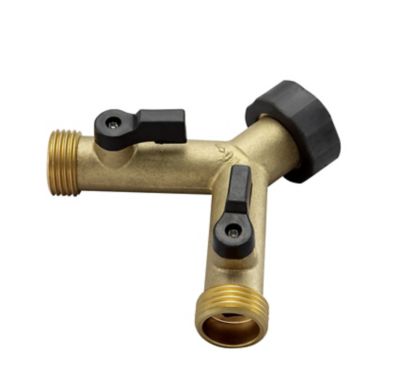
Garden hose adapters connect a hose to a faucet, nozzle, sprinkler, another hose or a fitting with a different connection style. They help bring separate parts of a watering setup together, whether that means running a line to raised beds, filling a livestock trough or switching from a spray nozzle to a sprinkler out by the fence. Common types include threaded adapters, quick-connect fittings, hose splitters and hose-end repair fittings. Each serves a different purpose, so the connection at either end matters more than the overall shape of the part. Threaded adapters bridge compatible fittings with different sizes or male and female ends. Male threads sit on the outside of a fitting, while female threads sit inside an opening. Quick-connect adapters let matching hose ends and attachments snap together without threading and unthreading them at every change. That can make a difference when one hose handles several chores around the yard, barn and garden. A hose splitter sends water from one faucet into two or more branches, and separate shutoff valves allow each branch to operate independently when the splitter includes that feature. Splitting the supply does not add water pressure; the flow at each outlet depends on the source and how many branches are running. Hose-end repair fittings replace damaged connections, while menders join sections of hose after a damaged portion is removed. For gardeners, small-acreage owners and anyone handling regular watering chores, the right adapter can keep a useful hose connected to the equipment it needs to reach. A swivel connection can ease installation where a hose is awkward to turn, and an angled fitting can help route the hose away from a tight spot beside a faucet. These small differences are worth considering when the hose must pass around a gatepost, sit near a wall or reach an attachment without a sharp bend.
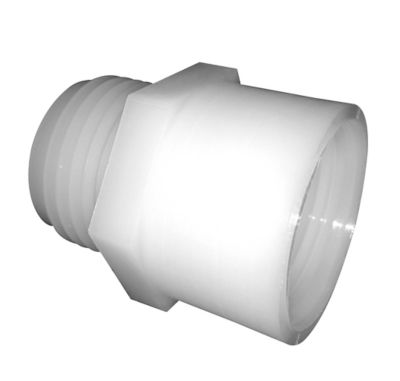
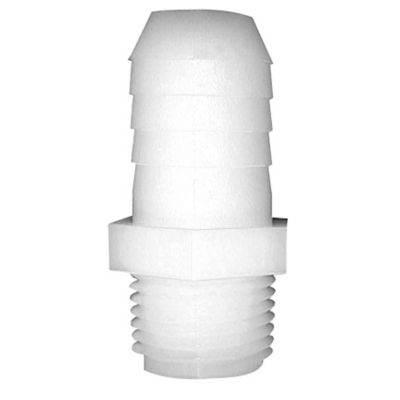
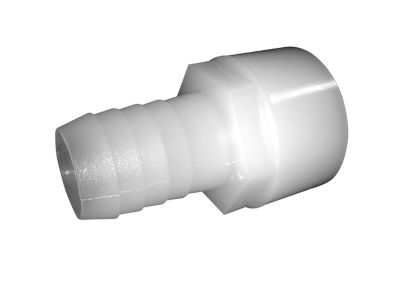
Fit starts with the thread type, not just the size printed on the fitting. Most standard garden hose connections in the United States have 3/4-inch garden hose threads, commonly called GHT, with 11.5 threads per inch. That nominal connection size is different from the hose’s inside diameter, which may be 1/2 inch, 5/8 inch or 3/4 inch. A hose with a smaller bore can still have a standard 3/4-inch hose connection. Pipe threads are another matter: garden hose threads and tapered pipe threads, often marked NPT, are not interchangeable, even when their nominal sizes match. Connections between these systems call for an adapter with the correct thread type on each end, making
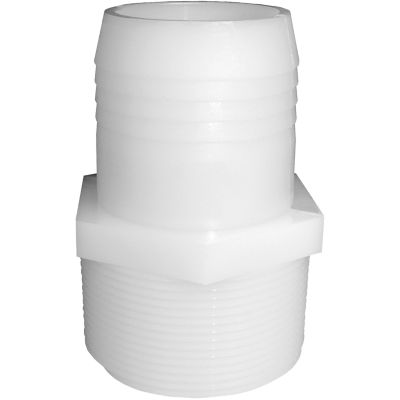
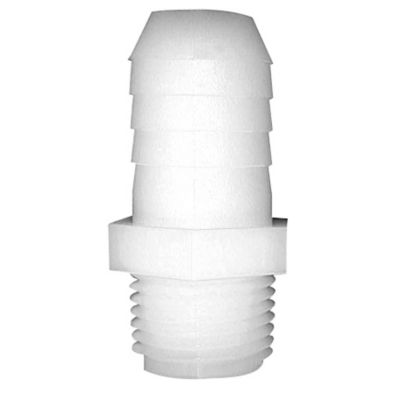
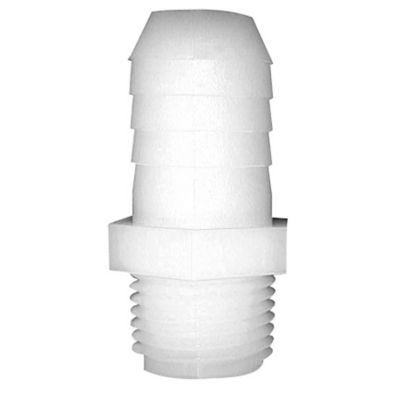
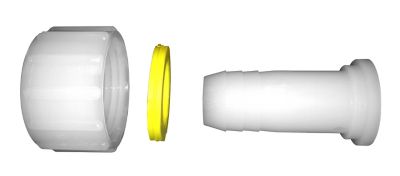
garden hose to pipe fittings relevant for setups that connect a hose to plumbing or irrigation components. Standard female garden hose connections generally seal against a flat washer rather than along the threads. A missing, flattened or cracked washer can leave water dripping at the joint even when the threads fit correctly. Pipe-thread connections may require an appropriate sealant according to the fitting manufacturer’s directions, but adding thread tape to a standard washer-sealed hose connection does not replace the washer. Quick-connect fittings also need matching profiles; pieces from different connection systems may look similar without locking together or sealing properly. Hose repair fittings require a match to the hose’s inside diameter, and their clamps or collars must suit the hose construction. Faucet adapters have their own fit considerations because household faucet threads and spouts vary. Along with fit, check the intended working pressure, water-contact rating and connection requirements. Water for drinking, food preparation or animal consumption calls for fittings expressly rated for that purpose. A compatible backflow prevention device helps protect the water supply from contamination, and local requirements may apply. Garden hose adapters belong on compatible supply-water connections, not on a pressure washer’s high-pressure outlet.
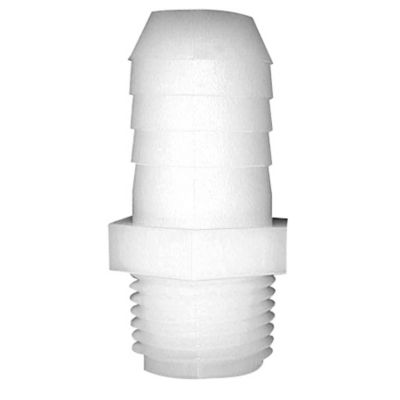
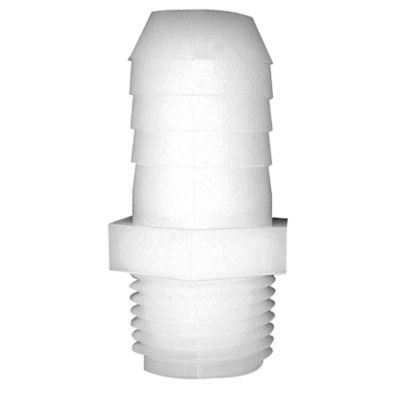
Material and construction affect how an adapter handles everyday chores. Brass fittings often suit connections that see frequent handling because the metal provides firm threads and resists corrosion in contact with water. Brass alone does not establish suitability for drinking water, so the stated certification still matters. Plastic adapters keep the connection lighter, which can be helpful at the end of a hose carried between garden rows or attached to a handheld nozzle. Their suitability depends on the material, pressure rating and intended application, rather than appearance alone. Stainless steel and other metal fittings offer additional options, with corrosion resistance varying by material and finish. Large gripping surfaces can make a connector easier to turn with wet hands or work gloves, while compact fittings take up less room beside closely spaced outlets. On a splitter, valve handles need enough clearance to move without bumping a wall or neighboring connection. A small internal opening can restrict flow, which matters when filling a trough or supplying an attachment that needs a steady volume of water. Weight matters, too: several fittings hanging from one faucet can put strain on the connection, especially when the hose pulls sideways. Supporting the hose and keeping heavy assemblies from dangling helps protect the faucet and its mounting. Routine care is straightforward. Clean threads engage more easily, washers need occasional inspection, and quick-connect seals benefit from staying free of grit. A connection should thread smoothly without forcing; resistance at the start can signal crossed threads or the wrong fit. Excessive tightening can damage washers, plastic bodies or threads rather than stop a leak. Before disconnecting a fitting, shut off the water and release pressure through the nozzle or outlet. Draining and storing loose adapters where they will not collect dirt helps keep them ready for the next chore. With compatible ends, sound seals and a layout that fits the job, garden hose adapters make it easier to move water where it needs to go.