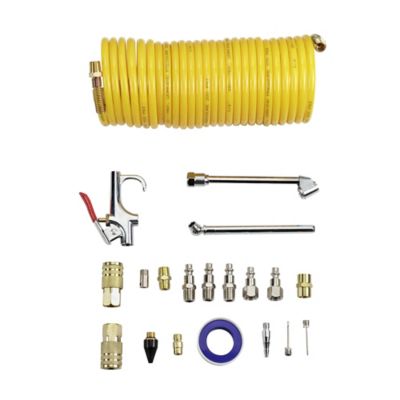
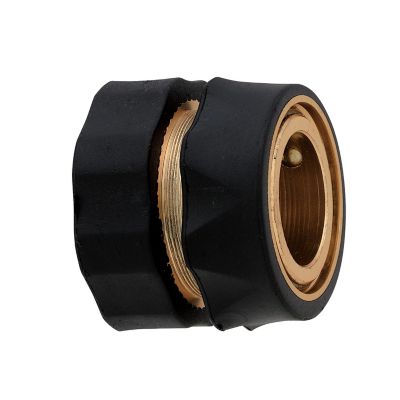
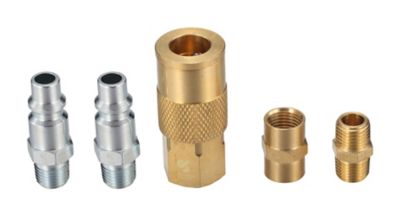
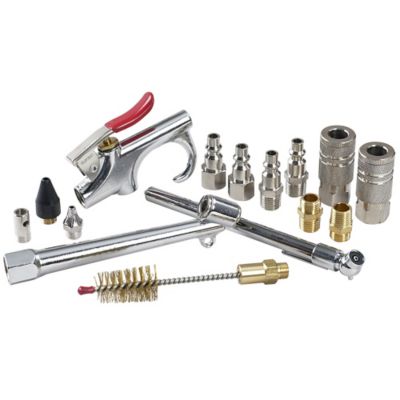
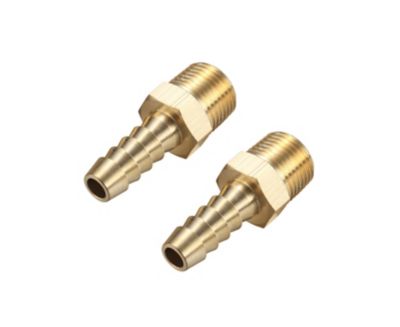
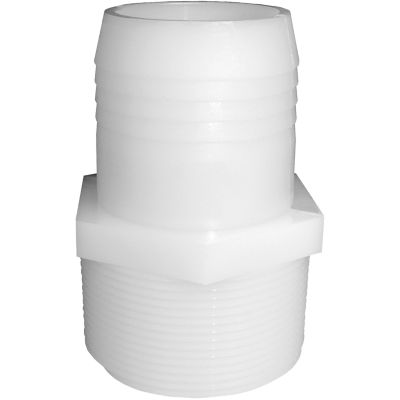
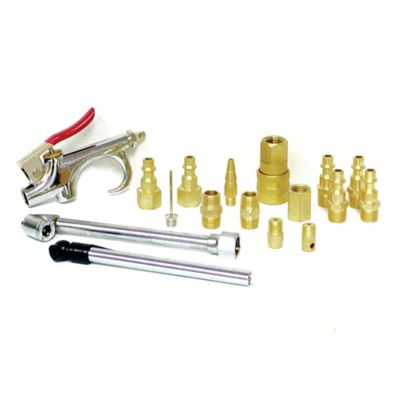
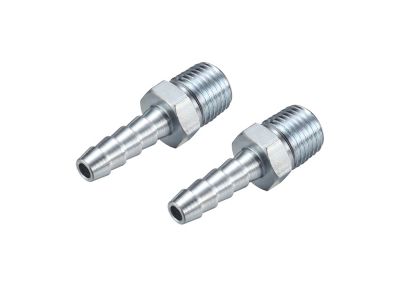
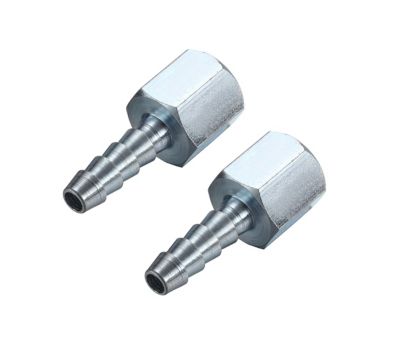
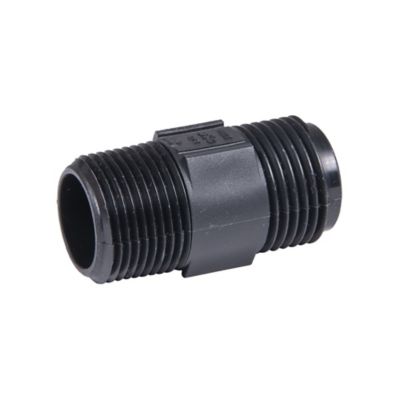
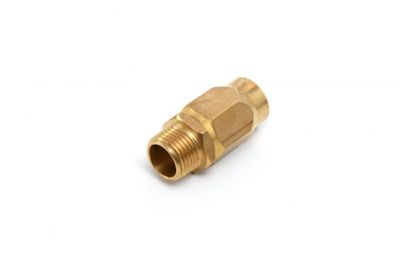
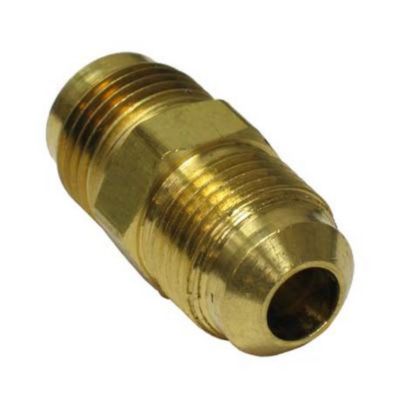
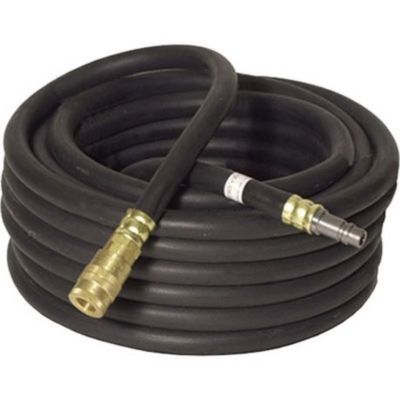
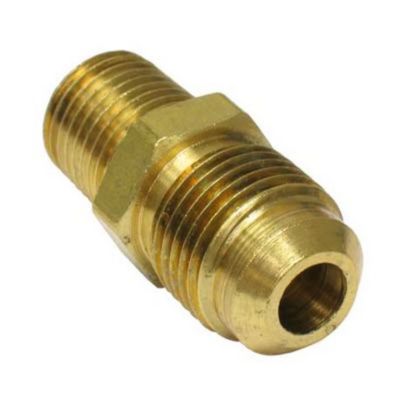
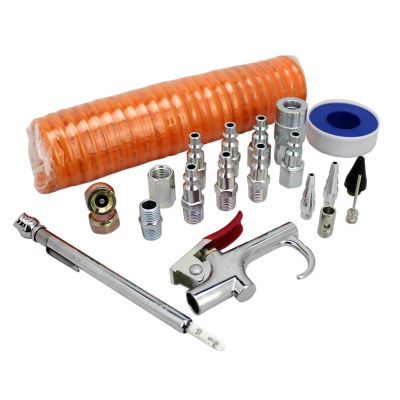
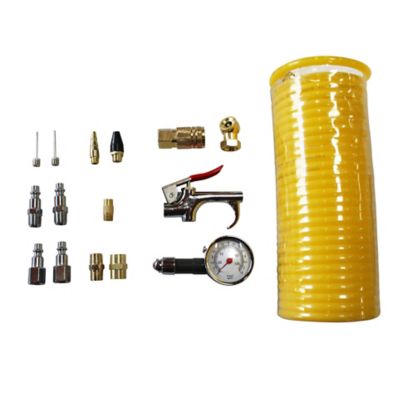
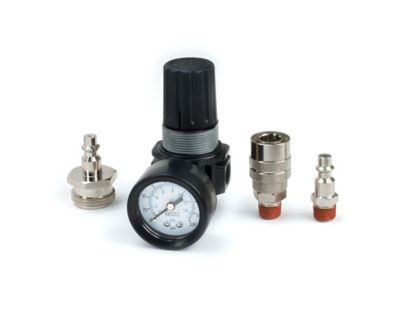
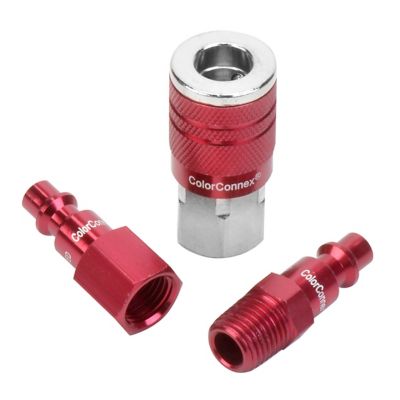
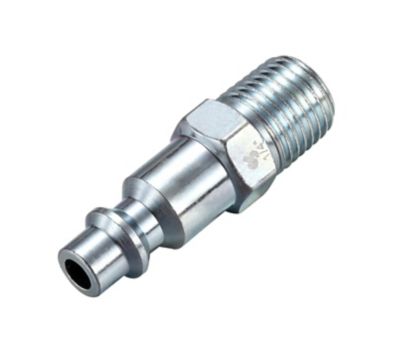
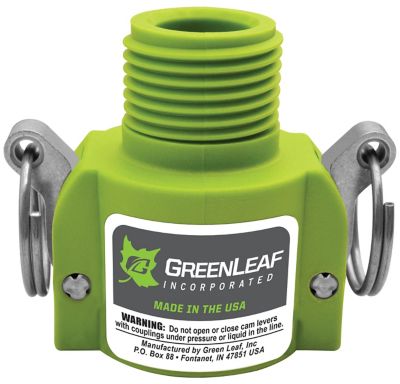
Air hose adapters help make a compressed-air setup more useful by connecting hoses, tools, compressors and accessories that do not share the same fitting style or size. They are handy in a home garage, farm shop, barn, maintenance room or work trailer, especially when several air tools need to share one compressor. A nailer may use a different coupler than an impact wrench, while a tire inflator, blow gun or air-powered grease gun may have its own connection requirements. The right adapter creates a dependable link between those parts without forcing a hose into an ill-fitting port. When shopping, start by checking both ends of the connection you need to make. Look for the thread size, thread type, fitting gender and coupler profile, along with the hose’s inside diameter and the tool’s air inlet. Common pipe thread sizes include 1/4-inch and 3/8-inch NPT, but the size alone does not tell the whole story. NPT threads are tapered and intended to seal as they tighten, while other thread standards may look similar without being interchangeable. A fitting may also be described as industrial interchange, automotive, ARO or universal style. These names generally refer to the shape and compatibility of the quick-connect plug and coupler, not simply the size of the opening. Matching the style on both sides helps prevent loose connections, air loss and frustrating trips back to the parts drawer. It is also worth checking the pressure rating and material. Brass fittings are common for shop and farm use because they are sturdy and resist corrosion, while steel options can be a good fit for demanding work. Choose components rated for the pressure produced by the compressor, and keep the working temperature and environment in mind when an adapter will be used outdoors or around dust, moisture and livestock areas.
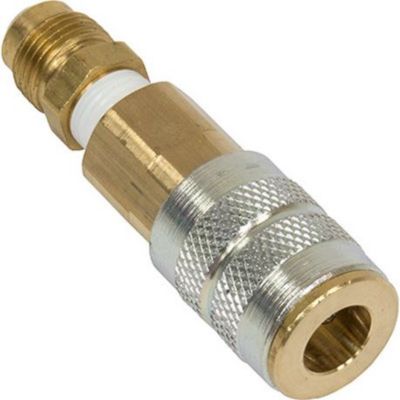
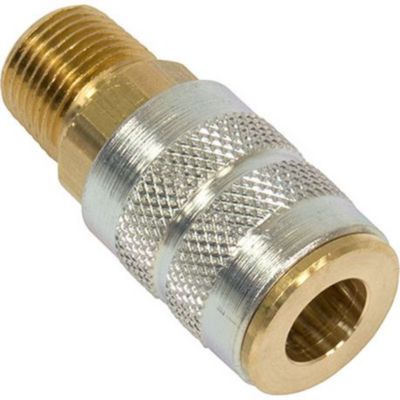
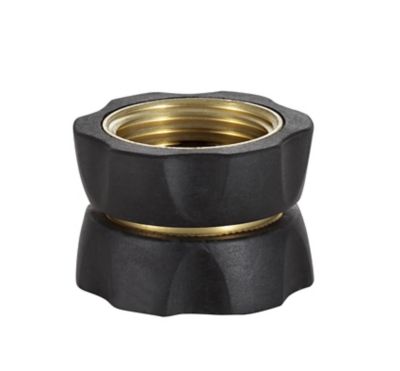
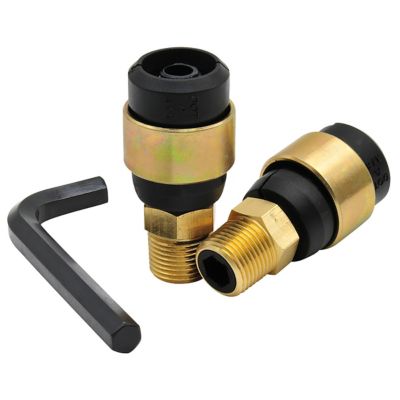
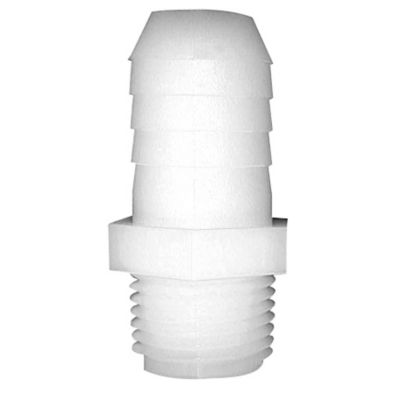
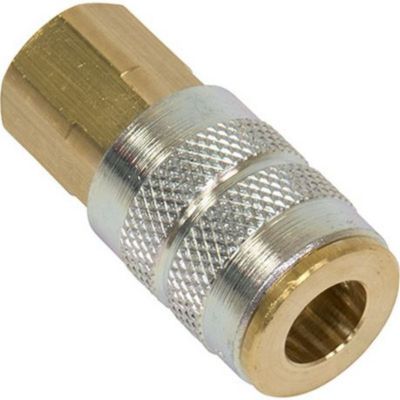
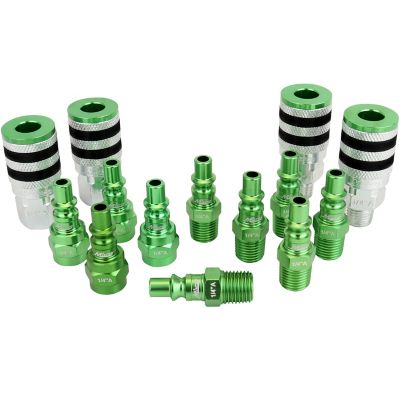
Quick-connect couplers and plugs are among the most useful air hose adapters for anyone who changes tools through the day. A coupler remains attached to the hose or supply line, while a matching plug is installed on the tool or accessory. Once the connection style matches, tools can be swapped with a simple sleeve-and-click motion, saving time when moving from inflating a trailer tire to cleaning a workbench or driving fasteners into a repair project. Industrial interchange, automotive and ARO patterns are common choices, but they are not automatically compatible with one another, even when they have the same nominal thread size. Universal-style fittings can offer broader compatibility in some setups, though the exact specifications should still be checked before purchase. Reducers and bushings are useful when a larger hose or port needs to connect to a smaller one, such as adapting a 3/8-inch air line to a 1/4-inch tool inlet. They can help bring different parts of an existing system together, but a reducer does not increase airflow, and reducing the passage may affect how a high-demand tool performs. Manifold adapters split one air supply into two or three outlets, making them useful when a compressor serves more than one station or when separate lines need to stay connected. A swivel fitting adds a moving joint near the hose connection, allowing the line to turn with the tool instead of twisting sharply at the port. That small change can make a noticeable difference when working around a tractor, under a vehicle or along a fence line, where a hose tends to snag and bend. For replacement connection pieces and end fittings, browse
Air Hose Plugs to help round out a compatible setup.
Before installing an air hose adapter, shut off the compressor, release pressure from the line and inspect the threads and sealing surfaces. Dirt, old tape or damaged threads can keep a fitting from seating properly, so wipe the parts clean and replace anything that is cracked, badly worn or difficult to turn. On tapered pipe threads, use a compatible thread sealant or apply PTFE tape carefully in the direction of the threads, leaving the first thread or two uncovered so loose tape does not enter the air passage. Avoid over-tightening, which can split a softer fitting or damage the port on an expensive tool. After assembly, bring the system up to pressure gradually and listen for hissing around each connection. A small amount of soapy water can help reveal bubbles at a suspected leak. Never try to tighten or disconnect a pressurized fitting, and keep hands and face away from an open air line. Air under pressure can move debris with surprising force, and high-pressure air should not be directed at skin, clothing or animals. For everyday work, organize adapters in a small parts box and label uncommon fitting styles so the right piece is easy to find when a repair needs to get done. A few well-matched adapters can be useful for farmers, ranchers, mechanics, equipment operators, contractors, home handymen and anyone who keeps a compressor ready for seasonal maintenance. They also make a practical addition to a new garage setup or a tool-room gift, particularly for someone who already has an assortment of air tools but keeps running into mismatched connections. During the warmer months, they can help with equipment cleanup, tire service and outdoor repairs; as cooler weather arrives, the same fittings are useful for shop projects, vehicle maintenance and getting machinery ready for storage. Select adapters by the connection in front of you, not by appearance alone, and confirm the thread, coupler style, size and pressure rating before adding them to your air system.