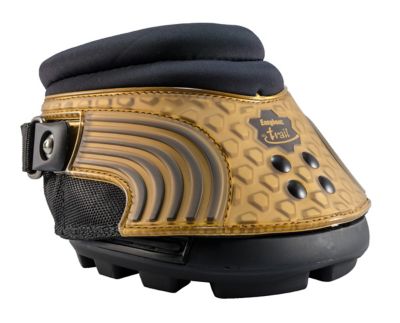
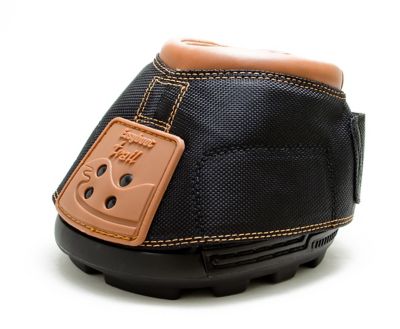
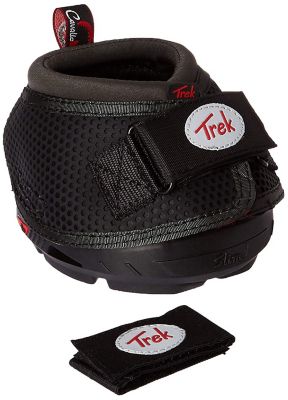
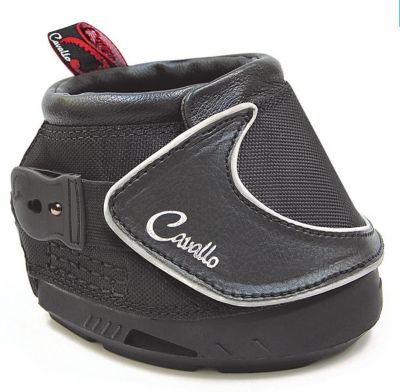
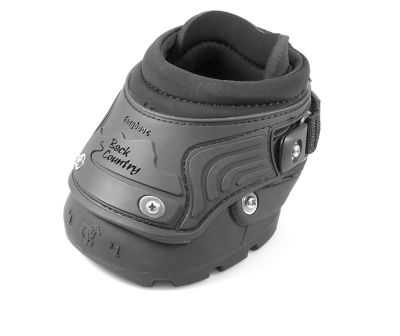
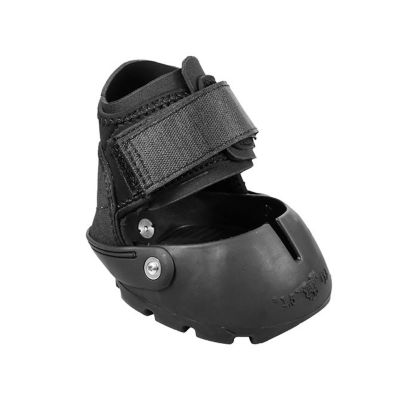
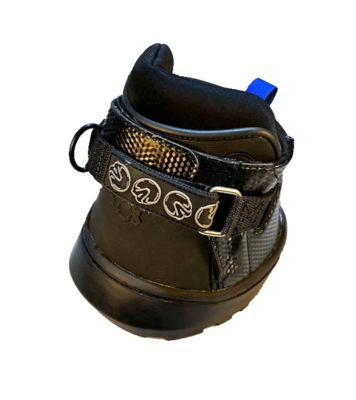
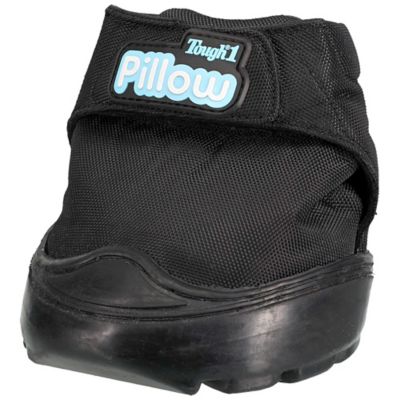
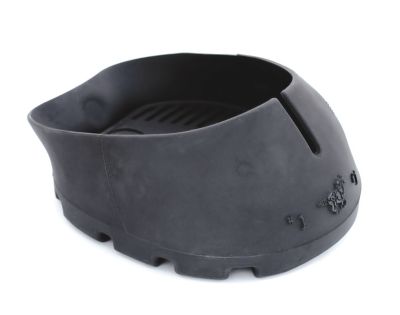
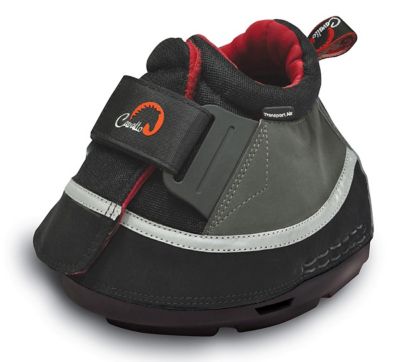
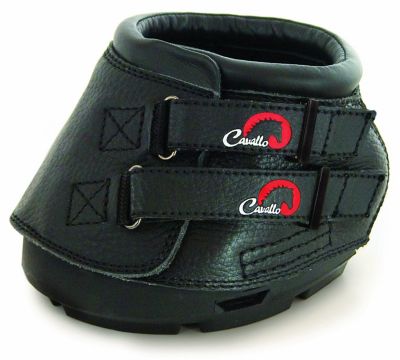
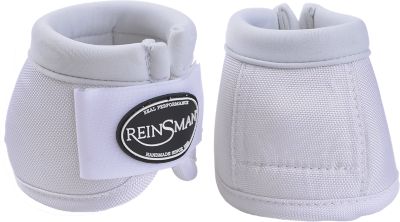
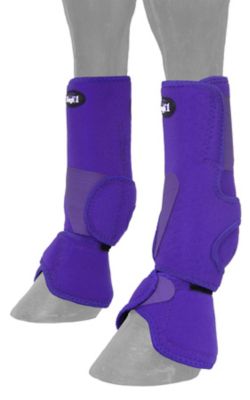
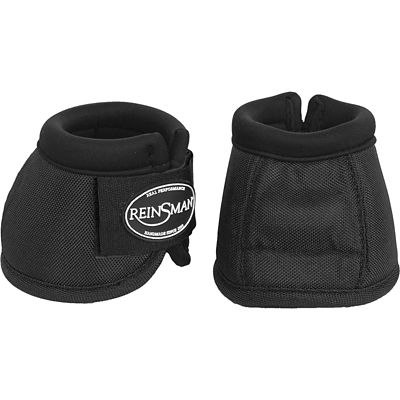
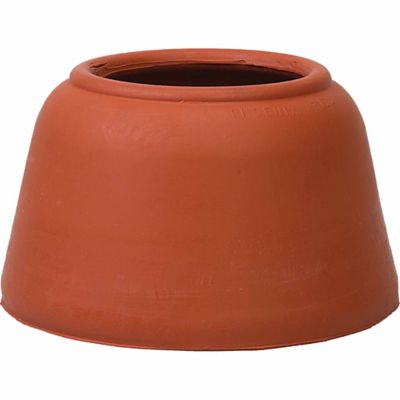
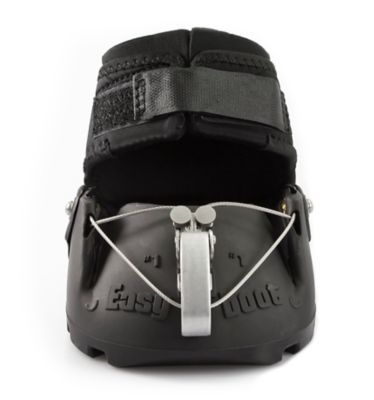
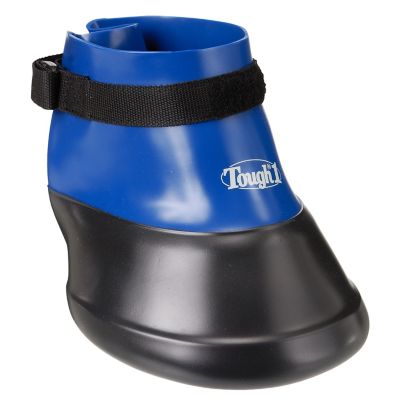
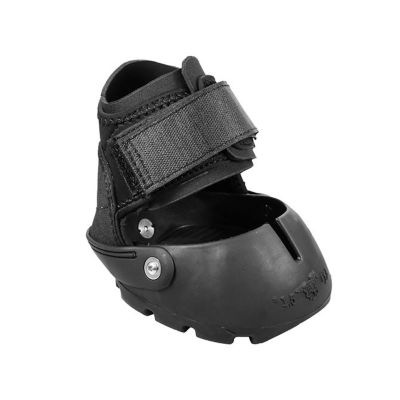
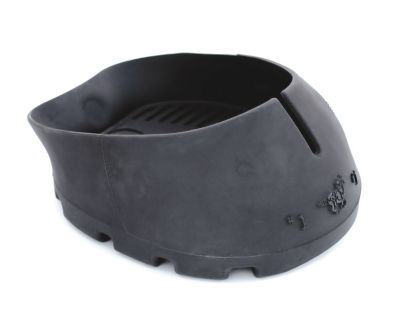
Horse hoof boots for trail riding give horses a removable layer of protection between the hoof and the ground, whether the route follows a gravel lane, crosses a stony creek bed, or winds over packed dirt. They’re often a practical choice for barefoot horses that move comfortably on softer footing but need extra protection on abrasive or uneven trails. Some riders also carry a properly fitted boot as backup for a lost shoe, provided the boot’s design and fit suit that purpose. The best match depends on hoof shape, riding distance, terrain, and how securely the boot stays in place through the horse’s stride—not simply how substantial it looks. A short loop around the farm puts different demands on a boot than several hours of climbing, descending, and stepping over exposed roots. For occasional outings, straightforward closures and easy handling may matter most. For longer rides, boot weight, freedom of movement, resistance to twisting, and rubbing become especially important. Hoof boots differ from leg boots: they protect the hoof rather than wrapping the cannon bone or supporting the fetlock area. They also aren’t all intended for the same job. A soaking or therapy boot may be suitable for care at the barn without being appropriate for ridden trail work, so the stated purpose matters. Trail-riding designs generally combine a protective sole with a shell or upper that holds the hoof securely while allowing normal movement. Some horses need protection on the front feet only, while others benefit from boots on all four; that decision depends on the individual horse and advice from a farrier or veterinarian. Hoof protection can help make rough ground more manageable, but it doesn’t turn every surface into suitable footing or replace conditioning. A horse that becomes sore, short-strided, or reluctant to move needs attention to the cause, not just a different boot. For trail riders, the goal is straightforward: protection that suits the horse without getting in the way of a comfortable stride.
Fit is the deciding factor in how well horse hoof boots perform on the trail. Two hooves with the same width can have different lengths, heel profiles, and wall angles, which is why matching the hoof to the boot’s shape matters as much as choosing a size. Rounder feet and narrower, more oval feet may need different designs, and front and hind hooves often require separate sizes. Measurements are generally taken shortly after a normal trim, following the boot maker’s directions for sole length and the widest part of the hoof. Measuring each foot separately helps account for differences that aren’t obvious when the horse is standing in the aisle. Size numbers aren’t interchangeable across boot designs, and hoof growth between trims can change how a boot fits. A close-fitting shell may have less room for that growth than a design with more adjustment. The hoof should seat fully inside the boot, with the heel positioned as intended and the closure secured without excessive pressure. Tightening straps harder won’t correct a shell that is too wide or the wrong shape. A boot that rotates on a turn, slips at the heel, or repeatedly traps grit deserves another look before a longer outing. Depending on the design, gaiters, padded collars, or heel straps help retain the boot, but those parts also need to sit clear of sensitive areas and move without chafing. Short introductory rides provide a chance to check for rubbing, shifting, and changes in stride before heading miles from the trailer. Pads may add cushioning or help with certain fitting needs when the boot allows them, though they also take up interior space and can alter heel placement. Hoof shape should be managed for the horse’s needs rather than trimmed simply to fit a particular boot. Riders comparing removable protection with other hoof-care options can also explore
Easy Care Horse Shoes, with a farrier’s input on what suits the horse’s feet, workload, and routine.
Materials and construction affect how trail hoof boots handle miles of ground contact, repeated flexing, and regular cleaning. Molded rubber and flexible thermoplastic materials are common in soles or shells, while some designs incorporate fabric or mesh uppers, padded sections, cables, buckles, or hook-and-loop fasteners. Each construction has trade-offs. An open design may let water and loose debris escape readily, while a more enclosed upper may offer broader coverage but require closer attention to trapped sand and grit. Mesh can help with drainage, yet any fabric section needs inspection where it bends or touches the hoof. Sole thickness, flexibility, and tread pattern all influence the feel underfoot. Deeper tread isn’t automatically better for every trail, and no tread can guarantee grip on slick rock, algae-covered crossings, or loose slopes. Secure footing still depends on the surface, the horse’s balance, and a sensible pace. For routes with frequent rock contact, resistance to abrasion and protection beneath the sole deserve attention; for long stretches of travel, overall weight and freedom through breakover also matter. Replaceable straps, gaiters, cables, or other components can make routine upkeep more practical when the design supports replacement. After a ride, removing the boots gives a clear view of both the hoof and any contact points around the heel. Emptying grit, clearing tread channels, and cleaning closures help prevent small bits of trail from interfering with the next fit. Follow the maker’s cleaning directions, allow boots to dry fully before storage, and keep them away from direct heat that could affect molded parts. Worn tread, cracked shells, stretched straps, and frayed stitching are signs to assess before another ride. A fitted spare can be handy in a saddlebag, especially on routes far from the trailer, but it should already have been tried on the intended hoof. With the right fit and regular attention, trail hoof boots offer practical, removable protection for everything from a quiet property loop to a longer backcountry ride.