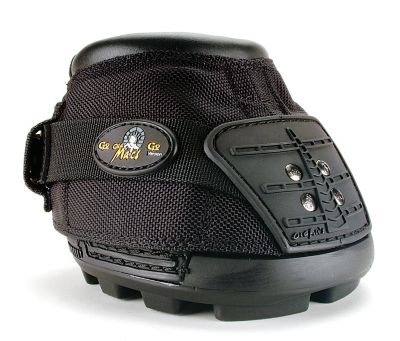
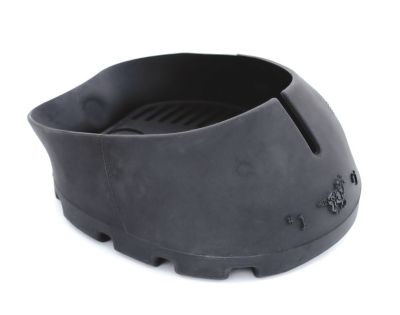
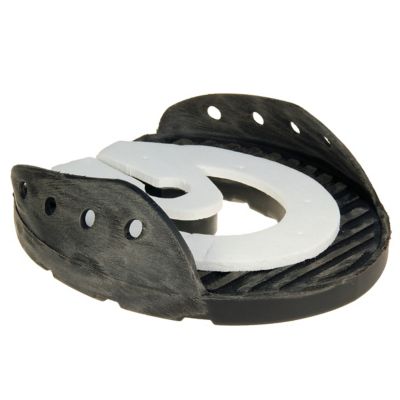
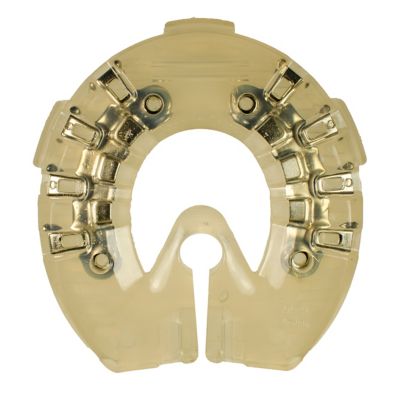
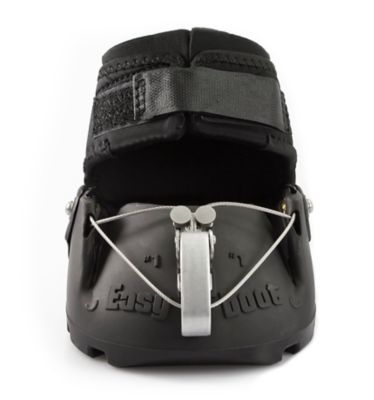
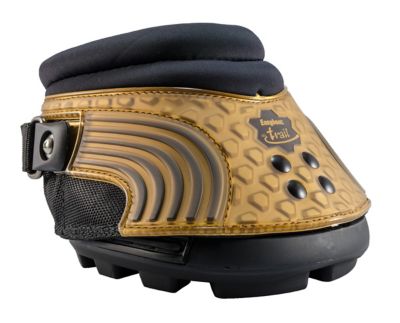
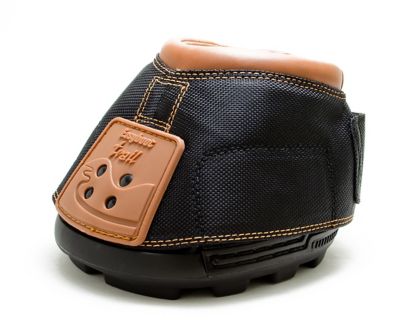
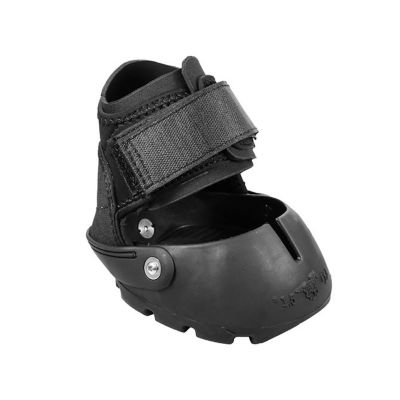
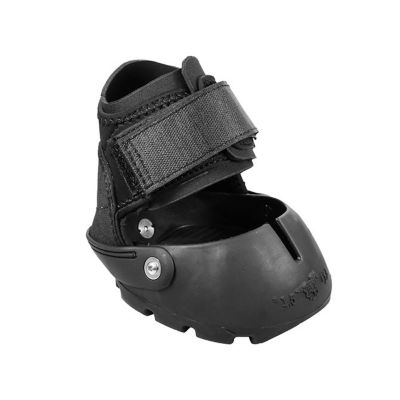
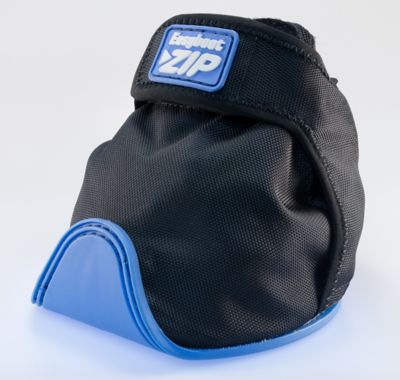
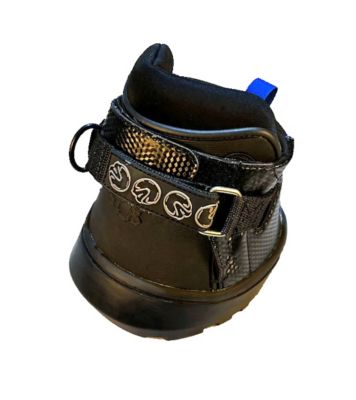
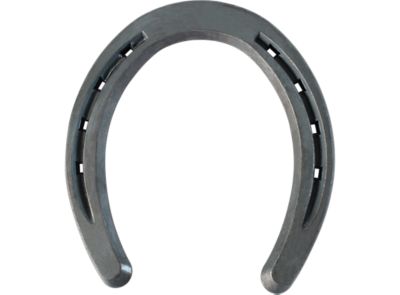
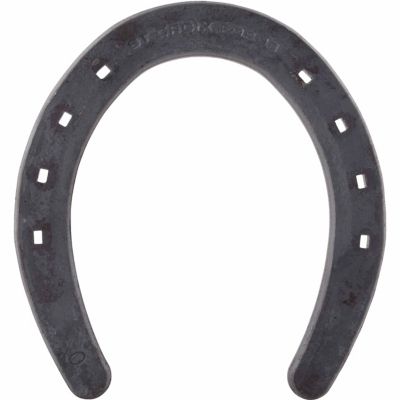
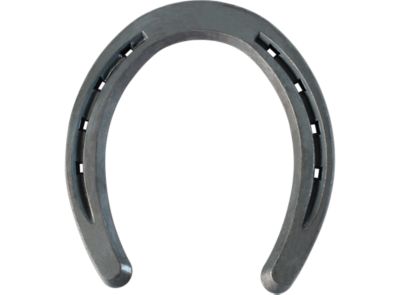
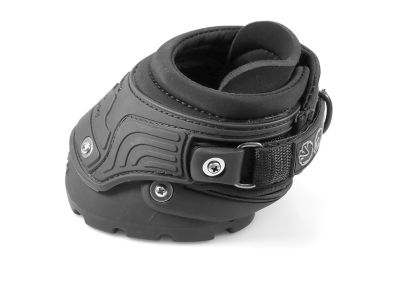
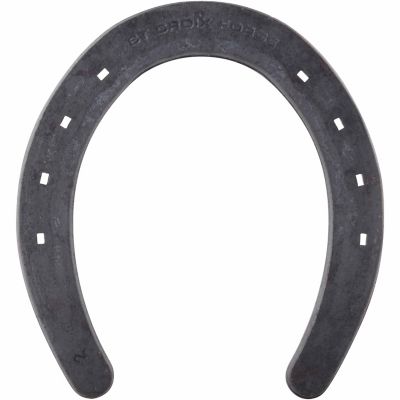
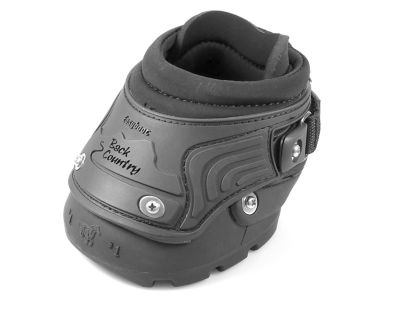
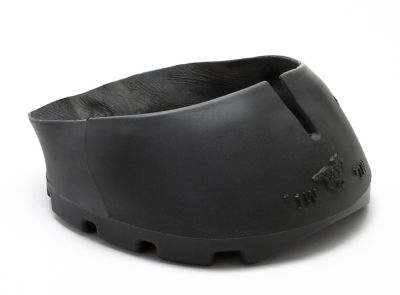
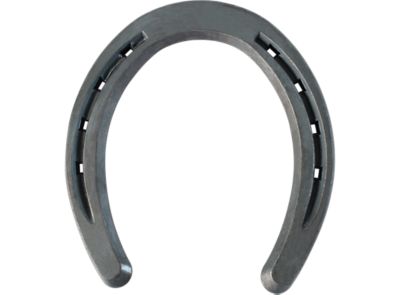
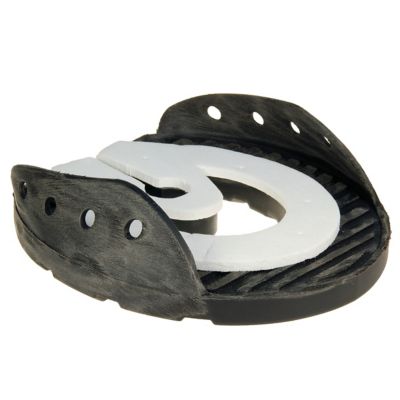
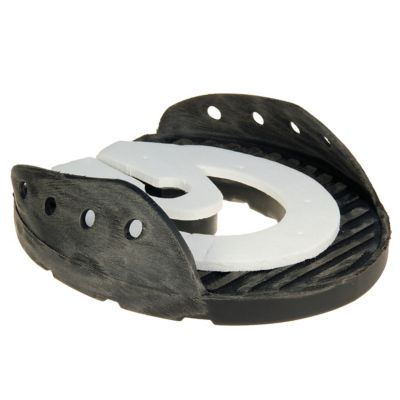
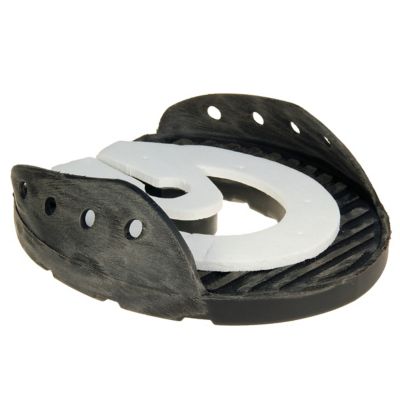
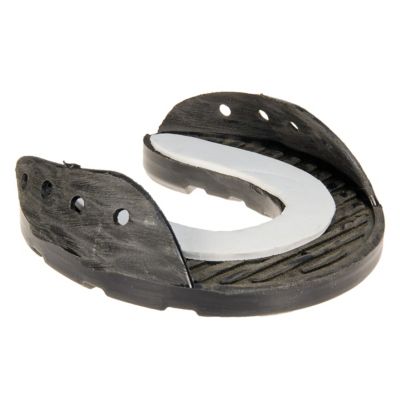
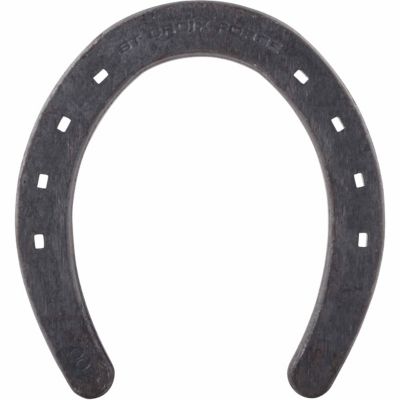
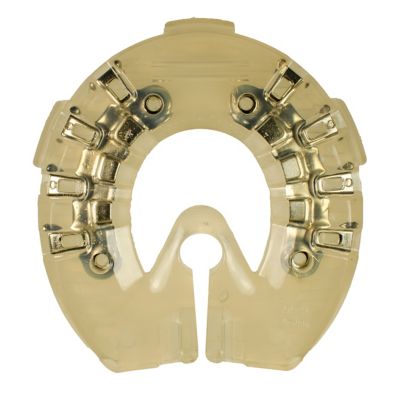
Easy care horse shoes are designed for horse owners looking for hoof protection that supports comfortable movement without relying only on a traditional rigid steel shoe. Many options use flexible composite urethane, a durable material that can help protect the hoof while allowing natural lateral and vertical expansion as the horse moves. This flexibility can be useful for horses that spend time on mixed terrain, travel over gravel or packed ground, or need added protection during regular riding. Some styles have a wide web for broader hoof coverage and integrated frog support to help distribute pressure across more of the hoof. Depending on the design, easy care horseshoes may be applied with nails or attached with an approved adhesive, making the right choice a matter of hoof shape, wall strength, workload, and the recommendations of a qualified farrier. A properly fitted shoe should sit evenly around the hoof capsule, offer secure coverage without crowding the sole or frog, and remain comfortable through normal walking, turning, and work. Since every horse’s feet are a little different, measure carefully and have a farrier evaluate the hoof before changing shoeing methods. This is especially important for horses with thin walls, uneven wear, previous hoof injuries, or a history of soreness. For many owners, flexible shoes are part of a practical hoof-care plan that balances protection with the horse’s natural way of loading and expanding the hoof.
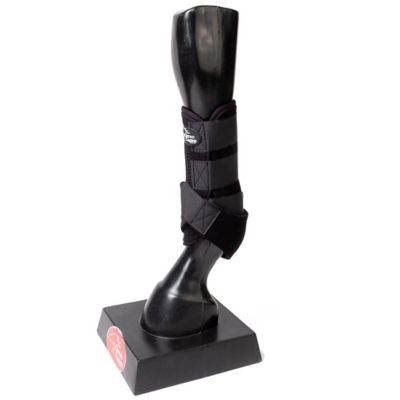
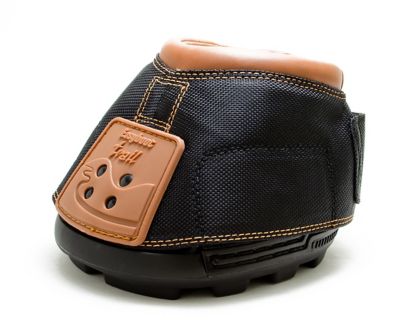
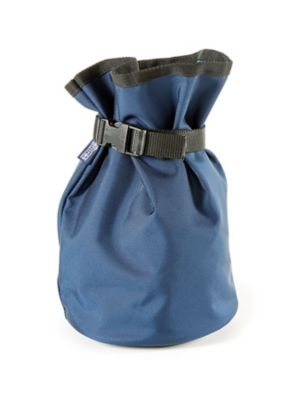
The best easy care horse shoes depend on how and where the horse is used. A trail horse traveling over rocky paths may need a durable, wide-webbed design that helps shield the hoof from sharp stones and rough footing. A horse used for arena work or light riding may benefit from a lighter shoe that supports a natural breakover and does not add unnecessary weight. For horses competing or working at speed, some therapeutic hybrid styles combine an aluminum plate with a urethane base and a rolled toe. That shape may help promote smoother breakover and reduce strain on the tendons, but it should only be selected with professional guidance for the individual horse. Glue-on shoes can be useful when the hoof wall is too weak or damaged for nails, while nail-on styles may be a familiar choice for a horse with enough healthy wall to hold them securely. Adhesive application requires clean, dry preparation and careful attention to temperature, curing time, and the manufacturer’s instructions; damp conditions, mud, and cold weather can affect how well a bond sets. Nail-on installation also calls for proper placement, tools, and farrier experience. During the cooler months, changing ground conditions can make hoof protection more noticeable. Mud can soften the hoof wall, while frozen ruts, packed snow, and hard ground can increase impact and make traction more difficult. Check the shoes often for lifted edges, loose nails, trapped debris, wear, or changes in the horse’s stride. A shoe that shifts, rubs, or collects material underneath should be addressed promptly rather than left in place until the next scheduled visit. Easy care hoof boots and therapeutic, non-riding options are also available for stall relief, founder support, lameness recovery, or temporary protection after veterinary treatment. These are not a replacement for a veterinarian’s diagnosis or a farrier’s trimming and fitting plan, but they can provide a useful layer of comfort and protection when used exactly as directed.
When comparing easy care horse shoes, start with the horse’s hoof measurements, then consider the intended use, application method, level of support, and the surfaces the horse regularly travels on. Look for clear sizing information and allow room for normal hoof movement without choosing a size so large that the shoe shifts. Think about whether the horse needs coverage for routine riding, added frog support, help with breakover, or a temporary non-riding option for rest and recovery. It is also worth considering how often the shoes will be checked, whether you have access to a farrier familiar with composite materials, and whether replacement pieces or compatible adhesives are easy to obtain. A horse owner building a sensible grooming and tack setup may appreciate these items as a practical gift, particularly when the recipient already works with a farrier who can confirm the correct style and size. They pair naturally with other riding essentials, from hoof picks and brushes to saddle gear and
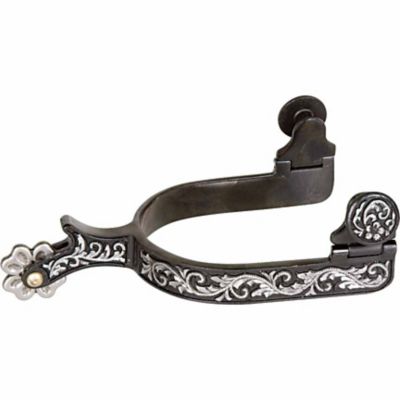
Horse Spurs, though hoof protection should always be chosen for the horse rather than as a one-size-fits-all present. Keep the horse’s feet clean and dry before application, follow care instructions, and watch for heat, swelling, a shortened stride, tenderness, or any sign that the fit is not right. With thoughtful selection and regular professional care, flexible hoof shoes can help horses stay comfortable across changing footing, everyday chores, trail rides, and periods when extra support is needed.