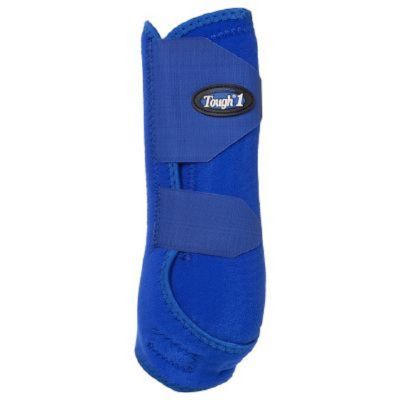
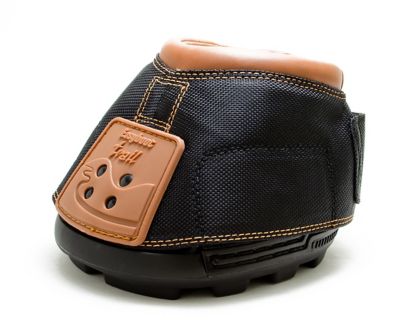
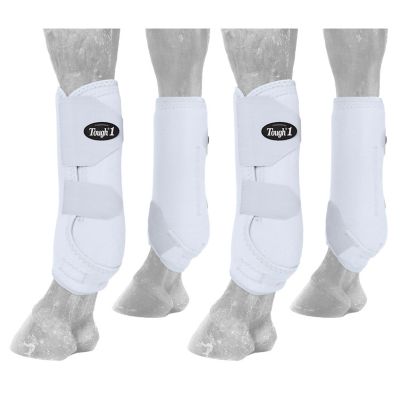
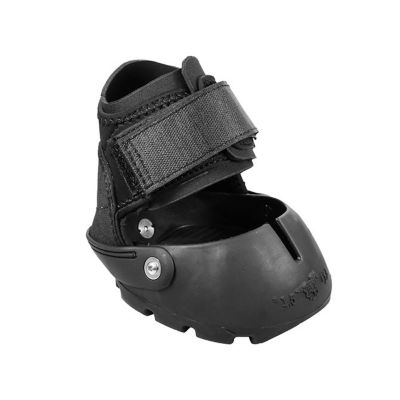
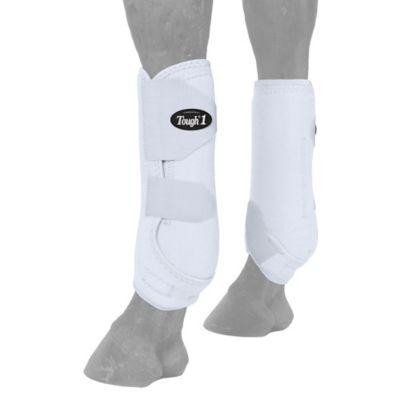
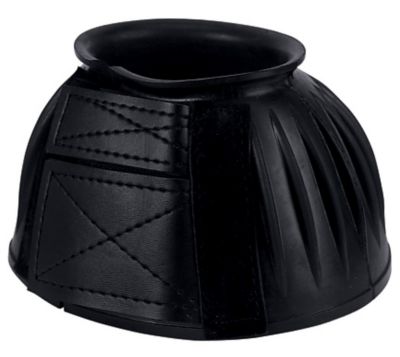
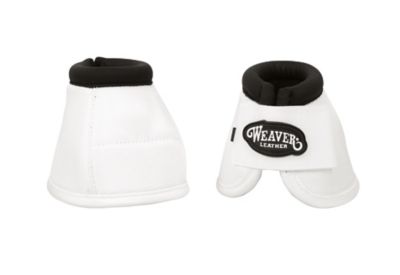
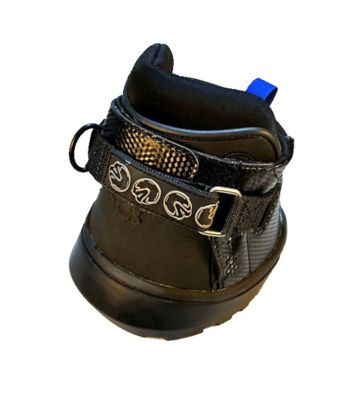
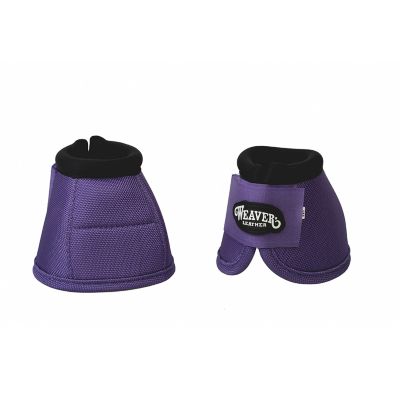
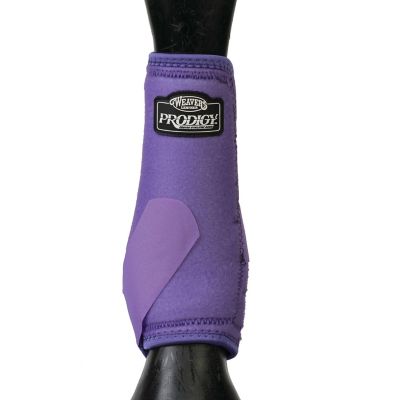
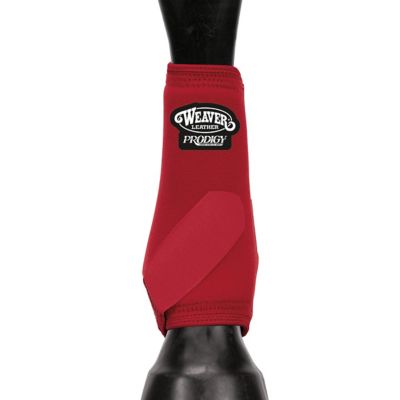
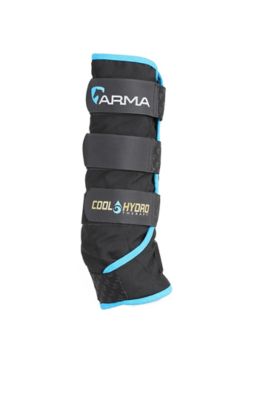
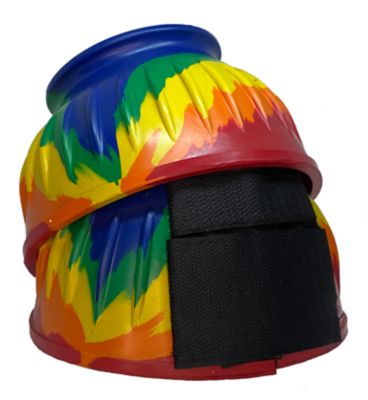
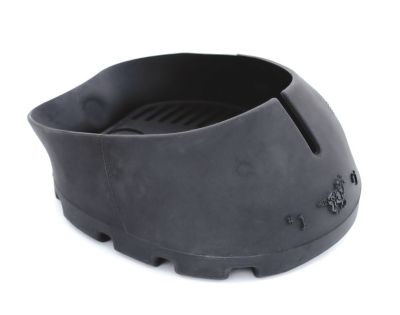
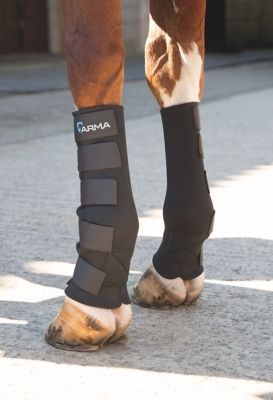
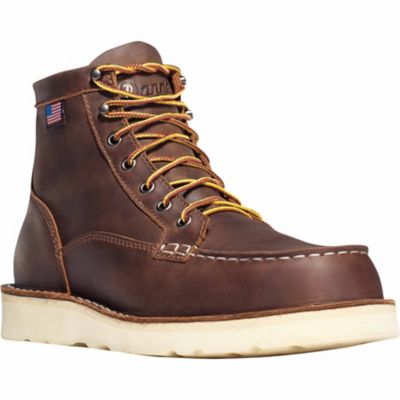
Horse boots for cross country are made for the hard miles, solid fences, quick turns, and changing footing that come with eventing and cross-country riding. Unlike everyday brushing boots, cross-country boots typically include a firm strike guard over the cannon bone and fetlock to help shield the leg from a hoof or obstacle during a gallop. They may be used on the front legs, hind legs, or all four, depending on the horse, the course, and the rider’s usual setup. A well-fitted pair can help protect against knocks and scrapes while still allowing the horse to move freely over banks, ditches, water complexes, and uneven ground. These boots are useful for experienced eventers, young horses learning the ropes, riders schooling at home, and anyone who wants added leg protection during faster work. They can also make a thoughtful gift for an eventing rider, especially when paired with other practical riding supplies. A friend who spends early mornings schooling in a grassy field or hauling to competitions during the cooler months will appreciate gear chosen with safety and comfort in mind. For riders who work around the barn as well as ride, dependable
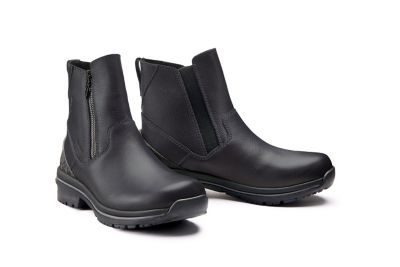
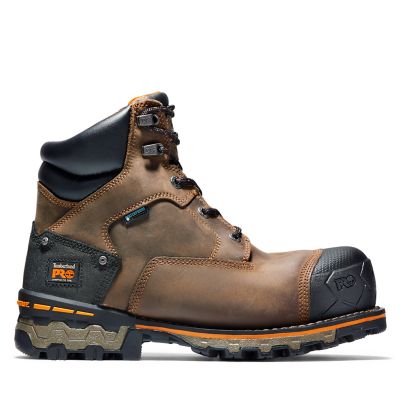
Hard Toe Boots can help protect their own feet while handling chores, tack, trailers, and fences.
When choosing horse boots for cross country, start with the horse’s measurements and the manufacturer’s fit instructions rather than guessing by breed or overall size. The boot should sit in the proper position without pinching, rubbing, or leaving a wide opening where dirt and water can collect. Straps should be snug enough to keep the boot from sliding or twisting at speed, but not so tight that they restrict movement or leave deep marks after a ride. Heavy-duty hook-and-loop closures and central-locking systems are common because they can be adjusted securely and checked quickly at the trailer or warm-up area. Look for a lightweight design that will not feel cumbersome as the horse covers ground, along with a rigid plastic, polycarbonate, carbon-fiber, or similar strike plate positioned over the areas most likely to take an impact. The shell should have enough flexibility to follow the leg without folding into the tendon area. Ventilation matters, too. Perforated foam, mesh panels, and other breathable materials help air move around the leg during strenuous work, which can be especially helpful when the sun is warm but the footing is still damp. Water-resistant materials are another practical feature for cross-country use. A boot that sheds water and does not soak up mud is less likely to become heavy while the horse travels through a water obstacle or wet grass. Even a well-designed boot needs to be checked for fit before an event. Put it on a clean, dry leg, walk the horse, and watch for slipping, twisting, or unusual steps. It is wise to school in new boots at home before taking them onto a competition course, giving both horse and rider time to settle into the feel.
Care and routine checks help cross-country boots last through plenty of schooling days and trailering trips. Brush away dried mud after each use, rinse off grit when needed, and allow the boots to dry completely before storing them. Follow the care directions for the materials, since some liners and closures can be damaged by harsh cleaners, high heat, or rough scrubbing. Before each ride, inspect the strike guard for cracks, check that the stitching is sound, and make sure hook-and-loop closures are free of hair, burrs, and packed dirt. A boot can look fine at a glance yet loosen after several minutes of galloping if the closure is worn or dirty. Check the horse’s legs after use for heat, swelling, rub marks, or small areas of tenderness, and stop using any boot that causes irritation. Horses change shape with conditioning, age, weight, and coat, so a fit that worked during one season may need to be reassessed later. Riders may choose a full set for complete coverage, front boots when the horse is most likely to interfere in front, or hind boots when extra protection is needed behind; the right choice depends on the horse’s movement, conformation, training, and advice from a trainer or equine professional. With a secure fit, impact protection, breathable construction, and easy-to-clean materials, horse boots for cross country can be a dependable part of a practical riding kit for schooling, conditioning, and event days.