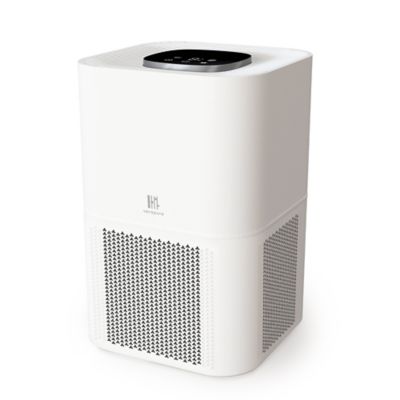
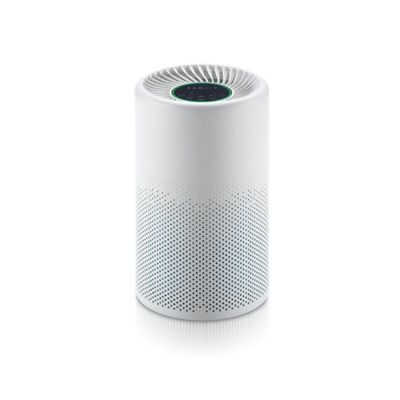
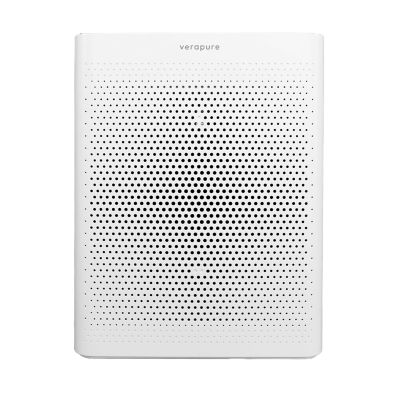
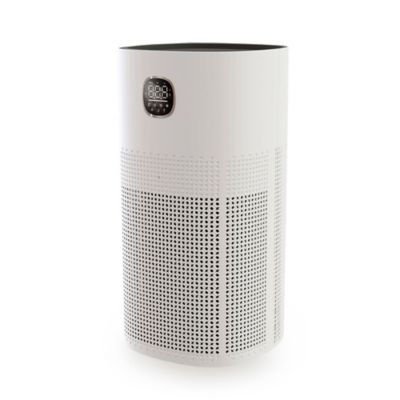
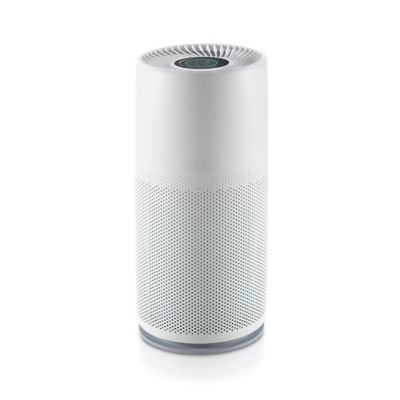
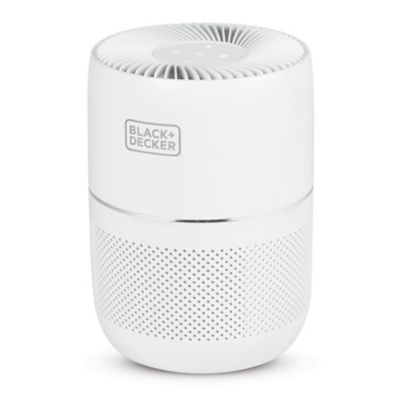
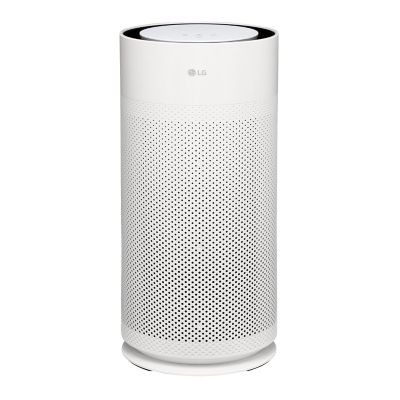
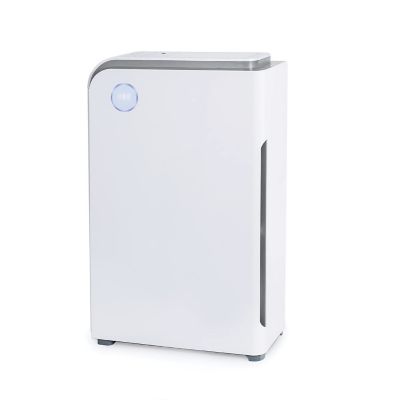
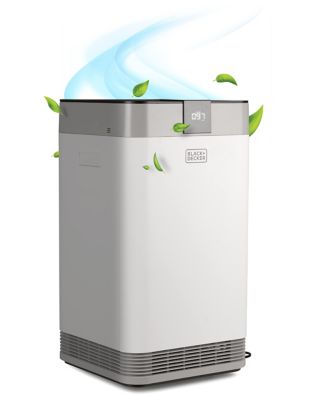
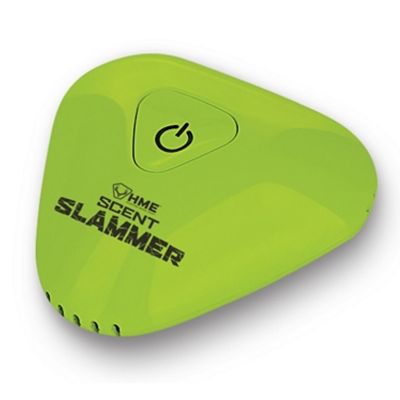
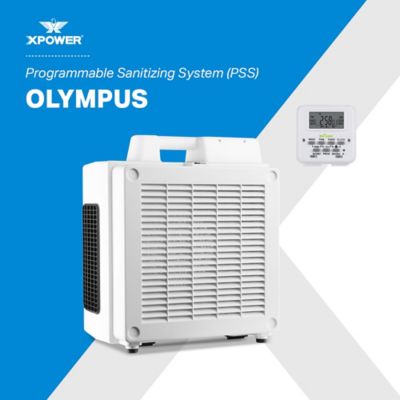
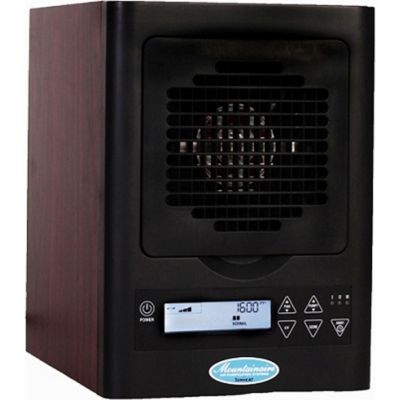
A small room air purifier brings particle filtration to the places where folks spend hours at a stretch, from a bedroom beside the laundry room to a home office tucked off the kitchen. These compact appliances pull room air through filters and send filtered air back out, helping reduce airborne particles such as dust, pollen and pet dander. Their smaller footprint makes them a practical fit for spaces where floor and tabletop room matters, but cabinet size alone does not tell the whole story. Effective filtration, room coverage and sound level all matter more than whether a unit fits neatly beside a lamp. A bedroom air purifier might run through the night, while an office unit may sit close enough that fan noise affects phone calls. For a nursery, quiet operation, steady placement and cords kept out of reach are useful considerations. HEPA filtration is designed to capture fine airborne particles, while an activated carbon filter can help reduce certain odors and gases. Those filters do different jobs, and a thin carbon sheet does not provide the same odor control as a filter containing more carbon. Pet hair caught at an intake is easy to see; much smaller particles moving through the air are not. A prefilter can catch larger debris before it reaches the main filter, which is handy in a room where a dog naps beneath the desk or a cat claims the reading chair. Air purification does not keep every speck from settling on the dresser, and it does not replace cleaning bedding, vacuuming rugs or addressing an odor at its source. It adds another layer of particle control to everyday housekeeping. For households looking to limit unwanted byproducts, mechanical filtration offers an option without intentionally generating ozone. Features such as ionization deserve a close look at the operating information, especially when that feature runs separately from the fan and filter.
The right fit for a small room depends on how much filtered air a purifier moves, not just the square footage printed on the carton. Clean air delivery rate, often shortened to CADR, describes the volume of filtered air delivered for particular test particles; higher numbers generally mean faster particle removal under comparable conditions. Room coverage claims also depend on how often the air passes through the purifier. A rating based on one air change per hour is not equivalent to a rating based on several, so those details matter when comparing units for the same bedroom. Ceiling height, open doorways and adjoining spaces affect the amount of air involved, too. A compact purifier beside a bed is working in a different setting from one sitting in an open doorway between several rooms. Enough airflow at a sound level the household can live with is a better everyday match than a high maximum rating paired with a fan that rarely runs above its lowest speed. Sleep modes, dimmable displays and lights that switch off can make a noticeable difference across from a pillow. A low setting may be quiet, but it also moves less air; published sound measurements are most helpful when the fan setting is clear. Automatic modes can adjust airflow in response to a particle sensor, though that sensor does not identify every pollutant or measure every odor. Timers and control locks add convenience without changing the filter’s basic job. Physical fit matters just as much in tight quarters. Air intakes and outlets need the clearance specified by the manufacturer rather than being crowded against curtains, a wall or a stack of books. A stable base, accessible filter panel and smooth housing that wipes clean suit everyday household life. Handles make moving a unit easier, but a purifier generally does its most consistent work when it stays in the room it is meant to serve.
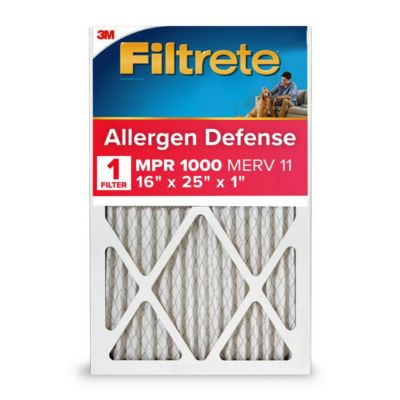
Filter care is part of living with any small room air purifier, particularly in a household with shedding pets, carpet or dust carried in on work clothes. A washable prefilter can simplify routine cleanup when the manufacturer allows rinsing, while other prefilters need vacuuming or replacement instead. HEPA and carbon filters should not be washed unless their care instructions specifically allow it. Moisture can harm filter materials, and a filter that looks tidy on the outside may still be loaded with particles. Replacement reminders are helpful, but their timing may reflect hours of operation rather than a direct measurement of filter condition. The operating instructions remain the best reference for inspection, cleaning and replacement intervals. Straightforward access to the filter compartment makes that upkeep less of a chore, and checking replacement filter compatibility before choosing a unit helps avoid trouble down the road. For the housing, an unplugged unit and a soft cloth are generally a better starting point than spraying cleaner toward vents or controls, with the manufacturer’s directions taking priority. An air purifier belongs on a stable surface away from splashes, and it should never stand in for exhaust ventilation, a smoke alarm or a carbon monoxide alarm. Particle filters do not remove carbon monoxide, and ordinary room purifiers are not a solution for hazardous fumes or a moisture problem behind a wall. Their role is more focused: circulating and filtering air within the space they are sized to handle. That makes a small unit a thoughtful housewarming gift for someone settling into an apartment or setting up a home office, especially when its controls and filter care are simple to manage. A larger connected living area with several pets calls for a different airflow conversation;
Large-Room Air Purifiers For Pet Households covers that broader room category. For a separate bedroom, study or reading nook, a compact purifier with suitable coverage, manageable fan noise and accessible filters keeps the focus on the room where it will do its work.