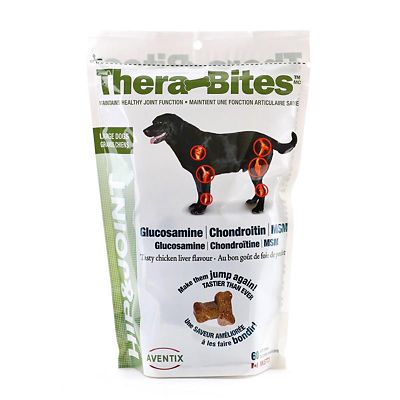
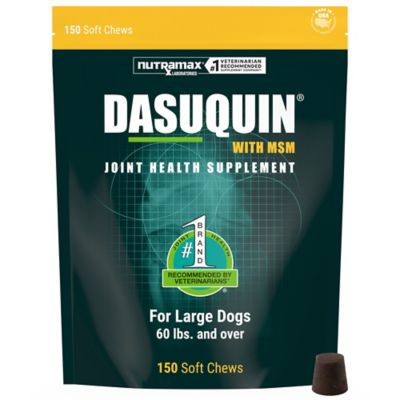
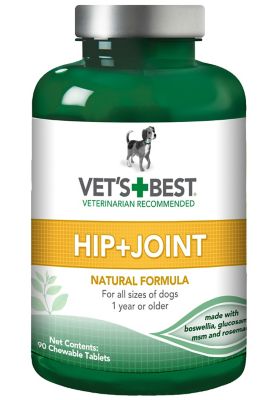
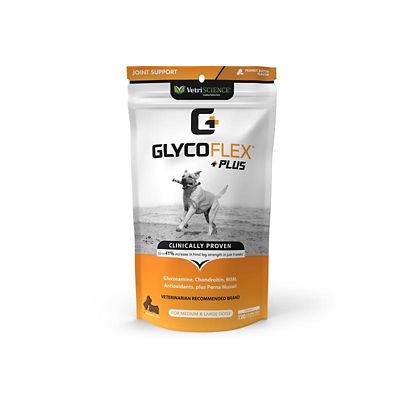
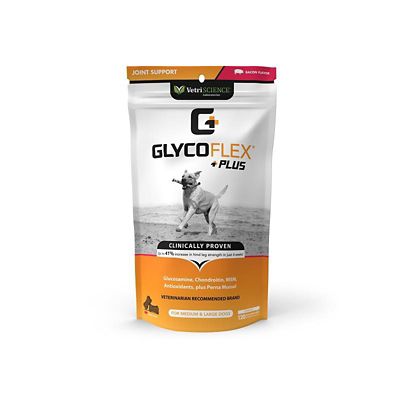
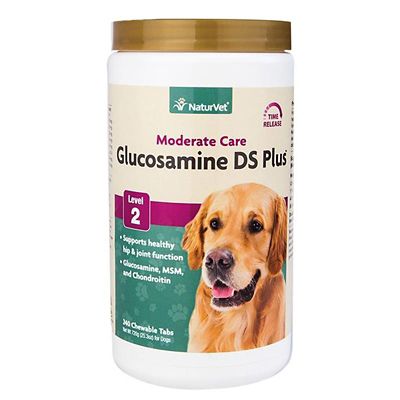
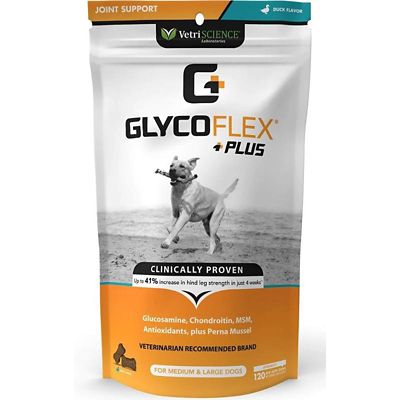
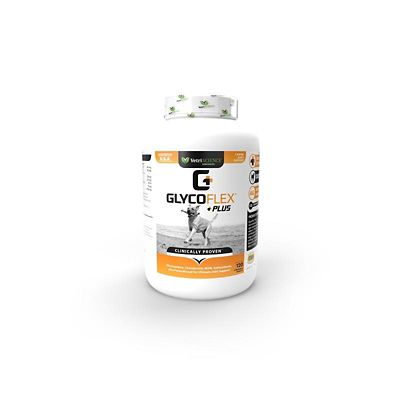
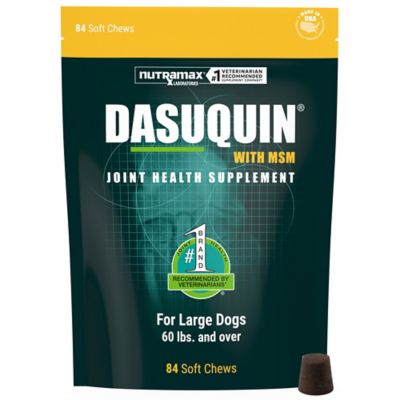
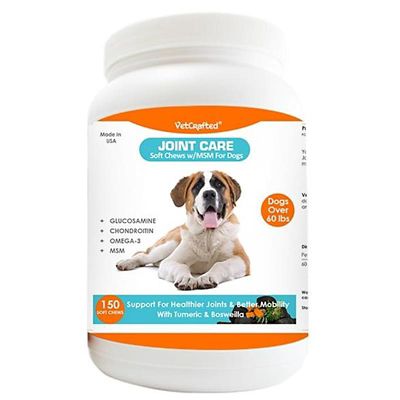
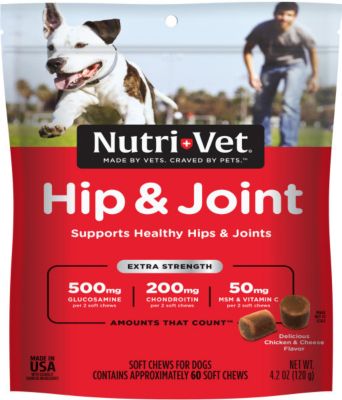
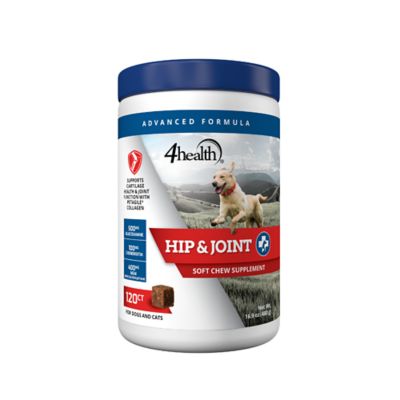
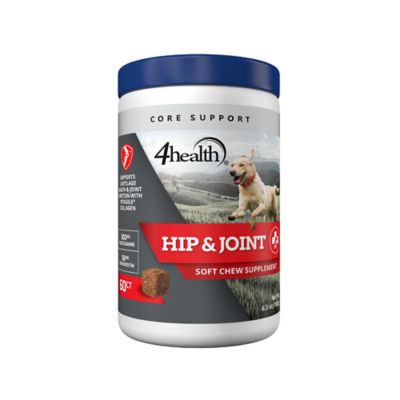
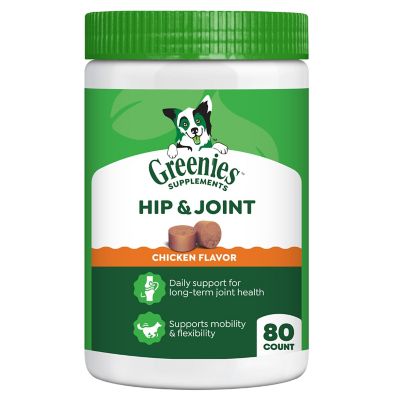
Large breed dog joint supplements are chews, tablets, powders, or liquids formulated to support joint health and everyday mobility in bigger dogs. Their intended role is to complement a balanced diet, appropriate exercise, and veterinary care—not to correct hip dysplasia or rebuild damaged joints. A large dog carries more weight through each stride, and some large breeds have an inherited risk of joint conditions such as hip dysplasia and osteoarthritis. That makes joint care worth discussing well before getting up from the floor becomes a struggle. From a farm companion following along at chore time to a family dog stretching out beside the couch, comfortable movement matters throughout the day. Age, body condition, previous injuries, and activity level can all influence a dog’s needs, so size alone does not tell the whole story. A young adult with an easy stride may have different needs from an older dog that hesitates at the truck step or takes longer to settle into a walk. Joint support formulas may fit into either dog’s care plan, but a veterinarian can help determine whether supplementation makes sense and what other care belongs alongside it. Limping, trouble rising, reluctance to climb steps, or a noticeable change in gait deserves a veterinary exam rather than an assumption that a dog simply needs another chew. Sudden lameness, swelling, or difficulty bearing weight needs prompt attention. Even subtle changes can matter: a dog that stops joining the family at the gate or shifts position repeatedly while resting may be uncomfortable. Keeping a large dog at a healthy weight and providing steady, suitable exercise remain important parts of joint care. Supplements are an addition to those basics, not a substitute for them, and no formula can promise the same result for every dog. The best fit depends on the dog’s health history, regular food, medications, and the reason joint support is being considered.
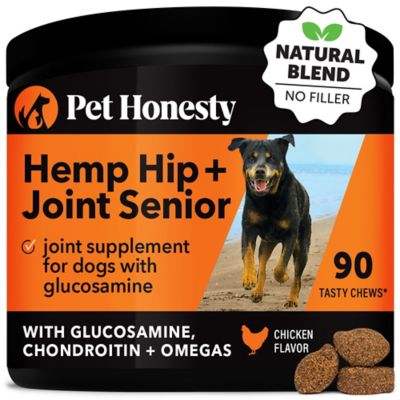
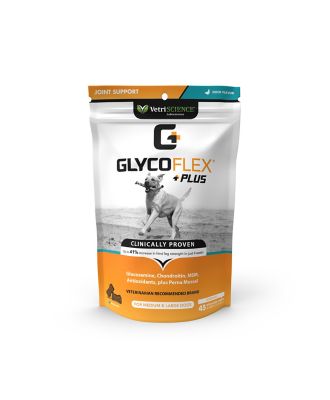
Ingredient lists help explain the differences among large breed dog joint supplements, but the amount provided in a full daily serving matters as much as the names on the package. Glucosamine and chondroitin commonly appear in formulas intended for cartilage support, though research on their benefits in dogs is mixed. Omega-3 fatty acids, particularly EPA and DHA from marine oils, have evidence supporting their role in managing joint discomfort associated with osteoarthritis as part of a veterinary care plan. MSM, collagen, hyaluronic acid, and green-lipped mussel also appear in joint support formulas, with differing amounts of research behind each ingredient and combination. A longer ingredient list does not automatically mean a formula will do more for a particular dog. Clear labeling makes it easier to compare active ingredients, serving amounts, calorie content, and weight ranges without relying on package size or the number of chews alone. For a big dog, the labeled daily serving may include several chews rather than one, which also affects how many days a container covers. Flavorings and ingredient sources deserve attention, too, especially for dogs with food sensitivities or a prescribed diet. Fish, shellfish, poultry, and other animal-derived ingredients may appear in either the active formula or its flavoring base. A veterinarian should review supplements for dogs taking medication, preparing for surgery, or managing ongoing health conditions, since ingredients can overlap with other supplements or affect a broader treatment plan. Growing large breed puppies need particular care: a joint supplement is not a reason to add extra calcium or other minerals to a complete growth diet. Products labeled for adult dogs may not be appropriate for puppies, and an adult dog’s serving should never be treated as a starting point for a youngster. Matching the formula to the dog’s life stage and actual body weight keeps the focus on a suitable daily routine rather than simply choosing the package with the biggest dog pictured on it.
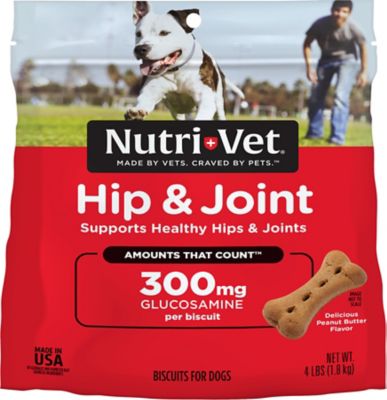
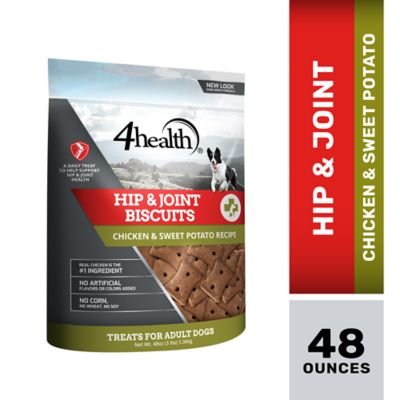
Format makes a real difference when a supplement becomes part of everyday feeding. Soft chews can feel like a reward after a walk, while powders and liquids can fit into a meal for dogs that readily eat their regular food. Tablets may suit dogs that take them willingly, but size and swallowing comfort still matter, even with a broad muzzle and a big appetite. A large dog does not necessarily need a large, hard chew; texture, dental health, and chewing habits are better considerations than body size alone. For dogs that enjoy a treat-style routine,
Joint Health Dog Treats offer another format to consider alongside the dog’s daily food and calorie needs. Treat calories count toward the day’s total, and keeping extra weight off a large frame is an important part of protecting comfortable movement. With powders or liquids, the labeled measuring tool and serving directions help keep portions consistent, while mixing directions can clarify whether the serving belongs in one meal or across meals. Supplements generally need consistent administration, and any benefit may take several weeks to assess rather than appearing after a single serving. Following the label and the veterinarian’s plan is more useful than increasing the amount when progress seems slow. Changes in appetite, digestion, or behavior should be shared with the veterinarian, along with any changes in movement. Storage matters as well: a tightly closed container, protection from moisture, and attention to refrigeration instructions or expiration dates help keep the contents in the condition the label calls for. Containers belong out of reach, since a dog may regard a whole bag of flavored chews as one big snack. An easy-to-follow routine helps everyone in the household know whether the daily serving has already been given. Alongside supportive bedding, good footing on slick floors, and exercise matched to the dog’s abilities, a thoughtfully chosen joint supplement can be one part of helping a big companion stay involved in everyday life.