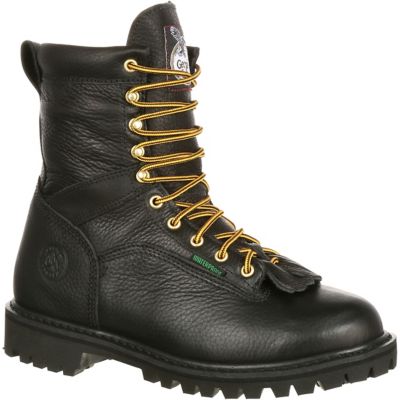
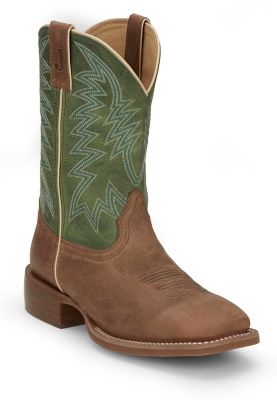
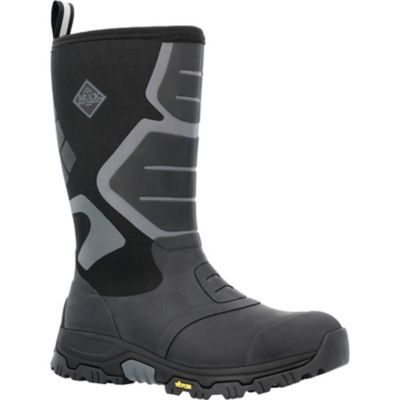
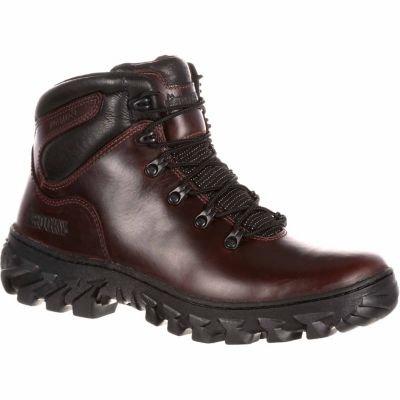
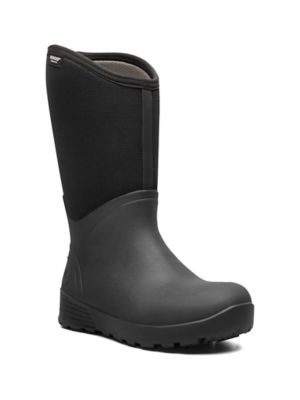
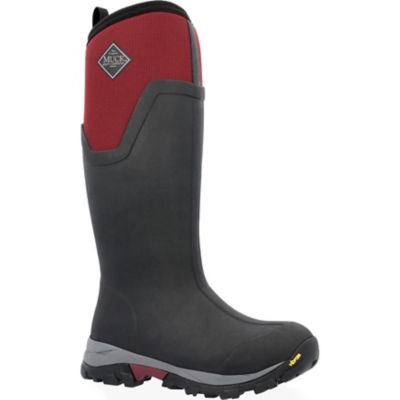
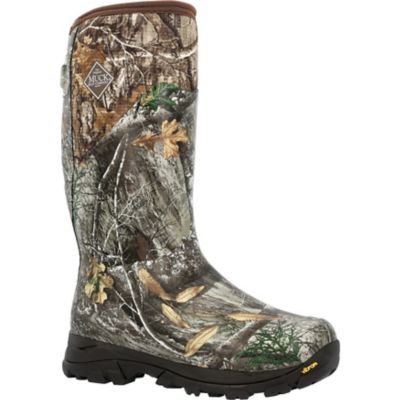
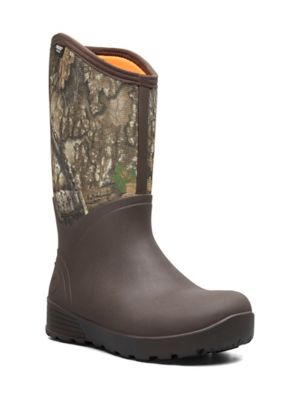
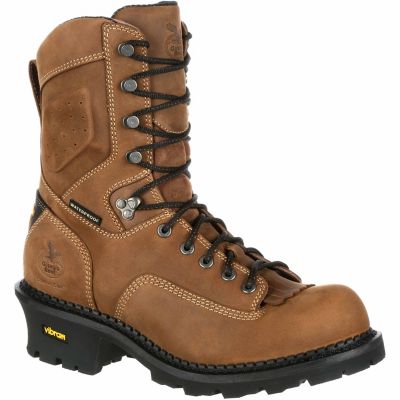
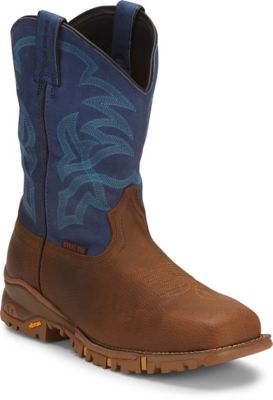
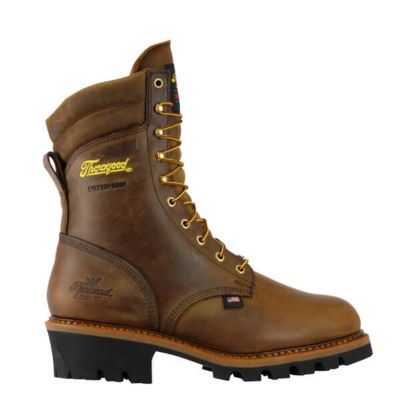
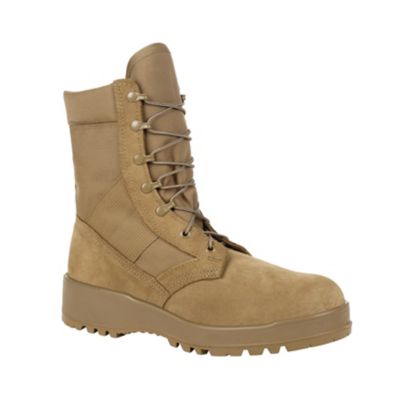
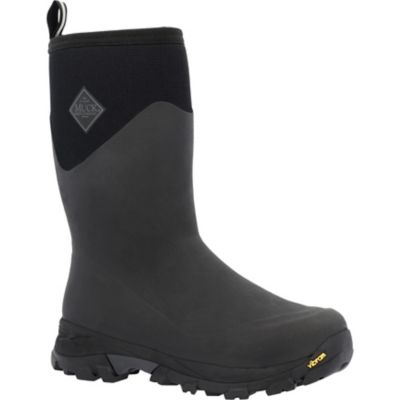
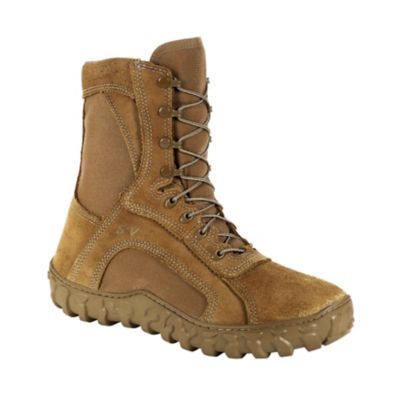
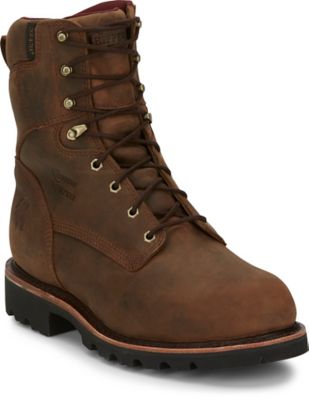
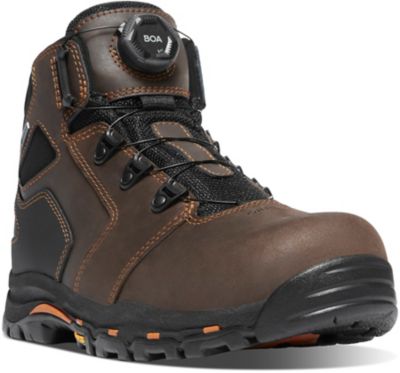
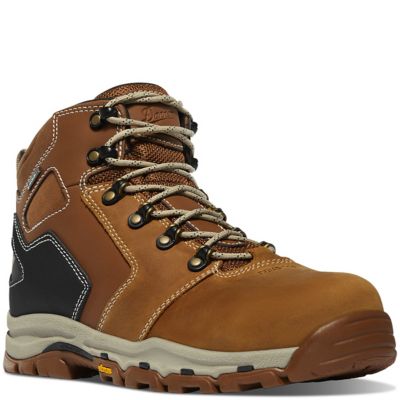
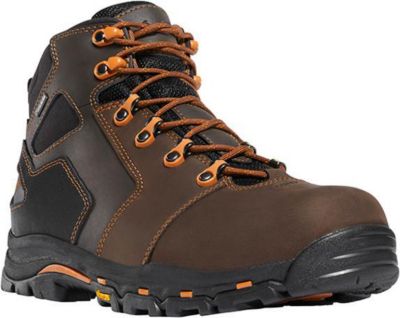
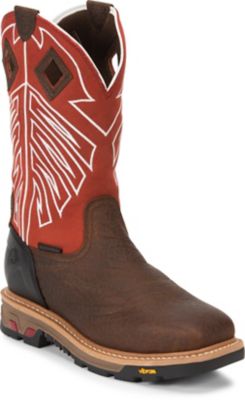
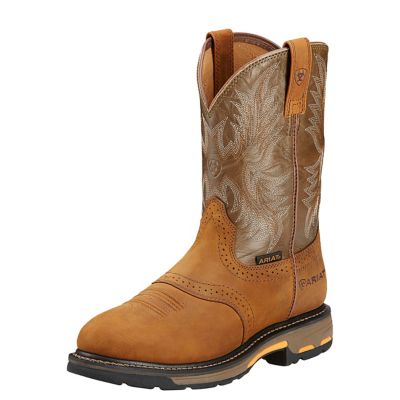
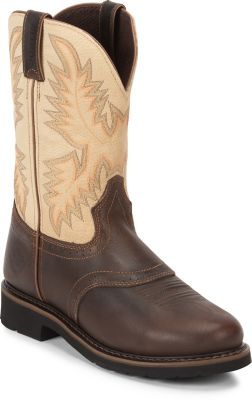
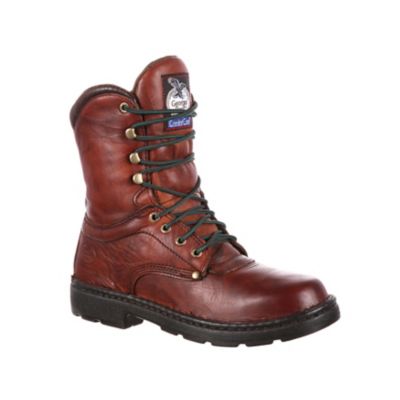
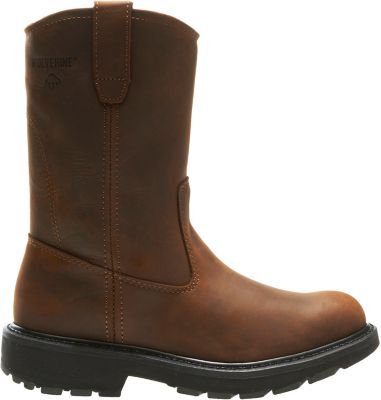
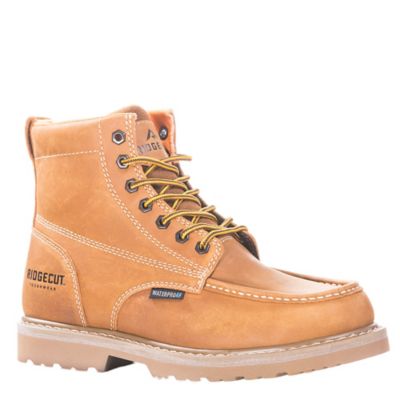
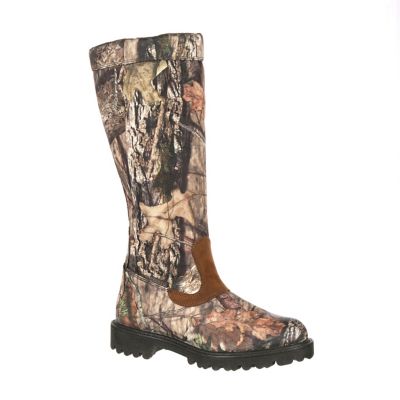
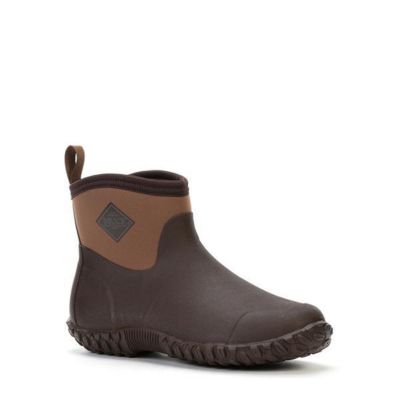
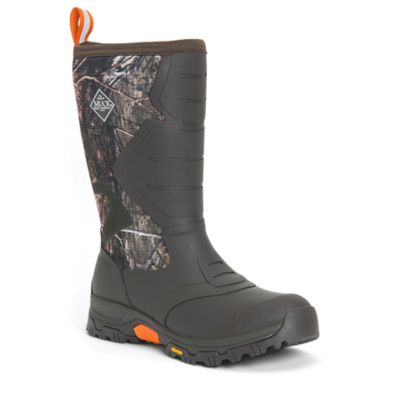
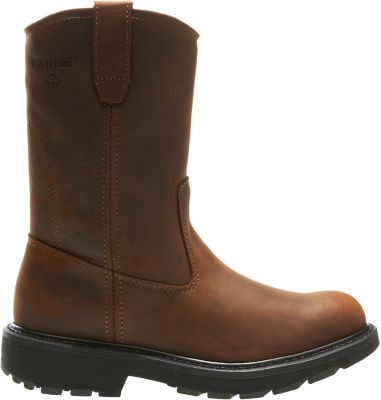
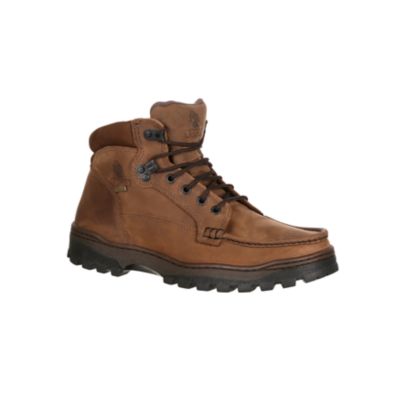
Vibram outsole boots are work, hiking, and everyday boots fitted with outsoles made by Vibram. The outsole is the bottom layer that meets the ground, and its rubber compound, tread pattern, and shape all influence how a boot handles underfoot. That matters when a day takes you from a gravel driveway to a feed room floor, across a pasture, or along a rocky trail. Vibram makes different outsole designs for different jobs, so the name alone does not mean every pair will grip, flex, or wear the same way. Deep, widely spaced lugs can bite into loose ground and leave room for dirt to work free, while shallower tread can offer a less aggressive feel for everyday walking. A broad contact area may suit stretches on firm surfaces, while a more pronounced tread pattern can make sense for uneven paths and chores away from pavement. Rubber compounds also balance characteristics such as flexibility, grip, and abrasion resistance. A softer-feeling sole is not automatically the best match for every task, and a heavy tread pattern does not guarantee traction on every surface. Oil, loose material, and smooth flooring can change how a boot performs, so task-specific slip-resistance information matters more than appearance alone. For folks splitting time between chores and recreation,
Outdoor Men's Boots offers a broader category to consider alongside outsole construction. The rest of the boot deserves just as much attention: a grippy outsole cannot make up for a loose heel, cramped toes, or support that does not suit the job. Boot height, overall weight, and how easily the sole bends can make a noticeable difference over several miles or a long stretch on your feet. A defined heel, a flatter sole, or a curved walking profile can each change the feel of a stride. The best match comes from the whole boot working together, rather than one feature carrying the load. Ranch hands, tradespeople, hikers, and landowners may all appreciate these boots, but their needs can look quite different once the work starts.
Upper materials and interior construction help narrow those differences. Leather uppers offer structure and resistance to everyday scuffs, with full-grain leather often appealing to people who spend time around brush, equipment, and rough ground. Suede and nubuck have a different surface finish and call for care products suited to that finish. Textile panels can reduce weight and encourage airflow, while reinforced sections can add protection where a boot rubs against rocks or equipment. Waterproof construction may matter around shallow creek crossings, wash areas, or other places where outside moisture is part of the job, but an outsole by itself does not make a boot waterproof. That protection depends on the upper, seams, and any internal membrane, and water can still enter over the collar. Linings, socks, and removable footbeds also affect how dry and comfortable feet feel through the day. Cushioning generally comes from the midsole and footbed rather than the tread alone; a firm outsole can sit beneath a cushioned platform, and a thick-looking sole is not necessarily soft underfoot. A shank or other support component may help limit twisting, though the amount of stiffness varies by construction. Fit should leave room for toes to spread without letting the heel slide excessively. Trying boots with the socks intended for the job gives a better sense of volume, especially when adding an orthotic or replacement insole. Feet can swell over a long day, so a pair that feels snug early on may become tight after hours of walking. Lace-up styles allow adjustment across the instep and around the ankle, while pull-on styles depend more heavily on the relationship between foot shape, heel fit, and shaft opening. Some leather will soften with wear, but break-in should not be expected to fix pinched toes or the wrong length. For jobsite needs, safety-toe protection, electrical-hazard ratings, and other requirements belong in the decision too. Those features must be confirmed in the boot specifications; a Vibram outsole does not establish them.
Care plays a big part in how long Vibram-soled boots stay ready for another day. Packed dirt can hide the tread and bring grit indoors, so brushing out the lugs after chores helps keep the sole clear. Small stones lodged in the tread deserve attention, especially before walking across finished floors. A soft brush and a damp cloth handle many routine cleanups, while tougher messes call for a cleaner compatible with both the upper and sole materials. Harsh solvents, prolonged soaking, and drying beside a heater can damage leather, adhesives, or other boot components. Loosening the laces and removing removable footbeds helps the interior air out between outings. Leather conditioner can help prevent leather from drying out, but the formula needs to suit the finish; products meant for smooth leather may darken or flatten the texture of suede and nubuck. Waterproof treatments also need to match the boot's materials and manufacturer directions. Regular checks make wear easier to spot before it interrupts a workday. Flattened lugs, uneven heel wear, cracks, loose stitching, or separation between the outsole and upper can signal that a pair needs attention. Tread depth is only part of the picture, since worn cushioning or a collapsing heel counter can affect comfort even when rubber remains. Some welted or stitchdown boots can receive replacement soles from a repair shop, depending on their construction and condition. Other designs are less suited to resoling, so that possibility is worth checking rather than assuming. Rotating between pairs, when practical, gives each pair more time to air out and makes cleaning easier to keep up with. For someone buying boots as a gift, knowing the recipient's usual size is only a starting point; foot width, preferred socks, work requirements, and lace-up or pull-on preferences all matter. A person walking fence lines needs a different balance of flexibility and support than someone standing on a shop floor. Boots that match those everyday details are more likely to earn a regular place by the door.