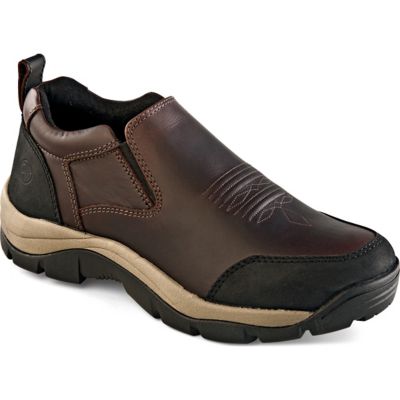
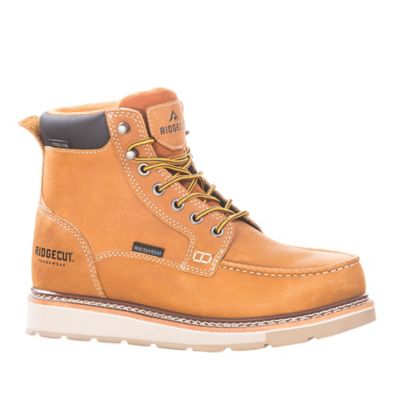
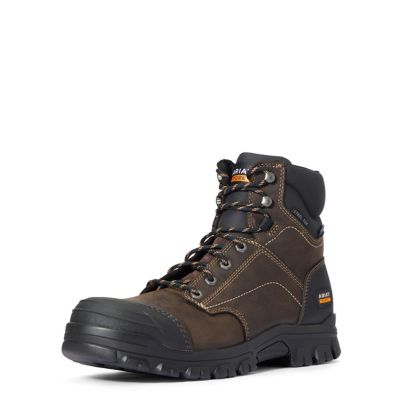
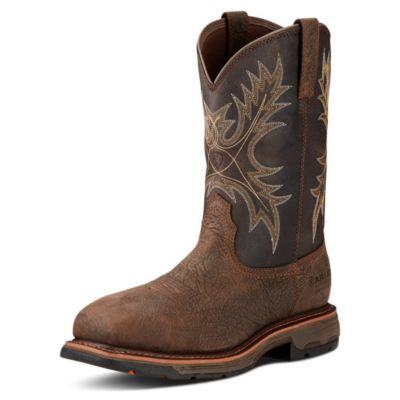
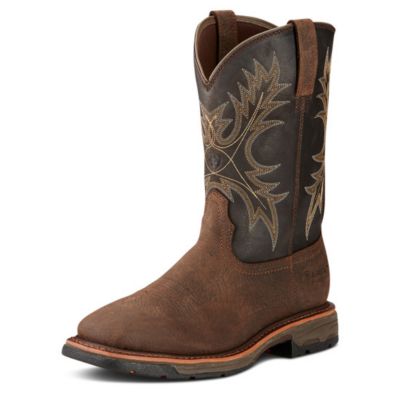
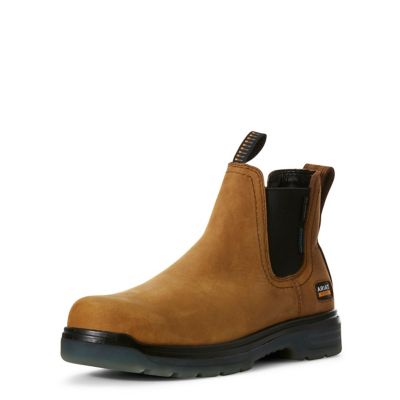
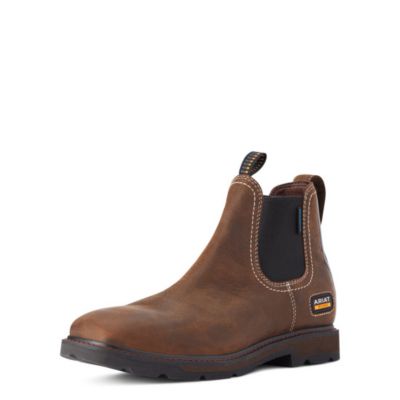
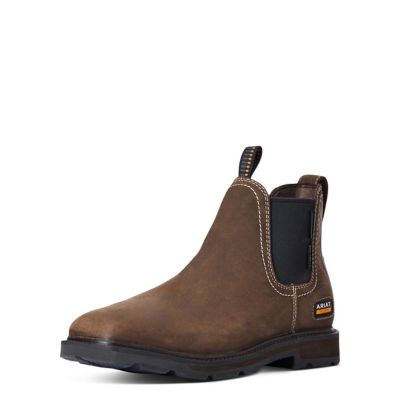
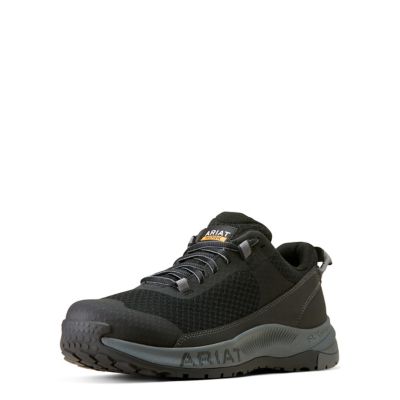
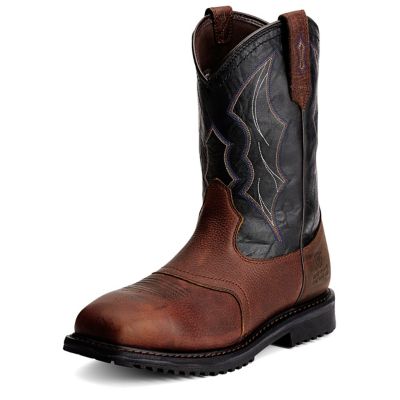
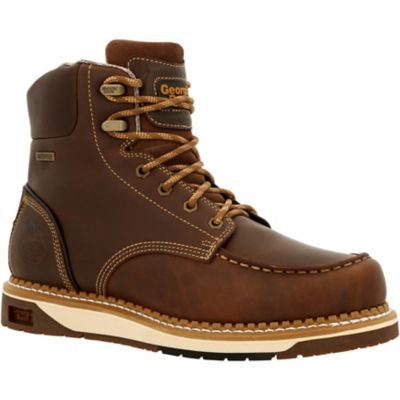
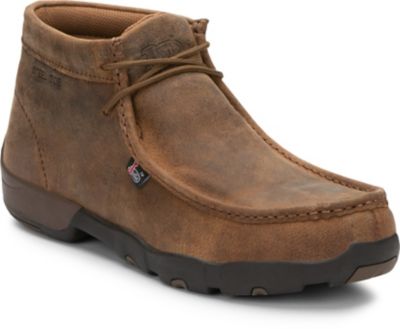
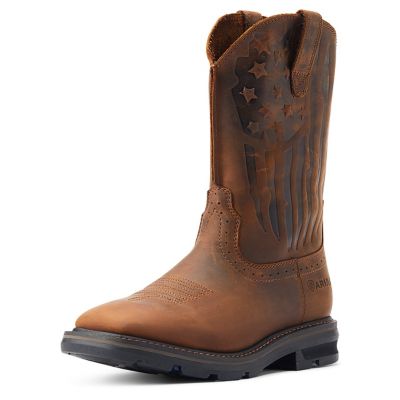
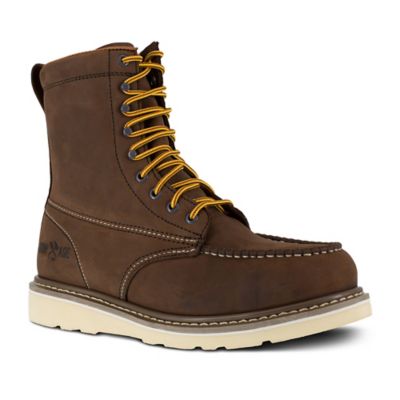
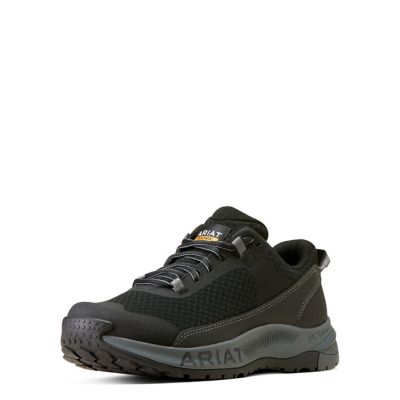
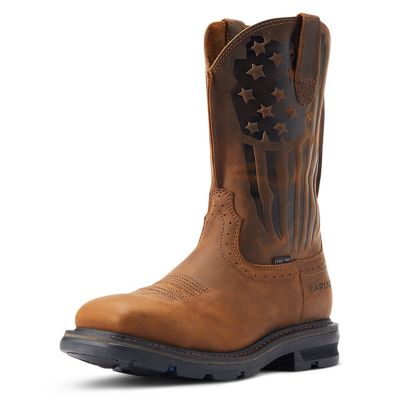
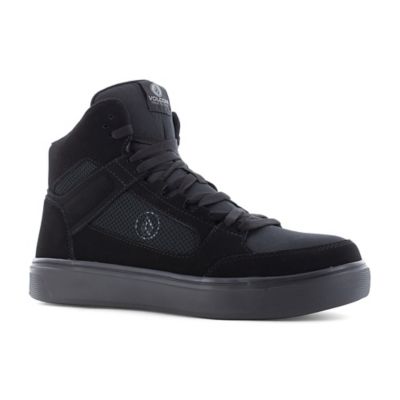
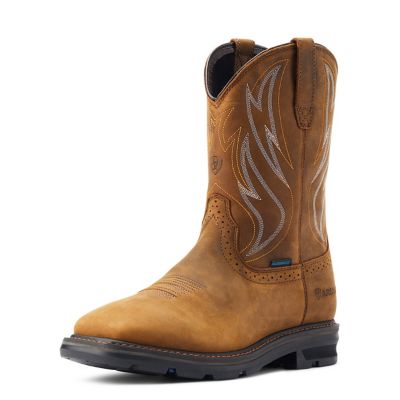
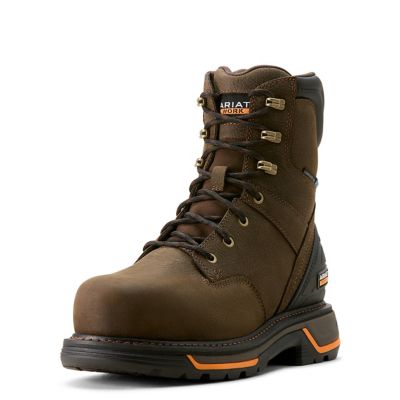
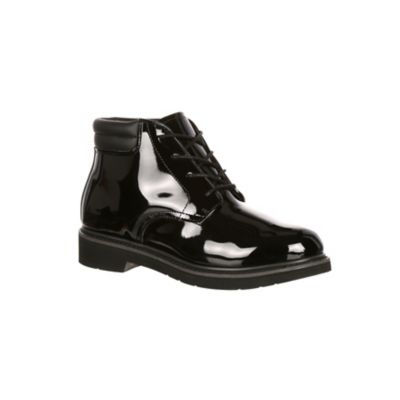
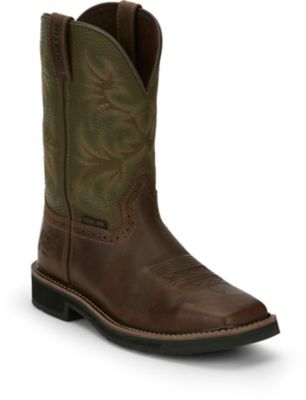
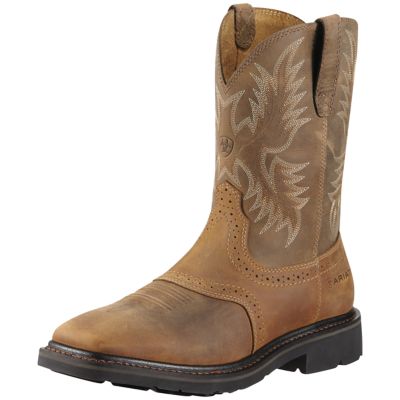
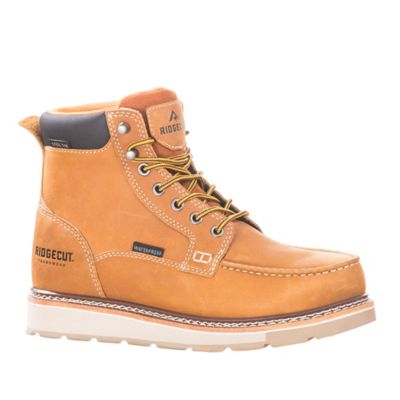
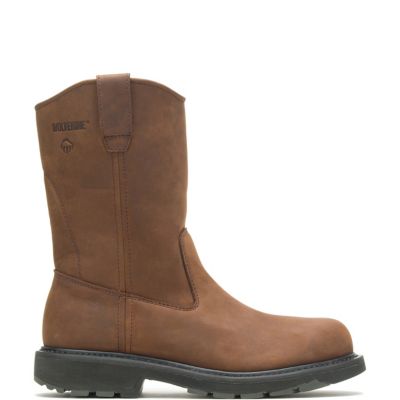
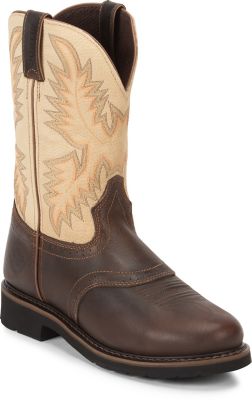
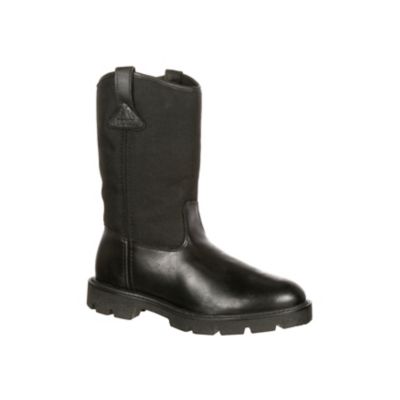
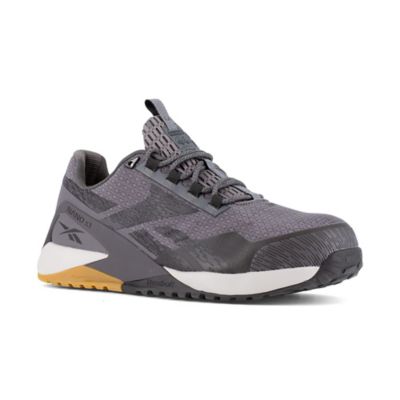
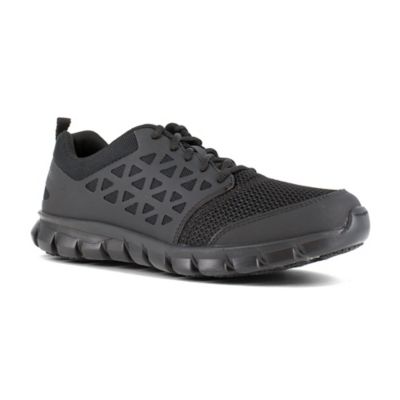
Finding a good pair of work shoes for wide feet starts with giving your feet room to do their job. A standard-width shoe can pinch across the ball of the foot, crowd the toes, or rub along the outside edge, especially after a full day of walking, lifting, climbing, or standing on hard floors. Look for footwear offered in dedicated wide and extra-wide sizes instead of simply sizing up in length. A longer shoe does not always provide more room through the toe box, and an oversized heel can allow your foot to slide around while you work. Width markings vary by manufacturer, but wide sizing is often shown as 2E for men and D or W for women, while extra-wide options may be marked 4E, 6E, or with another extended-width designation. Since feet can swell a little as the day goes on, one practical way to get a better fit is to measure later in the day while wearing the socks you normally use for work. Trace each foot on paper, measure the widest part, and use the larger foot as your reference. Your toes should be able to spread naturally, with enough space to wiggle without touching the front of the shoe. A comfortably snug heel and midfoot help keep the shoe secure, while a roomy forefoot reduces pressure during long hours on concrete, gravel, packed dirt, or uneven ground. Foot shape matters, too. Some people need extra space across the whole shoe, while others mainly need a broad toe box. Trying on footwear with your usual work socks can make a noticeable difference, particularly if you wear thick boot socks during cooler months.
The right work shoes for wide feet should also match the demands of the job. People working in warehouses, shops, barns, feed rooms, restaurants, delivery routes, landscaping, construction, and other active settings may need traction that holds steady on wet floors, loose soil, sawdust, or muddy ground. Slip-resistant outsoles are useful anywhere spills, grease, or smooth flooring are part of the daily routine. If the job involves heavy materials, tools, livestock, machinery, or construction debris, check whether an ASTM-rated safety toe is required. Steel toes offer familiar, dependable protection, while composite toes can provide another safety-toe option and may feel lighter or conduct less cold in some conditions. The safety rating should fit your workplace rules rather than relying on appearance alone. Jobs around wiring, electrical equipment, or utility work may also call for an electrical hazard rating. Waterproof or water-resistant materials can help when the workday includes wet grass, rain, wash-down areas, or muddy paths, while breathable uppers may feel better in warm conditions or fast-paced indoor work. Pay attention to the sole, too. A flexible sole can make walking and kneeling easier, but it should still offer enough support for the surfaces you cover. Cushioning under the heel and forefoot can take some sting out of repeated steps, and a supportive insole may help reduce tired-feet feeling after a long shift. For shoppers who need even more room through the toe box or upper, browse
Extra Wide Work Boots for additional width-focused options that can suit demanding outdoor and worksite conditions.
Work shoes in wide sizes are useful for more than one kind of worker. A farmer checking fences before breakfast, a kennel worker moving between runs, a cashier standing through a busy shift, and a warehouse employee covering miles of concrete all put different demands on their footwear, but each benefits from a fit that does not squeeze the foot. They can also make a thoughtful gift for someone starting a new job, heading back to a hands-on trade, or replacing worn-out footwear before the cooler months bring wetter ground and slicker surfaces. When buying for someone else, it helps to know their usual size, width, preferred safety-toe style, and the type of work they do. A little information can prevent the common mistake of choosing a standard width simply because the length looks familiar. Consider how the shoes will be used from the first step out the door to the last chore of the evening. Someone working around the yard may value water resistance and aggressive tread, while a restaurant worker may prioritize slip resistance, easy cleaning, and lighter construction. A person on their feet indoors may prefer cushioning and a flexible athletic-style feel, while someone outdoors may need tougher materials, added protection, and a sole that grips through changing terrain. Break-in time is worth considering as well. New footwear should feel secure and comfortable from the start, though some materials soften and settle with regular wear. Wear them around the house or during shorter tasks before taking them into a long shift, and check for rubbing, pressure points, heel lift, or toes touching the front. With the right width, dependable support, and job-appropriate protection, work shoes for wide feet can help make long days feel steadier from the barn aisle to the loading dock.