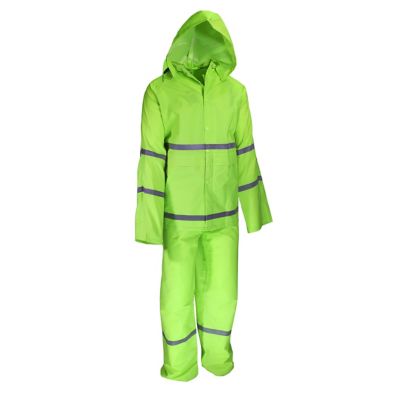
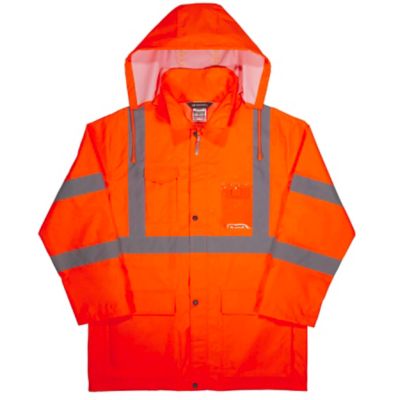
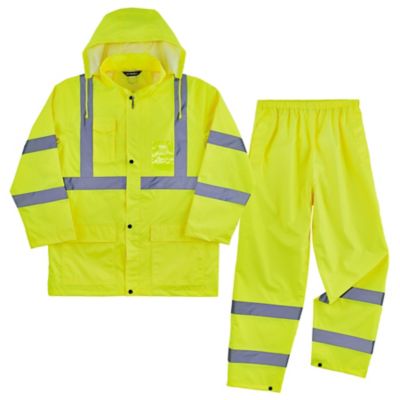
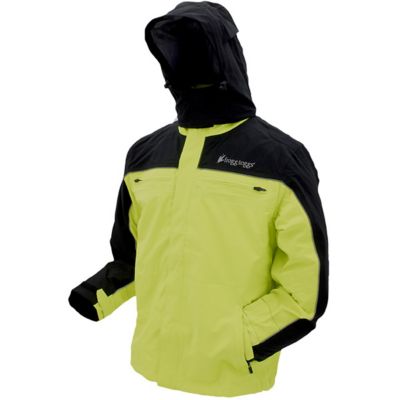
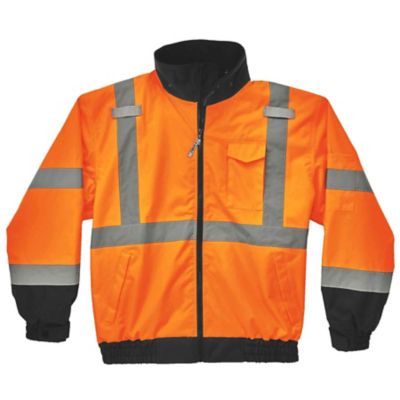
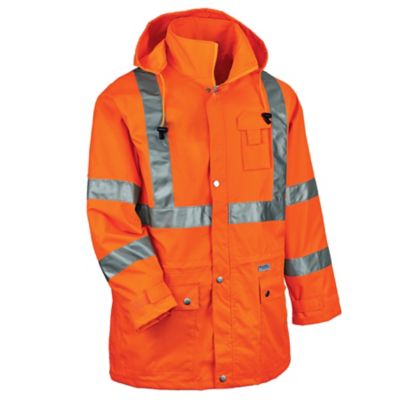
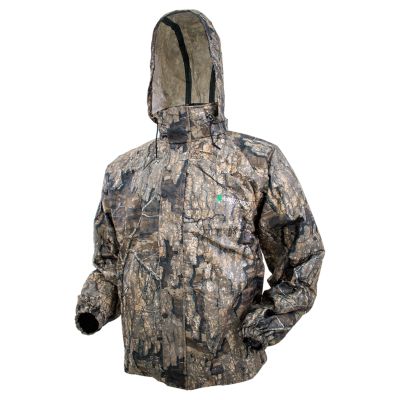
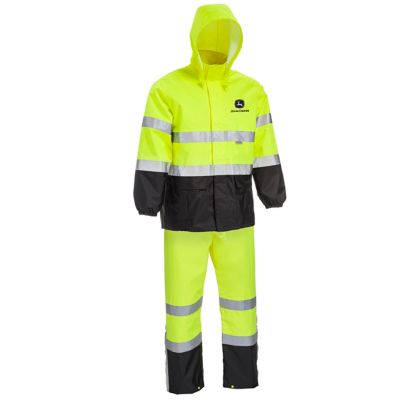
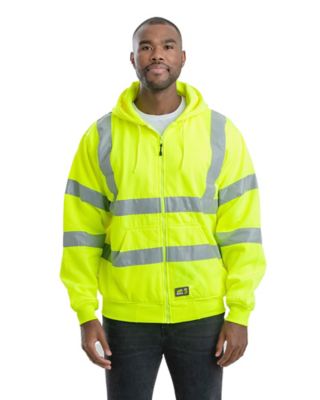
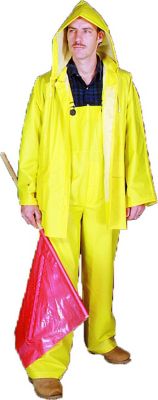
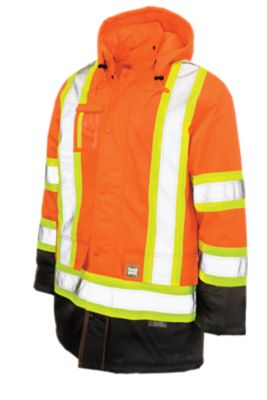
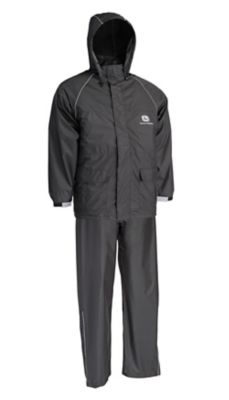
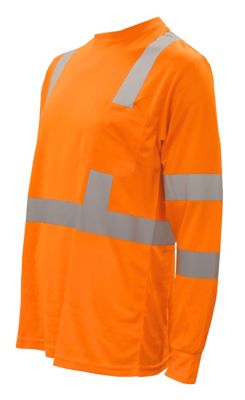
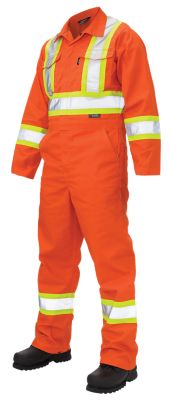
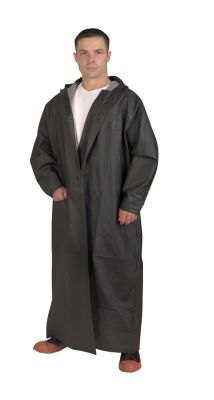
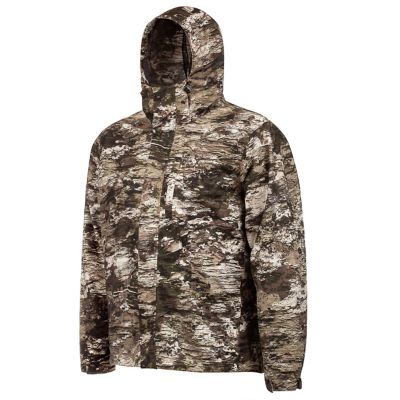
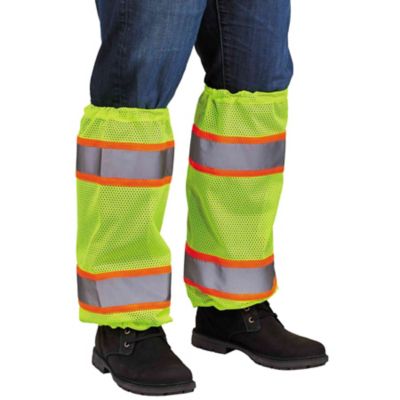
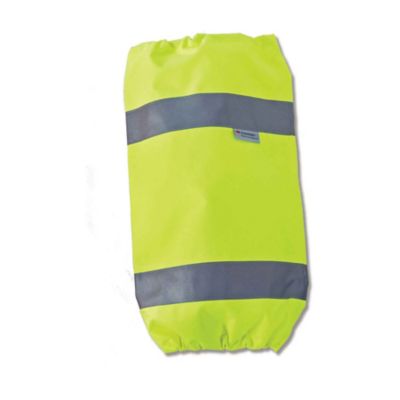
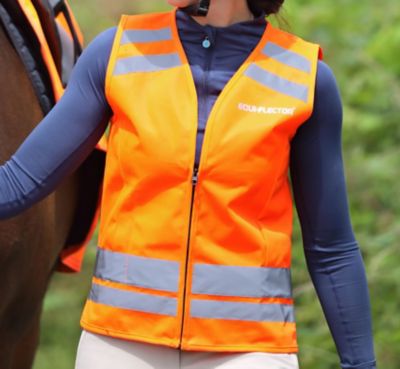
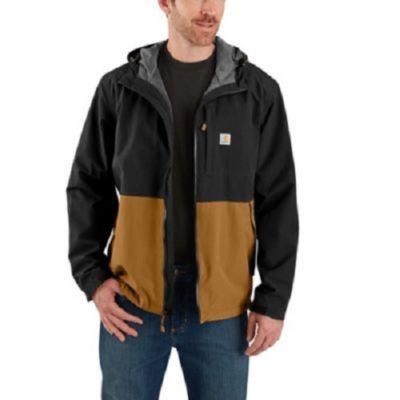
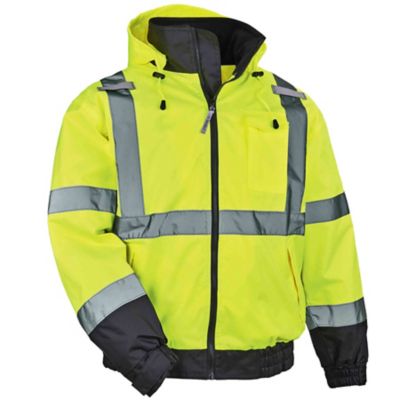
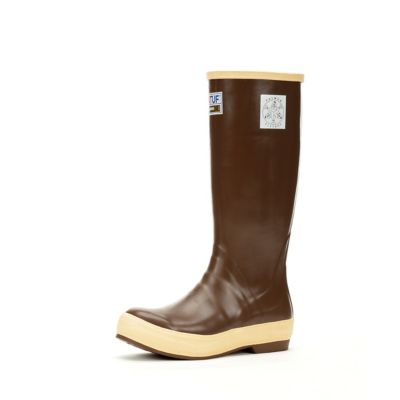
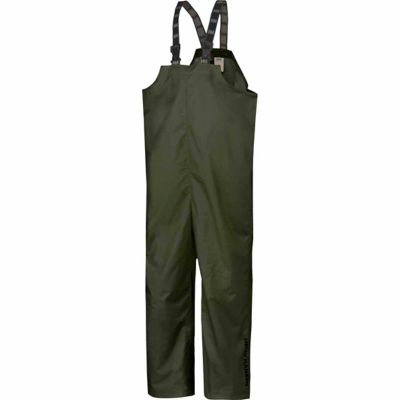
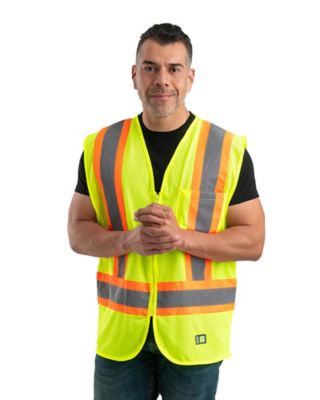
Hi vis rain gear helps keep people dry, comfortable, and easier to see when rain, fog, dust, or low light makes outdoor work harder. Bright fluorescent yellow, lime, or orange fabric stands out against gray skies, muddy ground, tree lines, equipment, and busy work areas, while reflective tape helps catch light from vehicle headlights and work lights. This combination is useful for road crews, utility workers, farm and ranch hands, construction crews, warehouse teams, delivery drivers, crossing guards, parking attendants, and anyone working near moving vehicles or equipment. It also has a place around the farm, where a wet morning can mean checking livestock, opening gates, feeding animals, repairing fence, or moving equipment before the weather clears. A good rain jacket, coat, bib, or pair of pants should do more than shed water. Look for waterproof or water-resistant materials, sealed or taped seams, a hood that adjusts without blocking your view, secure cuffs, and pockets that keep keys, a phone, gloves, or a small tool dry. Breathable fabric and venting can make a big difference when the work is physical. There is nothing comfortable about being soaked from the outside, then damp from sweat under a stiff jacket while carrying feed or walking a muddy fence line. For changing conditions, a lighter shell can layer over a sweatshirt or work shirt, while a heavier coat may be a better fit for long hours in wind and cold rain. Check the sizing carefully so the garment allows room for layers without hanging loose around machinery, gates, or other snag points.
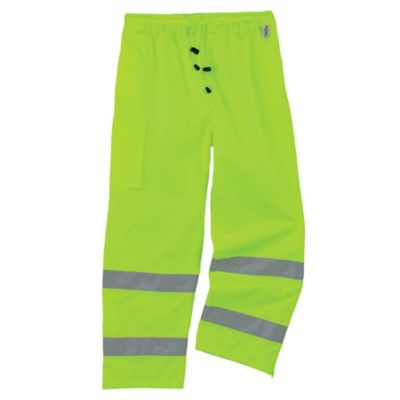
Safety requirements are another important part of choosing hi vis rain gear. If the wearer works near traffic, heavy equipment, or other hazards, check the jobsite rules and the garment’s labeling for the appropriate ANSI/ISEA visibility classification. ANSI Class 2 garments generally provide a higher level of visibility than a basic vest and are commonly used where traffic or worksite risks are present but conditions do not call for the most coverage. ANSI Class 3 garments typically offer the greatest visibility, with more fluorescent background material and reflective coverage, along with sleeves on a full jacket; they are often selected for high-speed roadways, poor visibility, or complex work zones. ANSI Class E applies to pants and bibs, which are commonly paired with a Class 2 or Class 3 upper garment to increase visibility around the lower body. Classification is only one piece of the decision, so consider the surroundings, traffic speed, weather, required coverage, and the amount of time spent outdoors. A vest may be handy over a rain shell, but it does not replace waterproof protection. A jacket can keep the upper body dry, while bibs or pants help protect legs from steady rain, splashing puddles, wet brush, and mud kicked up by a tractor or truck. For additional lower-body coverage, browse
Rain Pants and compare the fit, material, closures, and visibility details that suit the job. Look for reflective bands that wrap around the body and sleeves or legs rather than sitting only on the front. Wide openings, snap or zipper closures, adjustable suspenders, and full-length side zippers can make it easier to pull rain gear on over boots and work clothes. A hood should stay put in a gust without covering the reflective areas or limiting peripheral vision, and a two-way zipper can help with movement when climbing into a truck or sitting on equipment.
Hi vis rain gear is useful anywhere visibility and weather protection need to work together, from an early-morning livestock check to a roadside repair during a steady downpour. It can be packed in a truck, kept in a job box, or stored near the back door so it is ready when the forecast turns wet. Many workers keep a spare set handy because rain gear left crumpled and muddy in a cab may not be ready for the next shift. After use, shake off dirt, hang the garment where air can circulate, and follow the care instructions to protect the waterproof coating and reflective trim. Avoid assuming that bright color alone makes a garment suitable for every worksite; check the label, visibility class, coverage, and condition before putting it into service. Torn fabric, peeling reflective tape, worn closures, and clogged or damaged waterproof surfaces can reduce performance. When choosing a set for someone else, think about the kind of work they do, the layers they wear, whether they need a jacket or full-body coverage, and how easily they can move while wearing it. Hi vis rain gear can make a practical gift for a farmer, hunter, groundskeeper, road worker, utility employee, or outdoor-minded homeowner, especially when it is selected with their daily routine in mind. During the warmer part of the year, a lightweight shell may be more comfortable for sudden showers, while cooler, wetter conditions call for room to layer underneath. With the right fit, dependable weather protection, and visibility features suited to the work area, rain gear helps turn a miserable wet shift into a safer, more manageable one.