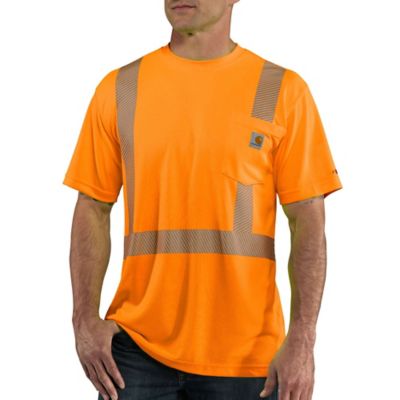
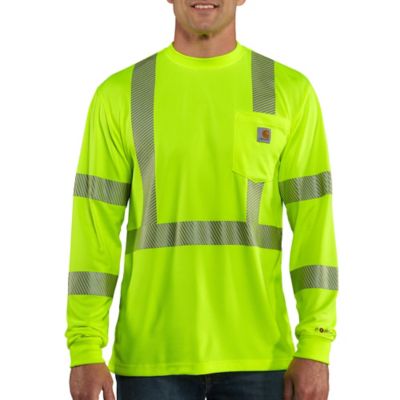
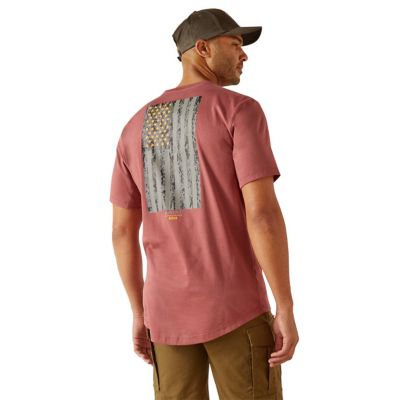
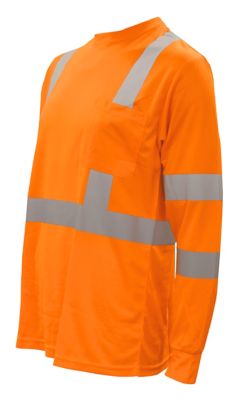
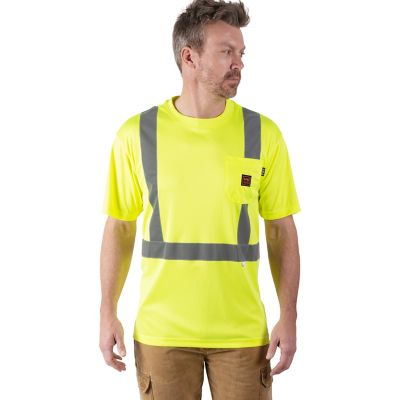
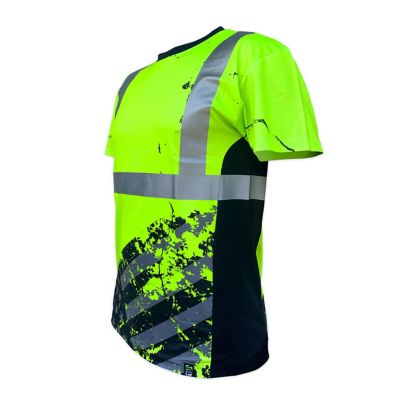
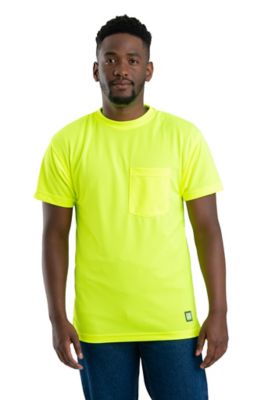
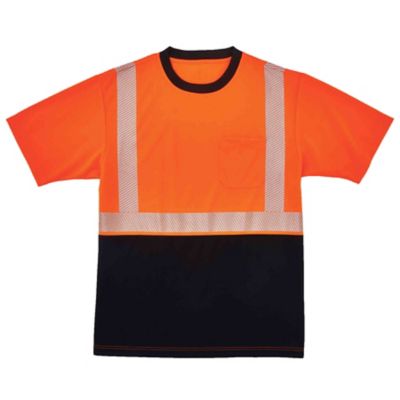
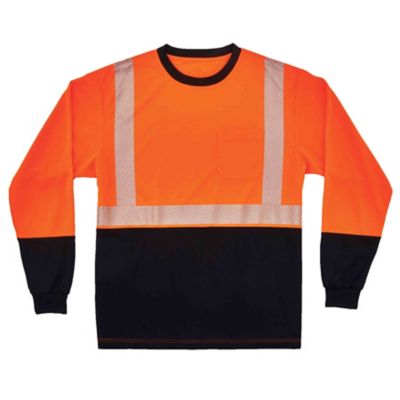
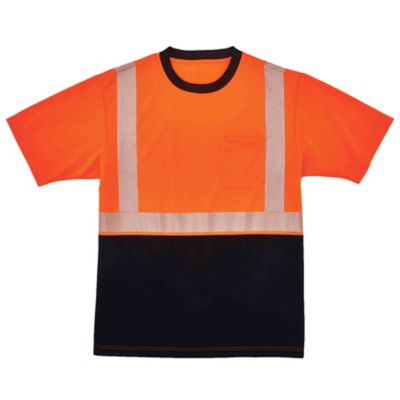
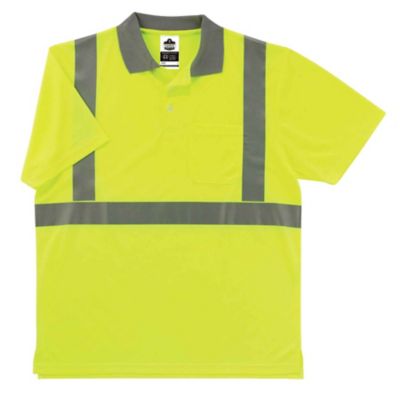
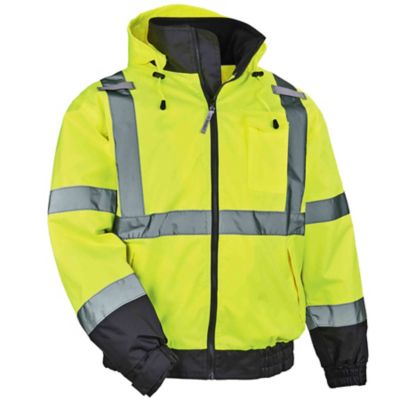
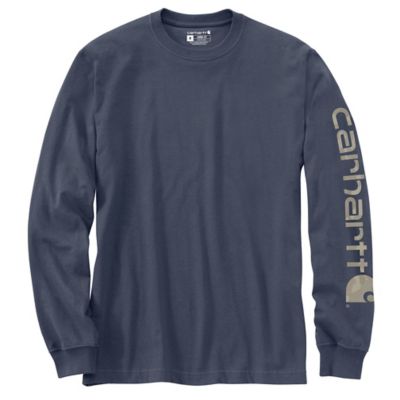
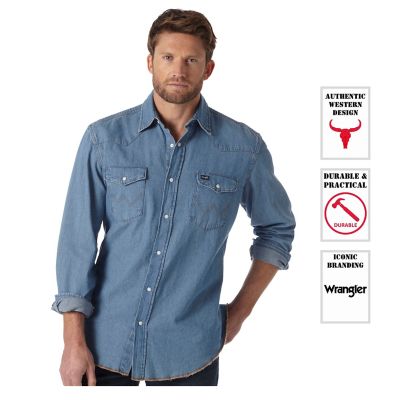
High visibility work shirts help workers stand out around moving vehicles, equipment, and busy work areas. Their bright background colors draw attention in daylight, while reflective material on appropriately designed shirts returns light toward its source, helping make the wearer more noticeable when headlights or other directed light hit the garment. Those two features serve different purposes, and both matter when a job calls for a visibility-rated shirt. Fluorescent yellow-green and orange-red are familiar choices for road crews, utility workers, construction crews, and people working around loading areas. Around a farm or ranch, a high visibility shirt can also help someone stand out beside a grain truck, across an equipment yard, or along a fence line near a traveled road. A bright shirt does not replace safe equipment operation, traffic controls, or communication with drivers, but it can be one part of the worksite’s safety setup. For jobs with specific clothing requirements, the garment label matters more than color alone. ANSI/ISEA 107 establishes requirements for high-visibility safety apparel, including the amount and placement of background and reflective material. Shirts labeled for Type R address roadway environments and may carry Performance Class 2 or Class 3 designations. Class 3 garments generally have greater minimum material requirements and coverage than Class 2 garments, but a long sleeve by itself does not establish a shirt’s class. Likewise, a fluorescent shirt without the required reflective layout is not automatically suitable for a job that requires rated apparel. Employer rules, site requirements, and the work being performed should determine the necessary type and class. The label and manufacturer’s information provide the details needed to check those requirements before a shirt becomes part of the daily rotation. That distinction is especially important for crews that move between a closed equipment yard and roadside assignments, where the clothing requirements may differ even though the day’s work involves the same truck and tools.
Fabric and fit make a big difference when a work shirt has to stay comfortable through bending, reaching, climbing, and carrying. Polyester is common in high visibility work shirts because it can support bright fluorescent colors and manage moisture without holding as much water as some other fabrics. Mesh and open-knit constructions allow more airflow, while smoother, tightly knit fabrics have a different feel against the skin and may be preferable where an open texture could catch on rough surfaces. Moisture-wicking finishes help move perspiration away from the skin, though performance depends on the fabric and its care instructions. Cotton-containing blends offer another feel, but fiber content alone does not establish a shirt’s visibility rating or suitability for a particular task. Reinforced seams, a neckline that holds its shape, and well-attached reflective material are worth a close look on clothing that will see repeated workdays and washing. Reflective bands can feel different across the shoulders and torso; segmented designs may allow more flex, depending on the garment’s construction. Short-sleeve shirts leave the forearms uncovered, while long-sleeve styles provide more coverage without necessarily carrying a higher safety classification. Crew necks keep the design straightforward, and polo collars offer a different look for workers who split time between the yard, deliveries, and face-to-face appointments. Chest pockets can keep a small notepad close, provided their contents do not interfere with the job or obscure required visibility material. A comfortable fit leaves room to reach overhead and bend at the waist without pulling tight across the back. Too much loose fabric, however, can snag around equipment, and sleeves should not hang where they could catch on moving parts. High visibility clothing is also not automatically flame-resistant or suitable for electrical hazards. Jobs involving those risks require garments with the separate protective ratings specified for the task, along with any required visibility features.
Keeping high visibility work shirts in working shape means paying attention to both the fabric and the features that help the wearer stand out. Dust from a gravel lane, grease from a repair job, and ground-in dirt can cover fluorescent fabric or reflective bands, reducing their effectiveness even when the shirt itself has no holes. Care labels spell out washing and drying limits, and those directions deserve a place in the laundry routine. Bleach, fabric softener, harsh stain treatments, and excessive dryer heat can affect some materials or finishes, so they should not be part of the routine unless the manufacturer permits them. Reflective areas also need protection from ironing or other treatments that the care label prohibits. Some rated garments specify a maximum number of wash cycles; that limit matters alongside the shirt’s visible condition. Fading, persistent staining, torn fabric, cracked reflective material, and peeling bands are reasons to assess whether a shirt still meets the job’s requirements. A shirt that feels comfortable may still need replacement if its visibility features have deteriorated. Layering takes the same attention: a vest, harness, tool belt, or outer garment can cover important areas, and a rated shirt underneath does not make an entire clothing combination compliant. When the job calls for an outer layer, a
High Vis Work Jacket should meet the applicable site requirements rather than simply match the shirt’s color. For everyday wear, it helps to consider the whole outfit, including room through the shoulders, sleeve clearance, and whether the shirt stays in place while stepping into a cab or reaching across a workbench. High visibility work shirts earn their place through that combination of task-appropriate visibility, comfortable movement, and straightforward care. Whether the work involves roadside maintenance, deliveries, construction, or chores around active farm equipment, the shirt should suit the assignment without getting in the way of getting it done.