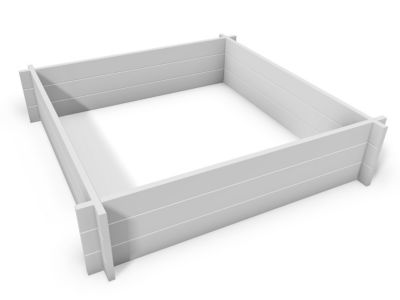
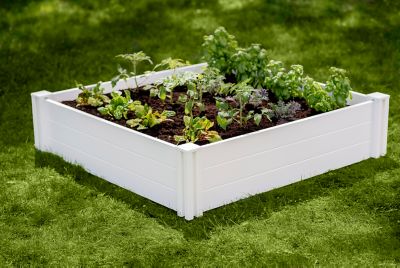
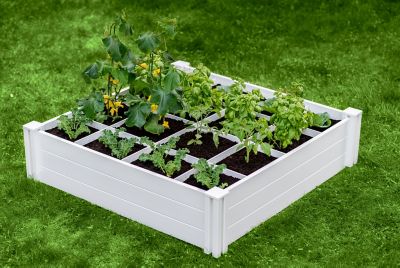
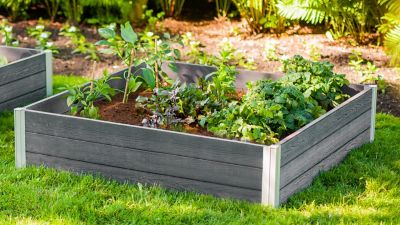
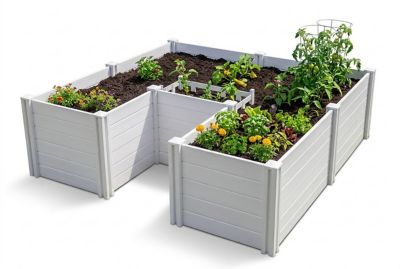
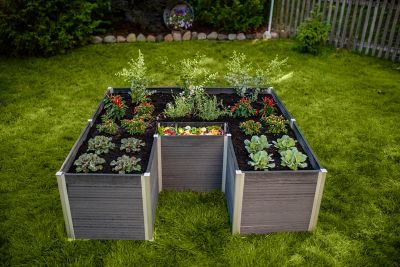
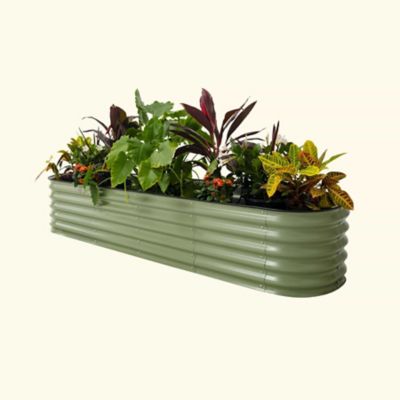
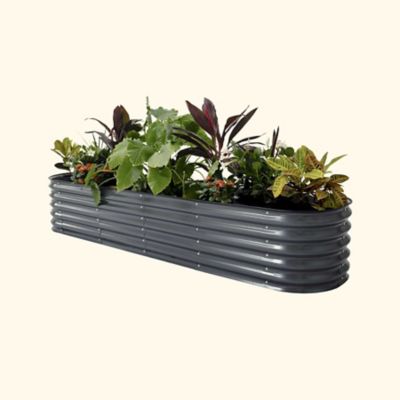
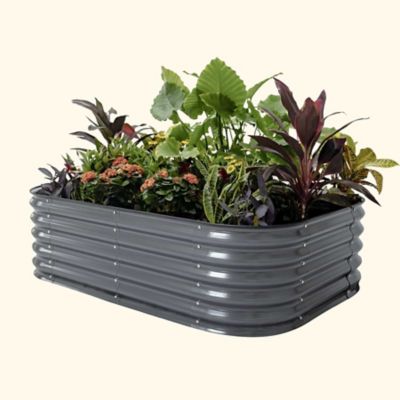
Vinyl raised garden beds create a defined growing space for vegetables, herbs, and flowers without the routine staining or painting that some other materials require. Typically made from PVC, these beds hold soil within upright panels, keeping a kitchen garden neatly separated from the lawn, a gravel path, or the rest of the yard. Vinyl resists rot, making it a practical material for garden borders that stay in contact with moist soil. Among
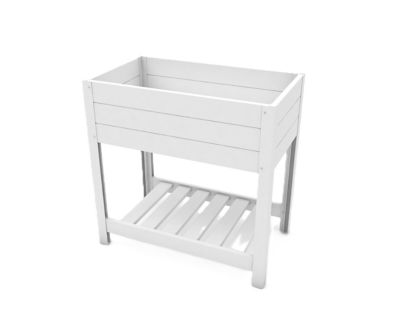
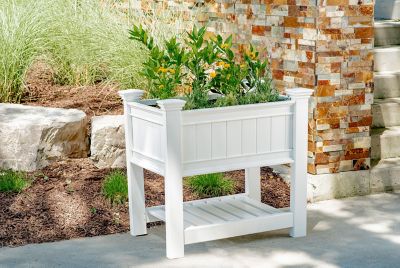
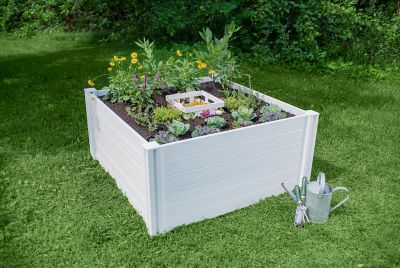
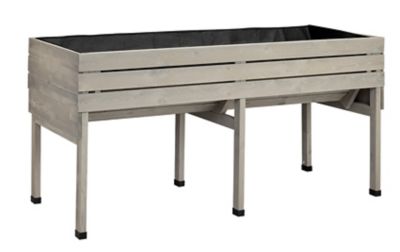
Raised Garden Beds, vinyl appeals to folks who want straightforward upkeep and a clean-looking planting area beside the house or out near the vegetable patch. The right shape and size depend on what’s growing and how the bed will be reached. A square layout can suit a small herb garden, while a longer rectangle provides room for rows of greens, root vegetables, or a mixed planting. A bed about 4 feet wide often allows access to the middle from both long sides, though comfortable reach varies from person to person. Narrower beds make more sense along a fence or wall where access is limited to one side. Height deserves just as much attention as width: a low border defines a planting area, while taller sides hold a deeper layer of growing mix and may reduce some bending. A raised bed is not necessarily an elevated planter, though. Many vinyl beds have open bottoms and rest directly on the ground rather than standing on legs. That distinction matters for placement, drainage, and access. Shallow-rooted herbs and greens have different space needs than carrots or larger vegetable plants, and the ground beneath an open-bottom bed can contribute to the usable root zone when it is suitable for planting. For gardeners working with compacted ground or a patch of thin topsoil, a raised bed provides room for a separate layer of growing mix, with depth matched to the crops rather than appearance alone.
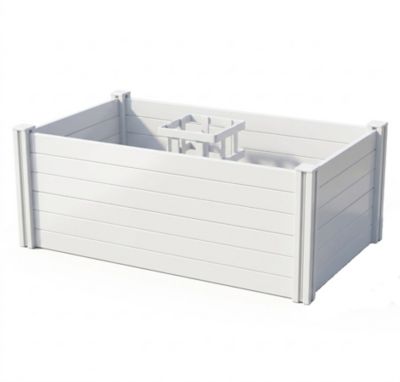
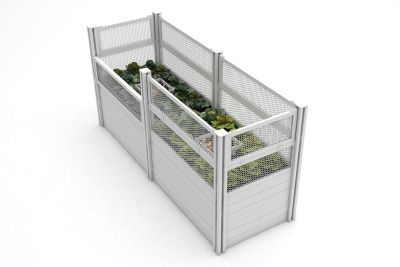
The construction of a vinyl garden bed matters as much as its footprint. Panel thickness, corner connections, and any internal supports all affect how the frame handles the outward pressure of soil. Longer sides and taller walls may need additional reinforcement, so dimensions alone don’t tell the whole story. Some designs feature panels that slide into posts, while others rely on fasteners or additional bracing; assembly requirements depend on the design. Modular layouts can offer more flexibility in shape, but expansion depends on compatible components rather than simply adding another panel. White vinyl gives a planting area a crisp border, while other finishes may blend more closely with nearby fencing or buildings. Finish is a matter of preference, but material specifications deserve closer attention when vegetables and herbs are headed for the table. PVC composition varies, and suitability for growing food should come from the manufacturer’s stated intended use rather than a broad assumption about all vinyl. Claims such as BPA-free or phthalate-free should also be supported by the manufacturer’s information. Those details help distinguish a garden bed intended for edible plants from a material that merely looks suitable. Soil capacity is another practical consideration, especially with tall or extended layouts. A growing space with inside dimensions of 4 feet by 8 feet and a fill depth of 1 foot holds about 32 cubic feet of soil, before accounting for internal components or settling. Actual inside measurements are more helpful for estimating fill than the frame’s outside dimensions. Deeper beds require more growing mix and place more pressure on the walls, while divided or tiered layouts can provide separate planting depths within one footprint. For a household growing a few supper ingredients near the back door, a compact bed may be plenty. A larger garden can benefit from several reachable beds with clear paths between them, rather than one broad planting area that requires stepping into the soil.
Day-to-day usefulness comes down to how well the bed fits the space and the gardener’s routine. Level, firm ground helps the frame sit evenly and keeps its connections from taking unnecessary strain. An open-bottom vinyl raised bed allows water to move into the ground below, but drainage still depends on the underlying soil; the frame alone cannot fix a poorly draining location. A bottomed planter needs drainage openings and a supporting surface capable of carrying its filled weight. That distinction is especially important near a porch or patio, where a garden bed’s suitability cannot be judged by size alone. Within the bed, a planting mix that balances moisture retention with drainage gives roots a better growing environment than tightly packed soil. A layer of gravel is not a substitute for suitable drainage, and dense fill can make a bed harder to manage. Placement also affects everyday convenience. Enough direct light for the intended crops, room to carry a watering can, and a path wide enough for a wheelbarrow can make a bigger difference than an extra few inches of planting space. For someone who gardens from a seated position or prefers less reaching, wall height, access beneath the bed, and distance to the center all deserve consideration; taller sides alone do not guarantee comfortable access. Vinyl’s smooth surfaces generally clean up with water, mild soap, and a soft cloth or brush, following the manufacturer’s care directions. Abrasive cleaners, harsh solvents, and forceful contact from mowers or string trimmers can damage the finish or panels. Occasional checks of corners, fasteners, and braces help catch movement before it becomes a larger repair. With a layout that fits the yard, enough depth for the intended plants, and sensible care, vinyl raised garden beds offer a manageable home for everything from a handful of kitchen herbs to a family vegetable patch.