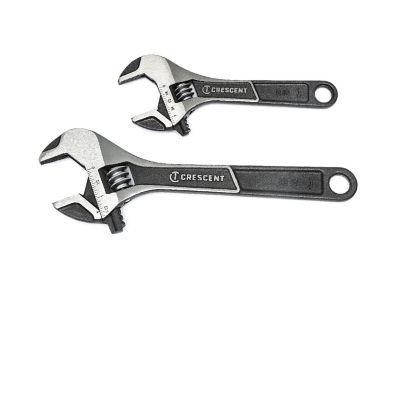
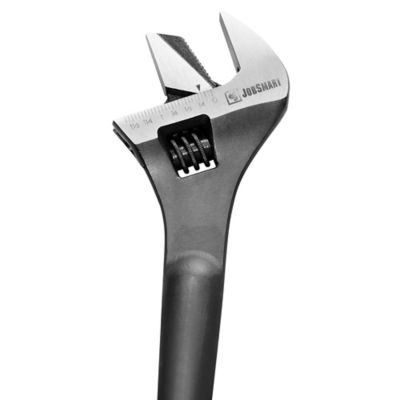
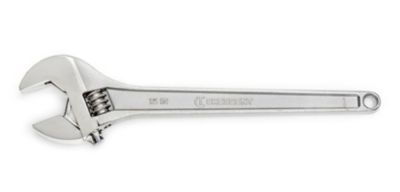
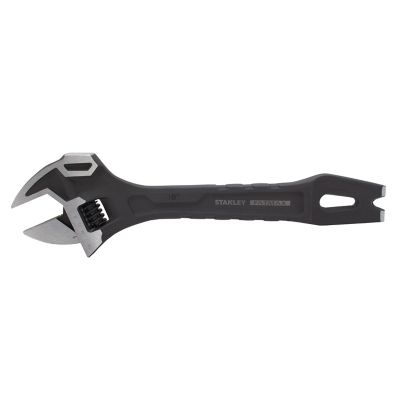
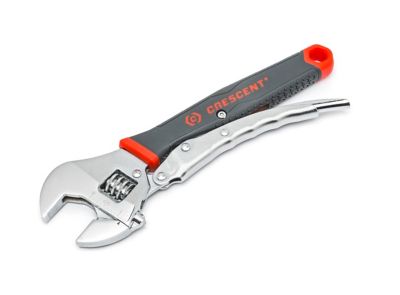
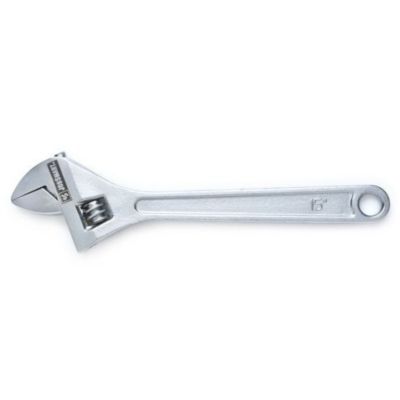
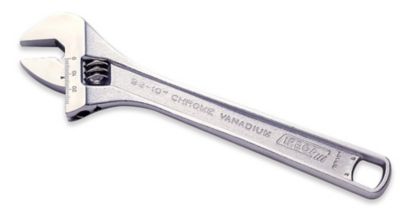
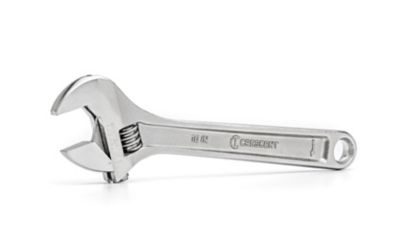
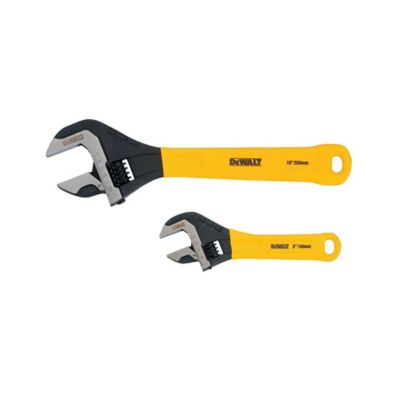
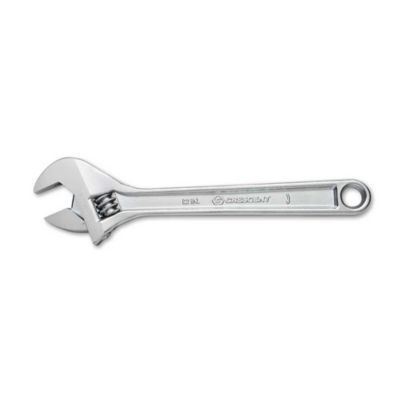
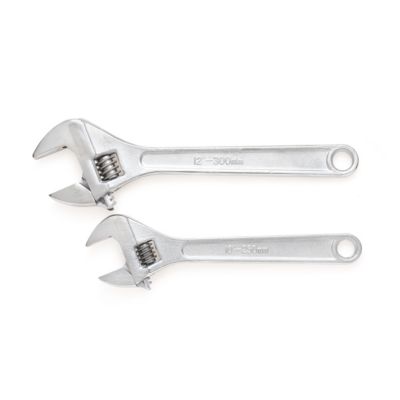
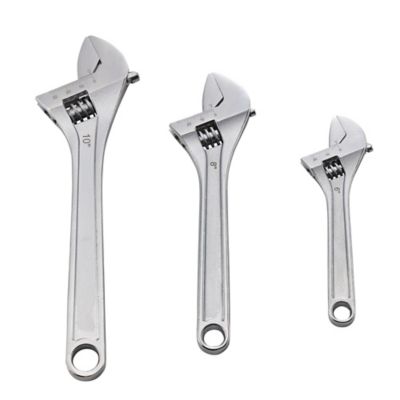
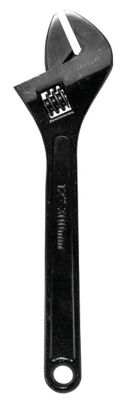
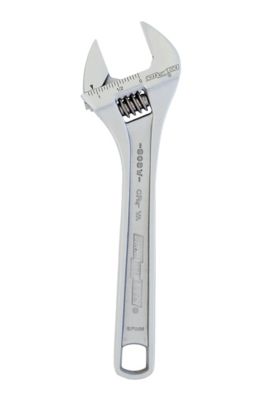
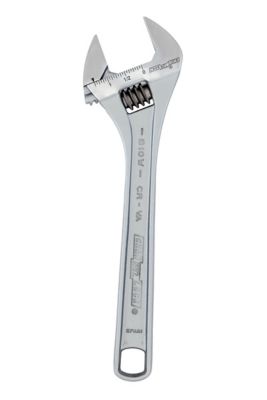
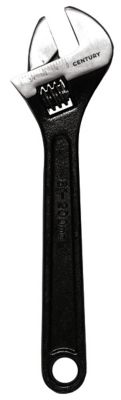
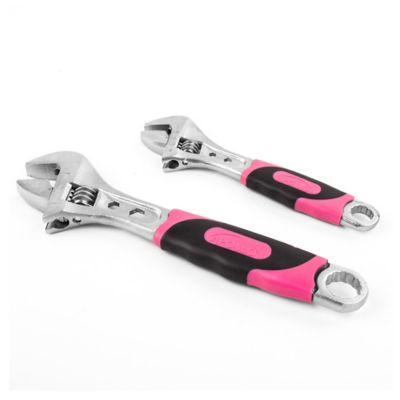
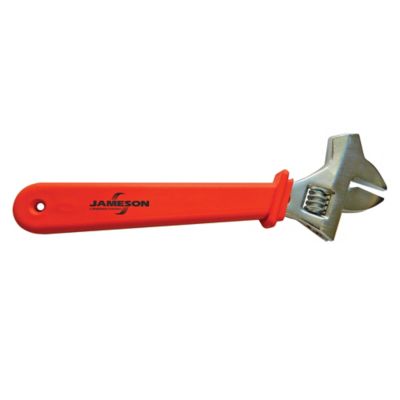
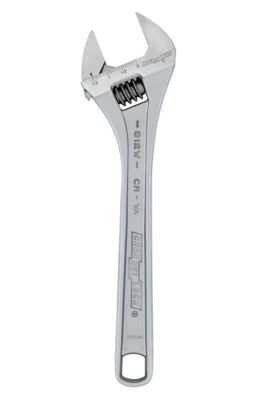
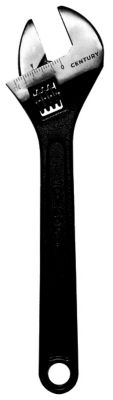
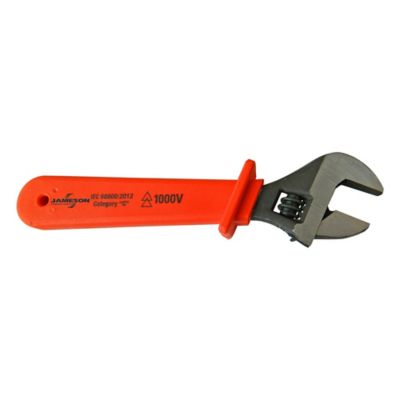
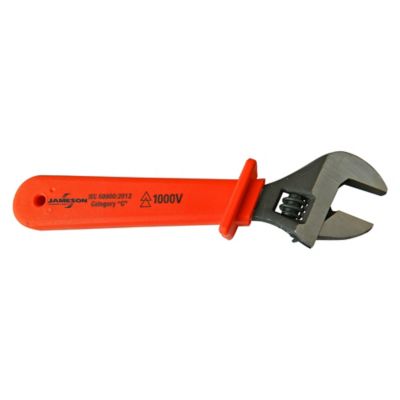
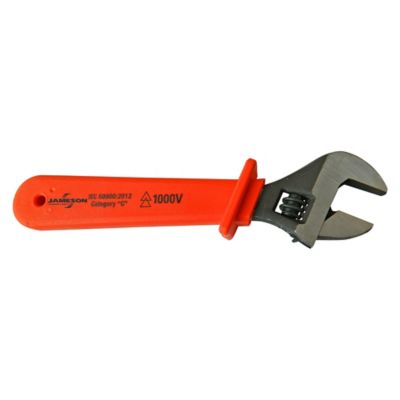
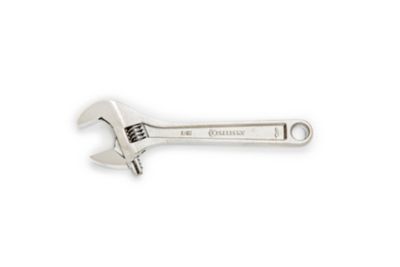
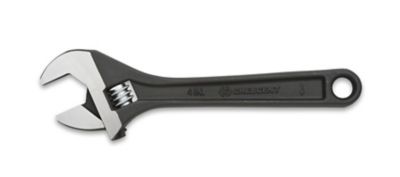
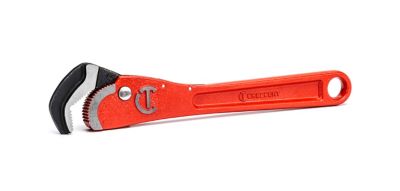
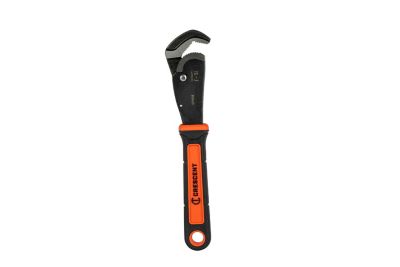
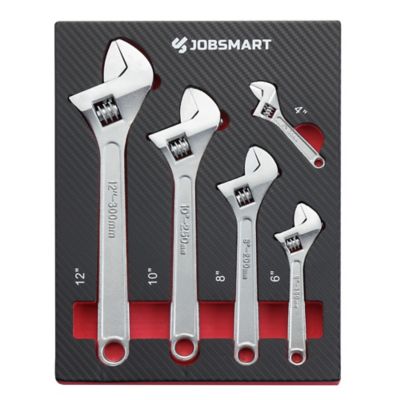
Heavy duty adjustable wrenches are made for the jobs where a small household wrench runs out of reach, strength, or jaw capacity. With a movable jaw that opens to fit different sizes, one well-chosen wrench can handle a range of nuts, bolts, fittings, and other fasteners around a farm, shop, garage, trailer, or home. They are especially useful when working with oversized hardware, older equipment, plumbing connections, implements, and machinery that see plenty of dirt, weather, and hard use. A long handle gives you more leverage for stubborn fasteners, while a wide jaw opening helps reach hardware that will not fit a standard combination wrench. Depending on the design and size, heavy duty adjustable wrenches may offer jaw capacities of several inches, making them suited for large fasteners and certain pipe or fitting work. Most are built from tough forged or heat-treated steel, often chromium-vanadium steel, to stand up to repeated turning and high hand-applied torque. When choosing one, start with the largest nut, bolt, or fitting you expect to work on, then look at the wrench’s maximum jaw opening and overall length. A wrench that is too small may not fit, while one that is excessively long can be awkward in a cramped engine bay or crowded work area. The adjustment knurl should turn smoothly but hold the jaw firmly, with minimal side-to-side play. Too much looseness lets the wrench shift on the fastener and can round off the corners. A clearly marked measurement scale on the jaw makes it easier to set the opening before reaching into a dark or tight space. A comfortable, substantial handle is also worth considering, especially for repairs that take both hands, repeated adjustments, or a steady pull. Smooth polished surfaces wipe clean easily after working around grease, while textured or dipped grips can provide more control when your gloves are oily or the weather turns cold.
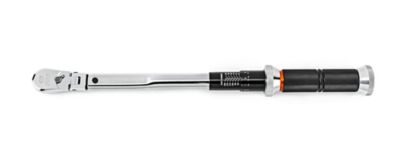
These wrenches earn their keep in plenty of real-world settings. A livestock owner may use one while tightening hardware on gates, feeders, stalls, or water lines. Someone maintaining a tractor, mower, utility trailer, or older pickup may reach for an adjustable wrench when several fastener sizes are scattered across the same repair. In a farm shop, the right long-handled wrench can help loosen a seized nut after penetrating oil has had time to work, though stubborn or heavily rusted hardware should always be approached carefully and with the correct tool for the fastener. Around the house, a heavy duty adjustable wrench is handy for plumbing repairs, assembling outdoor equipment, securing porch or deck hardware, and making adjustments to large bolts that do not match the sizes in a standard wrench set. It can also be a practical gift for a new homeowner, apprentice, farmer, mechanic, handy family member, or anyone building a dependable tool collection. When shopping for a gift, a medium-to-large general-purpose size is often a useful starting point, while someone who works on heavy machinery may appreciate a longer handle and a much wider jaw capacity. For specialized high-torque work, compare the wrench with tools designed for controlled torque, such as
Heavy Duty Torque Wrenches. Adjustable wrenches are convenient because one tool covers multiple sizes, but they should not be treated as a replacement for a properly sized fixed wrench when maximum grip and precise fit are needed. They also are not intended for striking, prying, hammering, or extending the handle with a pipe. Those shortcuts can bend the tool, damage the fastener, or send the wrench slipping unexpectedly. Keep the jaws clean, inspect the adjustment screw and moving jaw for wear, and store the wrench where moisture and loose grit will not work into the mechanism. A light wipe of rust-preventive oil can help protect the metal during storage, particularly in an unheated barn, shed, or trailer during the cooler months.
Good technique matters just as much as heavy construction. Before turning, open the movable jaw slightly wider than the fastener, slide the wrench fully over the flats, and tighten the adjustment knurl until the jaws sit snugly against both sides. The solid, non-adjustable jaw should face the direction of the main turning force; this helps transfer pressure through the stronger part of the wrench and reduces the chance of bending the movable jaw. Whenever the work area allows, pull the handle toward your body instead of pushing away from yourself. A controlled pull gives you better balance and helps prevent scraped knuckles if the fastener breaks loose. Keep your footing solid, wear eye protection when rust or debris may fall, and use gloves that provide grip without getting caught in moving parts. If a fitting is round, badly damaged, or requires a strong pipe-gripping action, select a tool made for that particular job rather than forcing an adjustable wrench to do it. Likewise, use the shortest wrench that provides enough leverage for the task, and add penetrating oil or heat only when appropriate for the equipment and surrounding materials. After a repair, back the jaws open slightly before storage and wipe away mud, grease, and moisture. A dependable adjustable wrench often becomes one of those tools that lives in the tractor toolbox, service truck, or kitchen junk drawer because it can solve an unexpected problem without a trip back to the shop. Choosing a sturdy build, useful jaw range, smooth adjustment, and comfortable handle gives you a tool ready for everyday fixes, heavier maintenance, and the cold-weather chores that come with keeping a place running.