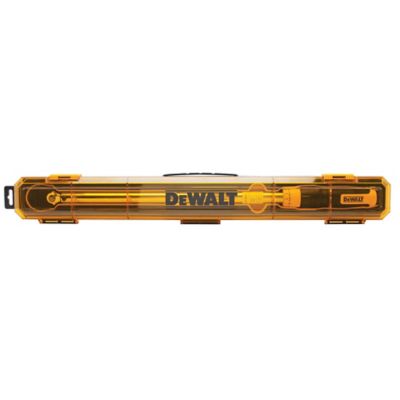
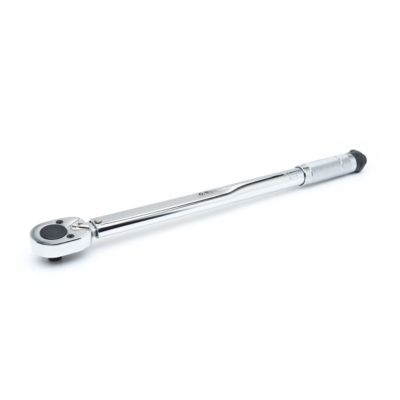
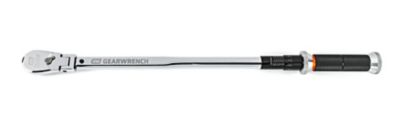
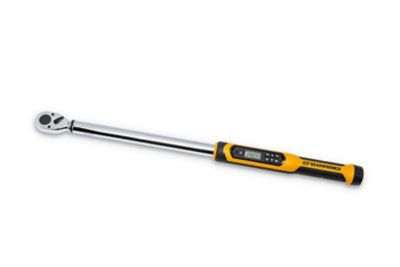
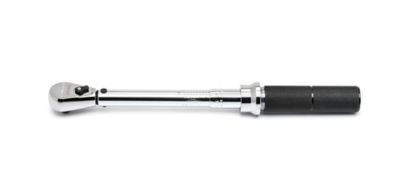
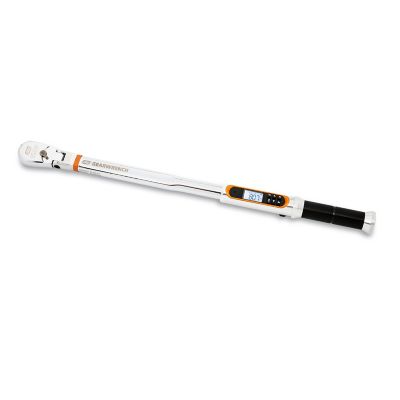
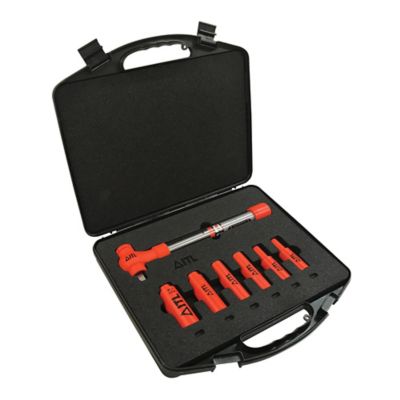
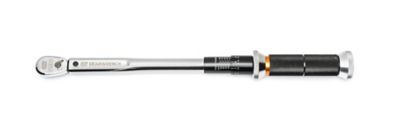
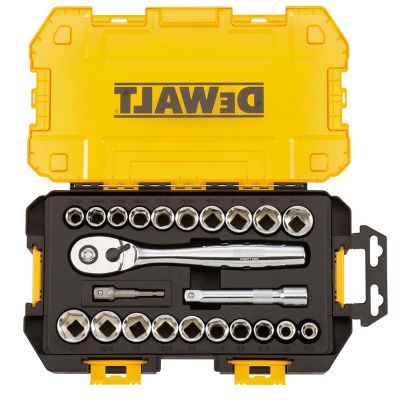
A 1/2-inch drive torque wrench is a handy choice for jobs that call for more control than a regular ratchet can provide. This larger drive size is commonly used for automotive repairs, trailer maintenance, farm equipment, utility vehicles, and other work involving larger fasteners. Instead of simply tightening a nut until it feels snug, a torque wrench helps apply a measured amount of force, usually shown in foot-pounds or newton-meters. That matters when working on wheel lug nuts, suspension components, axle hardware, engine parts, mower decks, and machinery connections where too little torque can allow parts to loosen and too much can damage threads, studs, or the part being secured. Many 1/2-inch drive models cover a useful range of roughly 25 to 250 foot-pounds, though the exact range varies by wrench. Before shopping, check the torque specifications for the vehicle, implement, or equipment you plan to service and choose a wrench whose working range comfortably includes those numbers. A 1/2-inch drive tool also works with common sockets and extensions made for that drive size, making it a practical addition to a home garage, workshop, farm truck toolbox, or maintenance shed. For a broader look at available styles and uses, visit our
Torque Wrench selection.
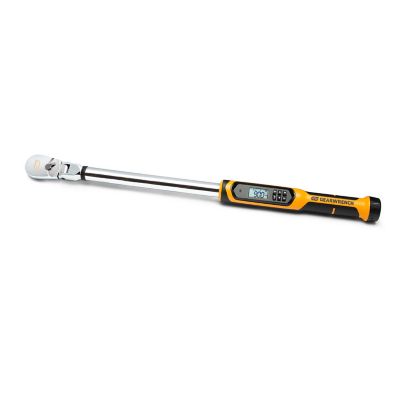
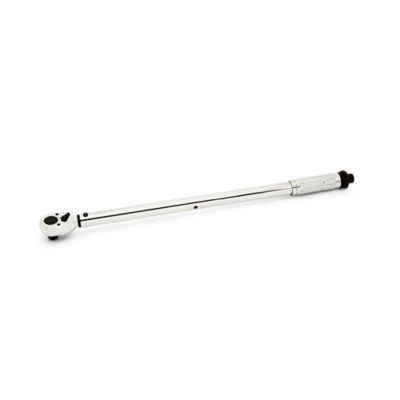
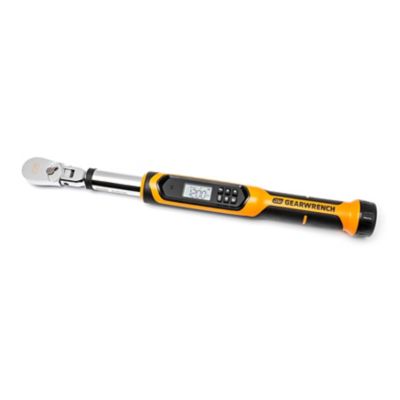
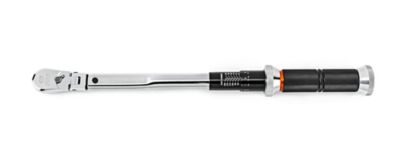
The main types include click-style, digital, and split-beam torque wrenches. A click-type wrench has a handle that twists to set the desired torque value, then gives a noticeable click when the setting is reached. It is straightforward for routine repairs and is often a good fit for do-it-yourself work, seasonal vehicle maintenance, and general equipment upkeep. Digital models show the applied force on a screen and may use lights, sounds, or vibration to signal when the target is near or reached, which can be helpful when working in a noisy shop or when you want to watch the reading build in real time. Split-beam designs use a beam-and-handle arrangement that can be quick to adjust and typically does not require the same kind of spring tension release after use as many click-style tools. When comparing options, look at the measurement range, scale readability, adjustment method, handle comfort, ratcheting head, socket compatibility, and whether the wrench includes a protective case. A dual-scale display can make it easier to work from service information listed in either foot-pounds or newton-meters. A reversible head is useful when tightening in more than one direction, but always confirm the manufacturer’s instructions for the wrench and the job. If the work involves wheel lug nuts, make sure the selected range covers the vehicle’s required torque without operating at the very edge of the tool’s capacity. For larger machinery, consider the size and access around the fastener, since a long handle may provide leverage but can be awkward in a tight space. Price often reflects construction, adjustment features, display style, and calibration support, so the best choice is the one that matches the work you actually do and the care you are prepared to give the tool.
Using a torque wrench properly is just as important as choosing one. Begin by cleaning dirt, rust, paint, and grease from the fastener and contact surfaces when the repair instructions call for clean, dry threads. Set the wrench to the specified value, fit the correct socket, and pull smoothly from the center of the handle rather than adding a pipe or slipping on an extra cheater bar. Stop at the click, light, beep, or target indication instead of continuing to pull. For wheel work, tighten lug nuts in the recommended sequence, often in a crisscross or star pattern, then recheck the final setting as directed by the vehicle or equipment manufacturer. A torque wrench is not intended to break loose stubborn fasteners unless its instructions specifically allow that use; a breaker bar is usually the better tool for loosening. Afterward, wipe away grime, return a click-style wrench to its storage setting if the manufacturer recommends it, and keep it protected from moisture, drops, and extreme heat. Calibration can drift with heavy use or rough storage, so professional users and anyone working on safety-critical fasteners should follow the maker’s calibration guidance. A 1/2-inch drive torque wrench can also make a thoughtful gift for a new driver, a weekend mechanic, a farmer maintaining tractors and attachments, or someone building a dependable tool collection. It is especially useful during the warmer months when trailers, lawn equipment, and work vehicles see plenty of use, and during cooler months when vehicle preparation and indoor maintenance projects move to the front of the list. With the right range and a little care, it becomes one of those tools that earns its place on the workbench by helping each repair come together with confidence.