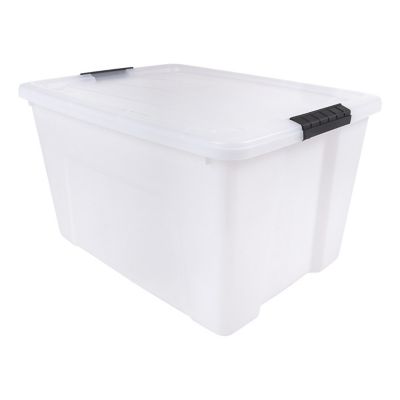
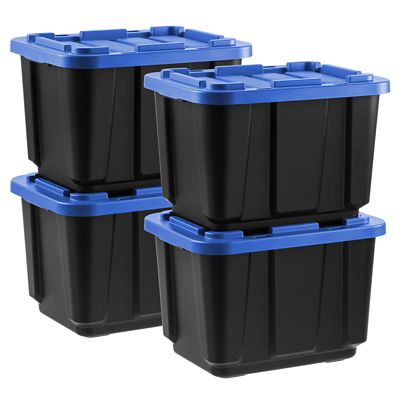
Heavy duty boxes give you a dependable way to move, store, ship and organize the things that matter around the house, farm, shop or office. Compared with ordinary single-wall cartons, heavy duty boxes are built to handle more weight and more wear, making them a practical choice for packed books, hand tools, small appliances, pantry goods, seasonal decorations, clothing, linens and household keepsakes. Double-wall construction adds an extra layer of corrugated material for greater strength, better puncture resistance and improved stacking support. That added support can make a real difference when boxes are loaded into a trailer, tucked into a barn loft, carried across a gravel drive or stacked in a storage room where they may sit through changing temperatures. Before choosing a box, take a quick inventory of what you plan to pack. Heavy items such as cast-iron cookware, hardware, canned goods or books are usually easier to manage in smaller boxes, while bulky but lightweight items such as bedding, jackets, towels and pillows can go in larger cartons. A box that is too large may become difficult to lift once filled, while a box that is too small can leave corners crushed or contents tightly jammed. Look for the stated weight limit and, when listed, the ECT, or Edge Crush Test, rating. This rating helps indicate how well the box may resist crushing when stacked, which is especially useful when you are building a neat, stable column for long-term storage or transport. Heavy duty boxes are useful for a wide range of jobs, from clearing out a spare room to getting a household ready for a move. They can hold shop records, spare parts, fencing supplies, tack-room items, holiday décor and household goods that need to stay together instead of being scattered across several thin cartons. Families may use them to pack up outgrown clothes, college belongings or hand-me-downs, while small businesses, homesteaders and rural property owners can use them to sort paperwork, inventory and supplies. They also make a thoughtful practical gift for someone settling into a new home, preparing a workshop or organizing a growing family, particularly when paired with packing tape, labels and other moving essentials.
Choosing the right shape and features can make packing much less of a chore. Standard rectangular boxes are handy for books, kitchen items, tools and general household loads because they stack cleanly and make good use of shelf or trailer space. Taller cartons can be useful for garments, coats and other hanging clothing, while wide or extra-large sizes are better suited to bedding, lampshades, blankets and other oversized items that do not pack well in a short box. Measure the items and the available storage area before buying, leaving enough room for a little cushioning without forcing the flaps to bow. Reinforced bottoms are helpful for dense loads, and handle holes can make a full box easier to carry when they are positioned comfortably and used within the recommended weight limit. Attached lids or folding tops offer a tidy option for storage and repeated access, while traditional top-flap cartons can be sealed firmly with quality packing tape. For extra protection, line the bottom with crumpled paper or cushioning material, wrap breakable items separately and place heavier pieces below lighter ones. Keep a little padding around corners, which are often the first places to take a bump. Label each box on more than one side with its contents and destination, such as “kitchen,” “winter gear” or “shop records,” so you can find what you need even when cartons are stacked. If a box is headed for shipping, use fresh corrugated material, seal every seam and check that the finished package meets the carrier’s size and weight requirements. For moving day, keep the load balanced, close the flaps without overfilling and avoid carrying a carton that feels awkward or unstable. A sturdy box still works best when packed with care.
For longer storage, place heavy duty boxes on a clean, dry surface rather than directly on concrete, soil or a damp garage floor. A pallet, shelf or raised platform can help protect the bottom from moisture and make air movement easier. Keep cartons away from roof leaks, open doors and areas where water, feed or chemicals may be spilled. Corrugated cardboard is strong, but it is not waterproof, so use sealed plastic containers or protective wrapping for items that are especially sensitive to humidity. In a barn, shed or unheated outbuilding, consider the effects of temperature swings and pests, and do not store food, seed or animal supplies in a carton unless the packaging and storage area are suitable for that use. Stack boxes with the heaviest cartons on the bottom, keep the pile level and avoid making a tower so tall that it becomes hard to reach or likely to tip. During the cooler months, heavy duty boxes can help keep spare blankets, coats, boots and seasonal household items together; as the weather warms, they can be reused for fans, garden supplies, outdoor cushions or items headed into storage. When cardboard is no longer needed, flatten it for recycling where local services allow, and save clean, sturdy cartons for the next move, shipment or organizing project. For flexible packing jobs that do not call for a rigid carton, consider
Heavy Duty Moving Bags as another way to gather clothing, linens and other soft goods. With the right size, construction and packing method, heavy duty boxes help turn a crowded room, busy shop or full storage area into a cleaner, easier-to-manage space.