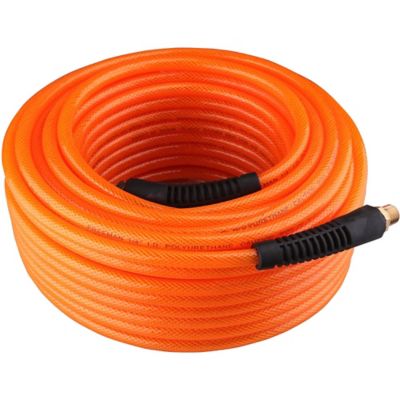
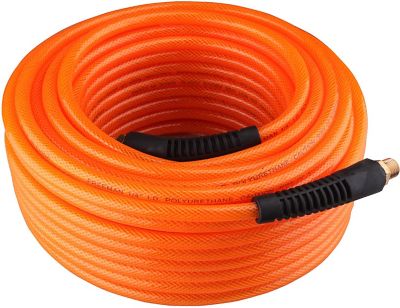
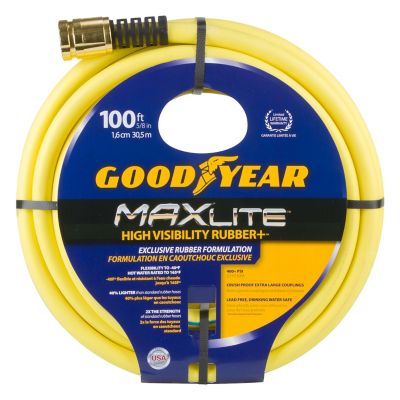
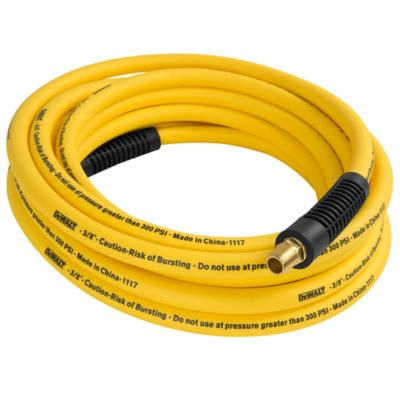
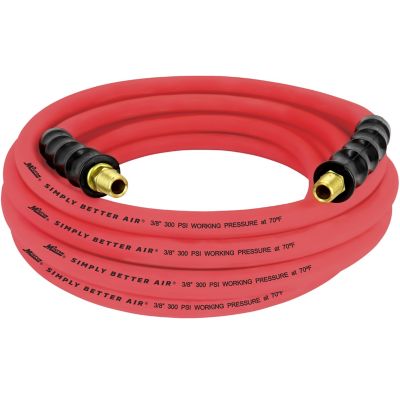
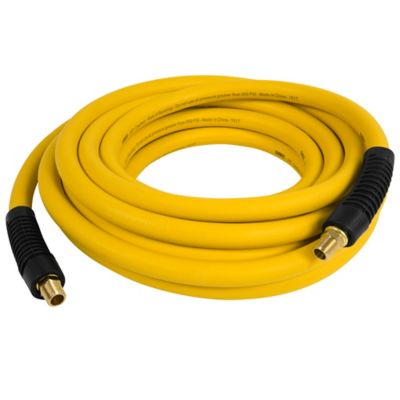
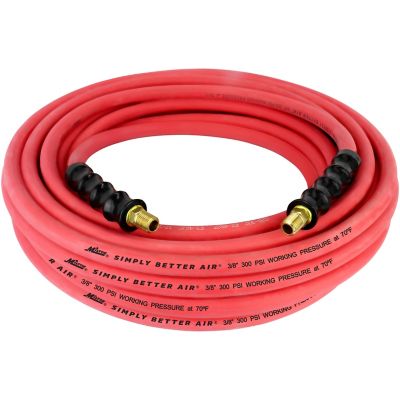
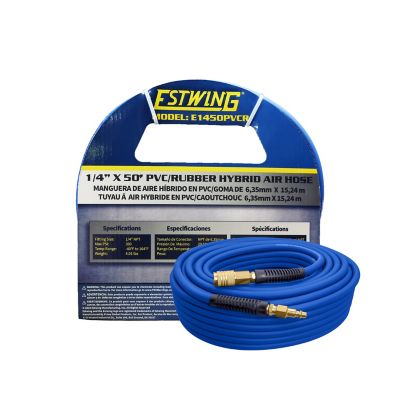
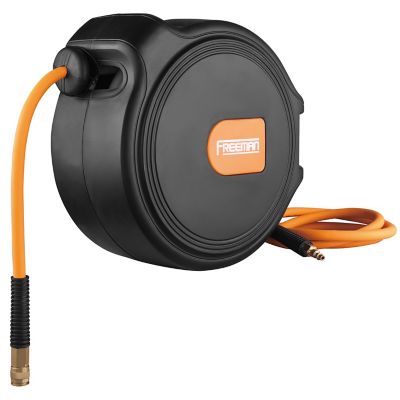
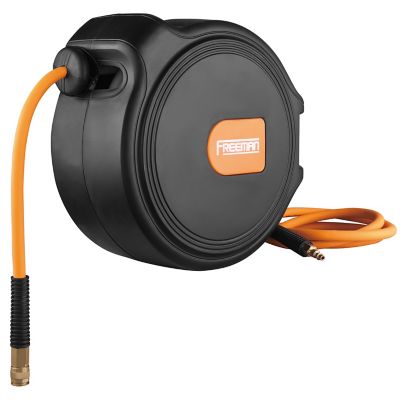
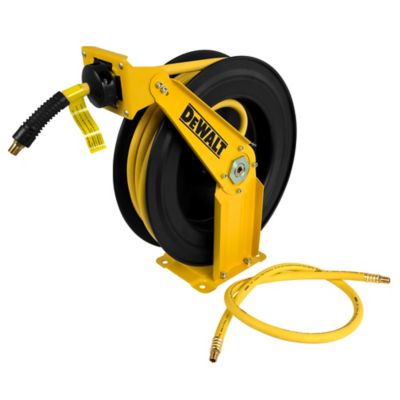
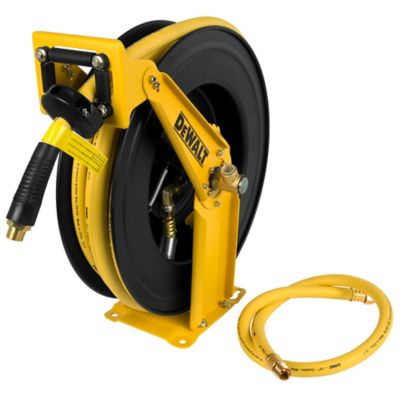
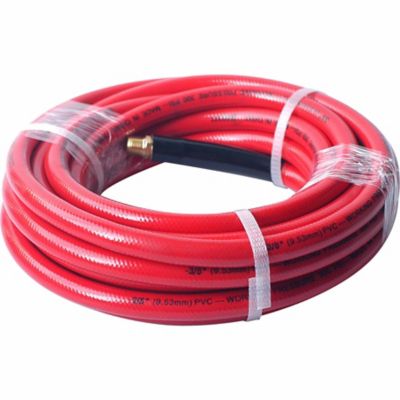
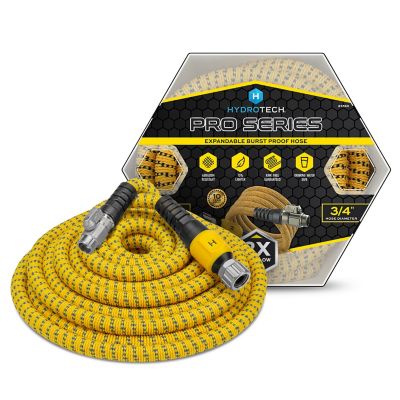
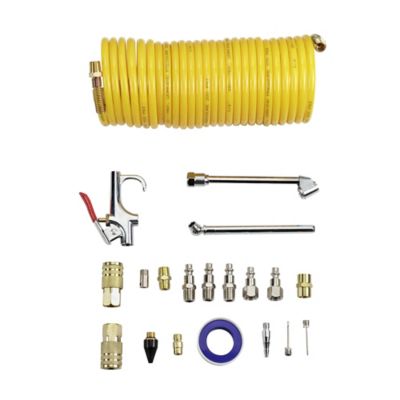
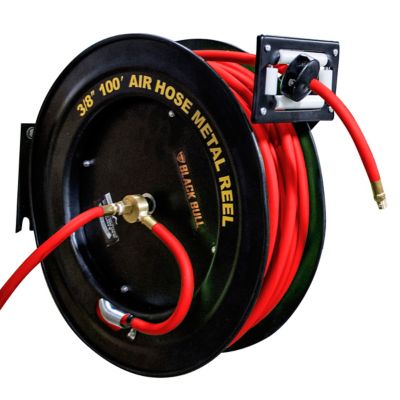
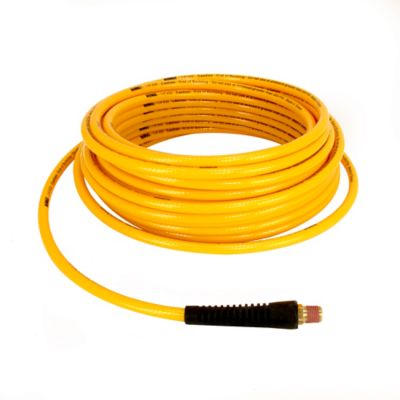
Heavy duty air hoses are built for the kind of work that puts ordinary shop hoses to the test. Around a farm, garage, barn, construction site or busy maintenance area, an air hose may be dragged across gravel, brushed against steel, left in the sun, run through cool weather and wrapped up dozens of times in a single workday. A reinforced pneumatic hose helps deliver compressed air from a compressor to tools such as impact wrenches, ratchets, blow guns, nailers, staplers, grinders and tire inflators without becoming a weak link in the setup. They’re a practical choice for folks who repair equipment, maintain vehicles, build or remodel, service fences, clean out machinery or handle routine jobs around a homestead. A good hose can also make a thoughtful gift for a do-it-yourselfer, mechanic, farmer or shop owner who already has an air compressor but needs dependable reach and airflow. When comparing heavy duty air hoses, start with the hose’s working pressure rating rather than relying on the burst rating. The working PSI should safely meet or exceed the compressor’s maximum output, with a comfortable margin for the way the hose will be used. Burst pressure describes the point at which a hose may fail under extreme conditions; it is not the pressure at which the hose should be operated. Check the ratings for the hose, fittings and connected tools so the complete air system is suited to the job.
Hose size and length have a direct effect on how an air setup feels and performs. A 3/8-inch inside diameter is a popular all-around choice because it offers a useful balance of airflow, flexibility and manageable weight for many shop and farm tools. Smaller 1/4-inch hoses can be handy for lighter-duty tools and short runs, but they may limit airflow for high-demand equipment. A 1/2-inch inside diameter can be a better fit for tools that need greater air volume or for longer runs where pressure drop becomes a concern. Before choosing a length, picture the compressor’s location and the farthest point where work will take place. A hose that is too short can tug on fittings and force the compressor to be moved, while an unnecessarily long hose can add weight, take up storage space and create more opportunities for tangles. For a fixed shop, a longer hose may reach around a vehicle or workbench with fewer connections. For outdoor repairs, a lighter, easier-to-carry length may be more comfortable when walking between a shed, trailer and piece of equipment. Rubber, EPDM rubber and hybrid polymer constructions each bring useful qualities. Rubber and EPDM are known for durability, heat resistance and dependable flexibility, while EPDM is also valued for resistance to weathering, ozone and cracking from outdoor exposure. Hybrid materials can offer a lighter feel, strong kink resistance and an easier lay-flat design that is simpler to pull across a shop floor. Reinforcement, often made with woven fiber, adds strength and helps the hose handle pressure and everyday abuse. Solid metal fittings, strain relief at the ends and a protective outer jacket can further improve service life, especially where the hose will be connected and disconnected often.
Think about the working conditions as carefully as the compressor and air tool. If the hose will spend time outdoors, look for construction suited to sunlight, moisture, temperature swings and contact with rough surfaces. During the warmer part of the year, a hose may lie across a hot driveway or sit beside a tractor while equipment is being serviced. In the cooler months, a hose that stays flexible is easier to unroll and less likely to fight you when the morning air turns crisp. Keep the hose away from sharp edges, welding sparks, hot engine parts, chemicals and standing water whenever possible, and avoid driving over it with vehicles or equipment. Kinks restrict airflow and can put extra strain on the hose wall, so a flexible, kink-resistant design is helpful when working around tires, pallets, workbenches and machinery. After use, drain moisture from the compressor and air line as recommended for the system, disconnect the hose when storing it and coil it loosely rather than folding it into tight bends. Hang it on a hook or reel where it can stay clean, dry and out of the way. Inspect the outer cover, fittings and connection points before each use, watching for cuts, bulges, deep abrasions or signs of wear. Replace a damaged hose instead of patching a pressure line. For more choices and related sizing options, browse
Compressed Air Hoses to find a setup that fits the tools, distance and working conditions around your shop, farm or home.