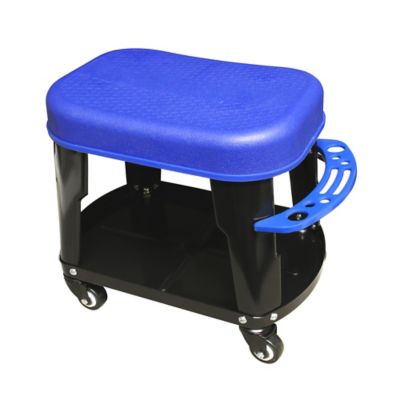
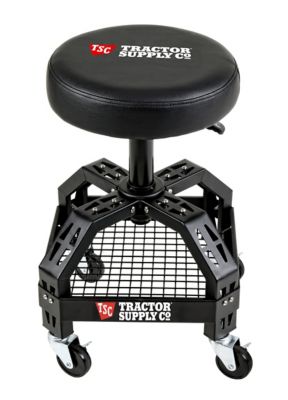
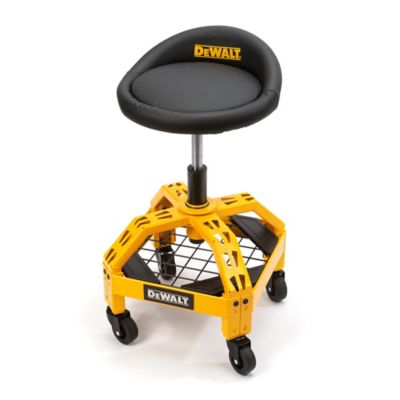
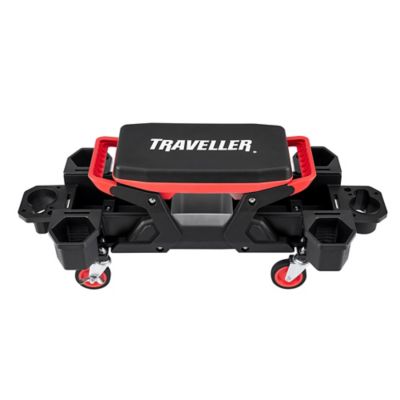
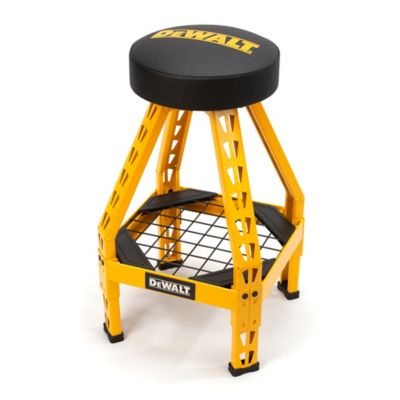
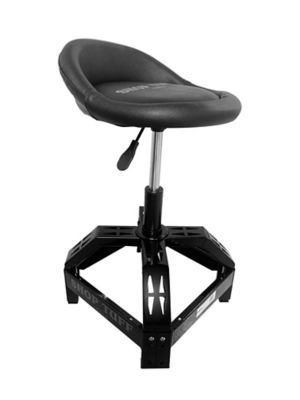
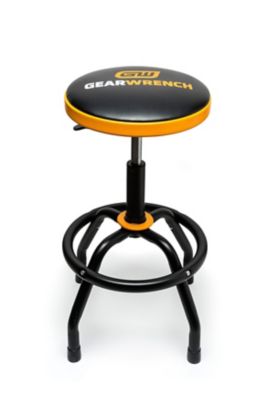
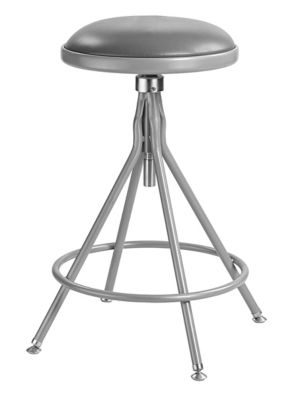
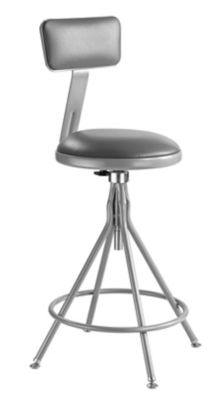
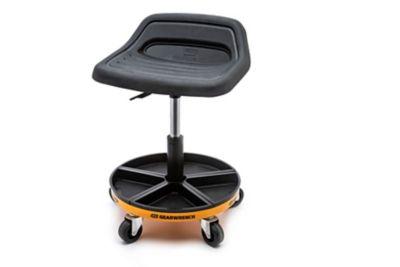
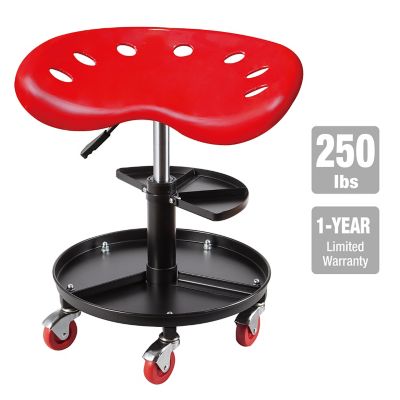
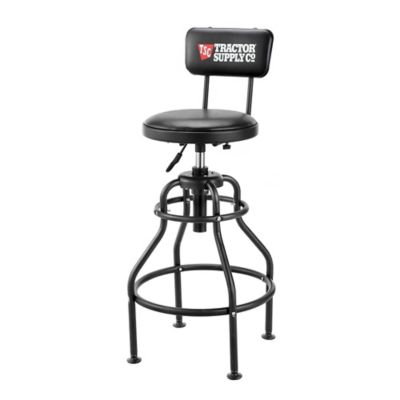
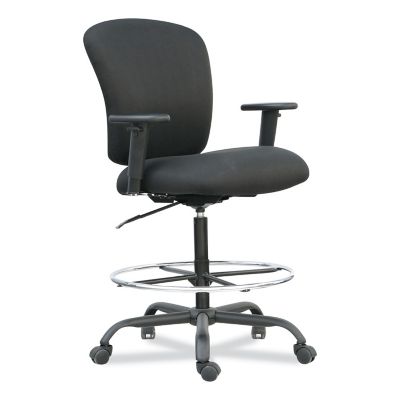
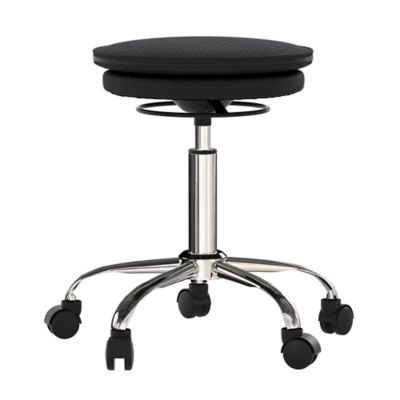
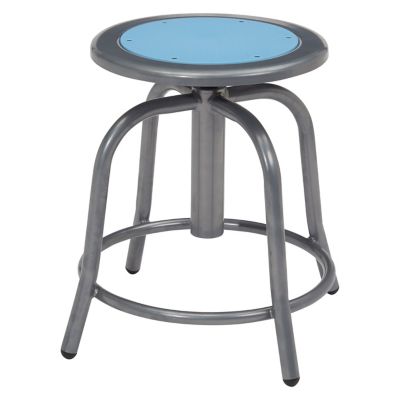
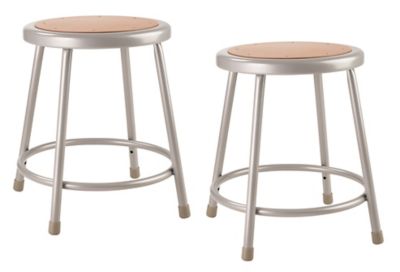
Heavy-duty rolling shop stools are wheeled work seats built for garage, workshop, and maintenance tasks, with sturdy frames, swivel seats, and, on some models, trays or compartments for tools. They bring a place to sit closer to the job, whether that means servicing a mower, sorting hardware at a workbench, or cleaning parts beside a tractor. For mechanics, farm owners, equipment operators, and folks who spend their spare time in the shop, the appeal is straightforward: a seat that fits the work area and keeps small essentials within reach. The right working height matters as much as the wheels. A low rolling seat suits work near wheel hubs, mower decks, and lower equipment panels, while a taller shop stool puts the seat closer to a bench or assembly table. Adjustable-height designs offer flexibility when several people share a workspace or when tasks move between different surfaces. The useful measurement is the seat-height range compared with the actual work surface, along with enough clearance for legs beneath the bench. A comfortable fit leaves room to plant both feet and reach the task without stretching across a tray or leaning far outside the seat. Seat shape makes a difference during longer stretches, too. Broad, padded seats spread contact across a larger area, while contoured surfaces can provide a more settled sitting position. Backrests add support on designs that include them, although they also affect how closely a stool can tuck beneath a bench. A swivel seat lets the rider turn toward nearby work without twisting as much at the waist. In a small repair bay or a busy home garage, those details help a rolling stool fit into the work rather than become another thing to work around. Overall width also deserves attention where tool cabinets, parked equipment, and narrow aisles compete for floor space. A stool should fit its parking spot as well as the area where the work happens.
Steel frames, reinforced connections, and substantial bases are common features of heavy-duty shop seating, but the published weight capacity is the number that matters when matching a stool to its rider and intended work. That rating should accommodate the person along with anything carried on the seat, and any tool tray or drawer may have a separate load limit. The heavy-duty label alone does not describe every part of a stool’s construction. Frame shape, welds, fasteners, seat supports, and caster attachments all contribute to how the seat handles everyday shop demands. Powder-coated or painted metal surfaces help protect the frame, while smooth seat coverings can make grease smudges and ordinary dirt easier to wipe away with an appropriate cleaner. Upholstery should suit the setting: a padded seat can be welcome for detailed bench work, while a simpler molded surface may make sense where frequent wipe-downs are part of the routine. Wheel construction is another practical distinction. Caster diameter, tread material, bearings, and mounting hardware influence how a stool rolls across a suitable floor. Larger casters generally handle small floor irregularities more easily than smaller ones, but cracks, cords, loose hardware, and debris can still stop a wheel abruptly. Concrete seams and uneven barn floors deserve particular attention; rolling shop stools are generally better suited to firm, level work surfaces than gravel or packed dirt. Where a design includes locking casters, the locks help hold the stool in place within the limits described by its maker. Integrated storage adds another layer of usefulness without turning the seat into a full tool cart. An open tray can keep sockets and fasteners close during a repair, while divided compartments help separate small parts. Drawers provide enclosed space on some designs. Storage placement matters, since tools should remain easy to reach without awkward bending or reaching past the base. A broad footprint can support a steady sitting position, though no base makes leaning or overloading safe.
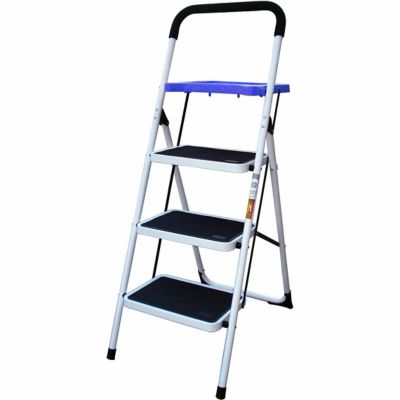
A shop stool earns its place through the little jobs that fill a workday: checking a belt guard, matching nuts to bolts, polishing a metal part, or sitting beside a project while laying out the next step. For those tasks, convenient seating works best alongside sensible shop habits. The stool belongs on a clear, suitable floor, with the rider centered over the seat and the manufacturer’s directions followed for adjustment, locking, and movement. It is not a step stool, a ladder, or a substitute for stands that support equipment. Keeping cords, air hoses, metal shavings, and stray screws out of the rolling path helps prevent hang-ups and keeps debris away from the casters. Routine care is usually simple, but it pays to notice small changes before they interrupt a job. Loose mounting bolts, a caster that drags, cracked seat coverings, or a height mechanism that will not hold position call for attention according to the care instructions. Wiping away spills promptly and choosing cleaners compatible with the seat and frame finishes helps preserve those surfaces. Moving parts may need maintenance specified by the maker, rather than a spray of whatever lubricant happens to be nearby. Parking the stool beneath a compatible bench or beside a tool cabinet keeps the aisle open and gives the seat a regular home. For a taller counter or a separate break area,
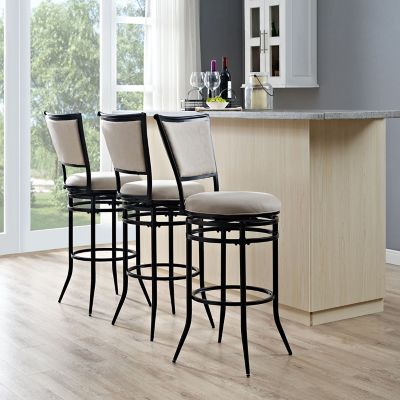
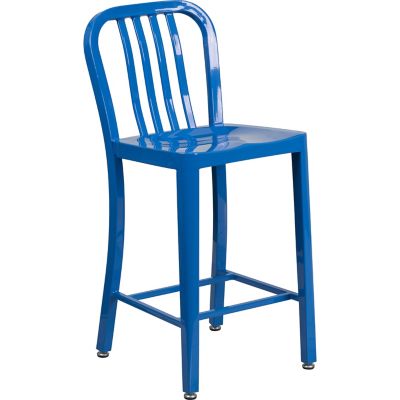
Swivel Industrial Bar Stools provide another seating category to consider; rolling shop stools serve a different role when mobility around a work area is the priority. A well-matched shop stool can also make a practical gift for someone setting up a garage, maintaining farm equipment, or spending more time at a workbench. Seat height, weight rating, available floor space, and storage needs are more useful gift considerations than appearance alone. The goal is a seat that suits the person, the floor, and the kind of work waiting on the bench.