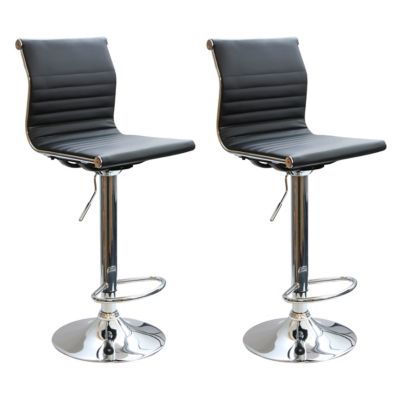
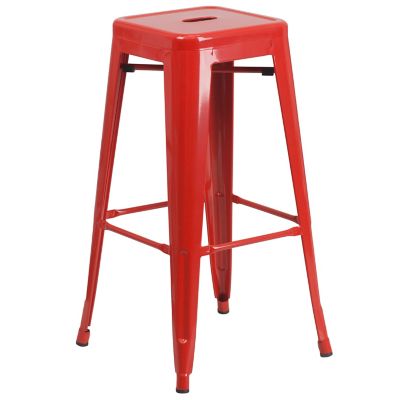
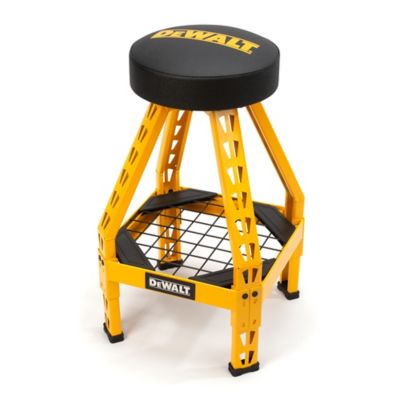
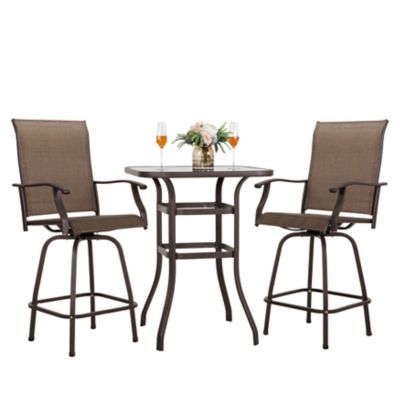
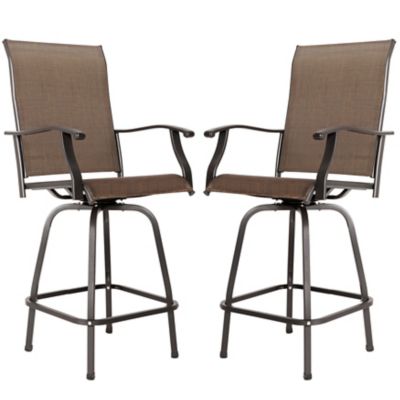
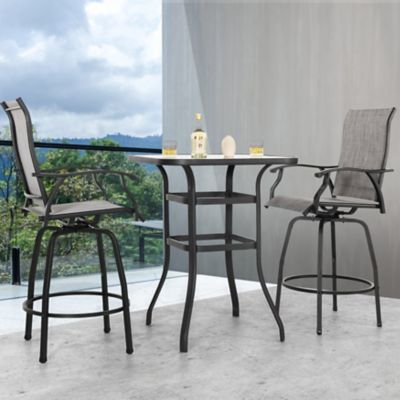
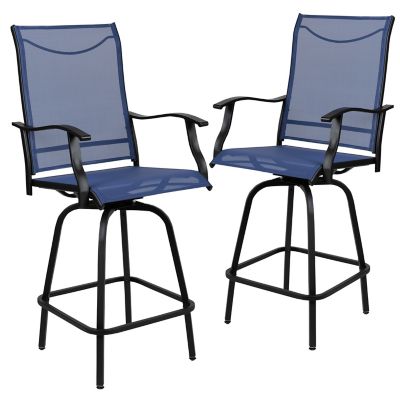
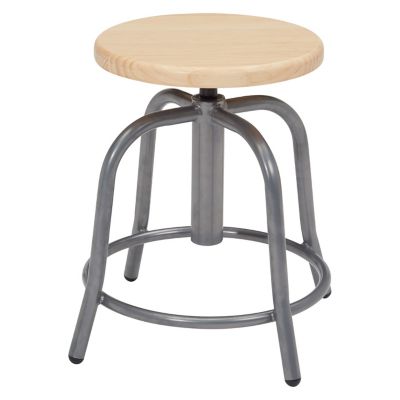
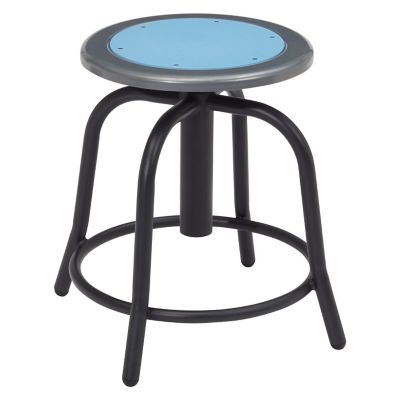
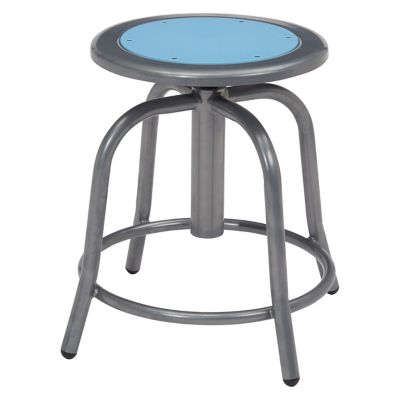
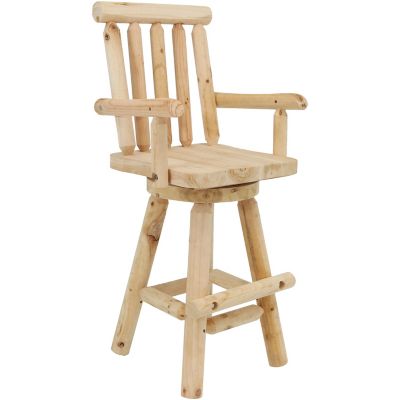
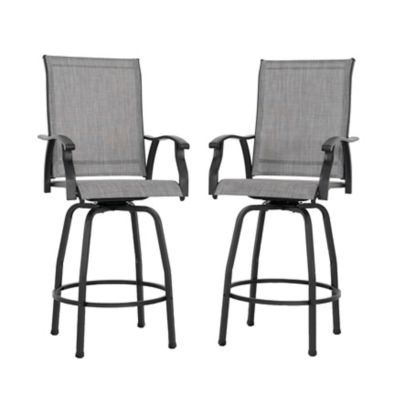
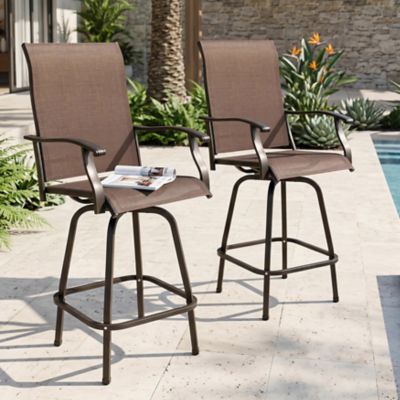
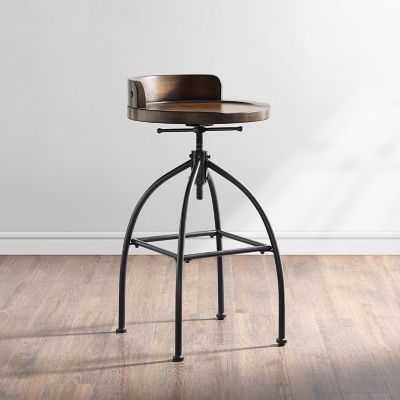
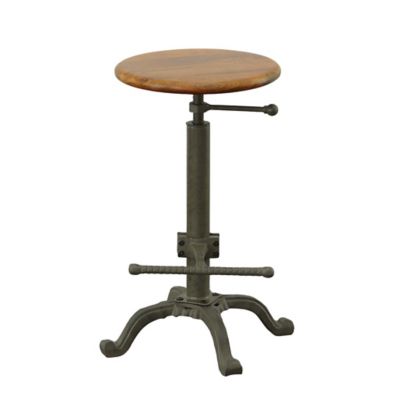
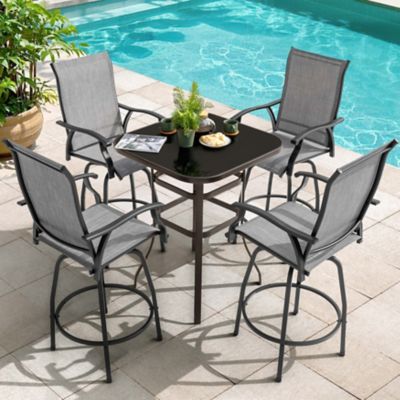
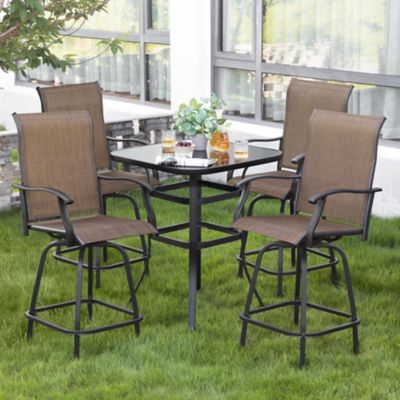
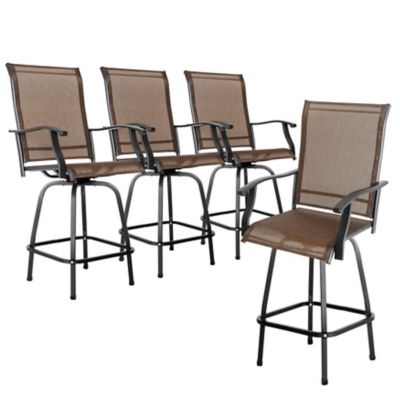
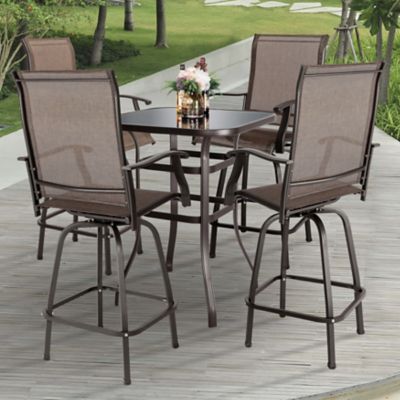
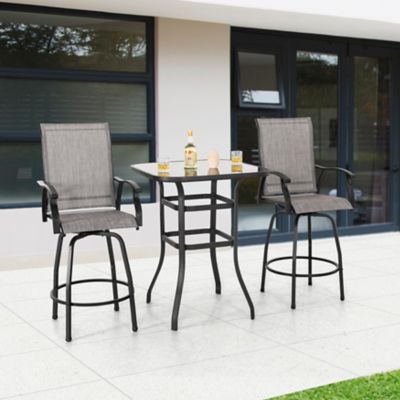
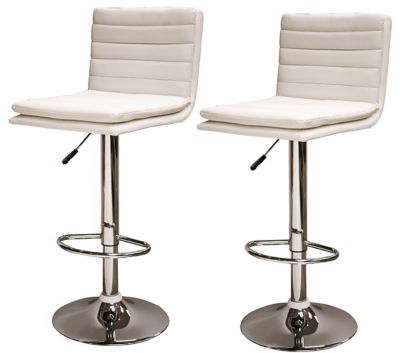
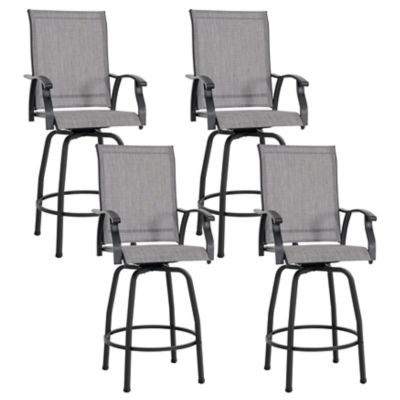
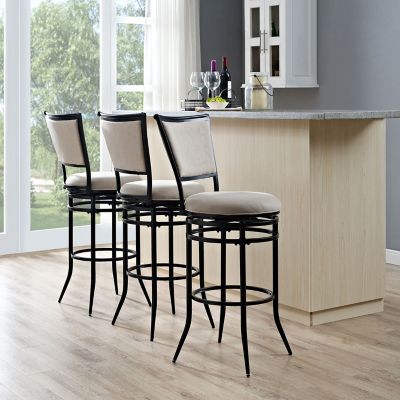
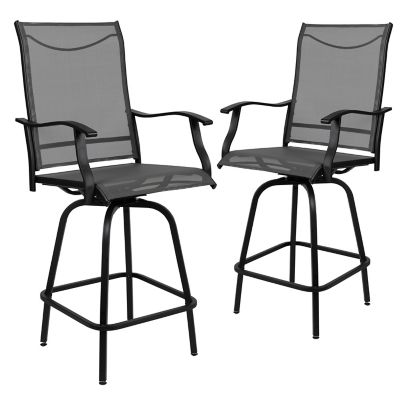
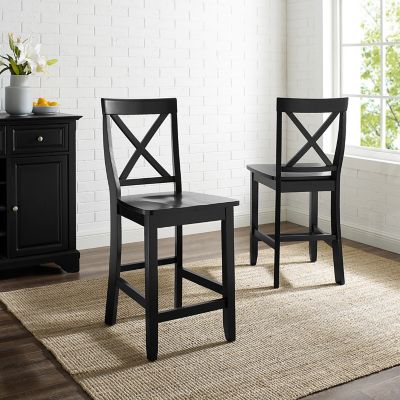
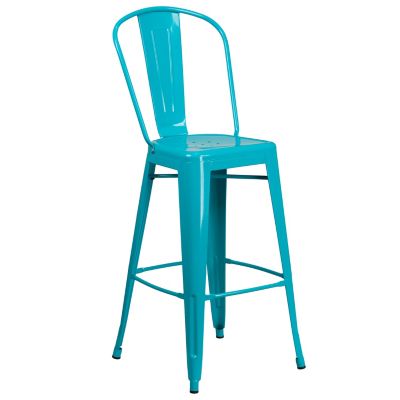
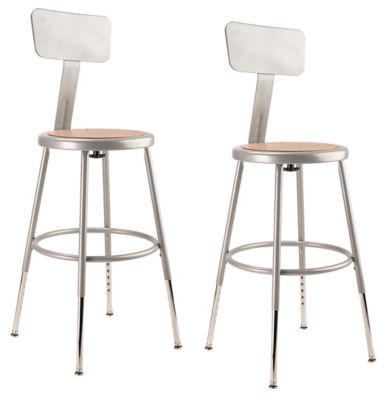
Swivel industrial bar stools bring a hardworking look and everyday convenience to kitchens, workshops, game rooms, home bars and covered gathering spaces. With a 360-degree seat rotation, they make it easier to pull in close to a counter, turn toward conversation or step away without dragging the whole stool across the floor. That small bit of movement can make a big difference around a busy kitchen island, especially when someone is passing plates, helping with homework or visiting over a cup of coffee. Industrial styling usually pairs sturdy metal frames with wood, faux leather, upholstered or saddle-style seats, creating a mix of practical strength and lived-in character. Raw metal, powder-coated steel, distressed finishes and warm wood tones can fit right in with a farmhouse kitchen, shop-inspired basement or rustic cabin. For a softer, more relaxed room, compare these seats with
Modern Rustic Bar Stools. Swivel stools can be useful in more places than a traditional bar, too. A backless design can tuck neatly beneath an island when floor space is tight, while a low back or cushioned seat gives guests a little more support during a long breakfast or evening card game. Some folks use them at a tall workbench for sorting hardware, potting plants or handling paperwork, while others set them around a counter in a hunting cabin, lodge or entertaining area. Their sturdy appearance also makes them a thoughtful housewarming gift for someone putting together a new kitchen, workshop or recreation room, particularly when the recipient appreciates furniture that looks good but is made for regular use.
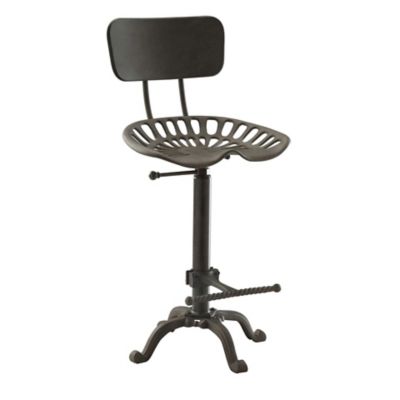
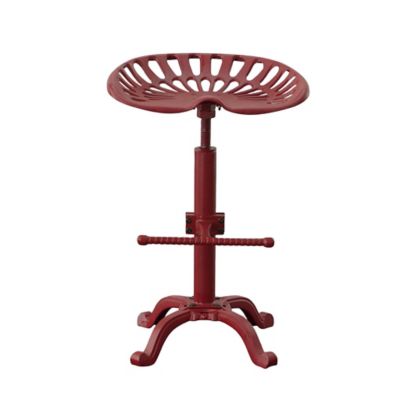
The first step in choosing swivel industrial bar stools is matching the seat height to the surface. Counter-height stools generally have seats about 24 to 26 inches high and work well with counters and islands measuring roughly 34 to 38 inches from the floor. Bar-height stools commonly place the seat around 28 to 30 inches high and are better suited to bar tops measuring about 40 to 42 inches. Adjustable stools may cover a wider range, with a threaded spindle, manual crank or other height mechanism that lets you fine-tune the seat for different surfaces and users. Measure from the floor to the underside of the counter, then allow enough room for knees and comfortable movement; measuring only the top surface can lead to a stool that feels cramped once the seat is in place. If the stools will serve several people, including children or shorter adults, an adjustable design can be especially handy. Also check the total stool height if the seats need to slide fully under an island or counter. Seat shape matters just as much as height. A contoured tractor or saddle seat can offer a steady perch and a classic workshop feel, while a padded or upholstered seat may be more comfortable for lingering over meals. A backless stool encourages an easy tuck-away profile, but a low back can provide welcome support for anyone who spends a good while seated. Consider the room’s daily traffic, too. A stool with a broad base may feel more planted, while a narrower frame can leave additional legroom beneath the counter. For homes with hardwood, tile or finished concrete floors, look for rubber feet, protective glides or another floor-friendly detail to help reduce scuffs and scratches. On a porch or semi-enclosed space, check that the materials and finish fit the amount of moisture, dust and temperature change the stools will encounter.
Good spacing keeps a row of swivel stools comfortable and helps people turn without bumping elbows. A useful starting point is about 26 to 30 inches from the center of one stool to the center of the next, though the seat width and the shape of the counter should guide the final layout. Wider seats, arms or pronounced backs may call for more breathing room. Leave a clear path behind the stools whenever possible, especially near a refrigerator, range, pantry door or workshop cabinet. Heavy steel construction can offer dependable stability, but it also means the stool may be harder to move, so think about whether the seating will stay in one place or be rearranged for gatherings. A smooth swivel action is helpful in a high-traffic kitchen, while a secure height adjustment and solid footrest can make a taller stool feel more comfortable and controlled. For upkeep, wipe metal and sealed wood with a soft, slightly damp cloth and clean spills from upholstered or faux-leather seats before they settle into the material. Avoid soaking wood or using harsh cleaners that can dull a finish. During the cooler months, industrial swivel bar stools can turn a kitchen island into a warm landing spot after chores outside, giving muddy-booted family members a place to sit while supper is finished. They can also add extra seating when friends gather indoors, without taking up the space of full-size dining chairs. Look for a combination of dependable construction, a height that matches your surface, enough room between seats and a finish that suits the way your household lives. When those details line up, swivel industrial bar stools become more than a rugged decorative accent—they provide a practical perch for everyday meals, quick conversations, weekend projects and the steady comings and goings of a busy home.