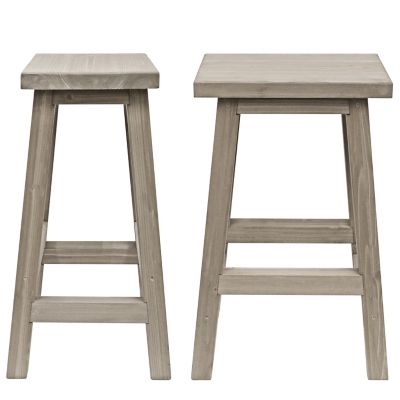
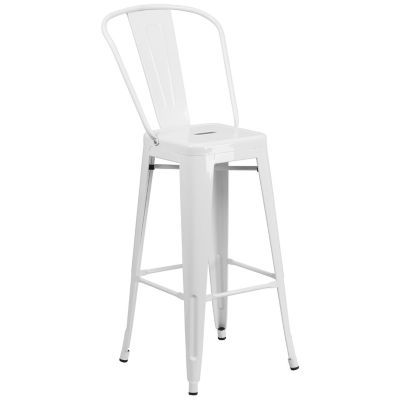
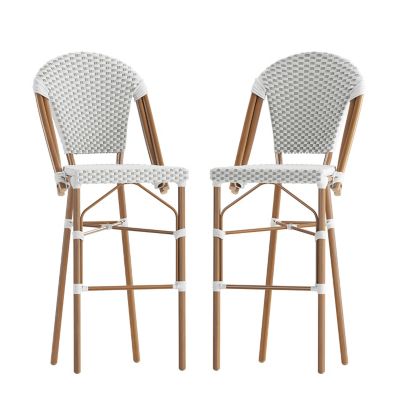
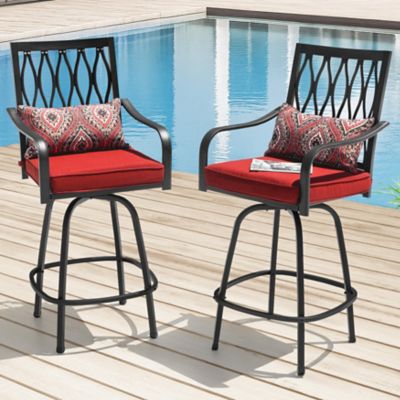
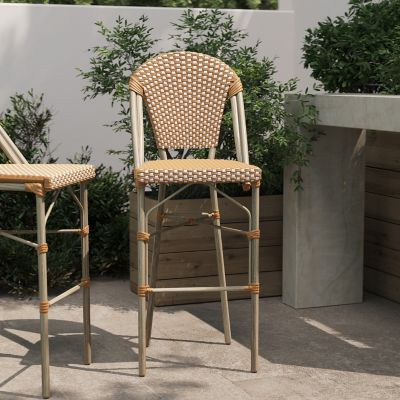
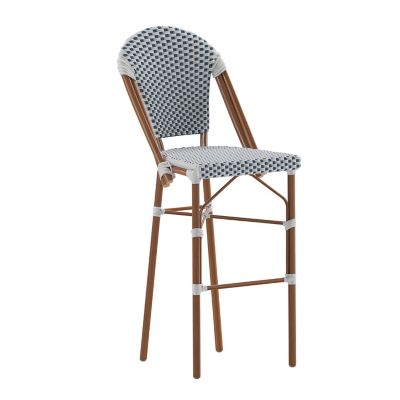
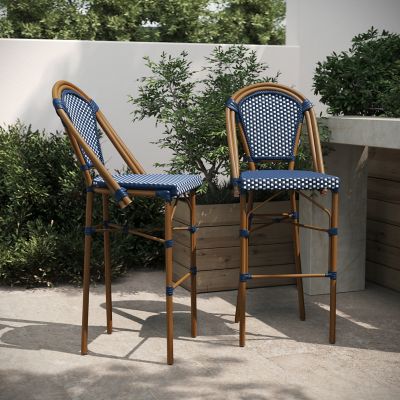
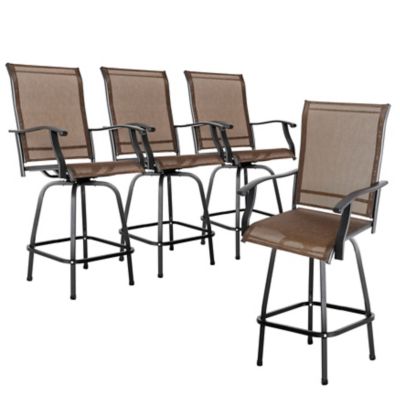
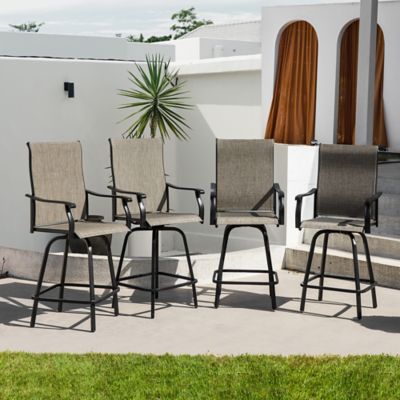
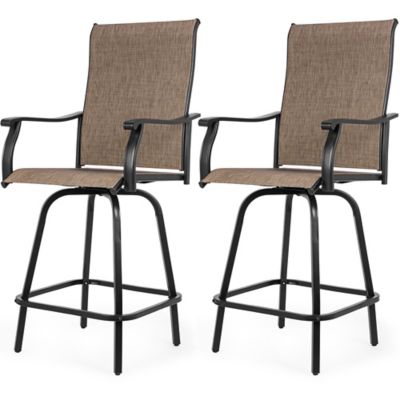
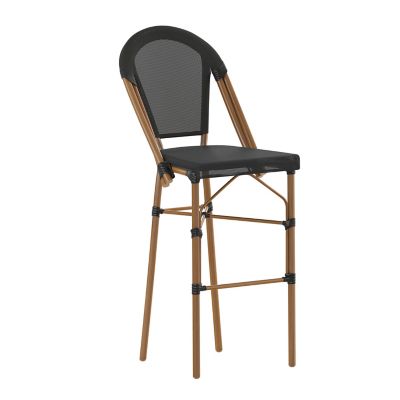
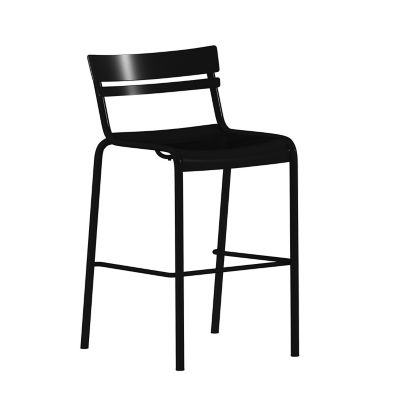
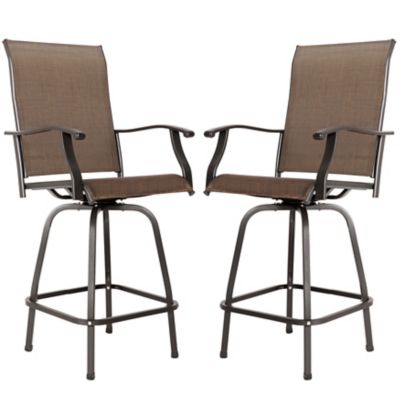
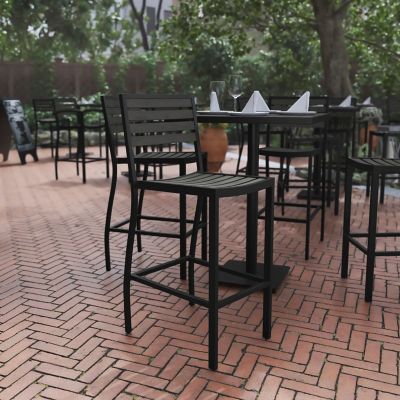
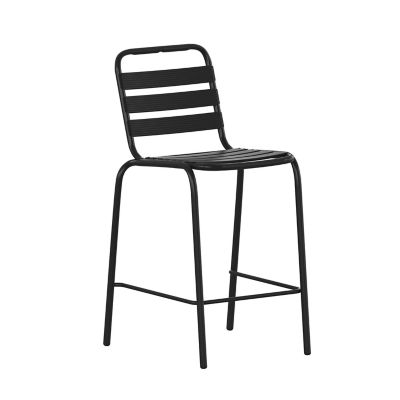
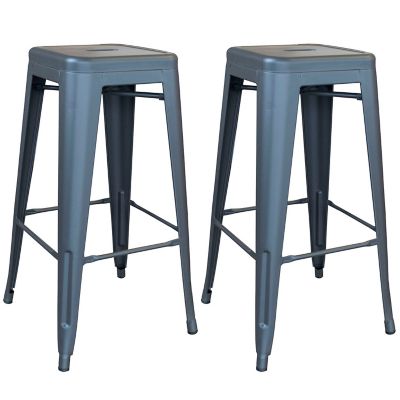
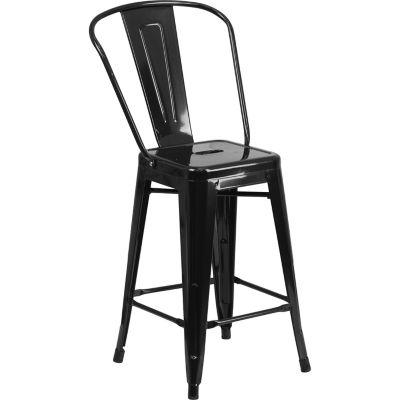
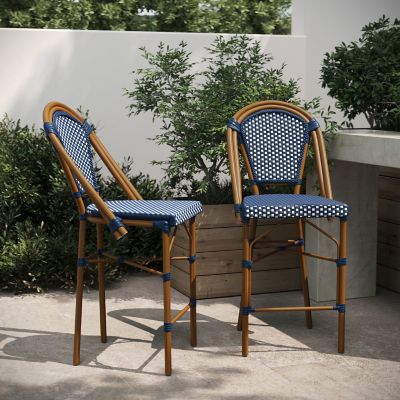
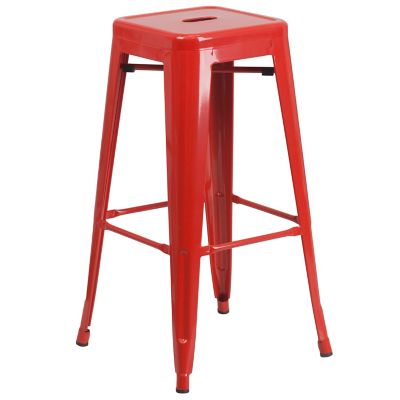
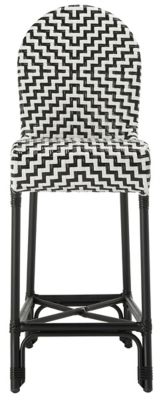
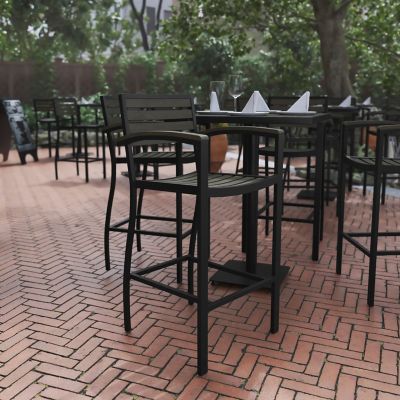
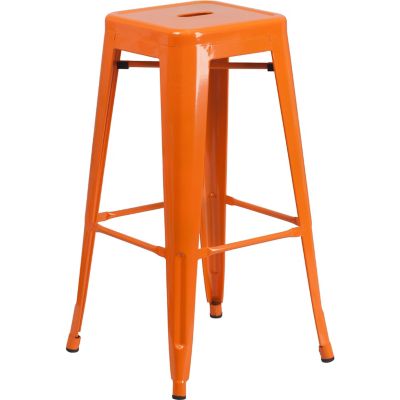
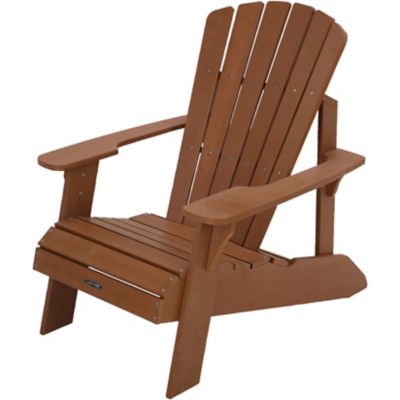
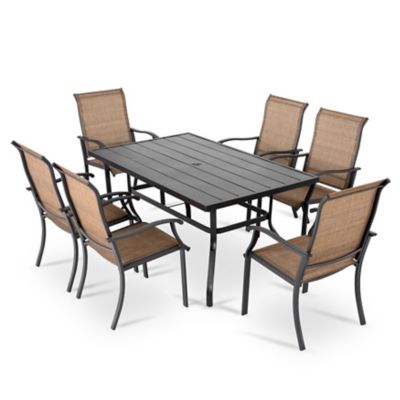
Heavy-duty outdoor bar stools are tall seats built for outdoor bars, raised counters, and bar-height tables, with an emphasis on strong frames, supported joints, and everyday stability. They suit backyard cookouts, porch conversations, and a place to settle in after chores without bringing kitchen seating outside. Common materials include powder-coated steel, cast aluminum, and high-density polyethylene lumber, often called poly lumber. Some outdoor bar stools carry weight ratings of 300 to 500 pounds or more, but the manufacturer’s stated capacity—not the heavy-duty label—determines the supported load. A thick-looking frame alone does not establish a stool’s strength, and a wider seat does not necessarily mean a higher weight limit. Frame construction, bracing, hardware, and the seat’s connection to the base all matter. Steel frames can provide a substantial feel, while their protective finish helps limit contact between moisture and the metal underneath. Cast aluminum offers another approach, combining shaped metal construction with resistance to iron rust, though finishes and hardware still need attention. Poly lumber resists moisture absorption and does not need the same refinishing routine as many wood surfaces, but its weight and assembly requirements vary. Wood stools bring natural grain and a familiar porch-furniture feel, with care needs that depend on the wood species and finish. For seating beside an outdoor kitchen, materials should stand up to the expected exposure and be reasonably easy to wipe down after a meal. Beneath a covered pavilion, protection from direct rain helps, but windblown moisture and damp surfaces can still reach frames and fasteners. Heavy-duty outdoor seating works best when the load rating, construction, and intended setting line up, whether that setting is a small farmhouse porch or a gathering spot with room for the whole crew. A stated residential or commercial use designation also helps distinguish seating meant for household gatherings from furniture intended for frequent public use.
A bar stool needs to fit the counter as well as the person sitting on it. Bar-height seats commonly measure about 28 to 32 inches from the floor to the top of the seat and generally pair with surfaces around 40 to 42 inches high. Counter-height stools are shorter, typically around 24 to 27 inches, so the two categories are not interchangeable. Roughly 10 to 12 inches between the seat and the underside of the counter provides a useful starting point for legroom, with thick cushions and low support rails changing the final fit. Arms need clearance, too; a stool that slides under an open tabletop may stop short against a counter apron. Seat width, depth, and the shape of the front edge affect how comfortably someone can settle in for supper or a long conversation. A backrest provides support that a backless seat cannot, while an accessible footrest gives feet somewhere to land instead of leaving legs dangling. Supportive backs, roomy seats, and well-placed footrests are also worth considering when browsing
Comfortable Outdoor Bar Stools for longer visits. Swivel seating makes turning toward the grill or another guest easier, though the rotating seat and arms need room to move without bumping the counter or neighboring stools. Stationary frames offer a simpler setup with fewer moving parts. Adequate spacing keeps elbows from crowding and leaves a clear path behind occupied seats, especially where someone may be carrying a platter or walking through in work boots. The ground underneath matters just as much as the layout. A broad base needs a firm, level surface; loose gravel, soft soil, or uneven pavers can undermine an otherwise solid stool. On a deck, foot size and placement deserve attention so narrow feet do not settle into gaps between boards. Adjustable glides, where provided, can help address small surface variations, but they are not a substitute for sound footing.
Outdoor construction reduces certain maintenance demands, but heavy-duty outdoor bar stools still benefit from straightforward care. Food spills, pollen, dust, and bird droppings are easier to remove before they sit on a finish for long stretches. Mild soap, water, and a soft cloth are often suitable starting points, with the manufacturer’s care directions taking priority over a general cleaning routine. Abrasive pads, harsh chemicals, and pressure washing can damage some finishes or force water into joints. On coated metal, chips and scratches deserve prompt attention with a compatible repair method, particularly around welds, footrests, and lower frame sections where boots and grit make contact. Wood may need periodic cleaning and refinishing, while poly lumber generally calls for washing rather than staining. Fasteners and swivel connections should receive occasional checks, with loose hardware tightened according to the assembly instructions rather than forced beyond its intended tension. Outdoor cushions add softness, but water-resistant fabric is not the same as waterproof construction. Removable cushions are easier to bring under cover, and ventilation helps damp padding dry before it is put away. Properly fitted furniture covers can reduce exposure when seating is not in use, provided they allow airflow and do not trap moisture against the frame. Stackable designs may simplify storage, though only stools identified for stacking should be nested together. For a household that gathers around a patio counter after feeding animals, or hosts neighbors for burgers beside the grill, practical details often make the biggest difference: a footrest at a comfortable height, a seat that wipes clean, and enough space to get in and out without a shuffle. A pair can also make a thoughtful housewarming gift when the recipient’s counter height, available space, and seating needs are known. Matching strength, fit, and care requirements to the setting helps make the seating a useful part of everyday life outside.